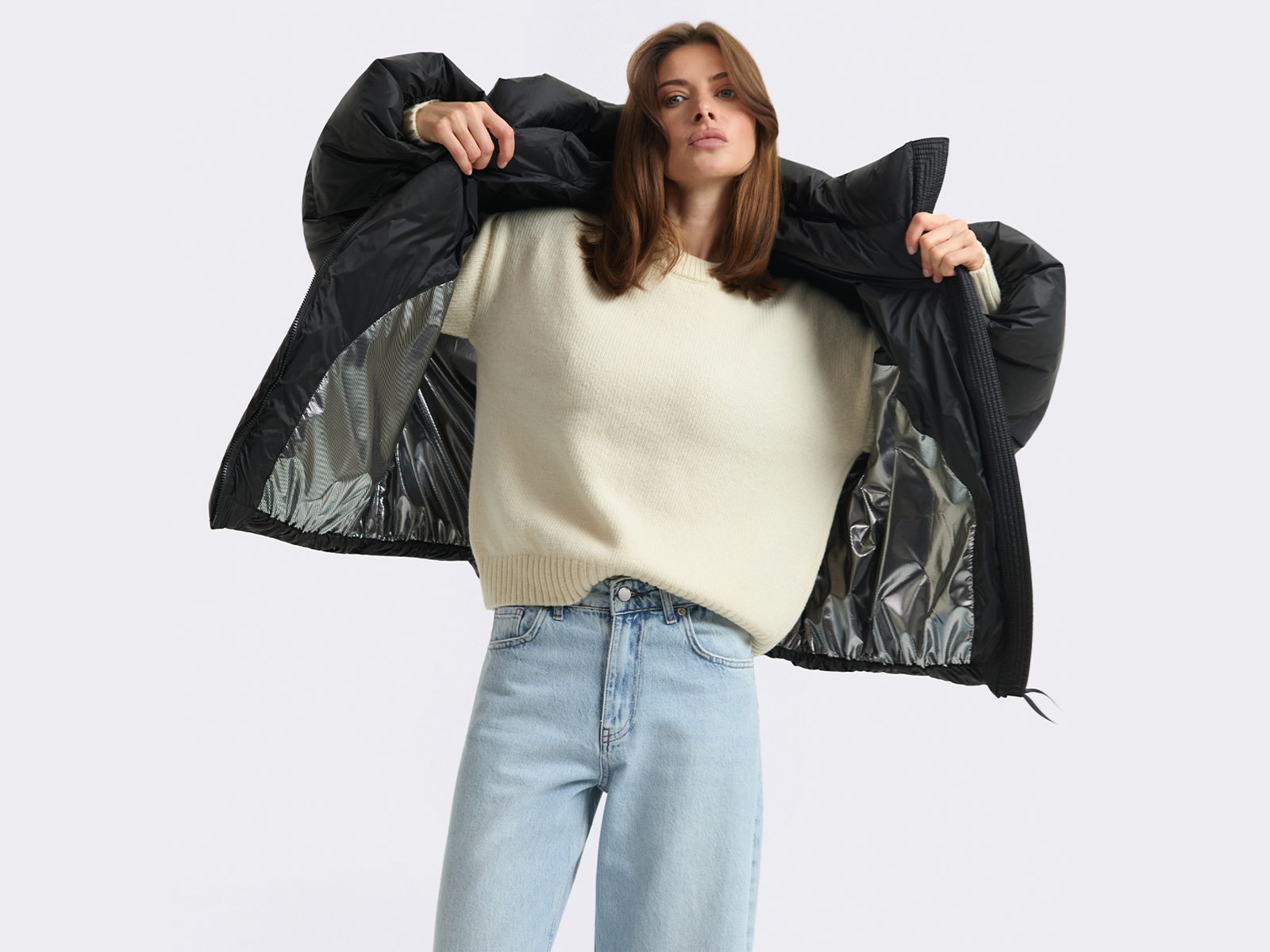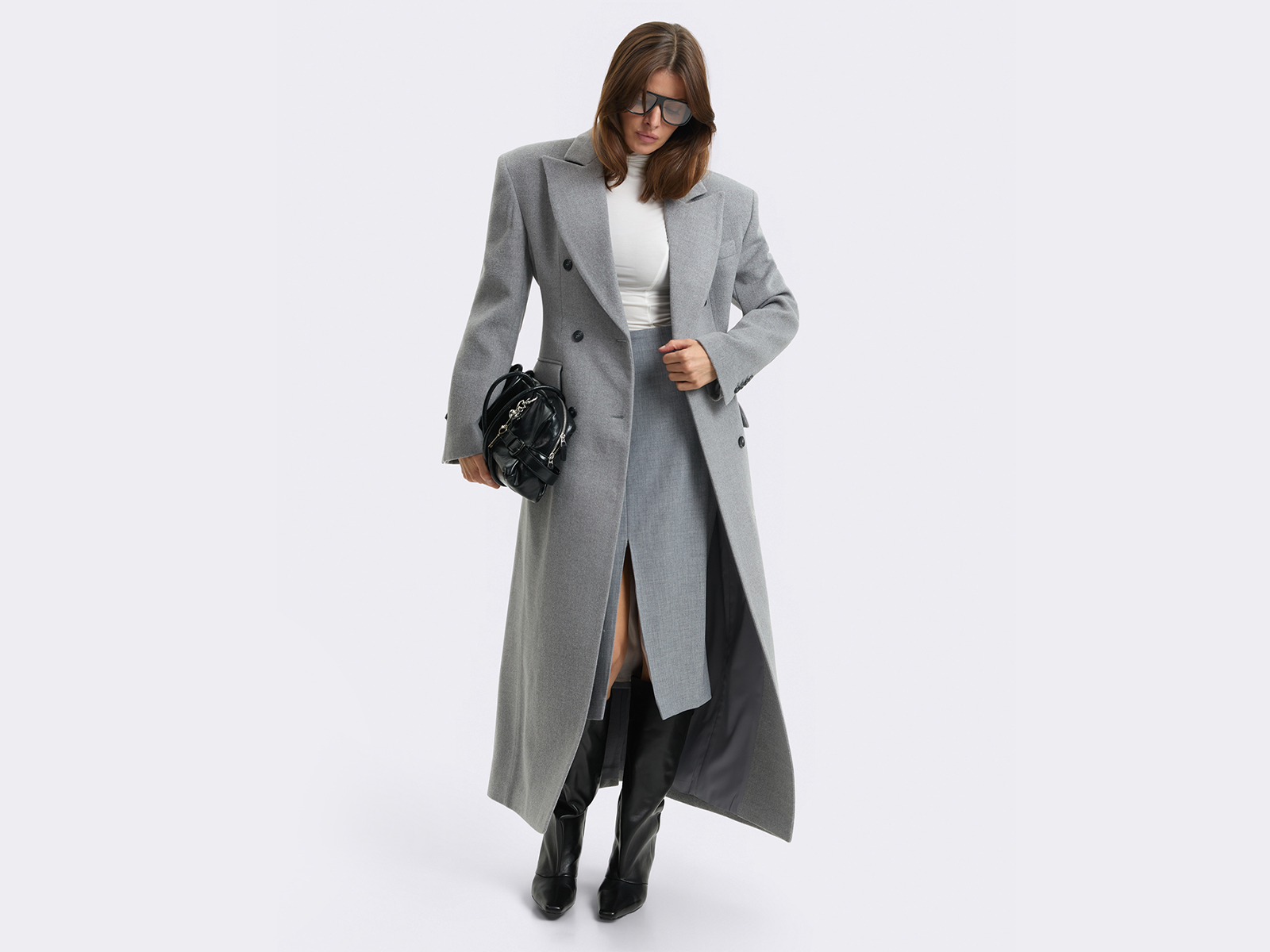
Not long ago, autumn treated us to warm days. Now the rain and sharp chill remind us how pleasant it is to pull on favorite sweaters again, build layered outfits and take out cozy puffer jackets. It is time to change your seasonal wardrobe: send summer pieces to rest and bring warm ones back to the front.
But before you sort everything onto shelves and into boxes, remember that clothes need care not only when we wear them. The way they are stored decides what condition they will be in when their season returns. Here is how to organize a seasonal rotation without extra fuss and unpleasant surprises in spring.


In short
- Before long-term storage, clothes need to be cleaned and dried completely.
- Wool knitwear is better folded on a shelf: on a hanger, it can stretch under its own weight.
- Keep your clothes in a dry place, away from direct sunlight.
- Don't put everything equally far away: keep mid-season pieces within reach.
- Label the boxes or photograph their contents so you can quickly find what you need.
- Check your winter clothes before you start wearing them regularly — that leaves time for cleaning and repairs.


Seasonal rotation is not the same as decluttering
A seasonal wardrobe change has a specific task: to free up access to the pieces you need now and to store properly those that will wait for the next season. For that, you don't have to review every purchase and decide whether it deserves a place in your closet.
At the same time, a rotation makes it easy to notice pieces you haven't worn for a long time, or to see what is missing. If you want to carry out such a review separately, read our article “Wardrobe Detox: How to Sort Your Closet and Let Go of the Excess Without Regret”.
For now, let's focus on something else: how to prepare clothes for a long break and organize your space so that next season your pieces are ready to wear.


What people knew about seasonal storage back in the 19th century
In 1861, Mrs Beeton’s Book of Household Management was published — Isabella Beeton's large-scale guide to running a household. It contained not only recipes and rules for organizing domestic life, but also detailed recommendations for caring for clothes.
Interestingly, the author planned seasonal chores almost by the calendar. In spring, she advised taking down heavy winter curtains and replacing them with lighter ones, and shaking out fur and woolen items thoroughly before putting them away. In October and November, in turn, it was time to prepare winter clothes.
Beeton paid special attention to protection against moths: the guide notes that from May to September, fur and feathers are especially vulnerable to them. Among the remedies of the time, the author recommended camphor and other aromatic substances. Today, such advice should not be carried over mechanically into a modern closet: protective products should be chosen with their safety and the manufacturer's instructions in mind.
The main idea that has not lost its relevance: a seasonal clothing change is not just rearranging things, but also a time to check their condition and make sure they are stored properly.


How to prepare summer clothes for a long break
Even if a piece looks clean, traces of sweat, perfume or cosmetics may remain on the fabric. Over a few months, they can set in, and stains on natural fibers can attract pests.
Before storing:
- wash your clothes according to the care label or take them to a professional cleaner if needed;
- make sure the fabric is completely dry, including in places where moisture can linger;
- check seams, buttons and fastenings and repair at once anything that needs attention.
Don't leave a damaged piece until the next season in the hope of dealing with it later. It is better to prepare it for storage now, before the problem gets lost among other things.


What museum conservators know about storing clothes
In museum collections, textiles can be kept for decades, so specialists watch not only how clean the pieces are, but also the effects of light, humidity, dust and the way they are stored.
You don't need to build a museum storeroom at home. But a few principles are worth borrowing.
Light affects fabric even when clothes are not being worn. Prolonged exposure can cause fading and gradual damage to the fibers. That is why boxes and garment bags are better kept away from direct sunlight.
Moisture is more dangerous than an ordinary imperfect closet. Damp rooms and places where condensation forms are not suitable for long-term textile storage: the risk of mold and an unpleasant smell grows. The best option is a clean, dry place with stable conditions.
The way you store a piece should suit the piece itself. Wool sweaters and heavy cardigans are better folded, so they don't stretch under their own weight. Coats, jackets and other structured pieces are usually better left on hangers that support their shape.
These are simple rules, but they help preserve not only how clothes look, but also their shape and properties.


How to organize storage so you don't forget what you own
The Marie Kondo method has a useful principle: clothes should be organized so they are easy to see and reach. Vertical folding lets you browse the contents of a drawer without taking apart the whole stack each time. At the same time, it doesn't suit everything: delicate fabrics, pieces with complex tailoring and items that crease easily may need to be stored on hangers.
For a seasonal rotation, one more detail matters: putting a piece out of sight does not mean wiping it from memory.
To remember what exactly is stored until the next season:
- Sort pieces by category. Swimwear, linen clothing, light tops and summer knitwear are easier to store separately.
- Label boxes specifically. Instead of a general “summer clothes,” note what is actually inside.
- Photograph the contents. One photo before you close the box will help you quickly find the piece you need.
- Choose suitable packaging. For many pieces, clean fabric garment bags or boxes will work. Don't pack clothes damp, and don't leave natural materials in conditions that prevent proper storage.
- Don't put everything equally far away. Keep pieces you may need on a warmer day within reach. Autumn and spring don't always follow the calendar, so part of your mid-season clothes should stay close at hand.


How to prepare your winter wardrobe for the first cold days
Once the summer pieces are put away, take out your outerwear, knitwear, warm trousers, scarves and hats and inspect them in daylight.
Check for stains, odd smells or traces of moisture. Assess the condition of the lining, fastenings and buttons on coats and jackets. Clean wool pieces if needed, following the care label, and clean, dry and treat shoes with products suited to the specific material.
Then arrange your clothes by how often you use them: outerwear and everyday knitwear in the most convenient zone, accessories where they are easy to grab together with the main outfit. The rest can be stored on upper shelves or in separate boxes.
This way, your closet works for the current season instead of turning into a warehouse for everything you own.


FAQ: seasonal storage in brief
Can I store clothes in vacuum bags?
Vacuum bags help save space, but they are not a universal solution. Don't automatically pack delicate fabrics, structured pieces or items for which the manufacturer recommends other conditions into them. Clothes must be clean and completely dry.
Do I need to add moth repellents to every box?
Not necessarily. First of all, make sure the clothes are clean and the storage place is dry. If you use special products, follow the instructions and avoid direct contact with the fabric unless the manufacturer allows it.
How often should I check pieces put away for the season?
Inspect the storage place periodically, especially if humidity changes in the room or there is a risk of pests. If you notice an odd smell, traces of moisture or damage, it is better to find the cause at once rather than wait for the next seasonal rotation.
What should I do if clothes smell unpleasant after storage?
If a piece has simply picked up the smell of a closed closet, you can air it in a dry, shaded place. If there are signs of moisture or mold, airing alone is not enough: the fabric may need proper cleaning, and the storage place should be checked.
A seasonal rotation shouldn't take a whole day off or turn into a large-scale review. It is enough to prepare your clothes, give them proper conditions and organize the space so what you need is within reach. Then next season you will take out clothes that kept their shape and are ready to become part of your outfits again.