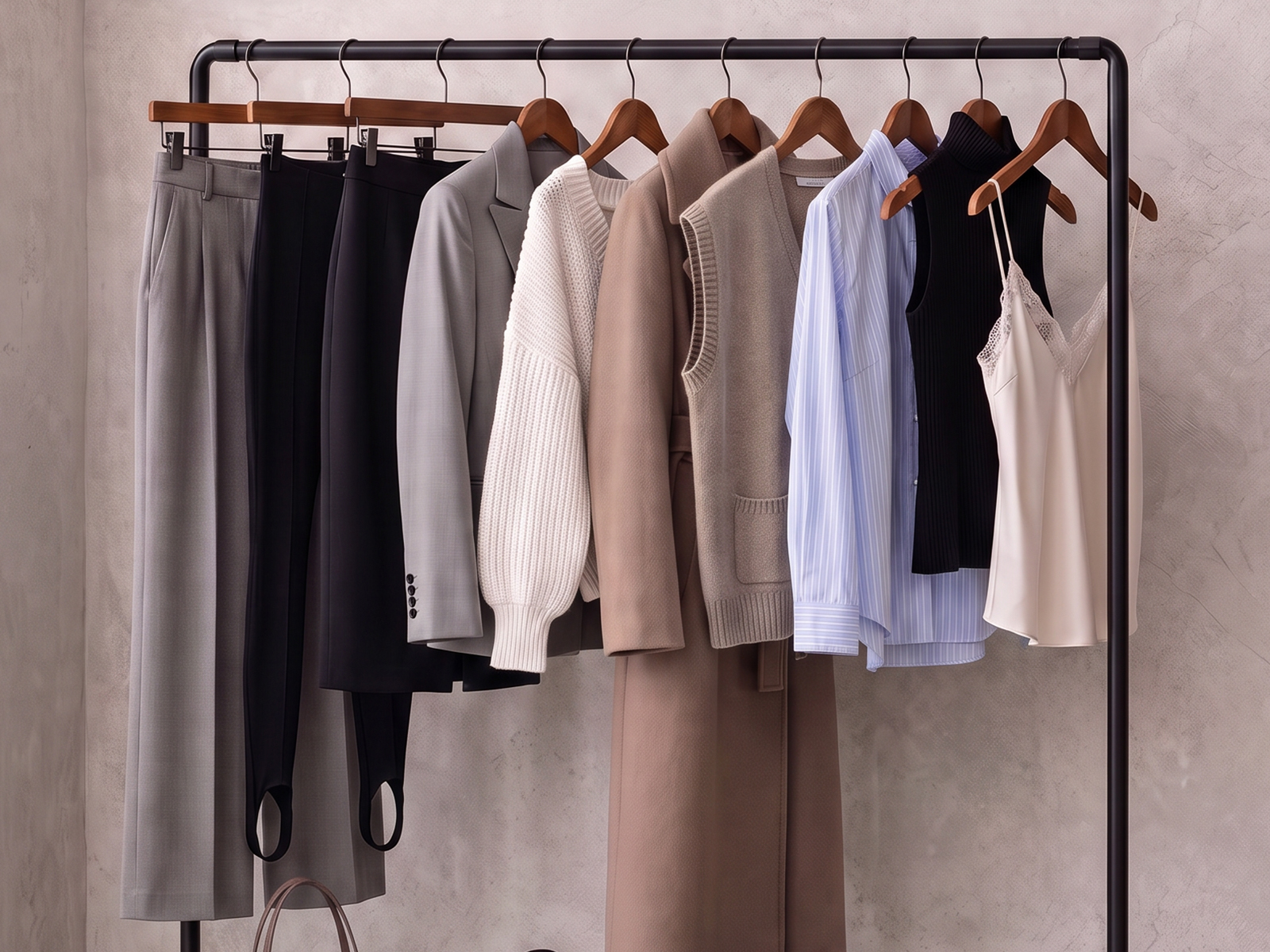
There are moments when a wardrobe suddenly stops feeling as familiar as it used to. The clothes you love are still hanging there, your taste hasn't gone anywhere, but the silhouettes you've always reached for no longer give you that same feeling.
Menopause can be one of those moments. Not because you suddenly need to dress "differently" afterward. And certainly not because your body needs to answer to some other standard.
It's simply that the point from which we look at ourselves shifts.
Which raises a far more interesting question than "what should I wear after menopause?": what do you do when the old rules of your own wardrobe stop working?
Where did the rules of "dressing your age" even come from?
Today it seems almost natural to us that clothing should match one's age. In fact, this is a cultural agreement that used to be far stricter.
In the 19th century, clothing could literally announce what stage of life a woman was in. Youth, marriage, widowhood — each status had its own visual signals. And it wasn't just about the cut: color, fabric, the amount of decoration, and how much neck and arms were left bare all carried meaning.
White, for instance, gradually became associated with a young bride after Queen Victoria's wedding in 1840. Black, meanwhile, could mean something else entirely: for a widow, it became part of an elaborate mourning protocol. After the period of deep mourning, a gradual shift toward gray, lavender, and muted purple tones was allowed.
In other words, color could tell you something about a woman before she'd said a word herself.
And the system worked both ways: clothing didn't just dictate what an older woman was "supposed to" wear — it also kept a younger woman from appearing older than her status. Fashion was constantly drawing a line between "not yet" and "no longer."
Today those boundaries have loosened considerably. But the underlying idea — that at a certain point in life a woman should move into a different category of clothing — hasn't disappeared entirely.
Which is why the question "what am I allowed to wear now?" isn't especially productive.
A far more interesting question to ask is: which of the things I love actually works best today with my proportions, my lifestyle, and how I feel in my own skin?
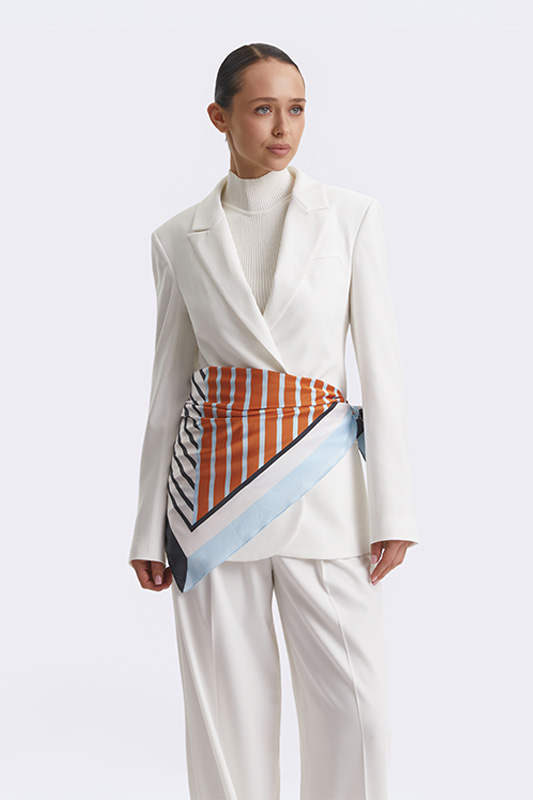
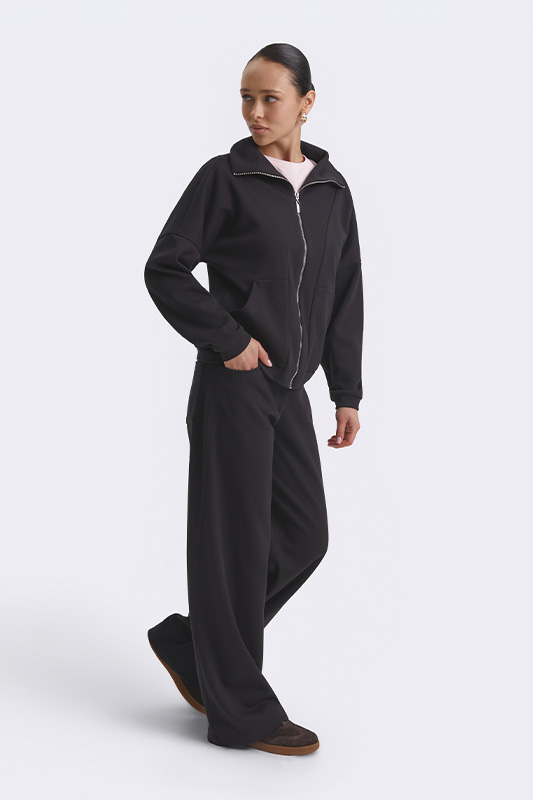
There's no universal formula after menopause
The body changes throughout life. It's just that at certain periods, those changes become more noticeable, and the clothes you're used to stop behaving the way they used to.
But that doesn't mean everyone needs the same formula.
Some women want more structure in a jacket. Others prefer softer fabrics and a looser fit. Some find they love how a straight silhouette looks on them now, even though for years they always cinched their waist.
And here it's important not to start dressing by a checklist of "what hides flaws." Because that kind of list assumes something was wrong with your body to begin with. Instead, you can look at it as a new composition.
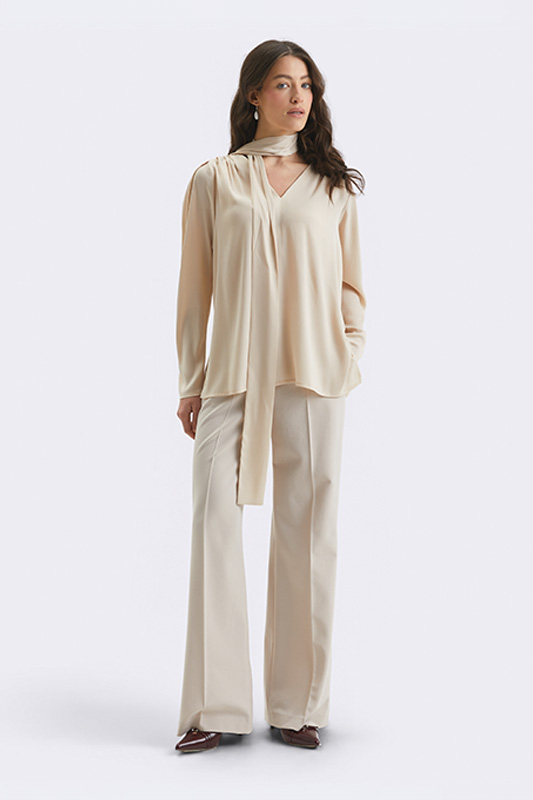
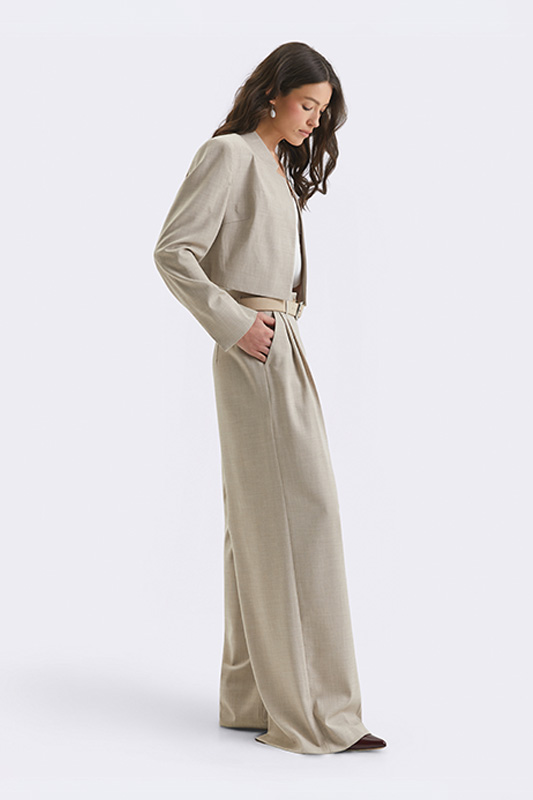
Proportions don't need fixing — they can be rethought
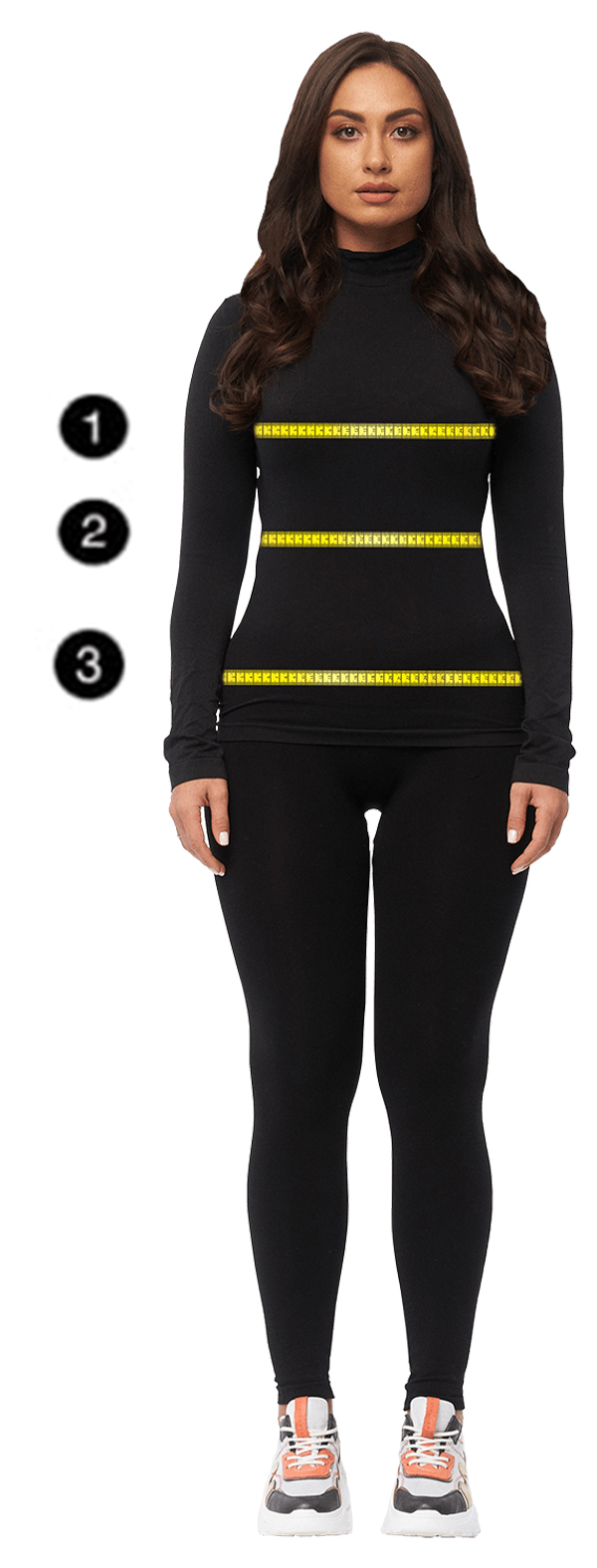
Clothing, together with the body, creates a certain geometry. The line of the shoulders, the length of a jacket, where a skirt ends, the rise of a pair of trousers — all of it changes the balance between parts of the silhouette.
So sometimes the issue isn't that a piece has become "too small" or "too big." It may simply need a different shape.
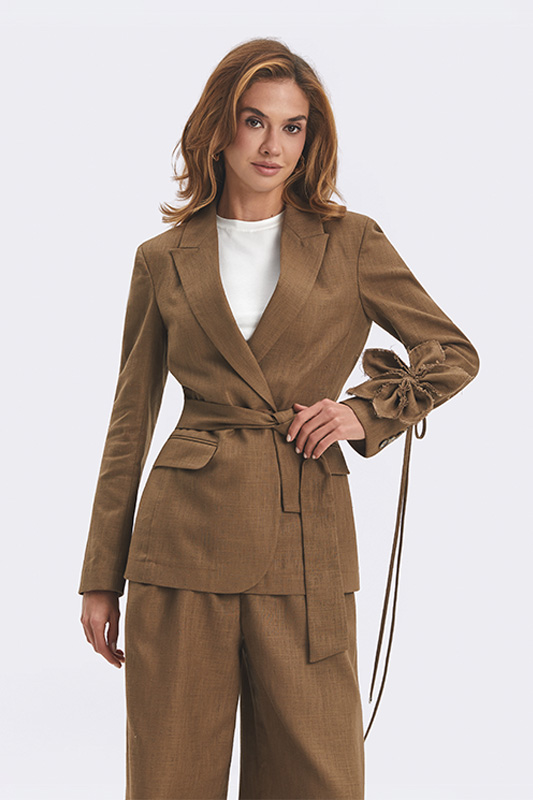
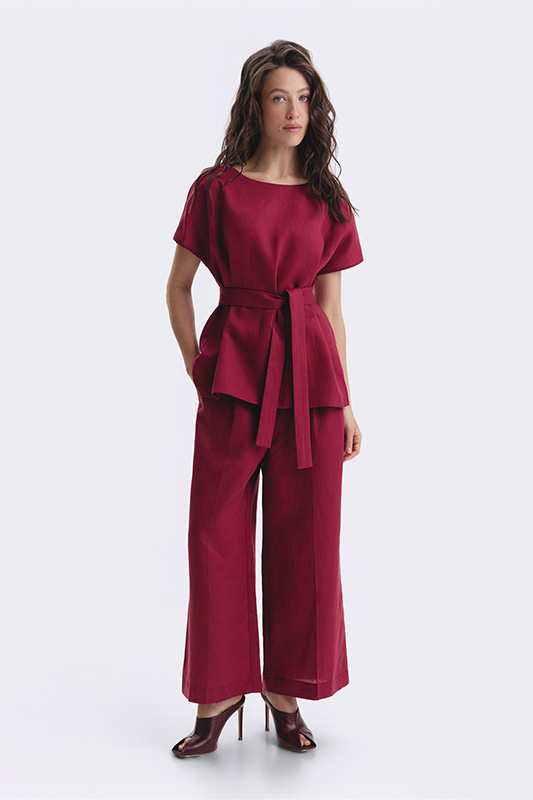
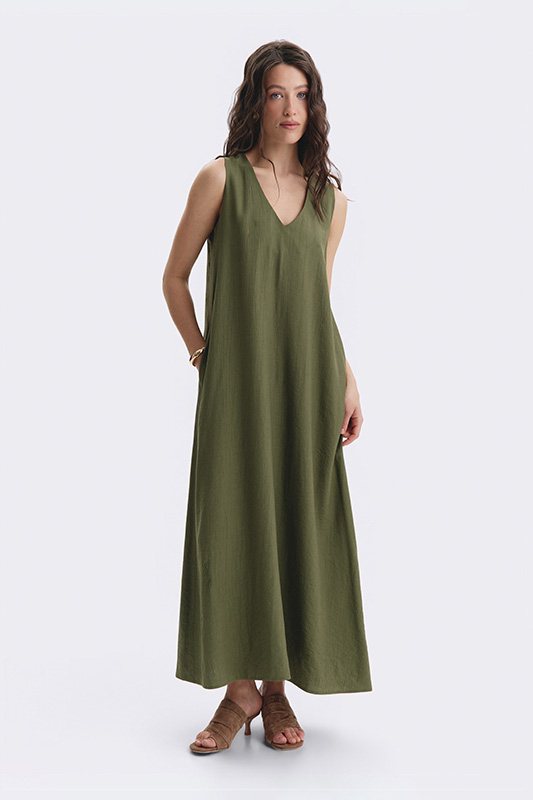
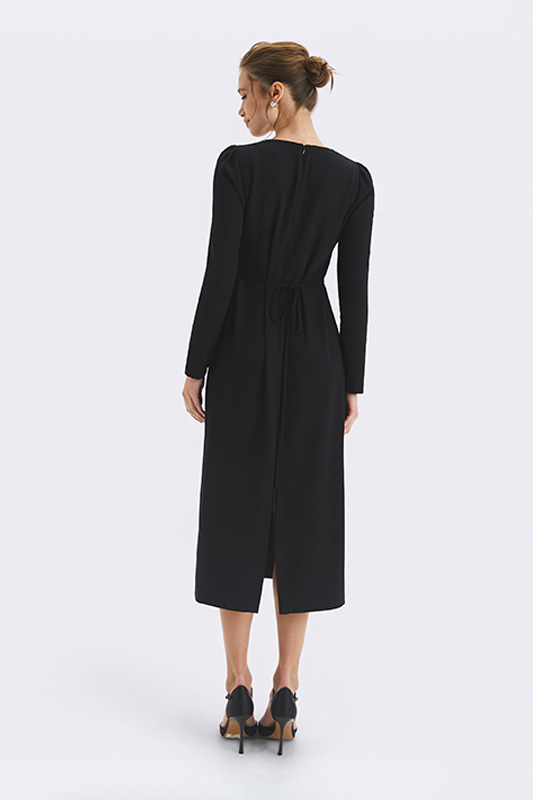
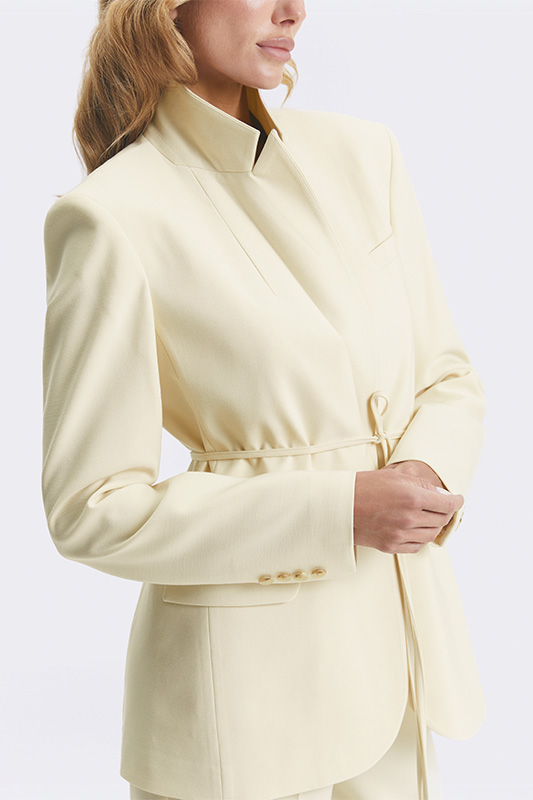
A jacket of a different length can rebalance your proportions. A sharper or softer shoulder line can change the upper part of your silhouette. A dress with the waistline placed differently can give an entirely different sense of the figure.
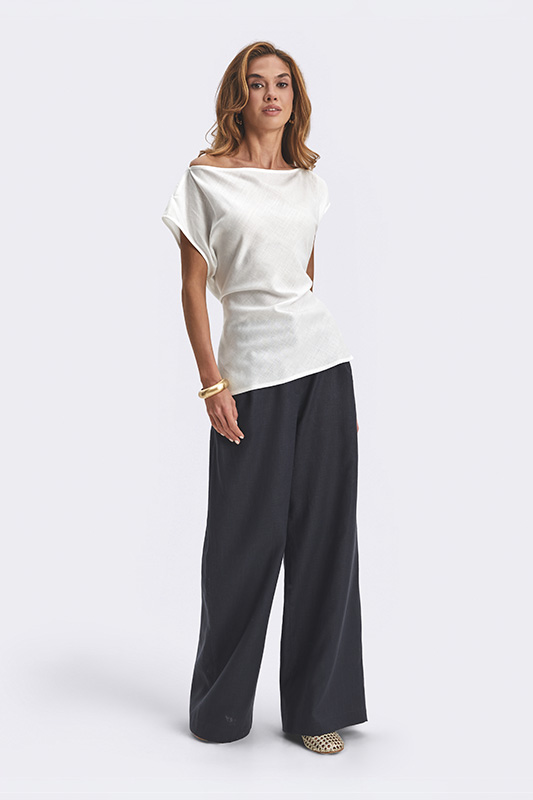
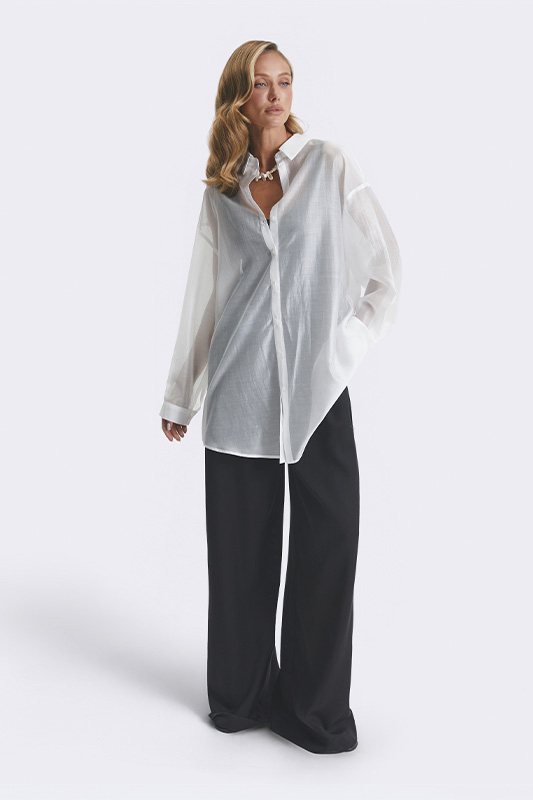
The same goes for trousers: rise, leg width, length — details that can transform a look more than the size itself ever could.
Which is why the size on the label doesn't always guarantee that a piece is right for you. What matters far more is how its lines run and how they move with you.
Not every change calls for more volume
When familiar proportions shift, it's tempting to take the easiest route and start buying looser-cut clothes. Sometimes that's exactly what's needed — but not always.
Extra volume doesn't automatically make a silhouette more harmonious. Sometimes it simply erases it. So instead of automatically sizing up, it's worth looking at where you actually need freedom, and where you need structure.
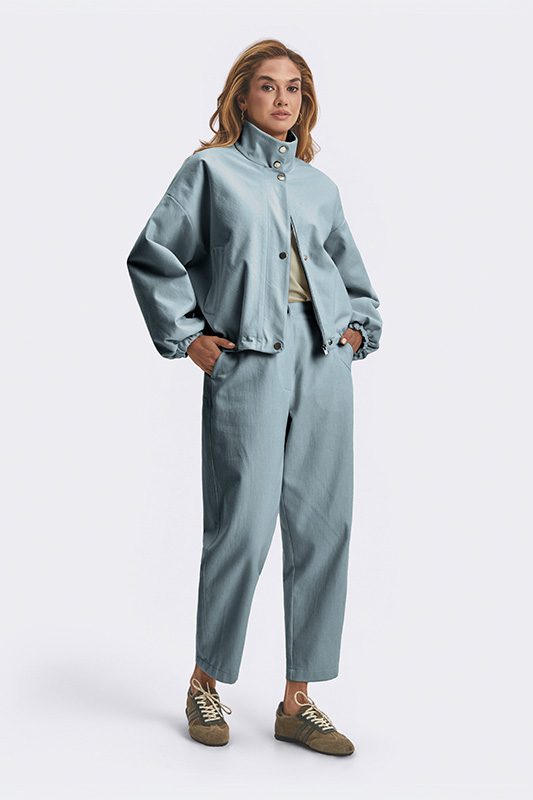
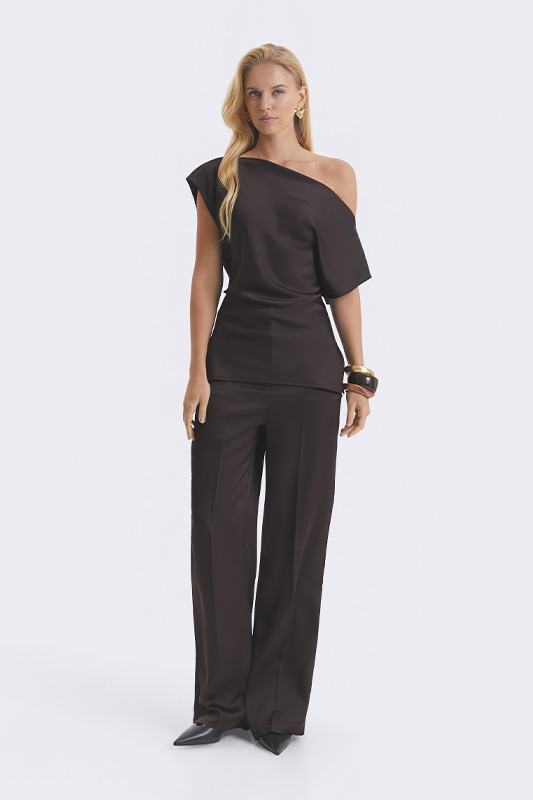
A soft jacket can give you more room without losing its shape. A straight dress can be loose and still stay graphic. Wide trousers can work beautifully if their length and rise are balanced.
The goal isn't to make your clothes as unobtrusive as possible — it's to make them more precise.
Comfort is a style trait too
There are pieces we once chose almost entirely with our eyes: a beautiful color, an interesting texture, a flattering silhouette.
And then it turns out that it's impossible to actually get through a day in this gorgeous piece.
Here, the very criterion for choosing changes. What matters isn't only how a piece looks in front of the mirror, but what happens to it a few hours later.
Does the armhole pull? Does the belt dig in? Do you want to take the jacket off the moment the meeting ends? Does the fabric feel good against your skin?
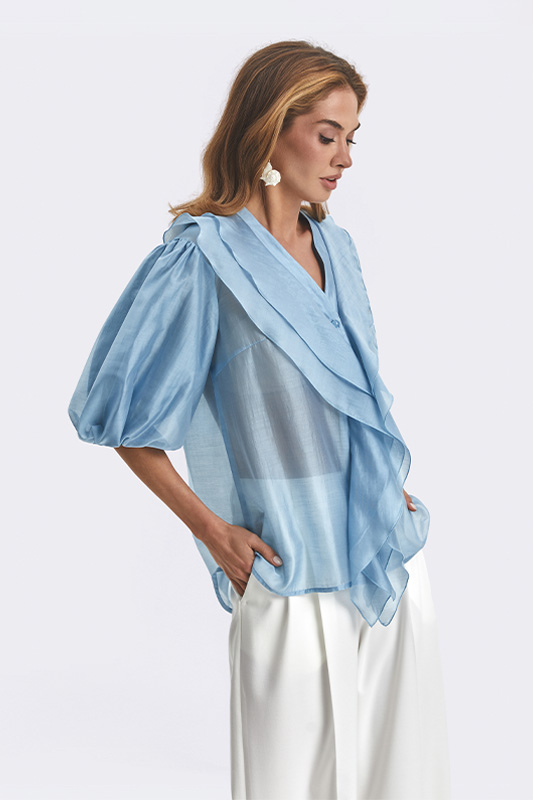
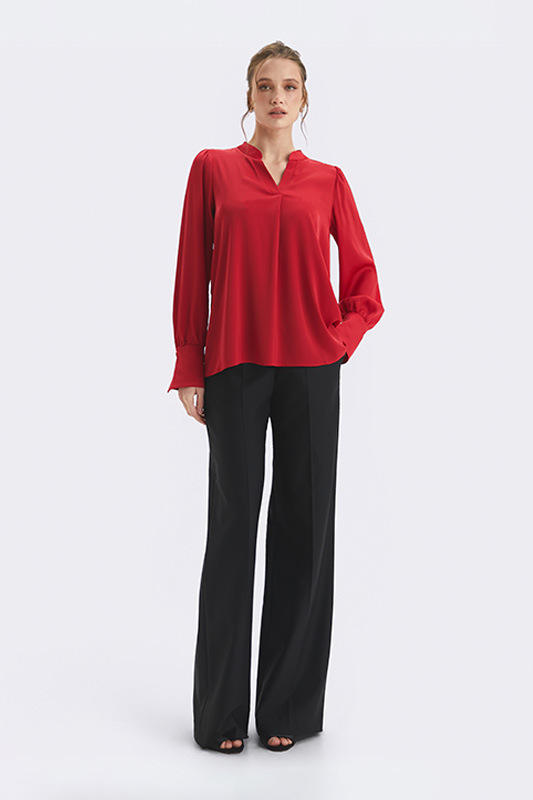
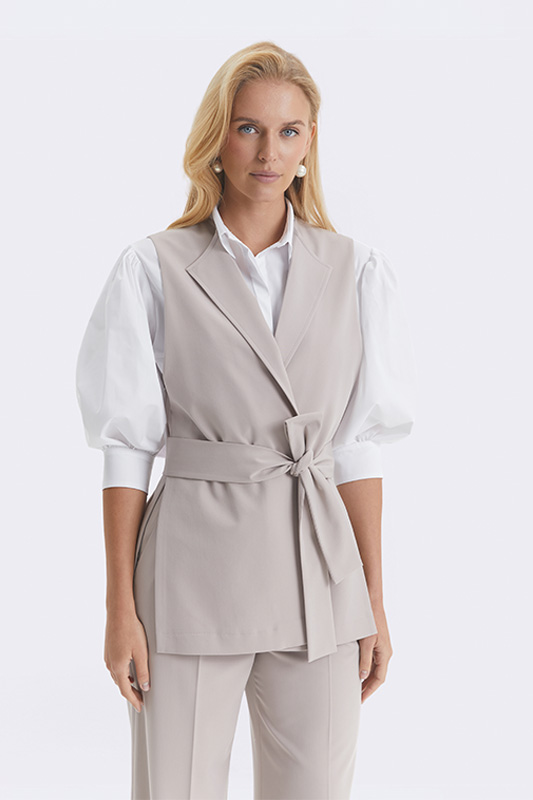
Layering becomes especially relevant here. A light shirt, a jacket, a vest, or a cardigan can not only build a more complex composition but also let you adapt the look throughout the day.
Fabric stops being purely a matter of aesthetics. Cotton, linen, silk, wool, and blended materials all have different properties: some breathe better, some hold their shape, others give you the stretch you need. So "natural" on its own doesn't automatically mean "automatically better" — what matters is knowing how a specific material actually performs in your own wardrobe.
And here, comfort isn't a concession to aesthetics. A piece you don't have to keep adjusting often simply looks better. Because you're living in it, not managing it.
What to reconsider in your own wardrobe
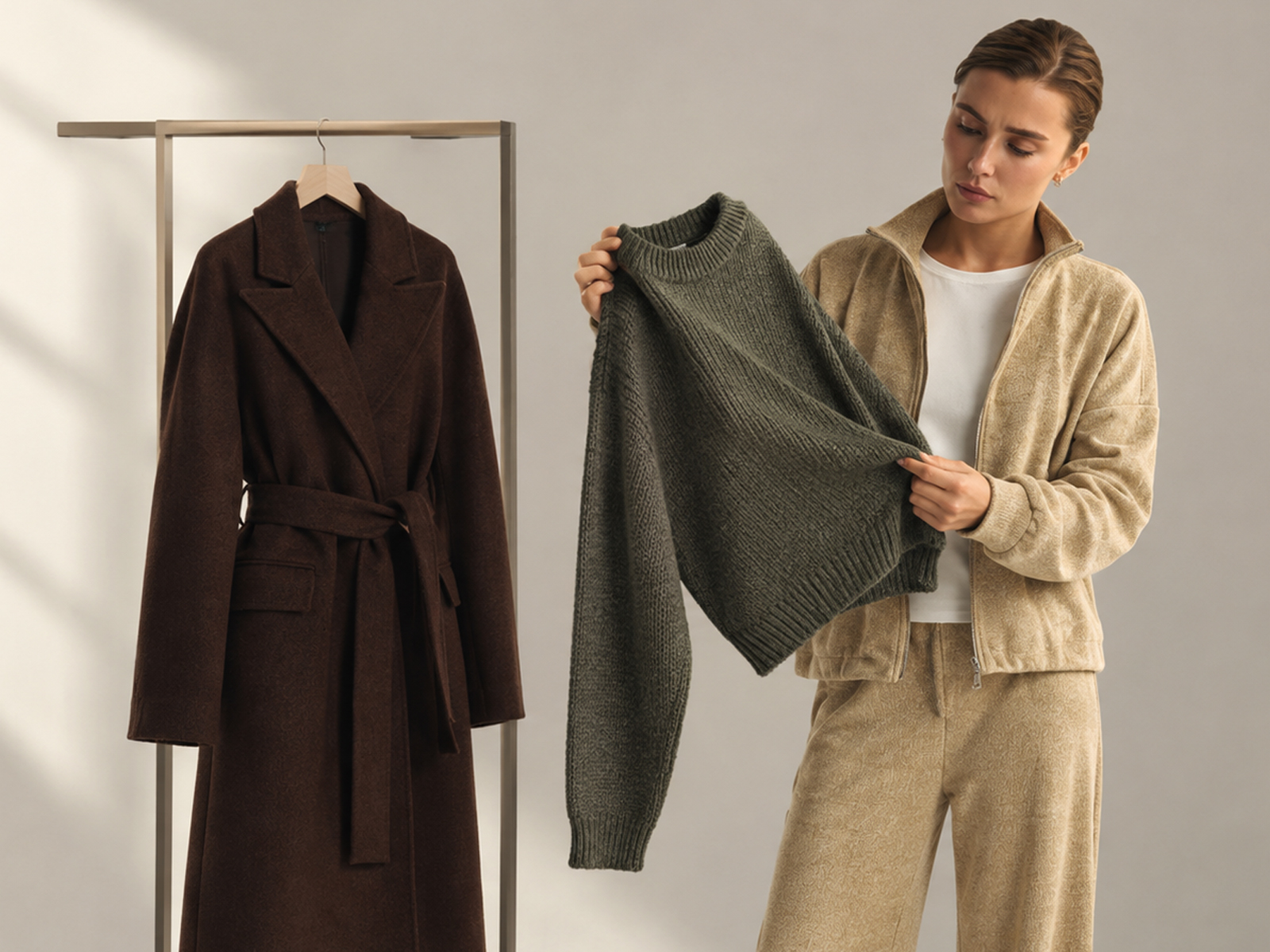
You don't have to start with shopping. First, take a look at what's already hanging in your closet.
Pick a few favorite outfits and check them beyond the mirror.
Fit: does the shoulder seam sit where it should? Does the piece pull when you move?
Proportions: does the current length of a jacket, skirt, or sweater work with your silhouette?
Fabric: does it feel good against your skin all day? Does it match the sense of comfort you're looking for right now?
Movement: can you sit down, raise an arm, walk a few blocks, get into a car — and stop thinking about your clothes altogether?
And one more question worth asking about pieces that have lived in your closet for a while: if you hadn't owned this piece for the past ten years, would you buy it today?
Sometimes the answer says more about how your style has shifted than any trend guide ever could.
Style after 50: a continuation, not a new category
In our article "Style After 50: Elegance Without Compromise", we already talked about freedom from age-based rules — about how the number in your passport doesn't determine the length of your skirt, the color of your dress, or your right to wear contemporary pieces.
After menopause, one more important layer is added to that freedom: you can stop measuring yourself against who you used to be.
You don't need to restore your former proportions through clothing. You don't need to hide the changes. And you don't need to invent some new "mature" wardrobe for yourself either.
It's simply worth looking more closely at who you are today — at what you love, what feels comfortable, which silhouettes still work, and which no longer do.
In the end, style doesn't mature by becoming more restrained. It matures when it stops requiring a woman to match someone else's idea of how she should look.