"I can't dress like that anymore." It's striking how early many women start thinking this phrase.
Sometimes it happens even before any real change in appearance. Sometimes it's simply "how things are done." And sometimes it's fear of looking "age-inappropriate."
And gradually, the wardrobe becomes very correct. And very foreign.
Back in the 20th century, women past a certain age were literally expected to show "restraint" in their clothing. Dark colors, tidy suits, short hair, minimal visibility. Fashion was built for a long time around the idea that maturity should be concealed, not emphasized.
Perhaps that's exactly why women like Iris Apfel are so admired today. She never tried to look younger. She simply allowed herself to be vivid.
And that is far more powerful than any "rules of age."
1. Looks that are too "correct"
Sometimes it's exactly these that add the most years.
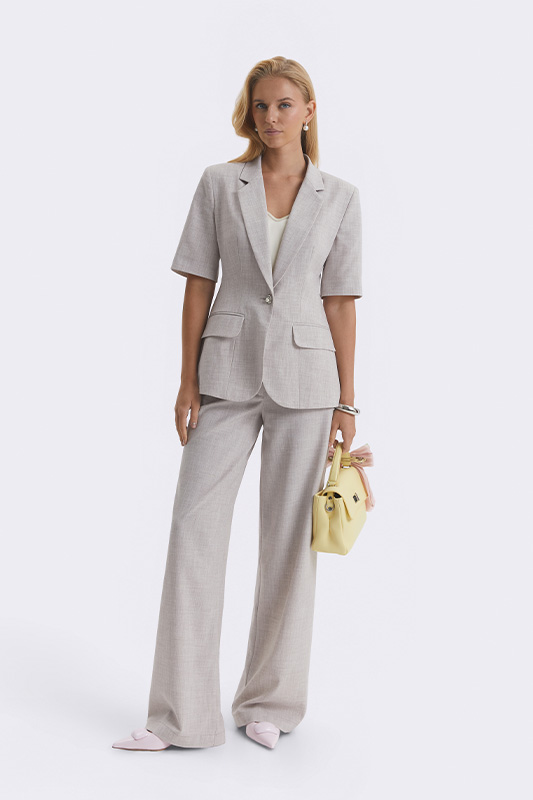
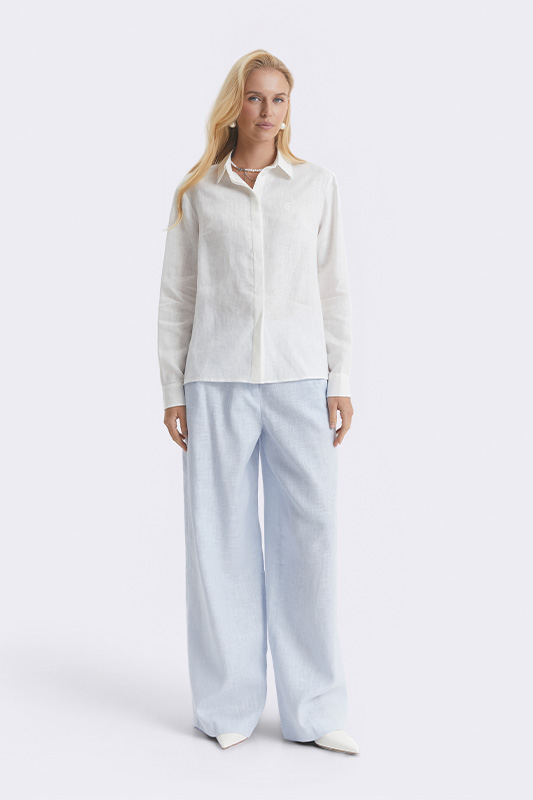
A perfectly buttoned jacket, "safe" shoes, a neat bag — and not a single lived-in detail. The look stops feeling stylish and starts feeling overly effortful.
"A wardrobe is often missing not pieces, but ease," says Natali Bolgar stylist Anastasia.
Sometimes it's enough to loosen the silhouette a little. Roll up the sleeves. Add modern shoes. Leave some air between the body and the fabric.
2. Outdated proportions
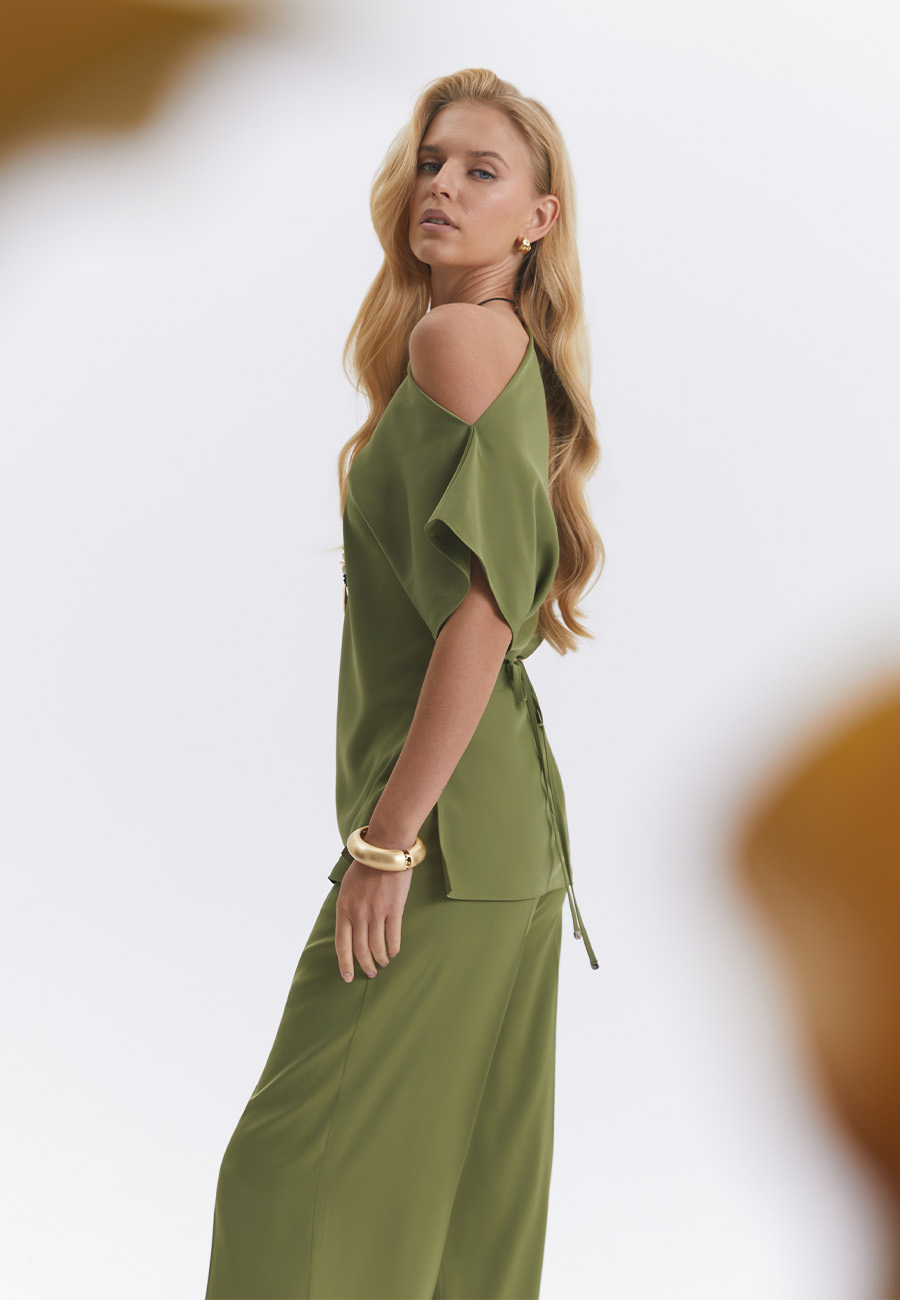
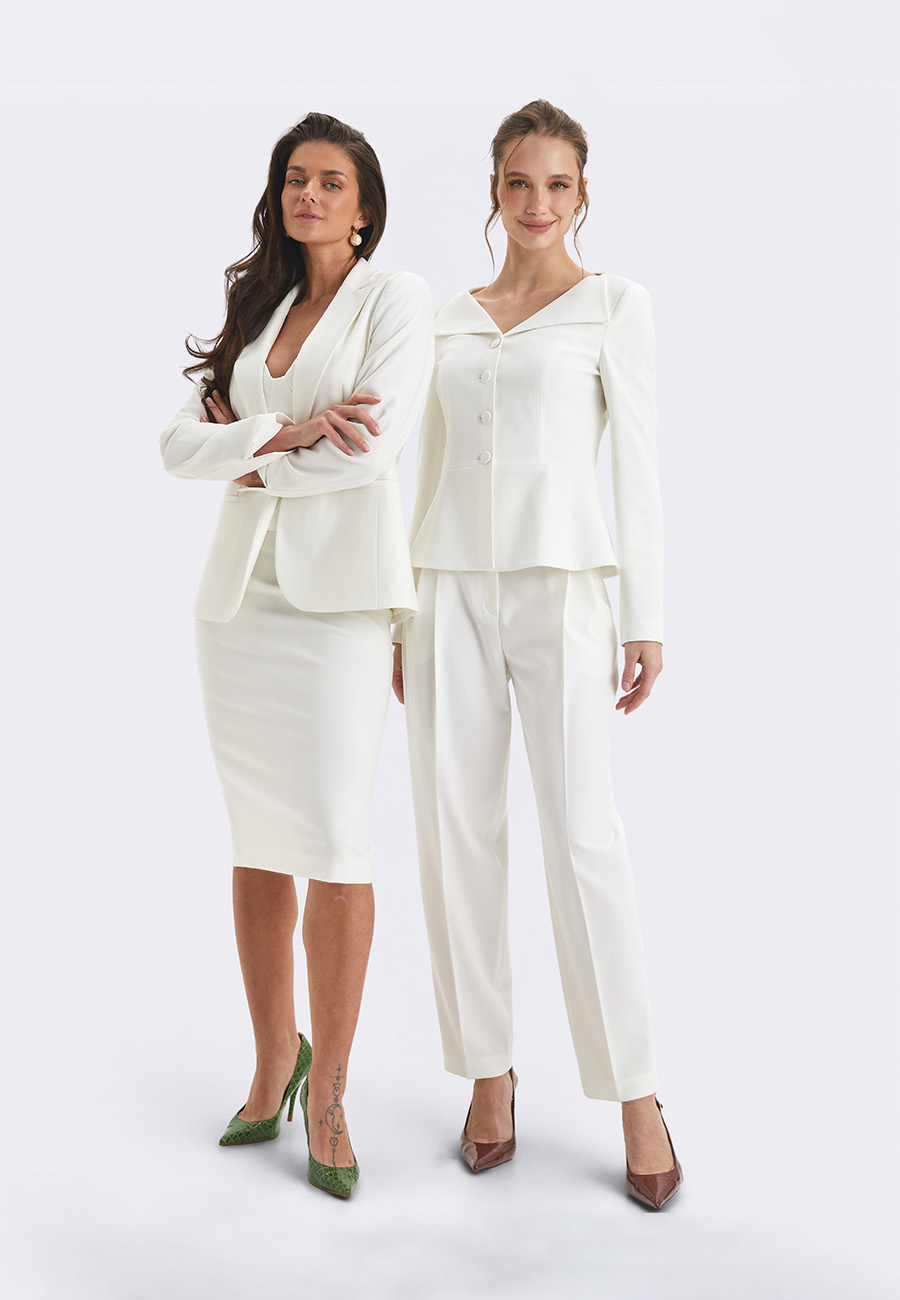
A fitted top with a very narrow bottom was considered a "safe" choice for years. But fashion has long since changed its proportions. And the silhouette along with it.
When an entire look clings too tightly to the body, it rarely reads as modern. What works far better instead: balanced volumes, clean lines, fabric that moves.
3. Pieces that look tired
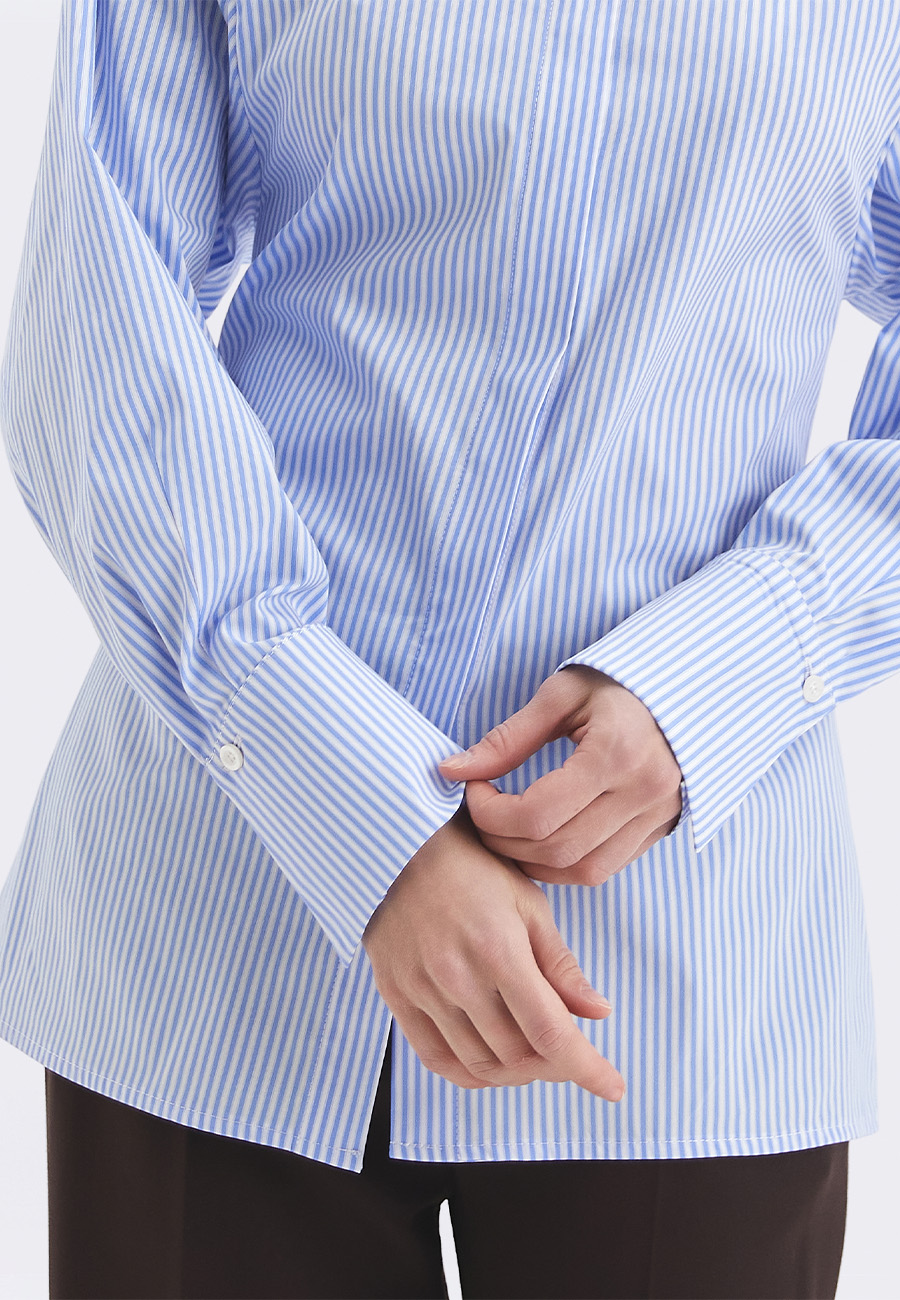
Even a flawless look stops working the moment the fabric looks worn out.
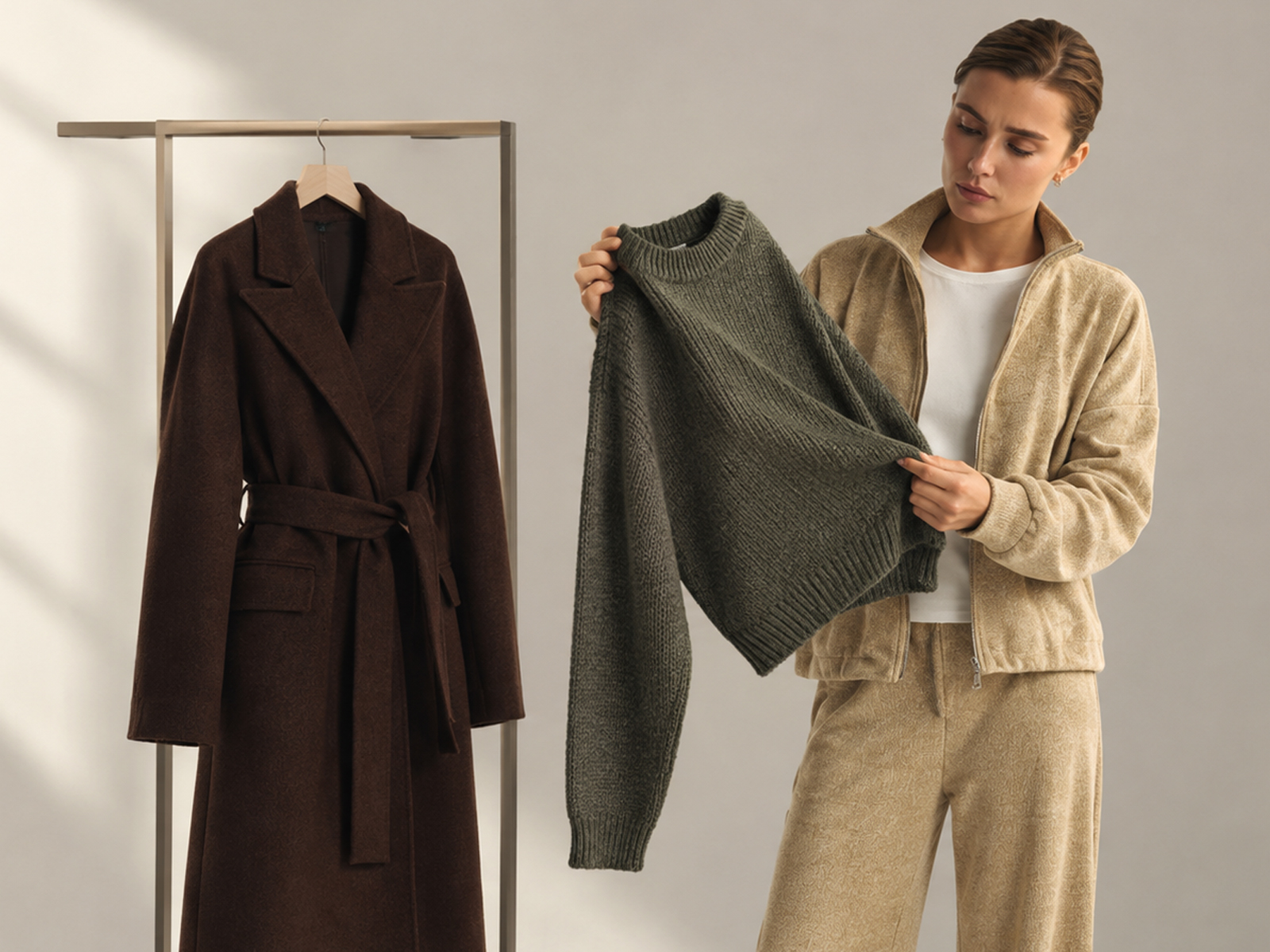
Pilling knitwear. Stretched-out shoulders. Faded black. Thin, "lifeless" jersey.
Sometimes a single piece like that is enough to ruin the entire look.
4. Relying only on black
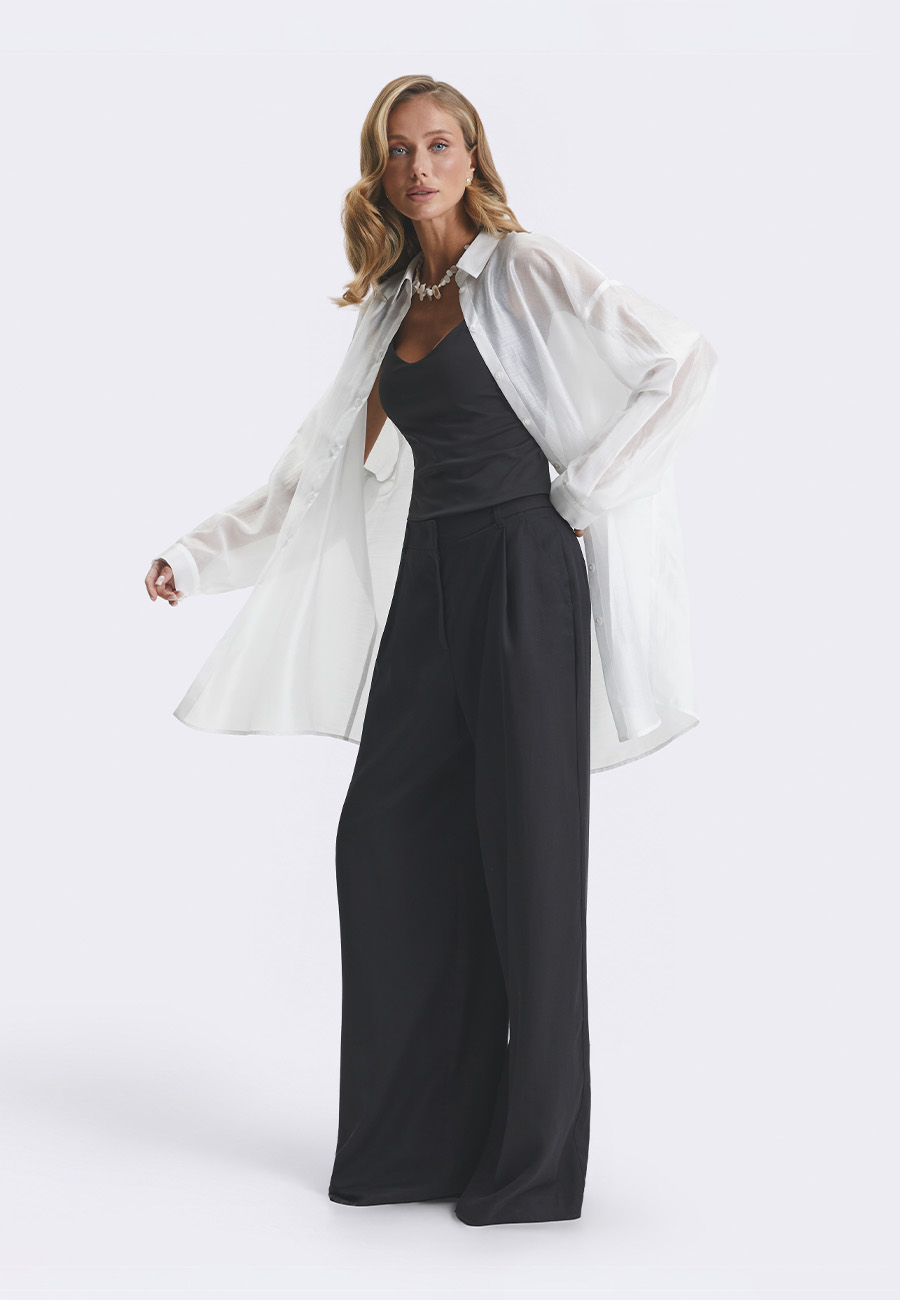
Black can genuinely look expensive. It can also look harsh — especially near the face.
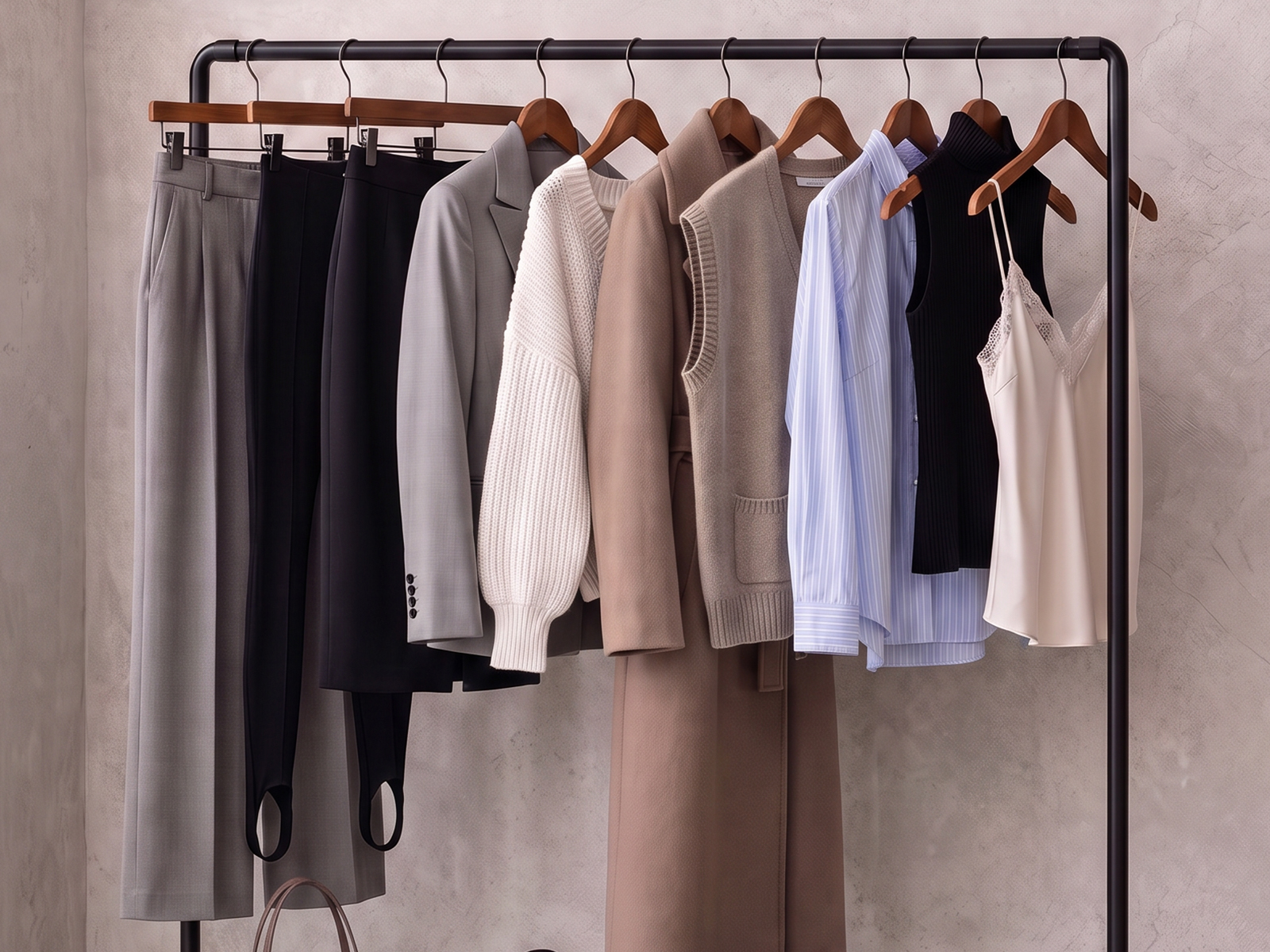
With age, many women intuitively start avoiding color and retreat into black. But complex shades are often far more interesting: chocolate, graphite, deep blue, milk, olive.
Not brighter. Deeper.
5. Clothes "the way you should"
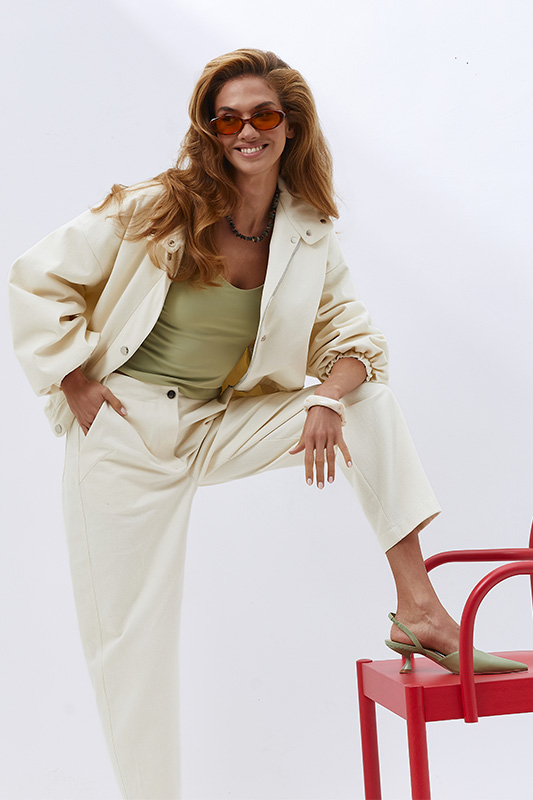
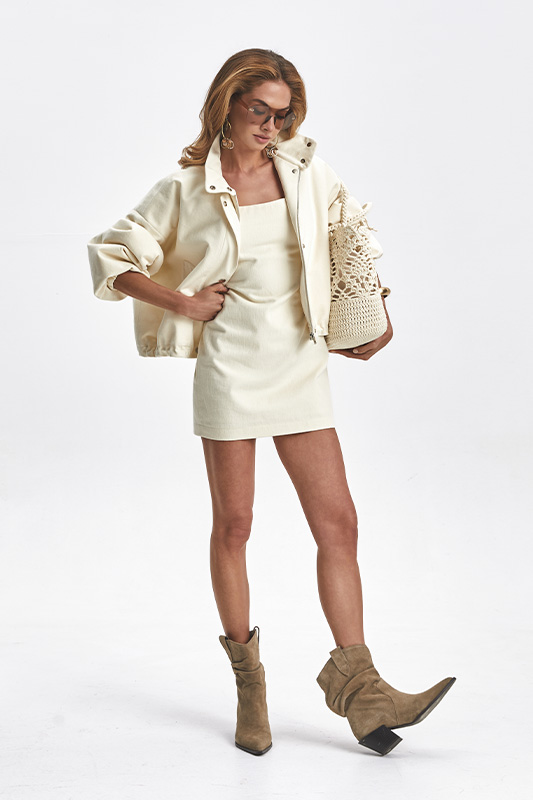
There are outfits where it's immediately obvious: the woman didn't dress beautifully, she dressed correctly.
A "decent" skirt length. A "safe" blouse. Shoes that draw no attention whatsoever. And this is often exactly what adds years.
Style rarely thrives where everything is built around the fear of making a mistake.
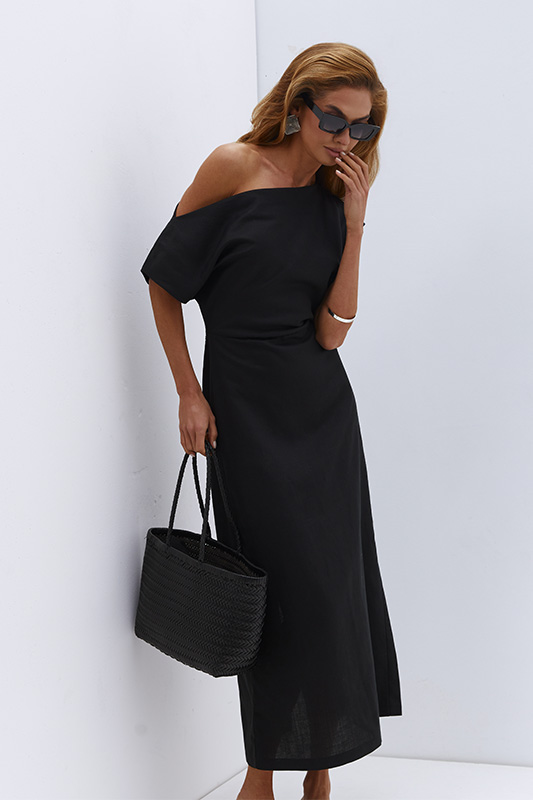
6. Ignoring the details
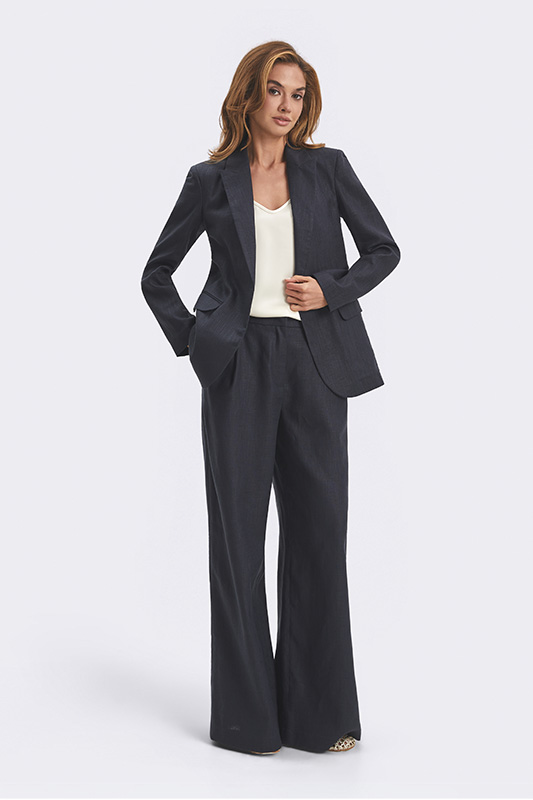
The shape of the shoe's toe. The length of the trousers. The fit of the jacket.
It's often exactly these details that determine how modern and current a look feels.
"Sometimes just changing the fit of a jacket or the length of the trousers is enough — and the silhouette suddenly looks completely different," Anastasia says.
You can wear basic pieces and still look current.
Or you can buy a new jacket and style it as if it's still 2012 outside.
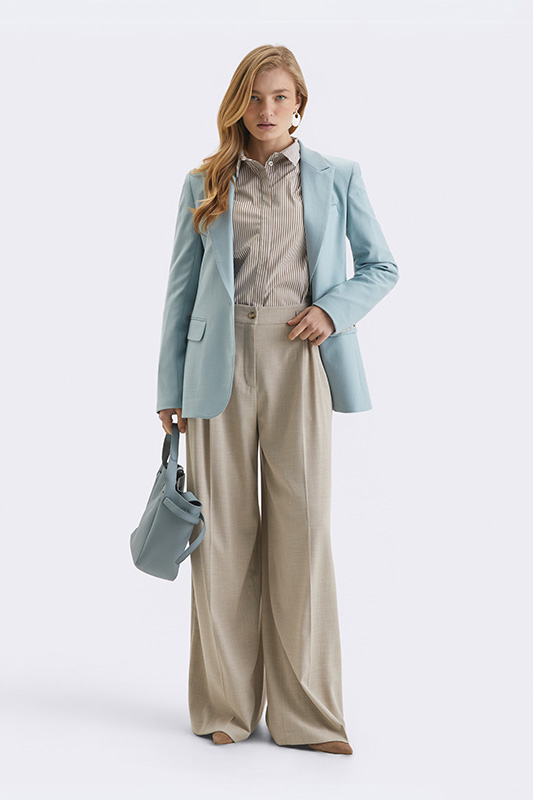
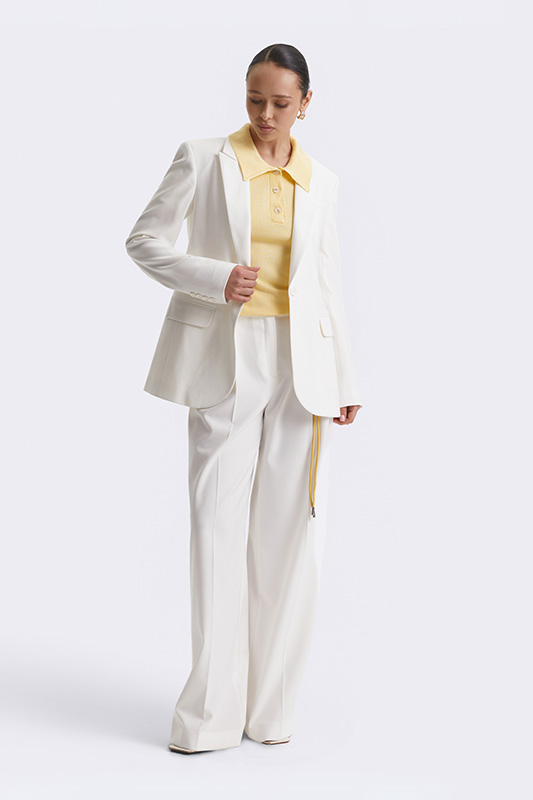
7. Basics styled the old way
A white shirt. Jeans. A trench coat.
The problem is rarely the pieces themselves. The issue is how they're combined.
Basics change too. Or rather — the way they're worn changes.
This is exactly why modern minimalism has had such an impact on fashion in recent years. Not through new pieces — through new proportions and styling.
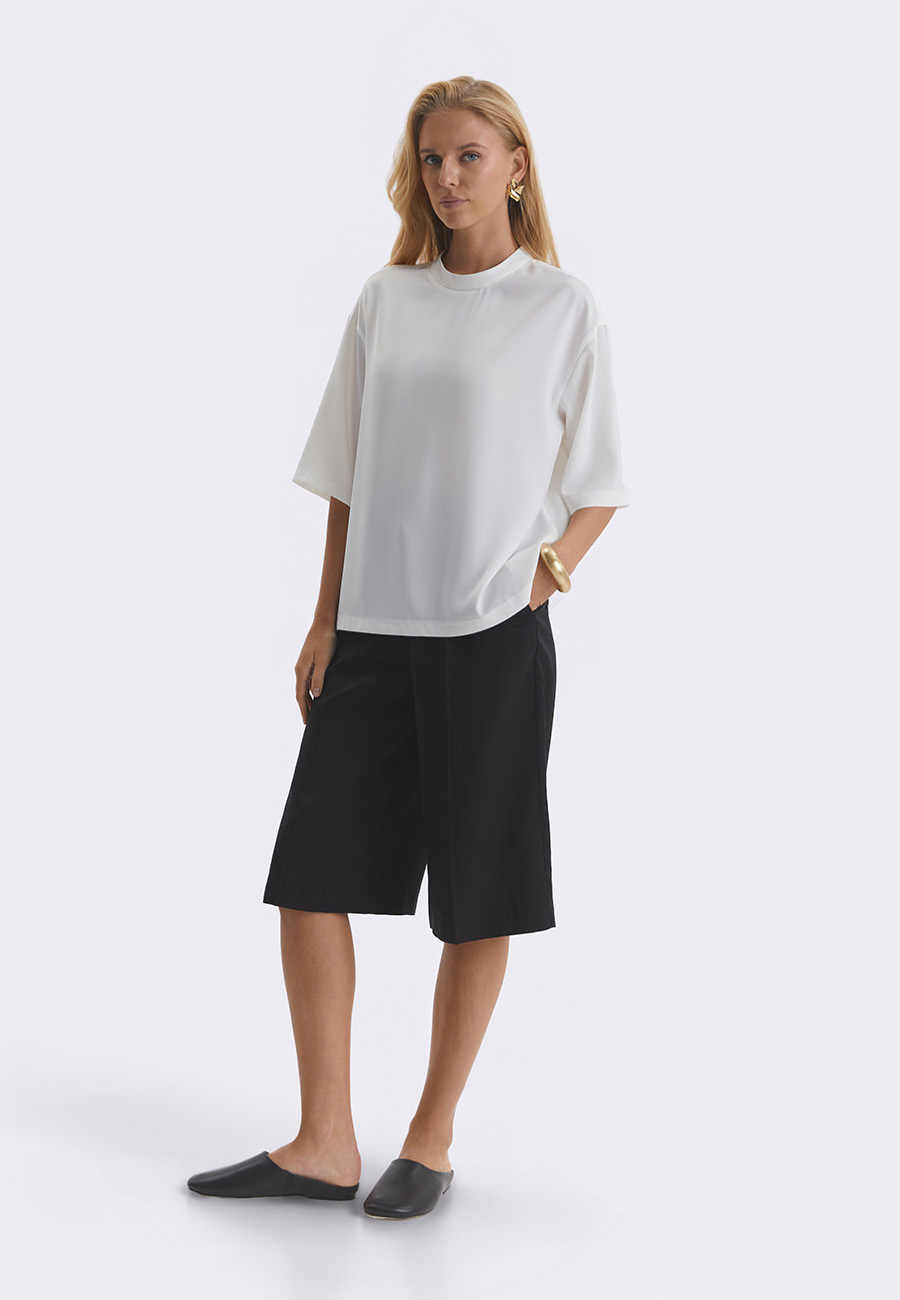
8. Too much classic
Classic pieces without contrast often start to feel predictable.
That's exactly why even very elegant women mix styles today: a suit with sneakers, a sharp jacket with denim, silk with rough leather.
Look at Linda Wright — her style is built precisely on this balance.
Not on "looking younger." On living contrast.
9. A lack of texture
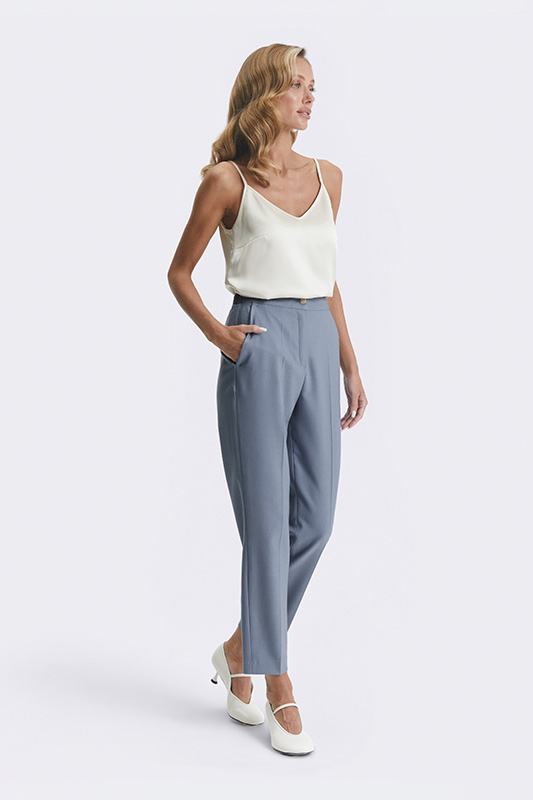
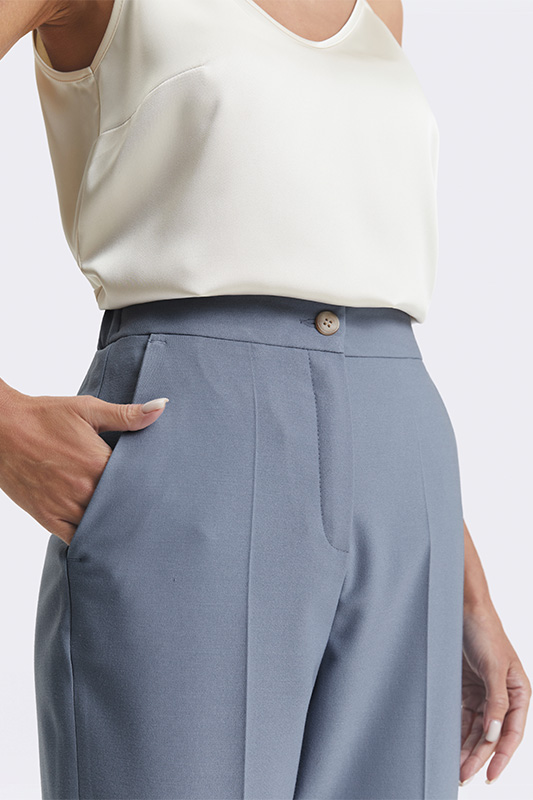
Sometimes a look feels flat simply because it has no depth of materials.
Cotton next to silk. Wool next to smooth leather. A structured jacket and soft knitwear.
Texture almost always makes a look richer and more expensive — even in a very quiet palette.
10. Fear of looking modern
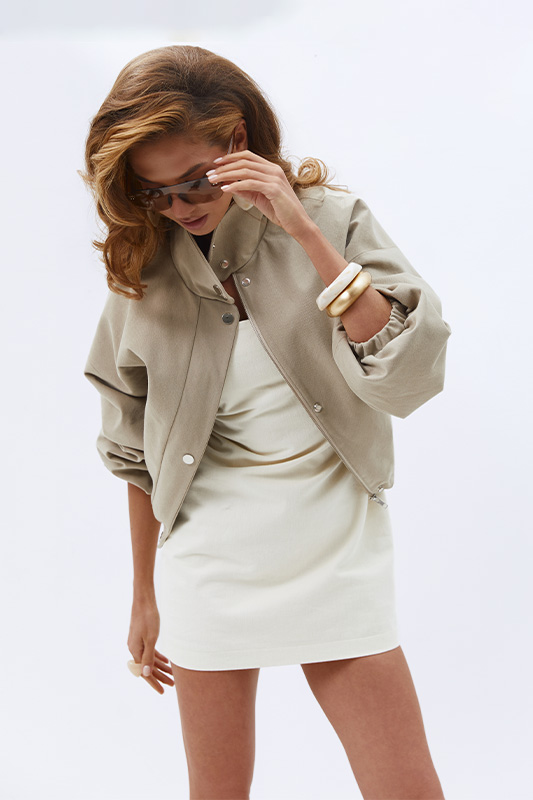
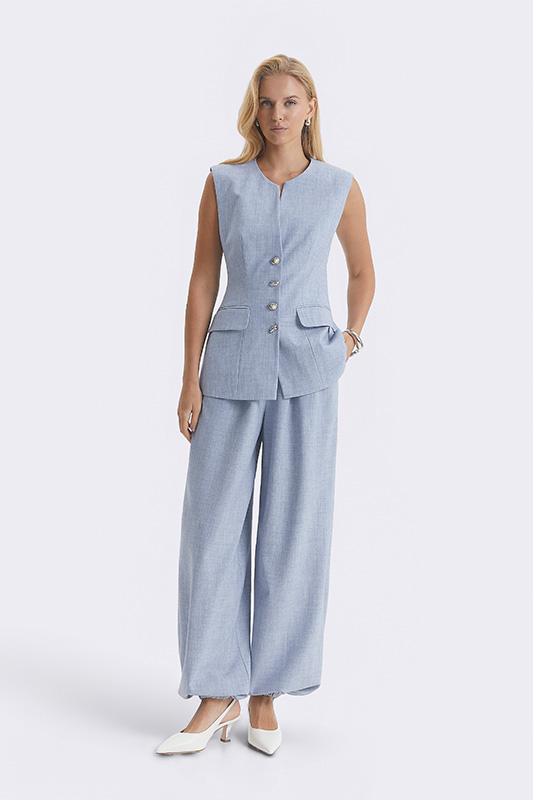
Perhaps the most dangerous mistake of all.
"I'm just used to it this way."
"It's more comfortable for me this way."
"I've worn it this way my whole life."
And style freezes in place. Though being modern isn't about age. It's about staying interested in who you really are.
This is exactly why women like Maye Musk or Anna Dello Russo carry such presence. They don't try to look younger. They look current for their time. And honest in their style.
A good wardrobe almost never chases trends in a panic. But it does pay close attention to itself.
This is often the very foundation Natali Bolgar collections are built on: clean lines, modern proportions, pieces that don't "mask" a woman — but let her remain herself.
Style has no age. Fear, on the other hand, very often does.