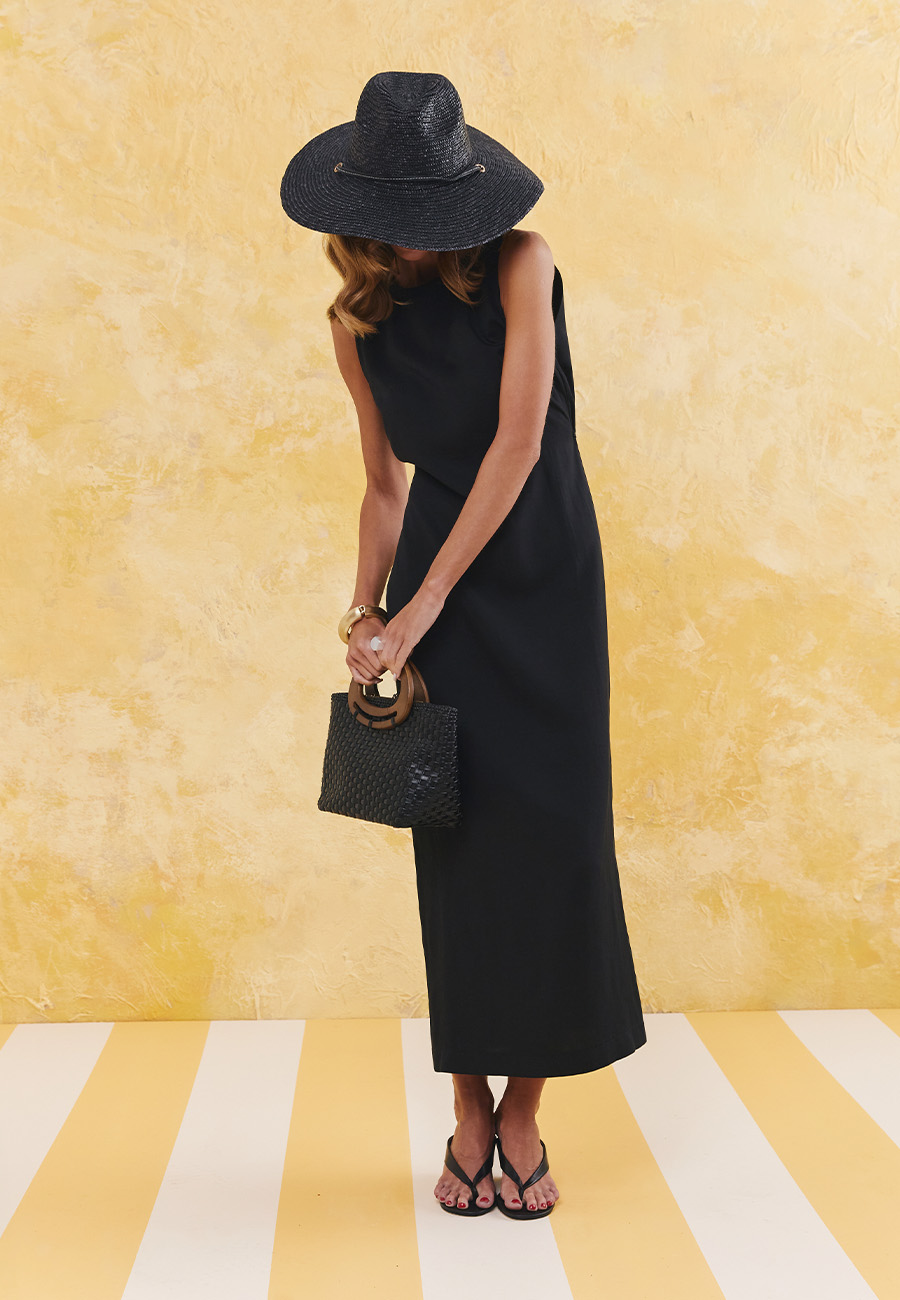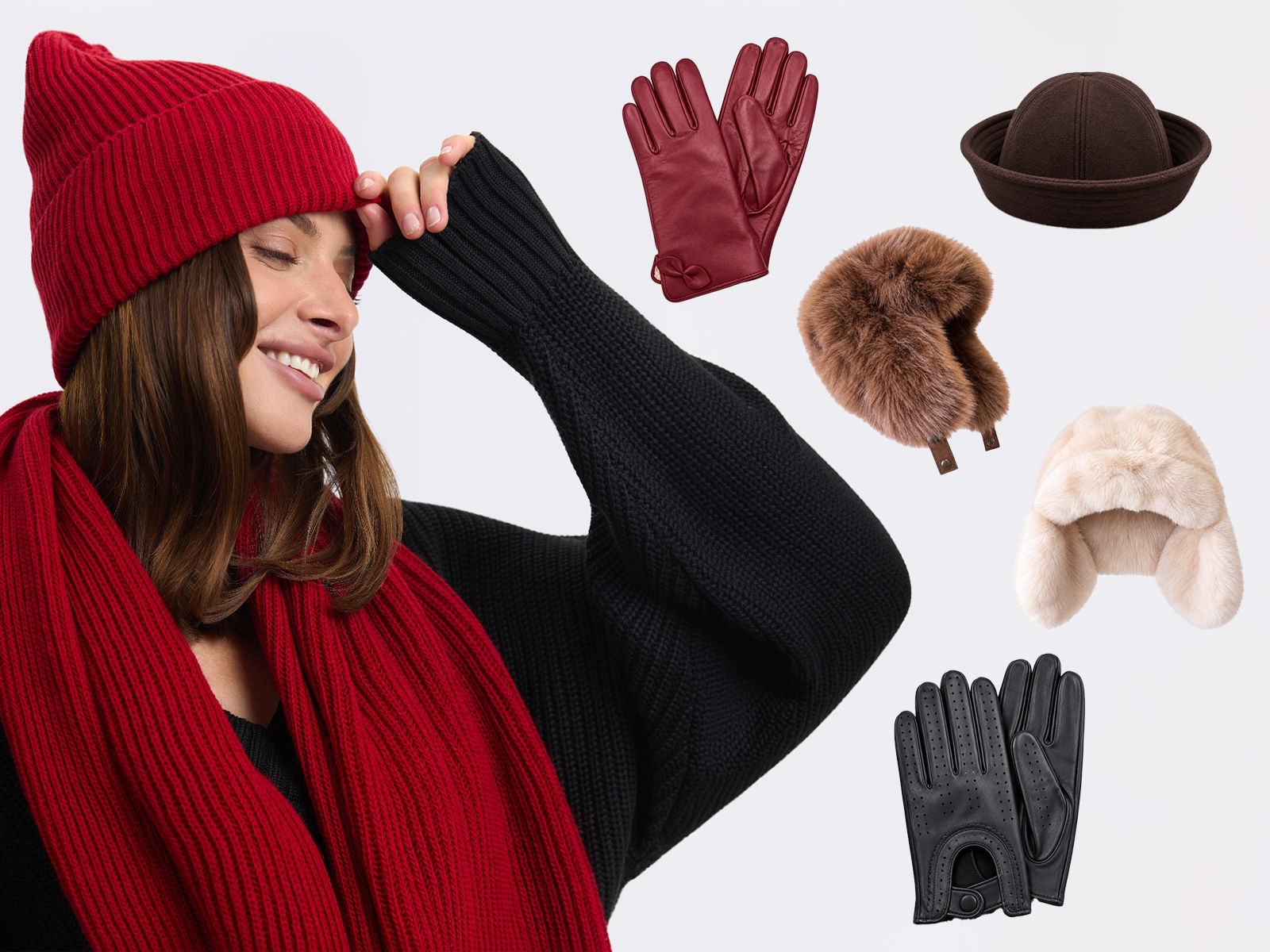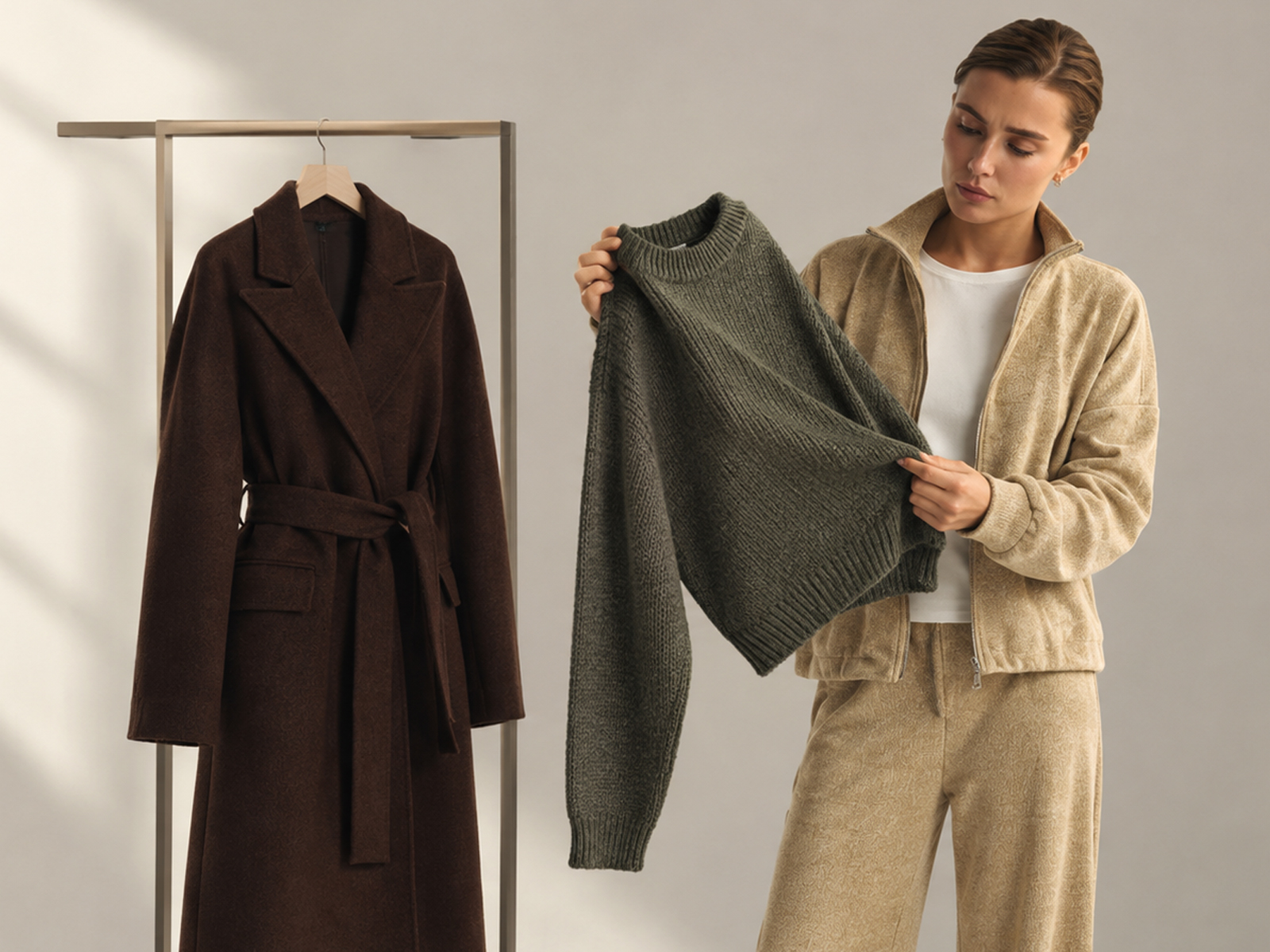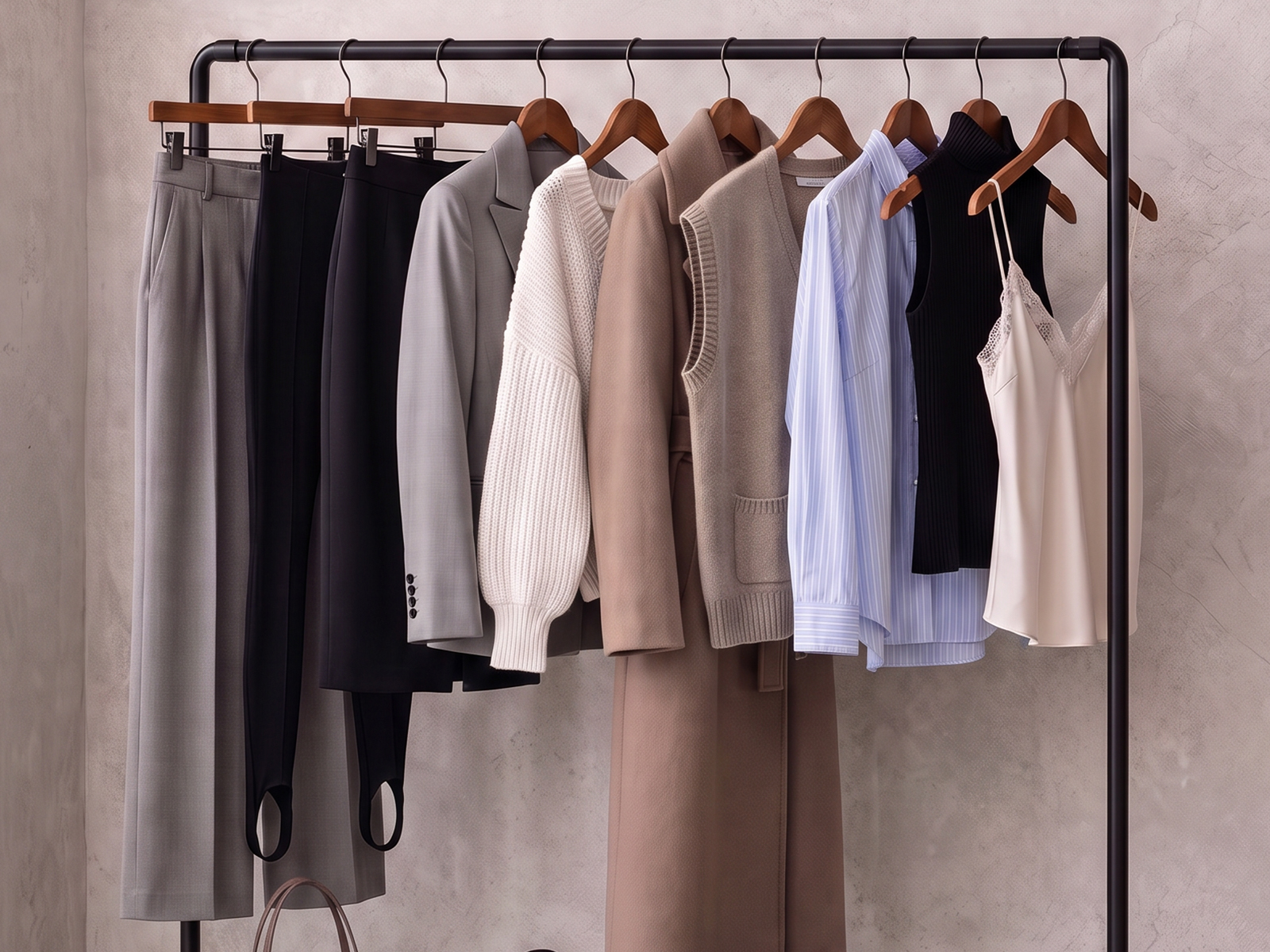
There's a myth that after 40, a woman should become "more restrained": give up minis, bright colors, and clothes with character. And her hair — inevitably shorter.
Interestingly, most of these "rules" were invented by people who have nothing to do with the world of fashion and style.
Because the real issue after 40 isn't age. It's that the ways you used to dress suddenly stop working.
What looked effortless just a few years ago can now suddenly make you look tired. Or, on the contrary, create the strange impression that a woman is desperately trying to look younger.
And this is exactly where many women make a mistake — hiding behind a false sense of "respectability".
When a wardrobe starts to age
Some things age you more than wrinkles do:
- an outdated cut;
- a poor fit;
- "tired" fabrics;
- shapeless bags;
- jackets that look like they walked straight out of a 2007 office.
Youth really does forgive imprecision for a long time. Later, it doesn't.
That's exactly why Natali Bolgar stylist Anastasia advises starting not with radical changes, but with an audit of the basics.
"Very often, it's enough to swap out a few pieces for more current silhouettes — and the whole wardrobe suddenly looks completely different," she says.
Not more pieces. Better pieces
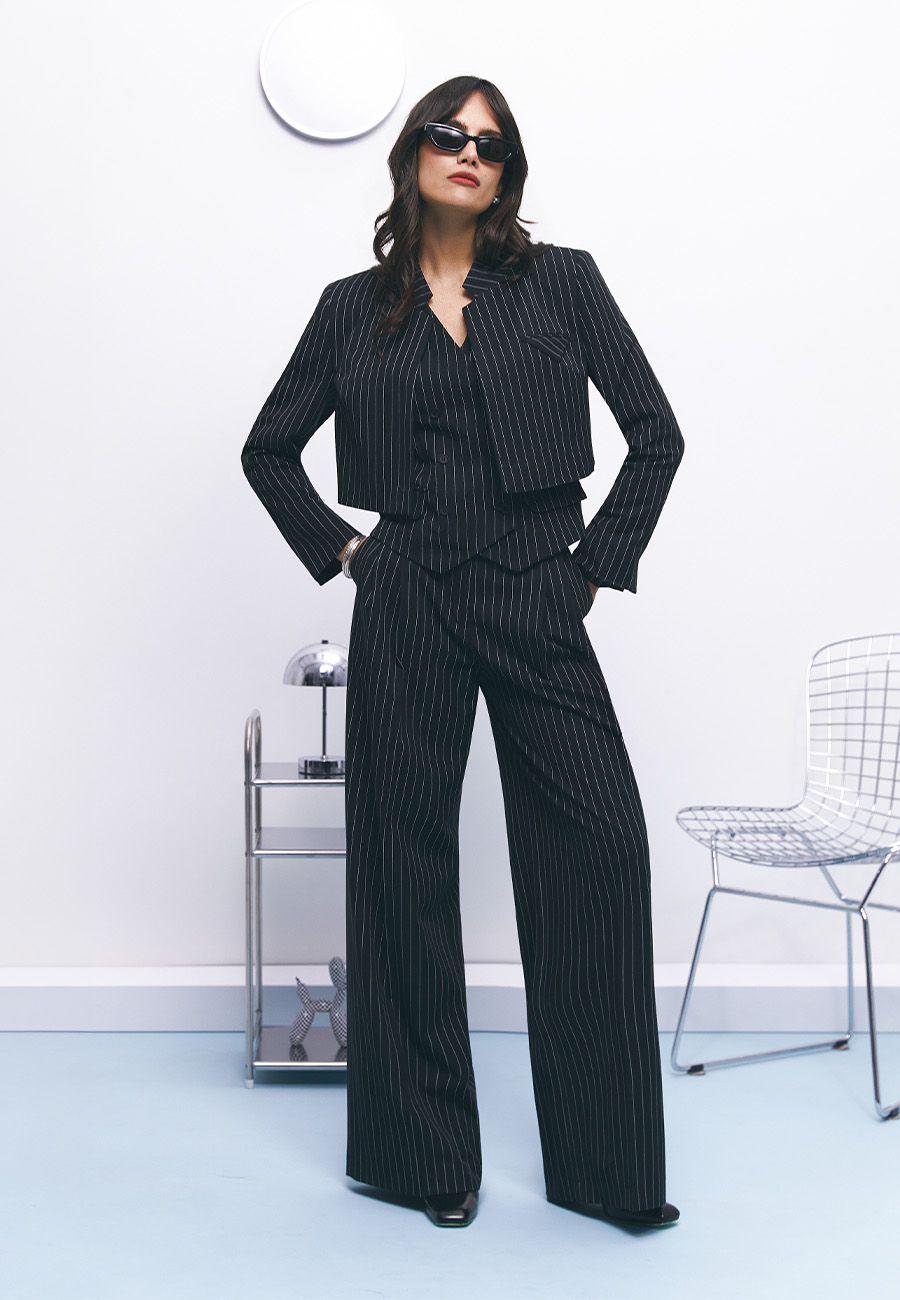
At a certain age, style suddenly stops being about quantity. And becomes about choice.
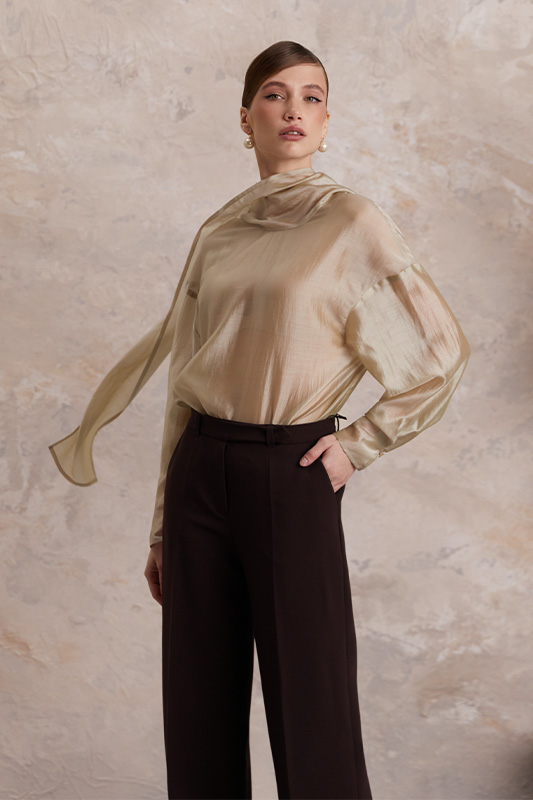
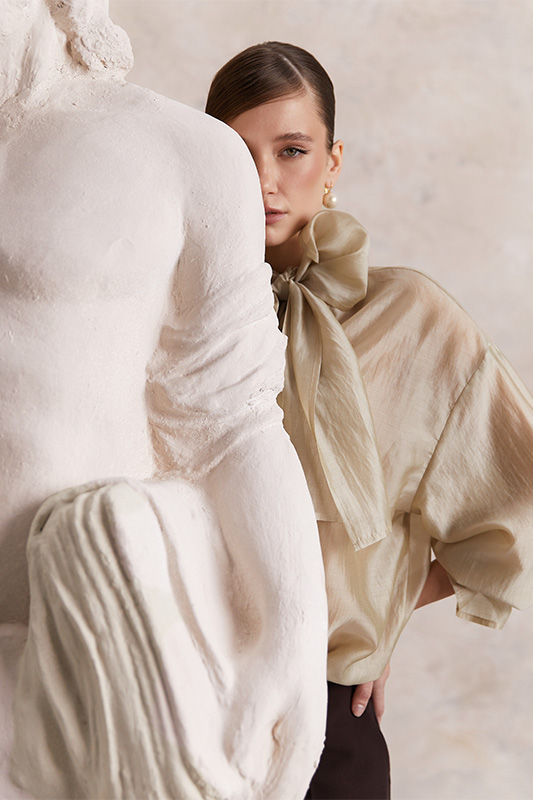
Carolyn Bessette-Kennedy once practically redefined what mature femininity in fashion could look like. No embellishment. No performative "luxury". Simple coats, perfect lines, a calm palette, a white shirt, black sunglasses.
Her style still looks contemporary today precisely because there was no excess noise in it.
Phoebe Philo once championed a similar principle: less decoration, more form, and more respect for the woman herself rather than the trend around her.
It's still an excellent reference point today.
Fit solves almost everything
Sometimes a woman changes her hair color, buys new clothes, tries to "refresh her style" — and the problem is still there.
Because it isn't about the clothes. It's about how they fit.
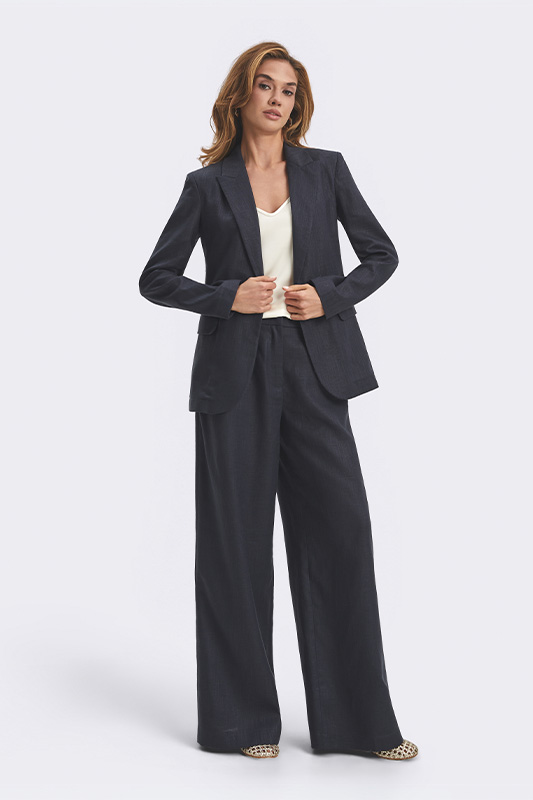
"A good fit can literally take years off how you're perceived visually," Anastasia says.
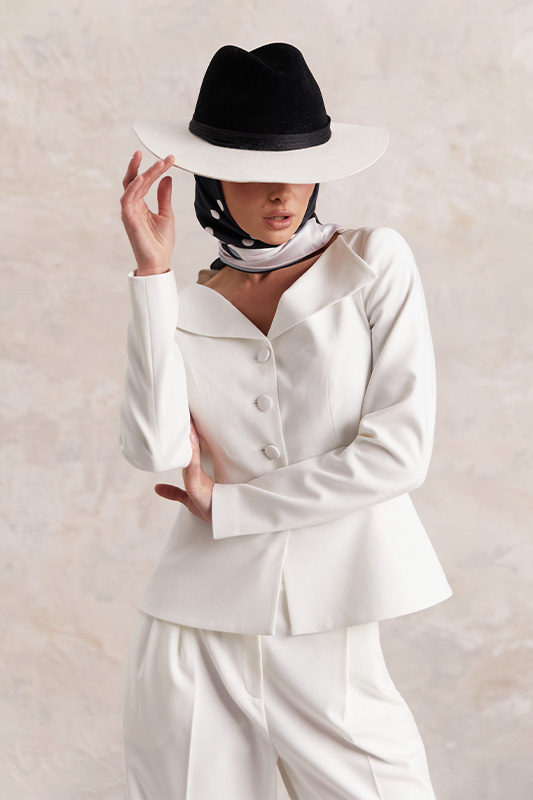
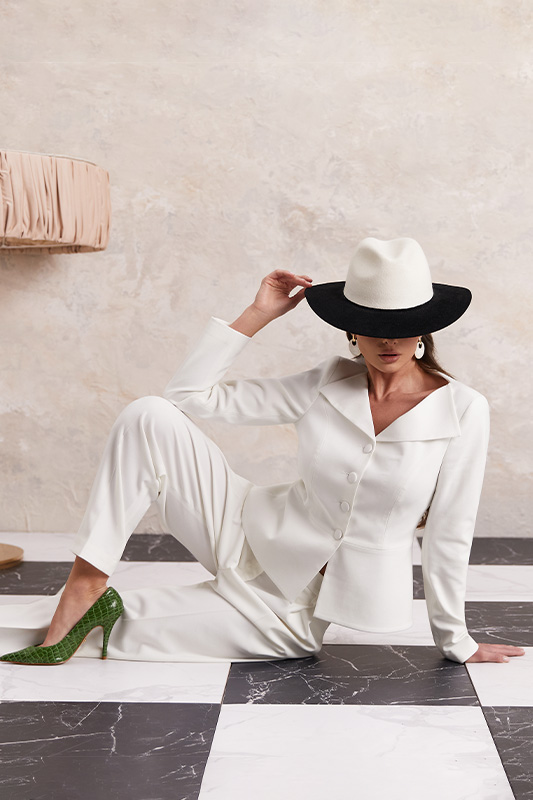
A jacket that's too long drags the silhouette down. Trousers with an outdated fit change your proportions. Fabric that doesn't hold its shape makes an outfit look sloppy — even if the piece is expensive.
After 40, this becomes especially noticeable.
Color grows up with us, too
Some shades seem to drain your face. Others make it glow.
Flat beige, dull grey, or a random pastel can suddenly make skin look dull.
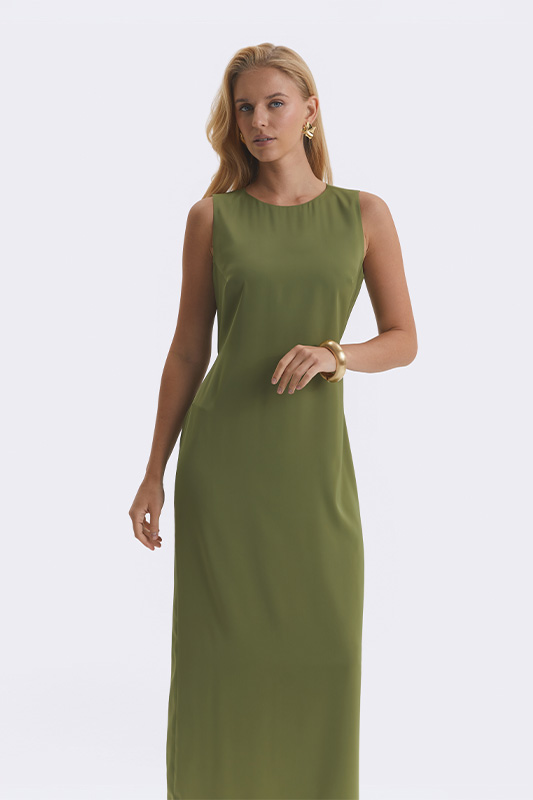
That's why, with age, many stylists recommend moving toward more complex colors: deep chocolate, milk white, graphite, muted blue, olive.
Not brighter. Deeper.
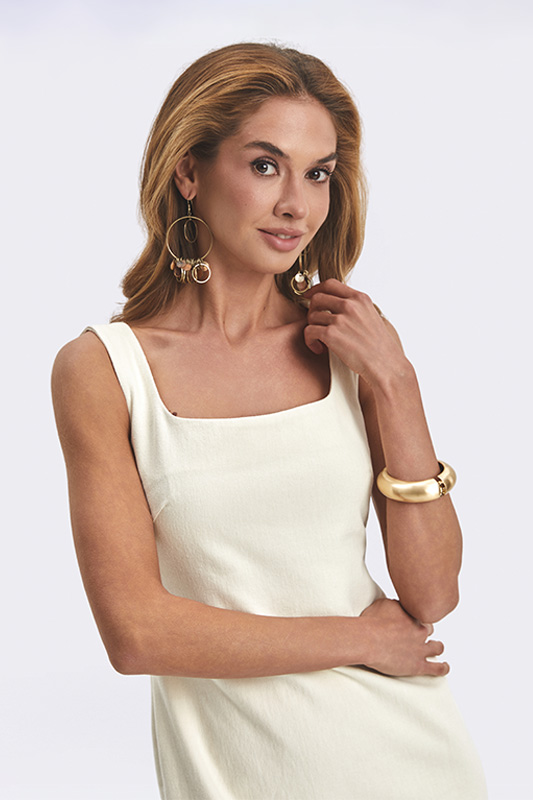
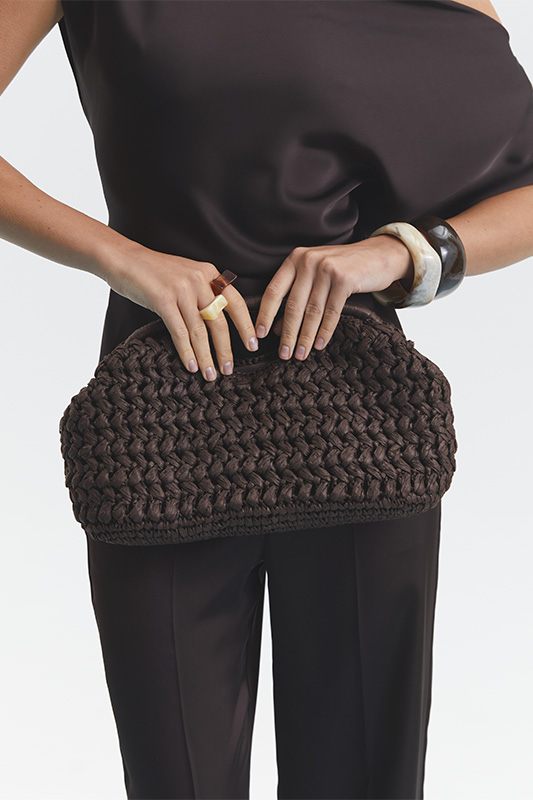
Accessories often do more than a whole new wardrobe
Sometimes it's enough to change your shoes. Or your glasses. Or your bag.
Shapeless, "roomy" bags almost always weigh a look down. So does random footwear with no shape to it.
Structured accessories, on the other hand, work differently. They pull a silhouette together.
And no, that doesn't mean you have to live in heels after 40.
Loafers, minimalist sneakers, and shoes with a stable heel often look more modern than aggressive stilettos you can barely stand in.
Trends — yes. Costume — no
The worst thing you can do to your style after 40 is give up on being current altogether.
The second worst thing is trying to wear it all at once.
So the rule here is simple: one or two current elements are enough:
- a new jeans silhouette
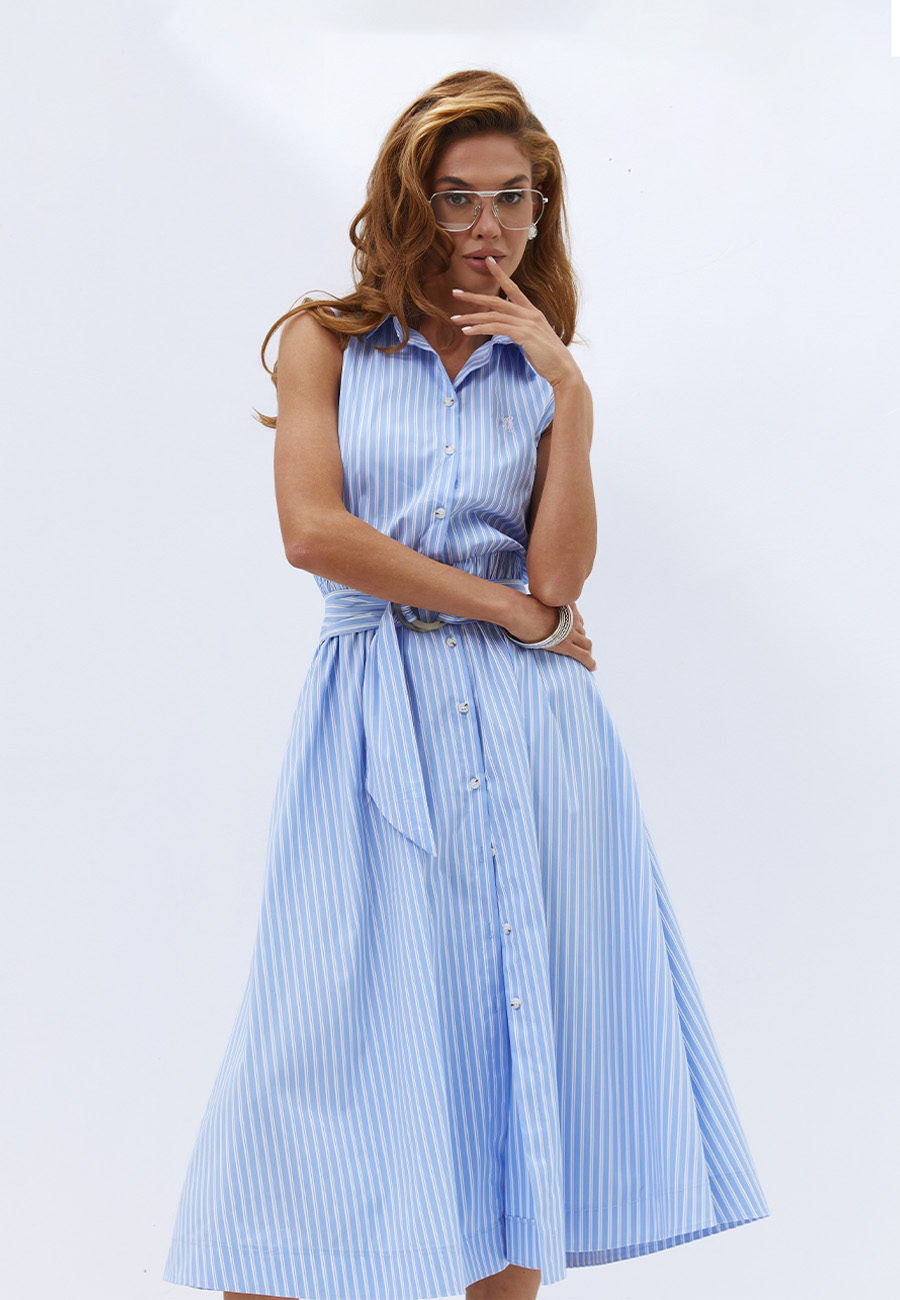
- a modern shirt cut
- current glasses
- the right belt
Style doesn't need to be overloaded.
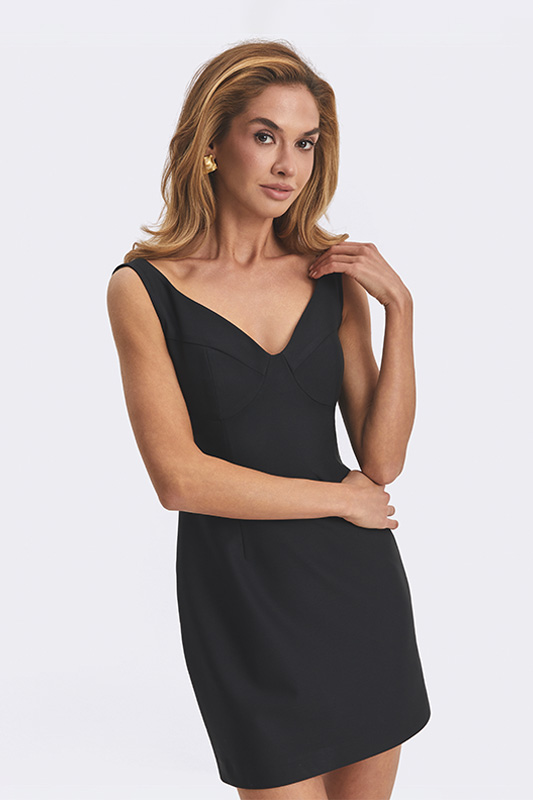
And one more thing about hair
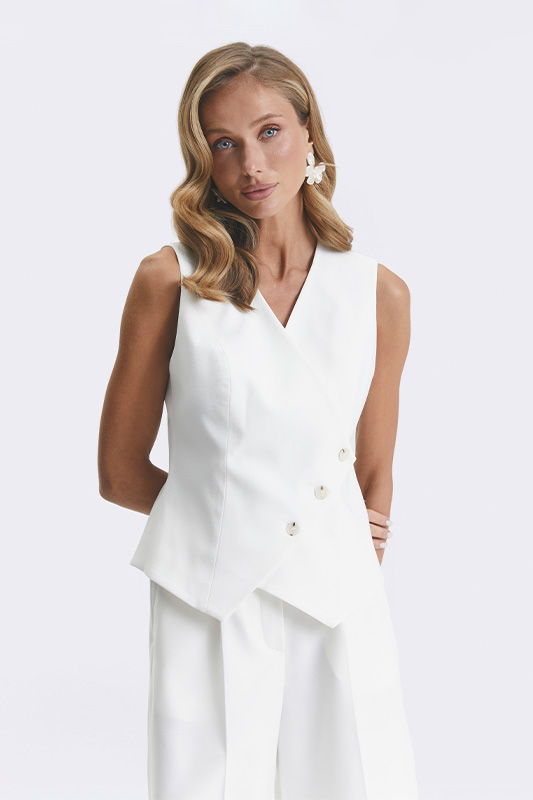
The myth that after a certain age a woman "has to" cut her hair short is still alive.
Even though fashion moved on long ago. The question isn't length — it's whether the shape, texture, and shade suit that particular person.
The same, really, goes for the entire wardrobe.
Natali Bolgar collections often don't have pieces that shout about fleeting trends. And that's exactly why they stay relevant longer.
Clean lines. A good fit. Complex shades. Clothes that don't try to "make a woman look younger" — they simply support her.
Style after 40 isn't about fighting age. It's about clarity.
The moment you stop trying to live up to other people's expectations — and finally start seeing yourself.