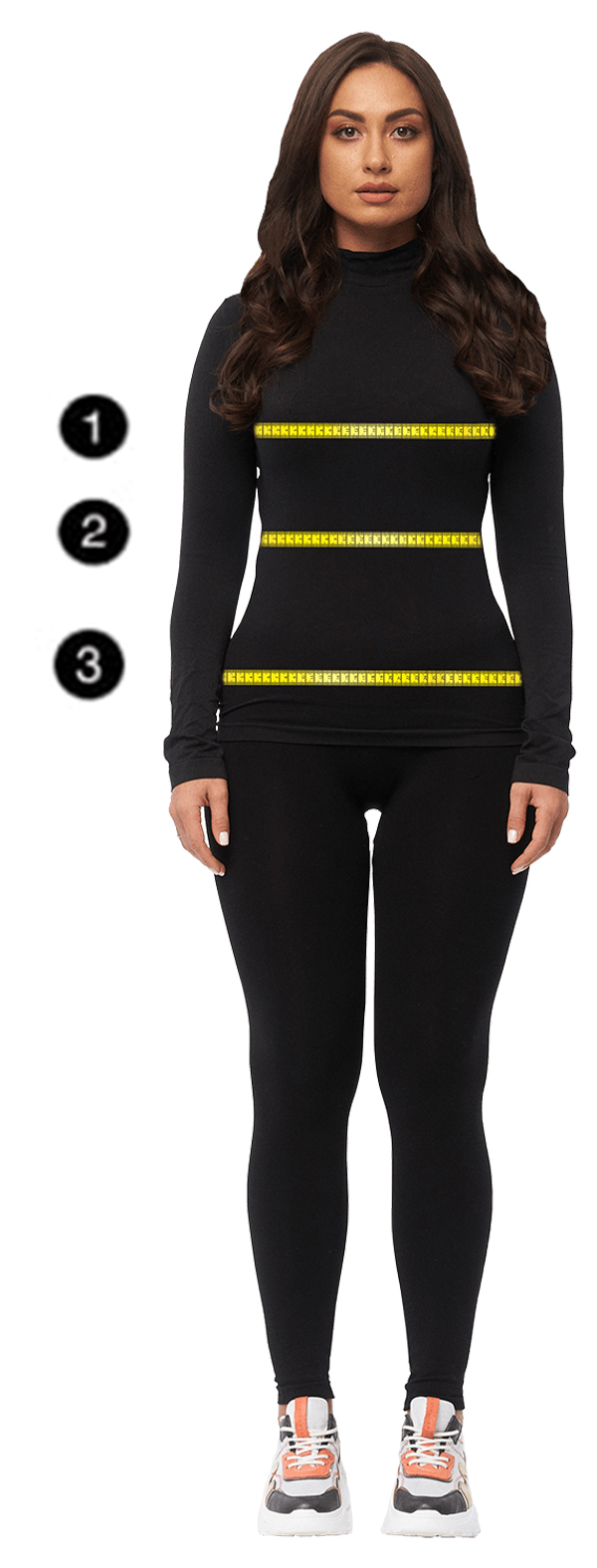
There's a strange myth that you need to dress "as seriously as possible" for a job interview. As if the stiffer the blazer, the closer the offer.
That's exactly why people still buy things for interviews that they almost never wear again: overly rigid suits, "office" shirts, shoes you can't walk ten minutes in.
And the problem isn't just the clothes — it's that the whole look starts to feel like someone else's.
There was a time when a woman's professional wardrobe was built around the principle of "being less noticeable." In the 80s and 90s, many women literally tried to copy men's business style: hard shoulders, dark suits, minimal expressiveness.
Today, good professional style works differently. It doesn't mask the person.
It helps her look confident — without the feeling that she's playing a role.
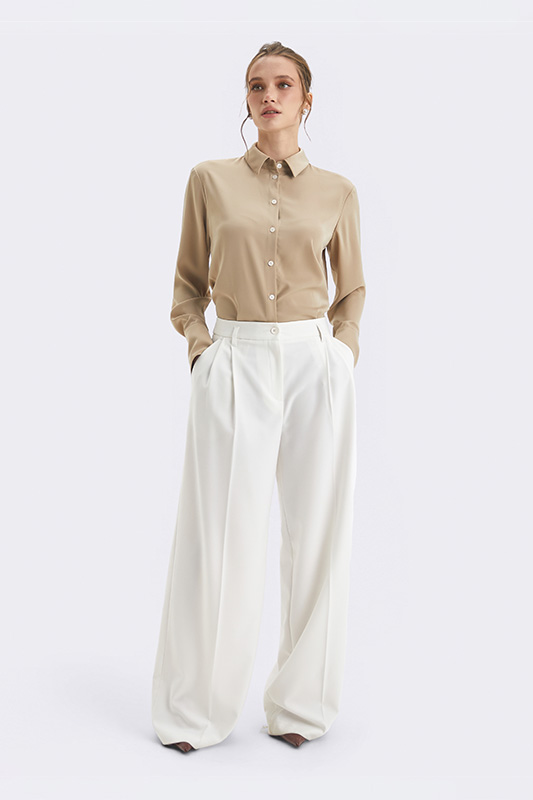
Don't overdo the formality
And that's exactly what Anastasia, a Natali Bolgar stylist, calls one of the most common interview mistakes.
A look that's too formal can easily create tension — especially if the person themselves feels unnatural in it.
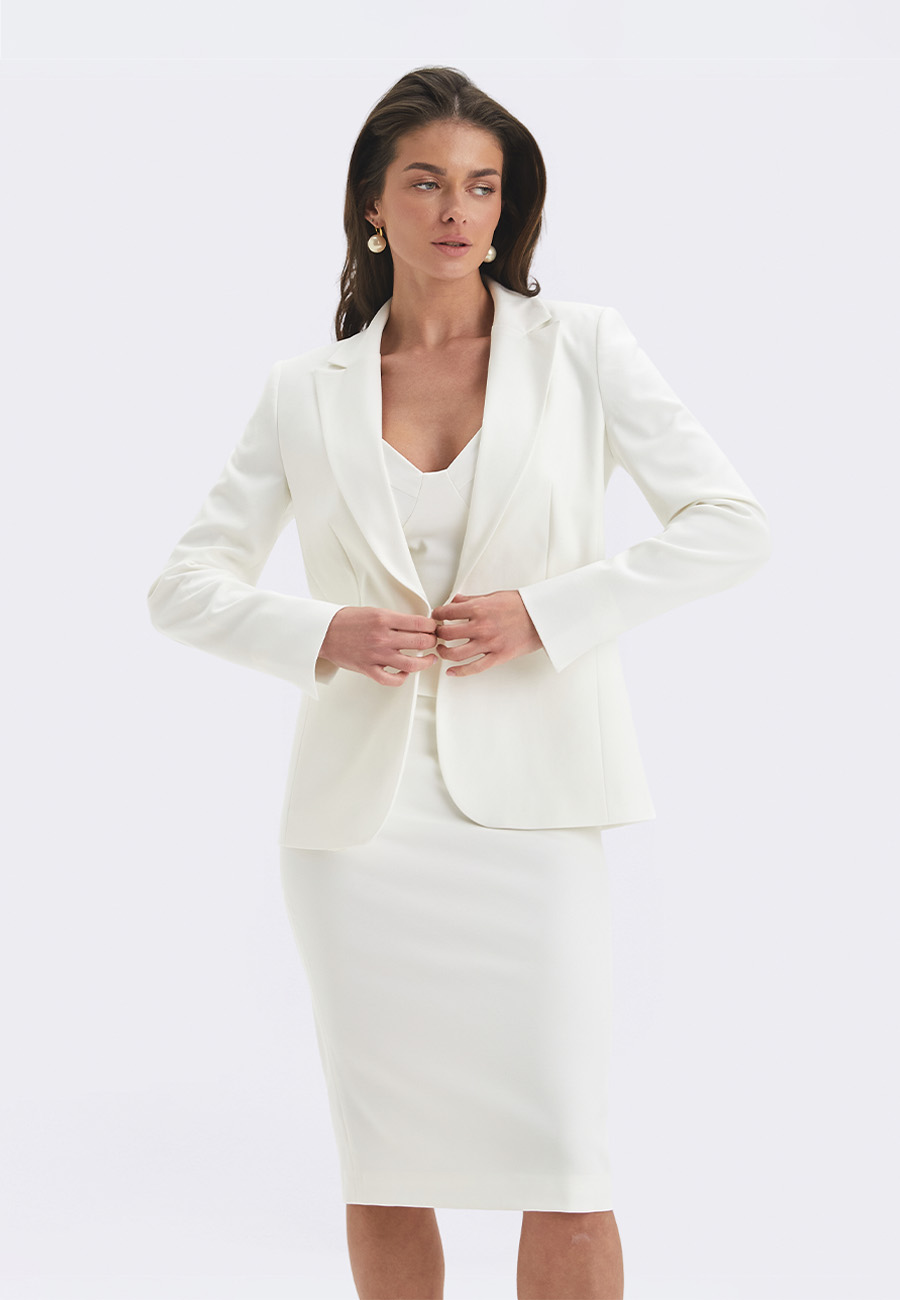
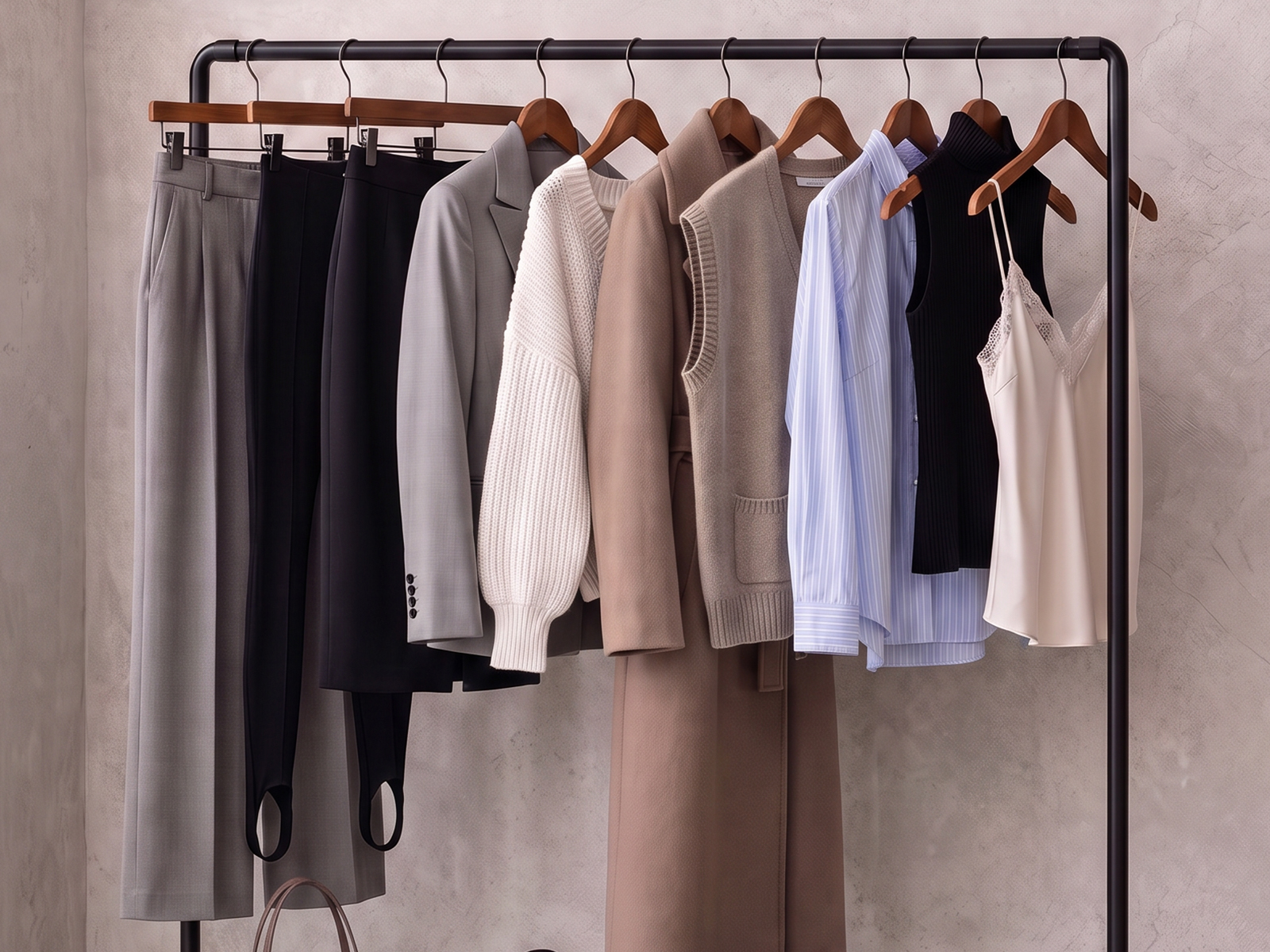
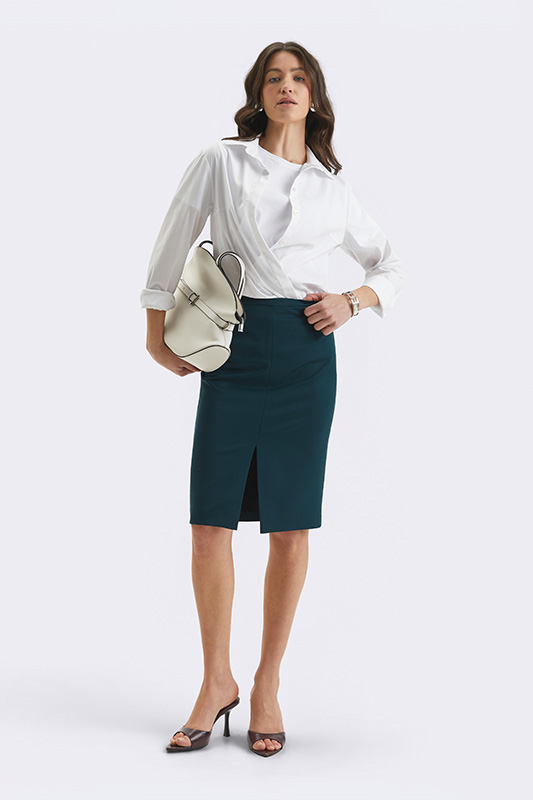
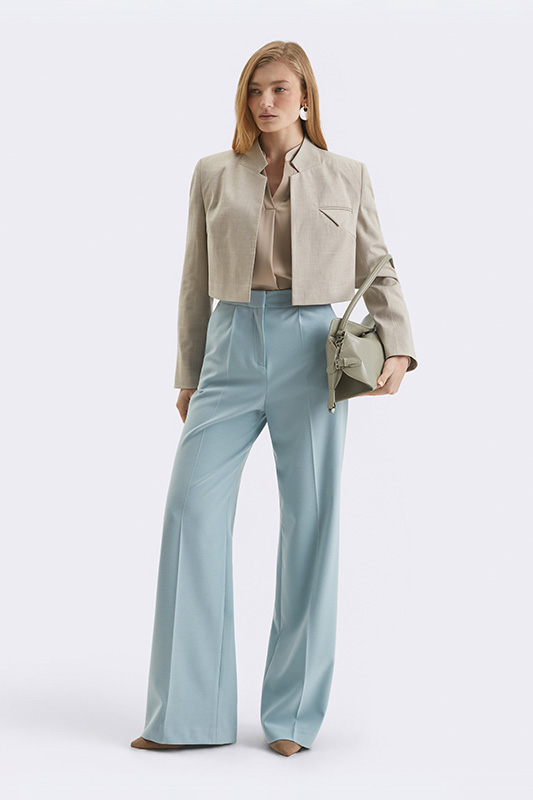
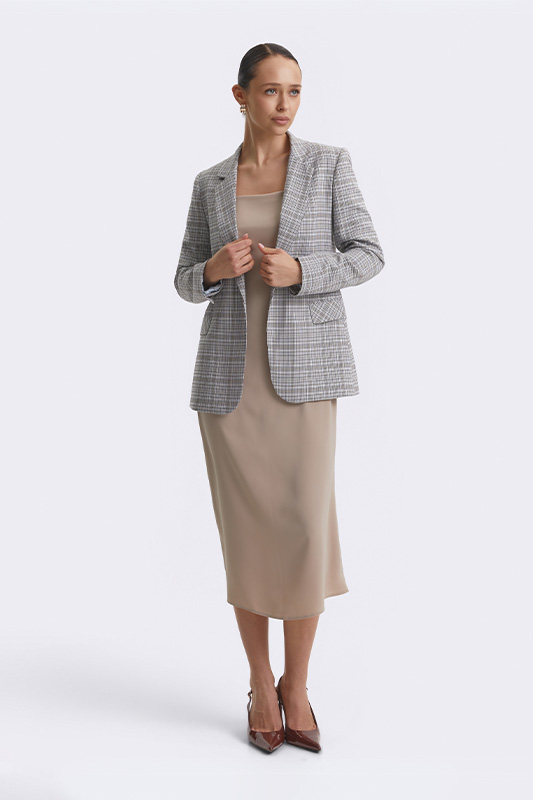
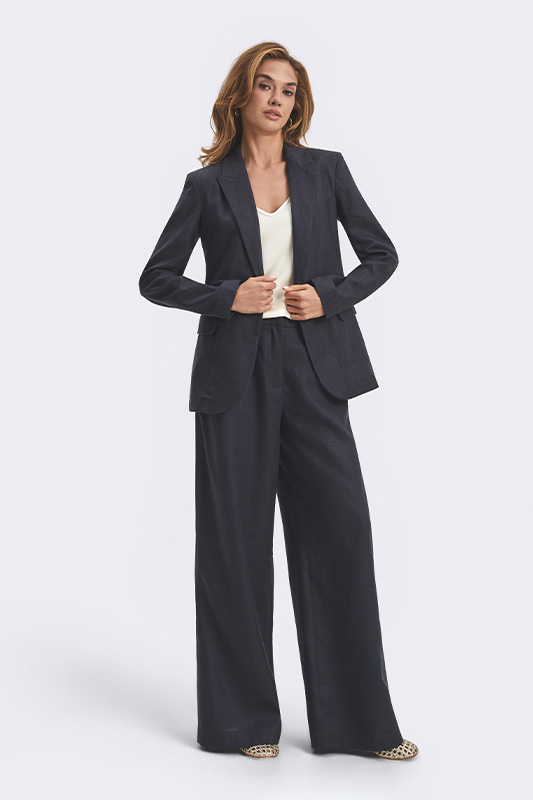
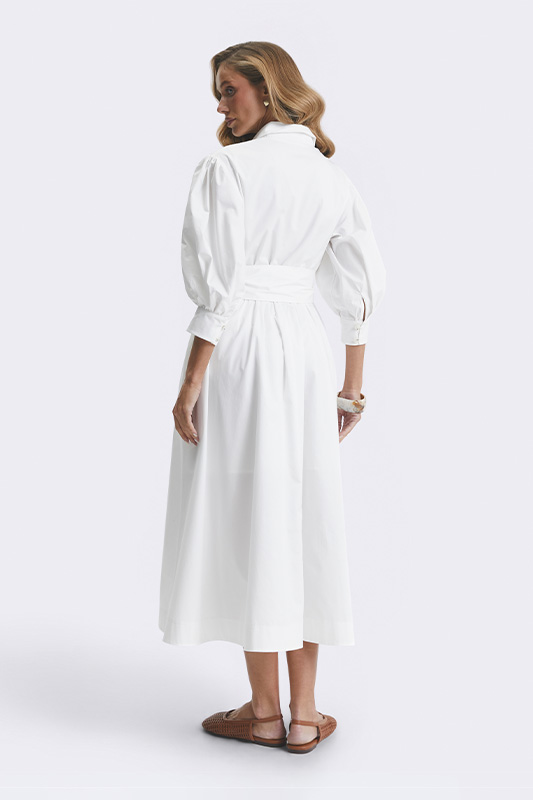
For most interviews today, a restrained but lively business-casual works far better: a jacket, a shirt or a clean-lined top, straight trousers, a midi skirt, a dress with a clean silhouette.
Not an "office uniform" — a pulled-together, modern wardrobe.
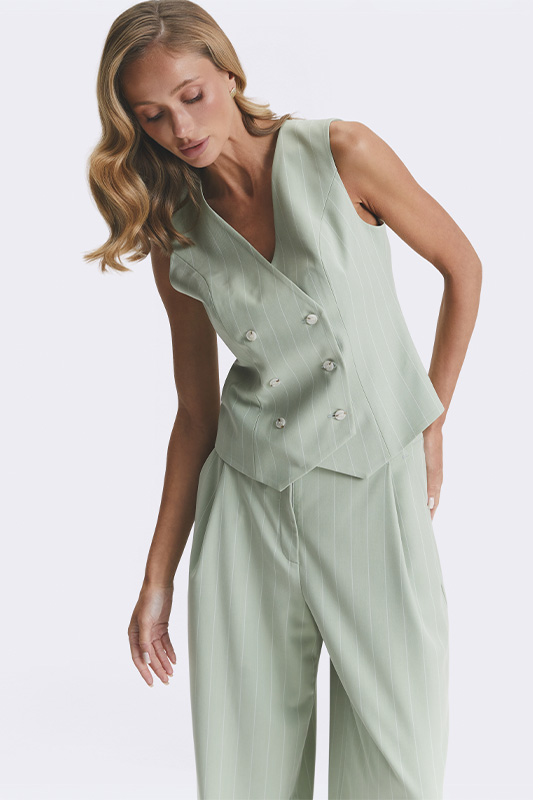
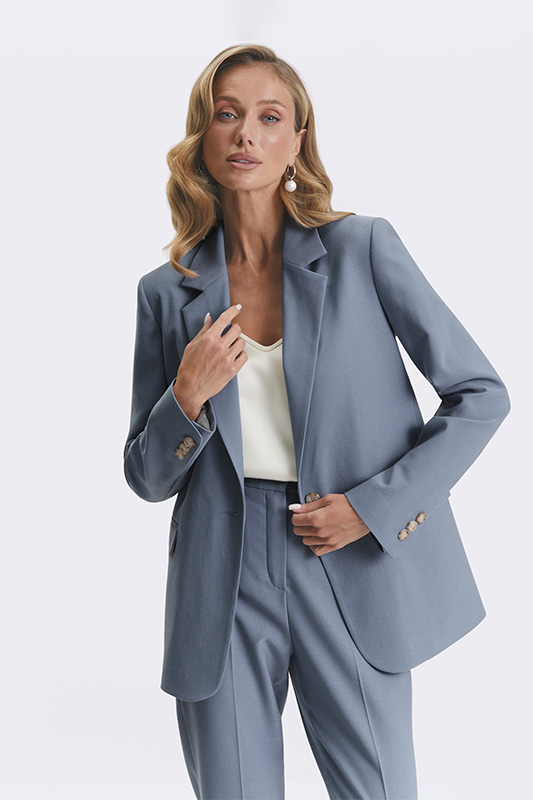
Color shapes the impression too
According to Anastasia, it's often the palette that decides whether a look feels modern and professional — or overly harsh.
Black isn't the only option for an interview. Sometimes it even adds unwanted distance.
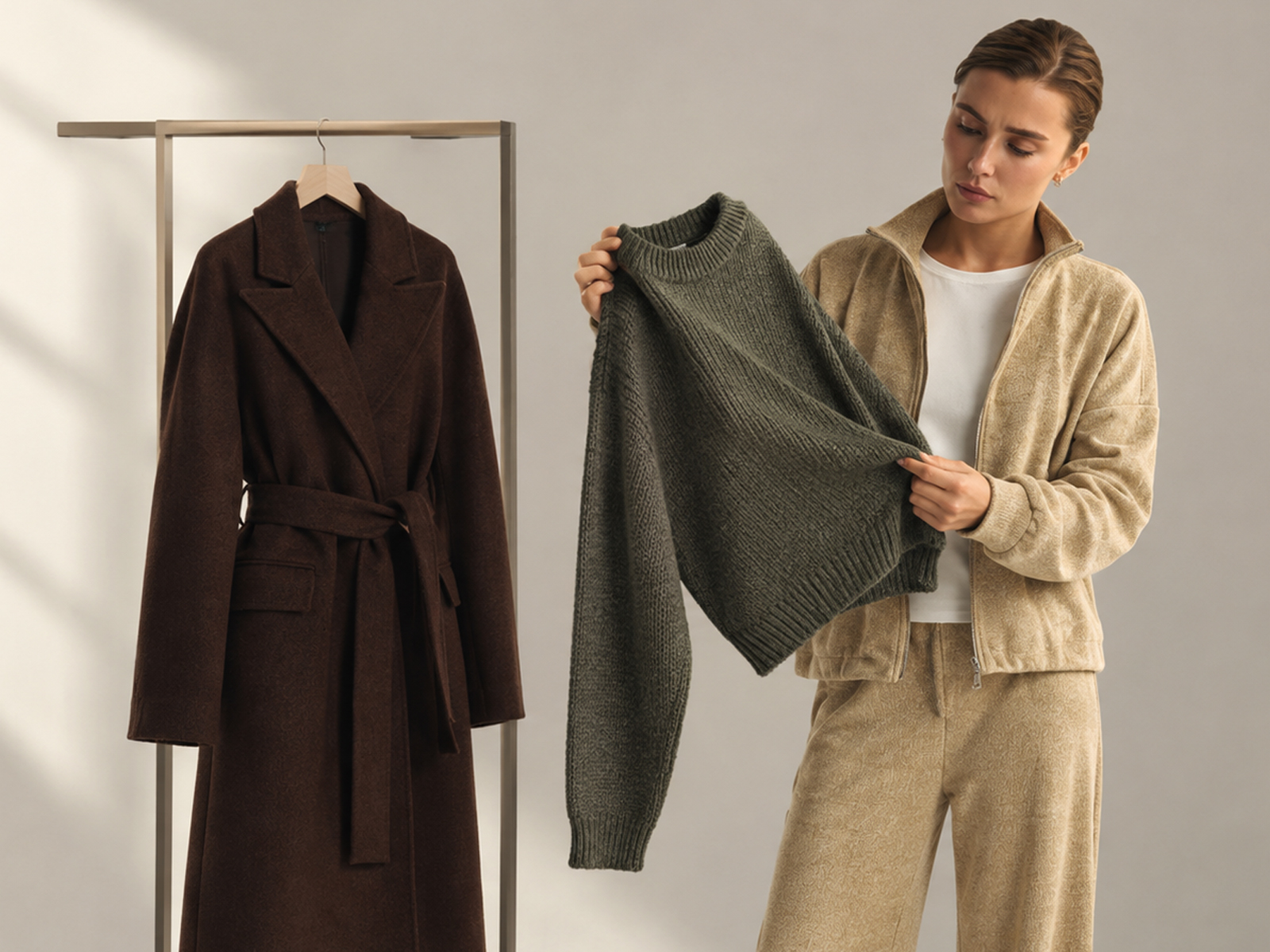
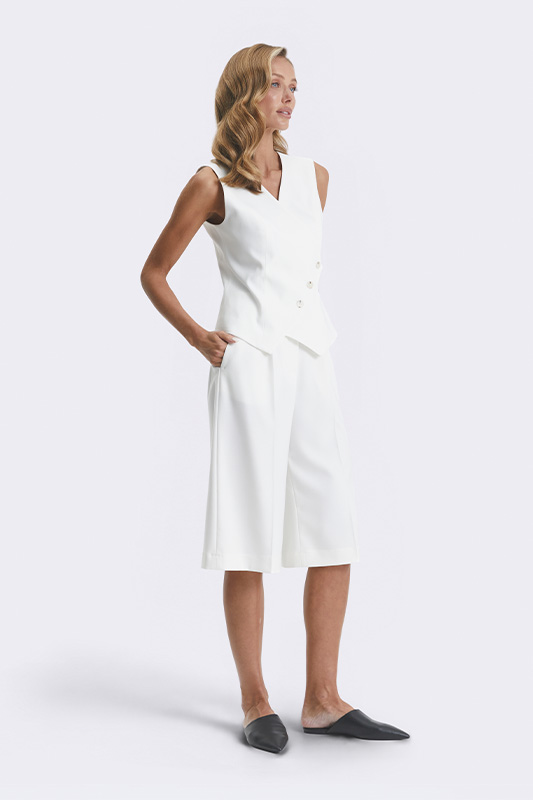
Milk white, graphite, beige, chocolate, soft gray — all of these look far more refined than the sharp black-and-white contrast.
That said, trend colors are possible too. Just in careful doses.
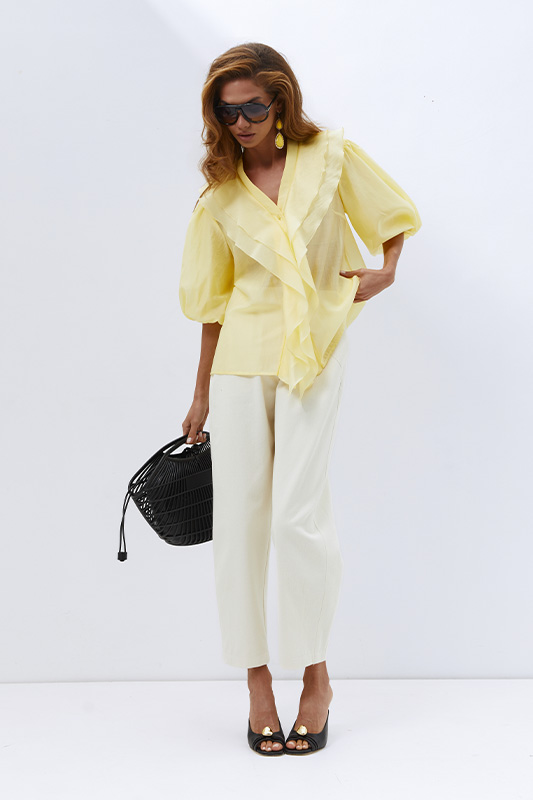
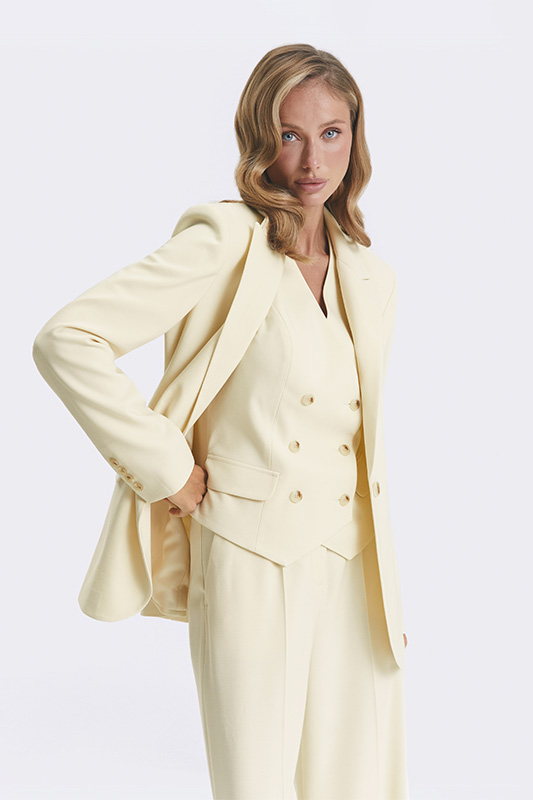
For example, butter yellow in a shirt or sky blue in a jacket can freshen up a look — without giving the impression that a person is trying too hard to be "fashionable."
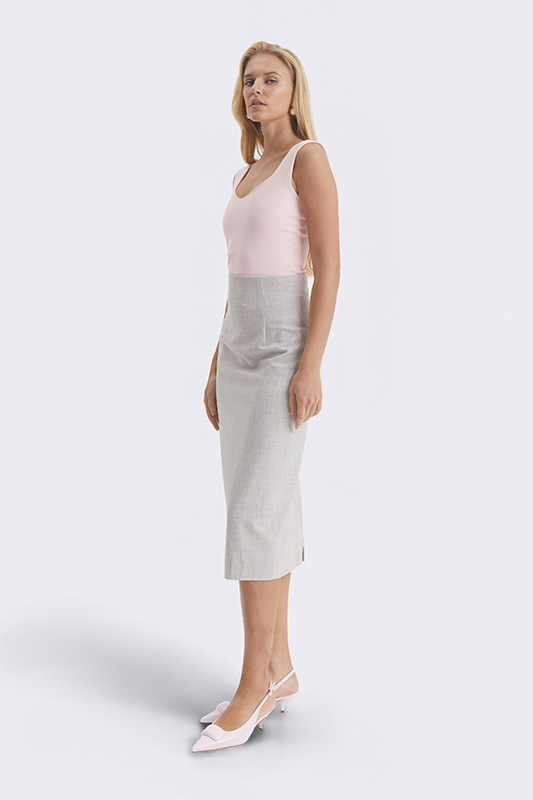
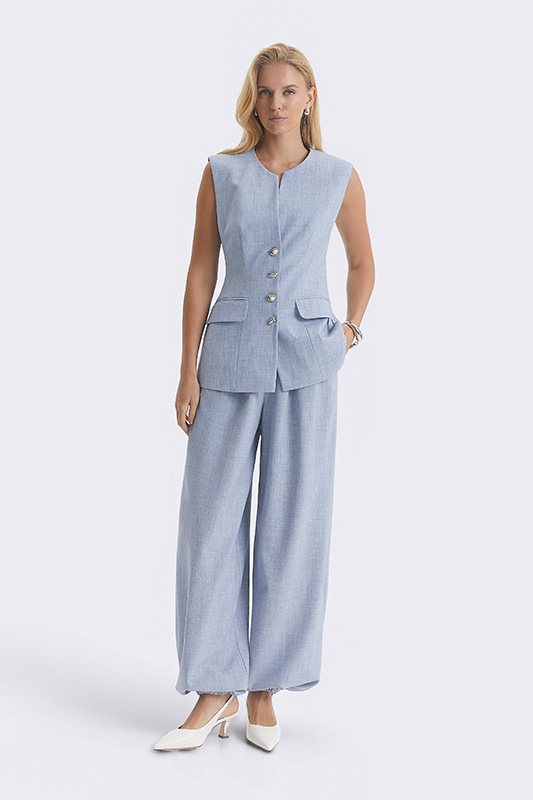
The fit you forget about after five minutes
Even the most expensive piece will look bad if it pulls, slides down, is too tight, or simply "hangs" wrong.
At an interview, this is especially noticeable. A person starts adjusting their jacket, tugging at their sleeves, thinking about their clothes instead of the conversation.
"A good interview look is one where you stop thinking about your clothes five minutes after getting dressed," says Anastasia.
And that's probably the most accurate criterion there is.
Shoes that don't "play office"
Another outdated myth is that an interview absolutely requires classic pumps on high heels.
Fashion has long moved on.
Today, loafers, minimalist sneakers, neat slingbacks, sleek boots, or kitten heels all look far more current.
Anastasia advises focusing not on how "formal" the shoes are, but on how put-together and appropriate they feel. After all, confidence doesn't pair well with sore feet.
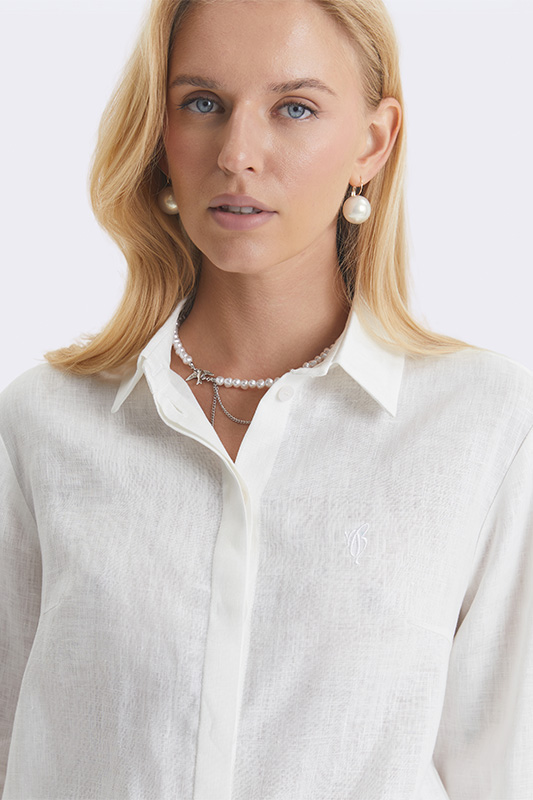
Accessories without a statement
Anastasia advises against overloading a look with details — especially since the interview itself is already nerve-wracking enough.
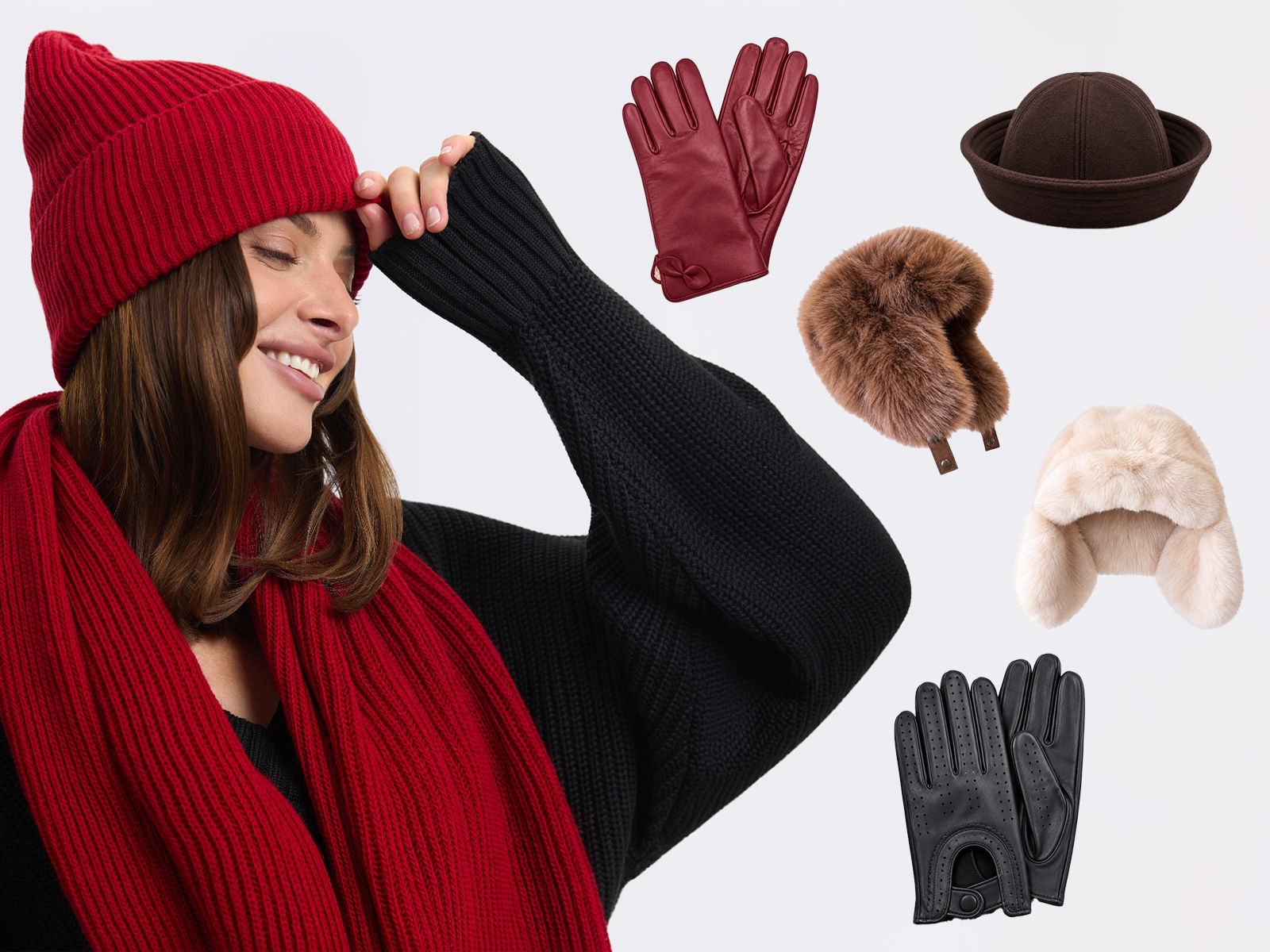
Large logos, overly bold jewelry, "status" bags, or aggressively trendy pieces very often steal the attention.
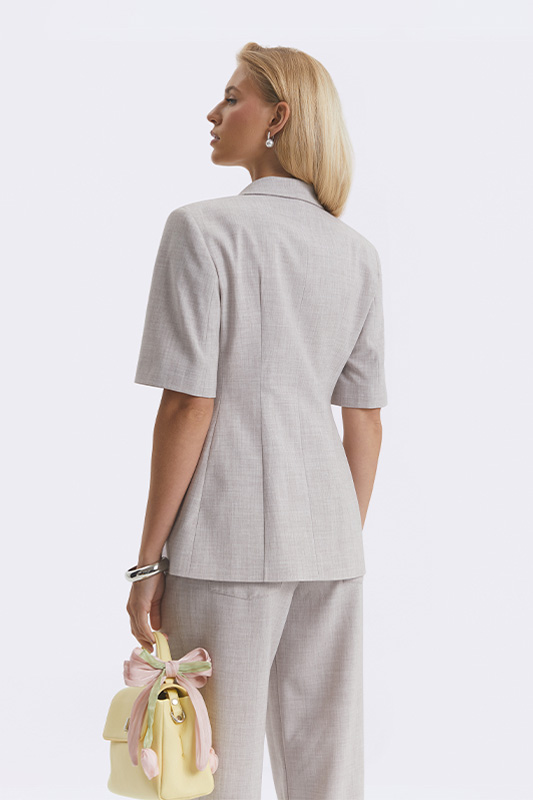
Instead, pieces that don't compete with each other work far better: thin earrings,
a structured bag, a watch, a neat belt, glasses with a clean shape.
Minimal, but tasteful.
Tidiness that reads instantly
"People notice attention to detail very quickly," says Anastasia.
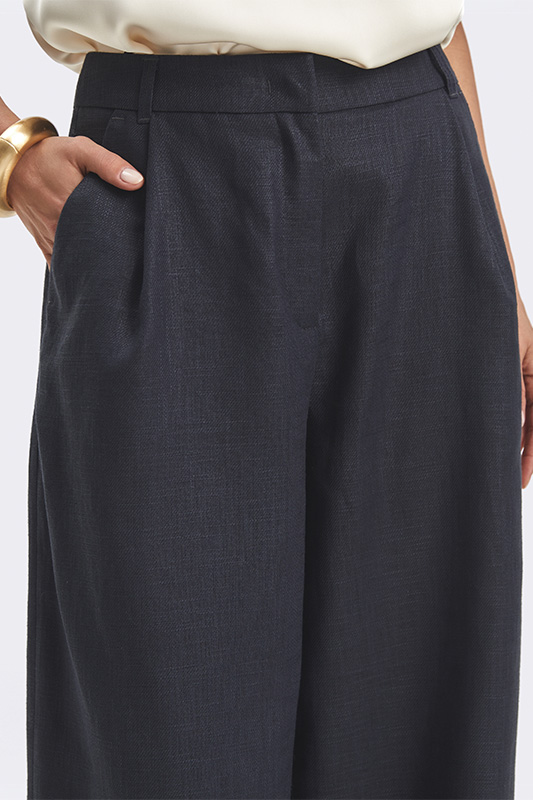
And that's not just true in fashion. At an interview, tidiness often says more about a person than the outfit itself: hair, the condition of your shoes, manicure, fabric without creases, neatly maintained clothes.
Sometimes it's exactly this that creates the main impression — of being put-together.
Dress not "for the interview"
Dress for the role you want to get. That doesn't mean looking older or "more serious." It means matching the context.
A creative agency, a fashion media outlet, an IT company, or a law firm — all of these spaces have a different visual language. And good style always accounts for that.
Perhaps that's exactly why pieces that don't look too "office" but slot easily into a professional wardrobe work so well today: structured jackets, soft suiting fabrics, a calm palette, clean silhouettes without overload.
Many Natali Bolgar collections now rest on this same balance — between polish and ease, between professionalism and a sense of self.
A striking interview look is rarely remembered on its own. It's the person in it who's remembered.