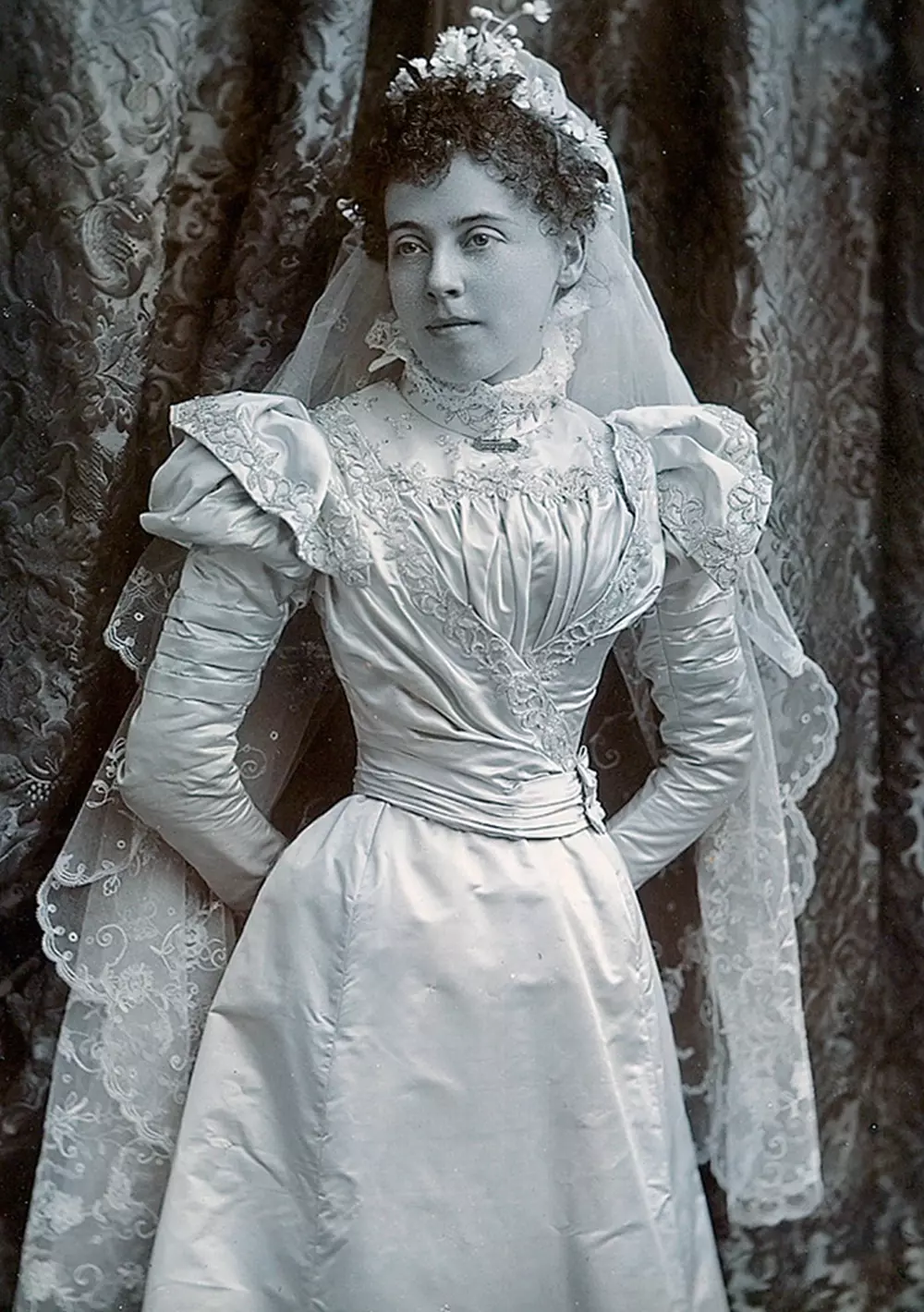
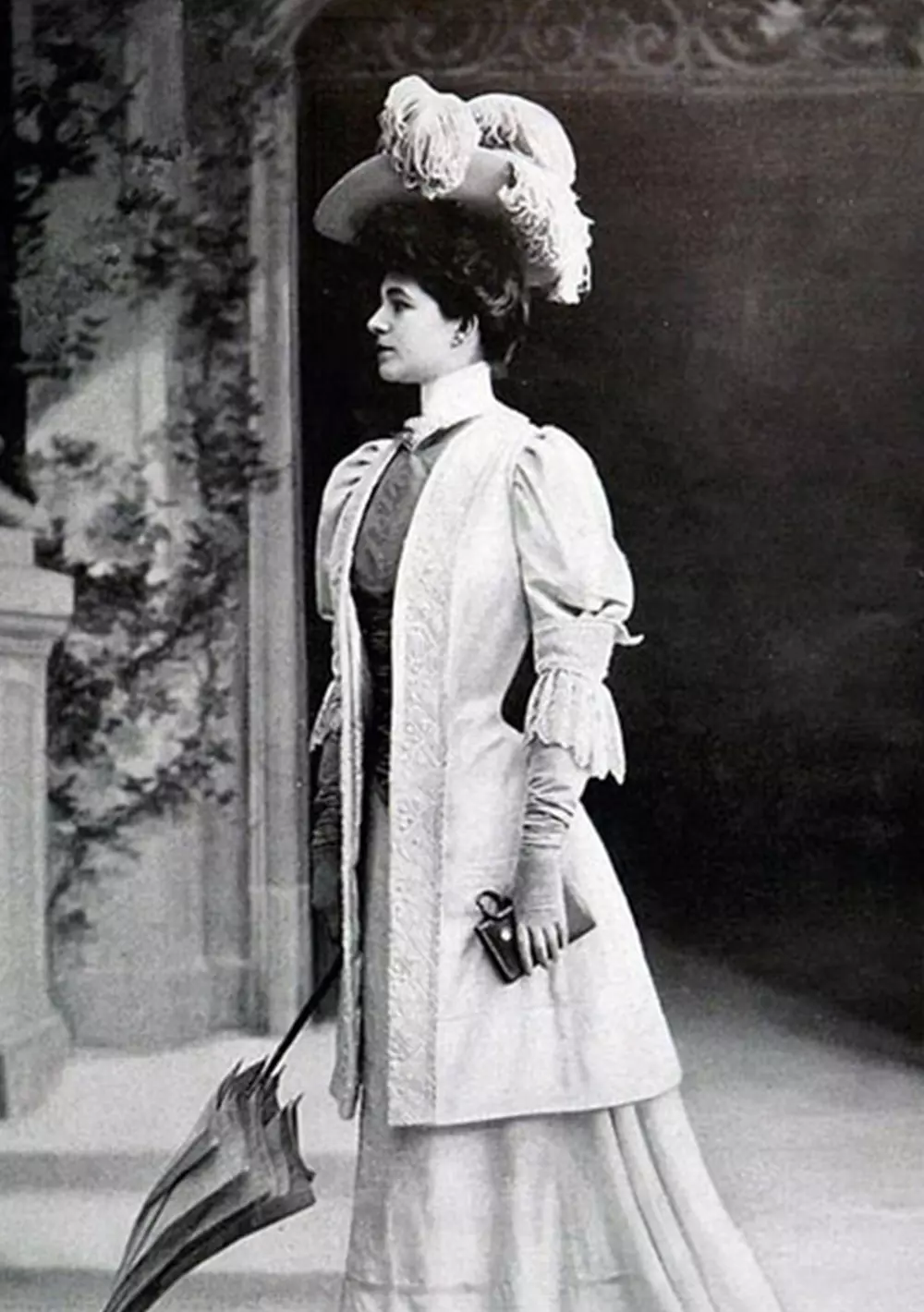
As late as the 19th century, the very concept of business style for women didn't exist. Women of that era weren't pursuing independence or holding positions of consequence, so their wardrobes consisted purely of elegant, formal dresses trimmed with flounces, ruffles, and fringe.
Коли жінки почали носити штани?
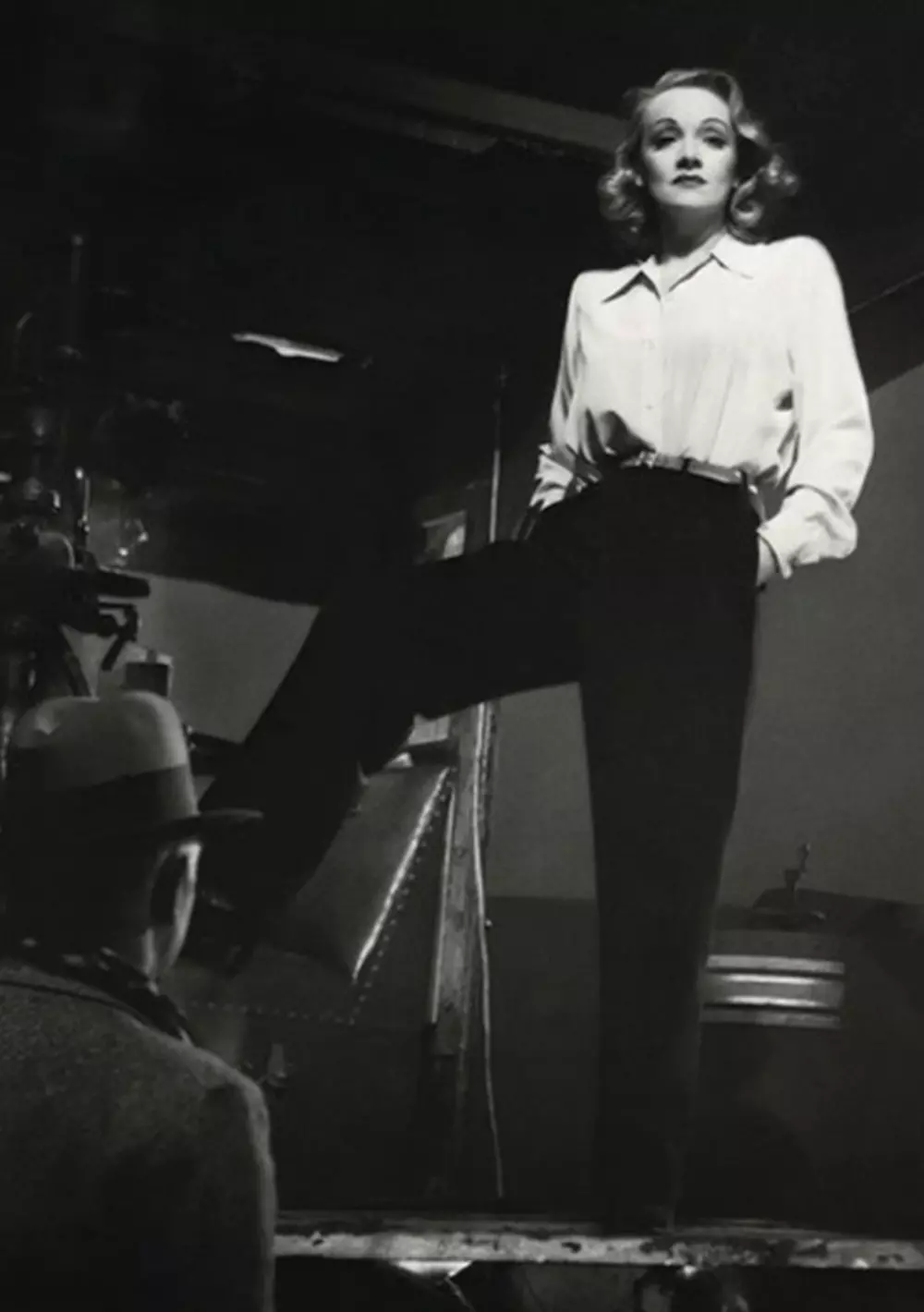
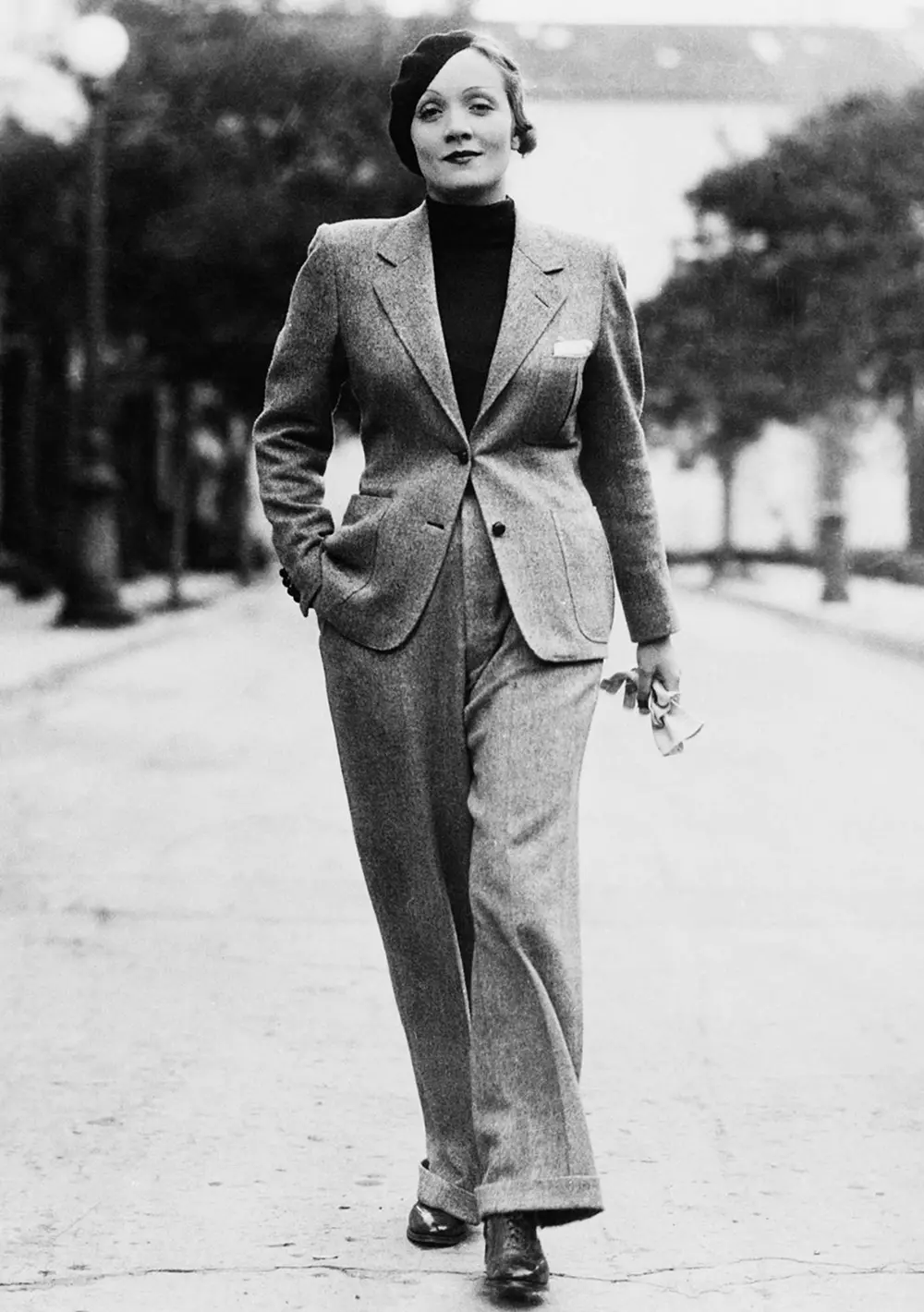
In the late 19th and early 20th centuries, women in Western countries began to "tame" classic men's trousers. At the time, it was a bold, extravagant move that only a few dared to make.
Коко Шанель і діловий жіночий костюм
Uncomfortable, masculine-cut office ensembles gave way to the creations of the 20th century's most talented designer — Coco Chanel. Her office look paired a jacket with a below-the-knee skirt, worn not only to work but to social events and dates alike. She based the outfit on the gentleman's business suit, and even the fabric — tweed — was borrowed from the male wardrobe. Women's fashion was moving inexorably toward tailored suits.
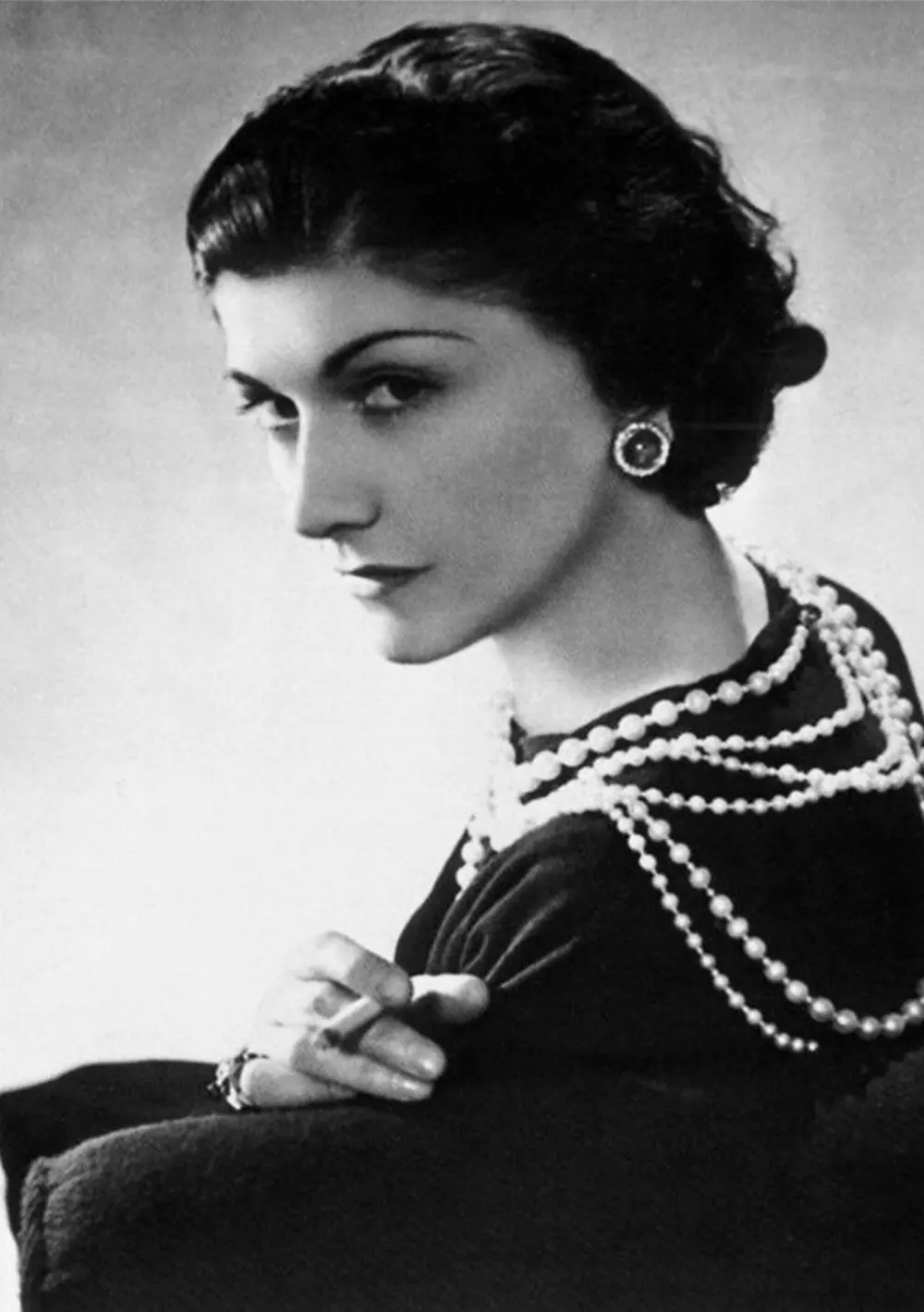
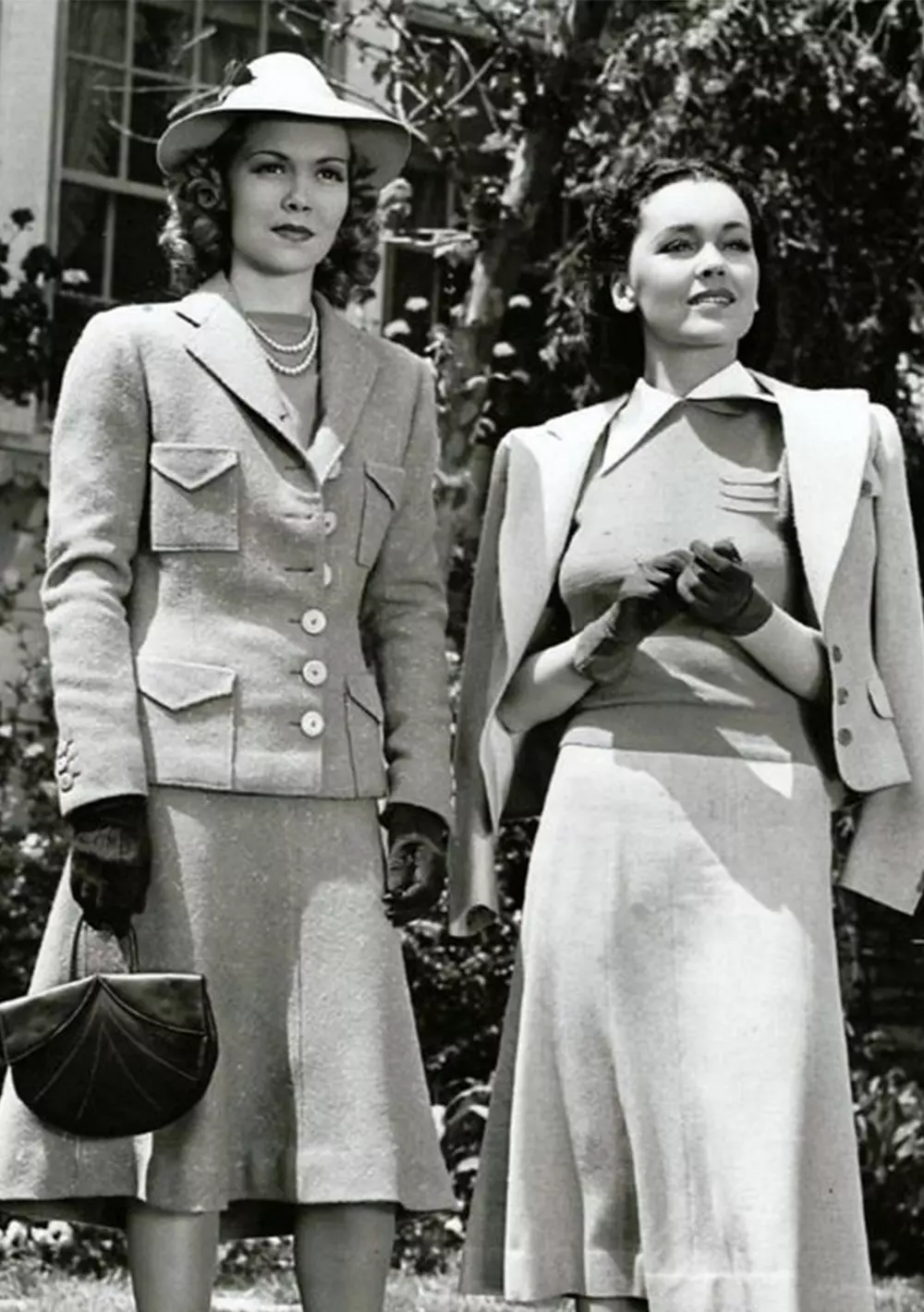
Діловий одяг жінок у 1930-ті роки
During the First World War (and into the 1930s), women found themselves flying planes, hauling coal, and sweeping streets. They took jobs on the railways, in factories, at fire stations, and in other places once closed to them. Women began to compete with men in the labor market, and neither side could ignore it.
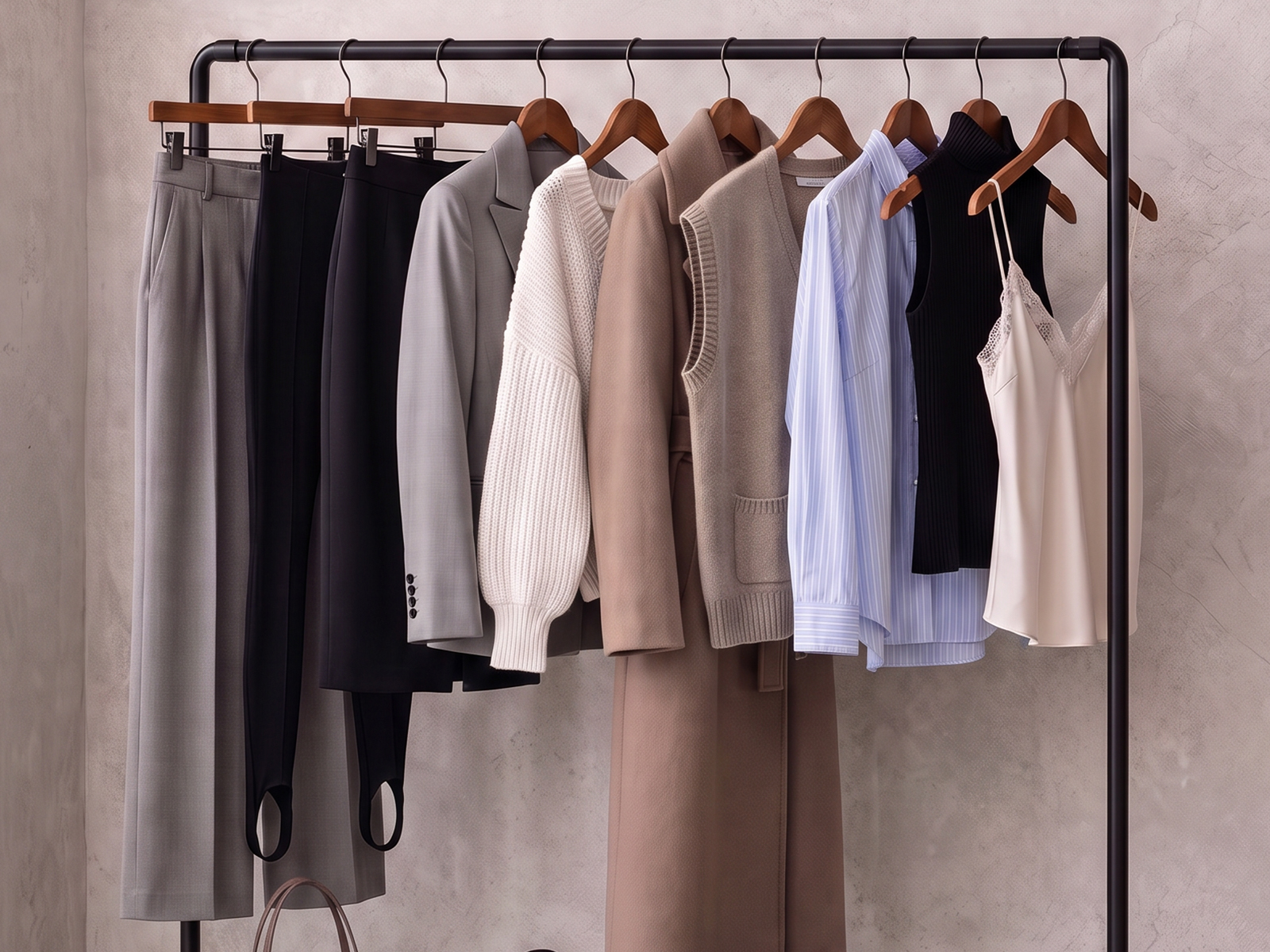
Women gained a far wider range of choices — trousers, a skirt, a dress, a jacket — pieces they could mix and match to their own taste, within the dress code accepted in business circles.
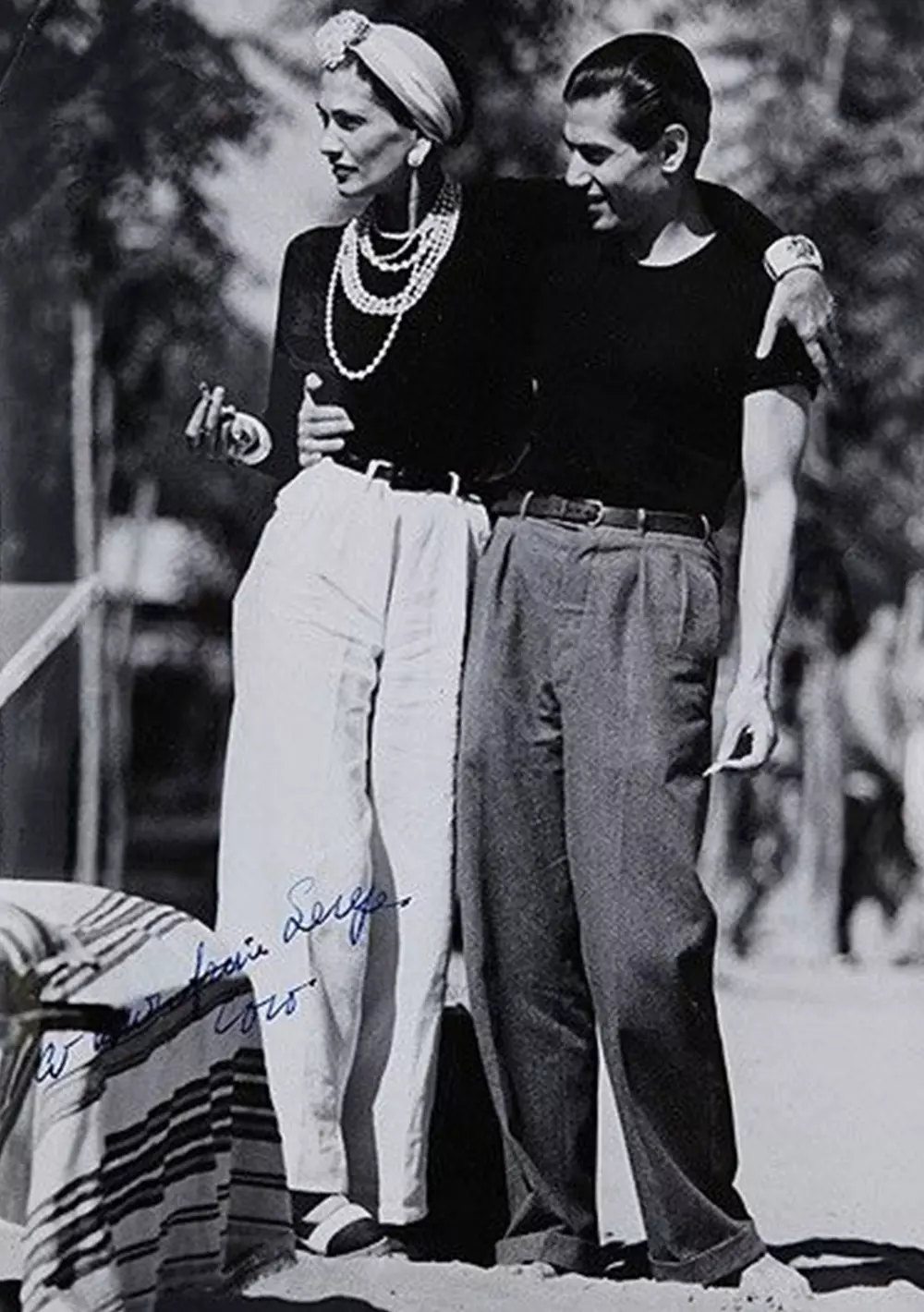
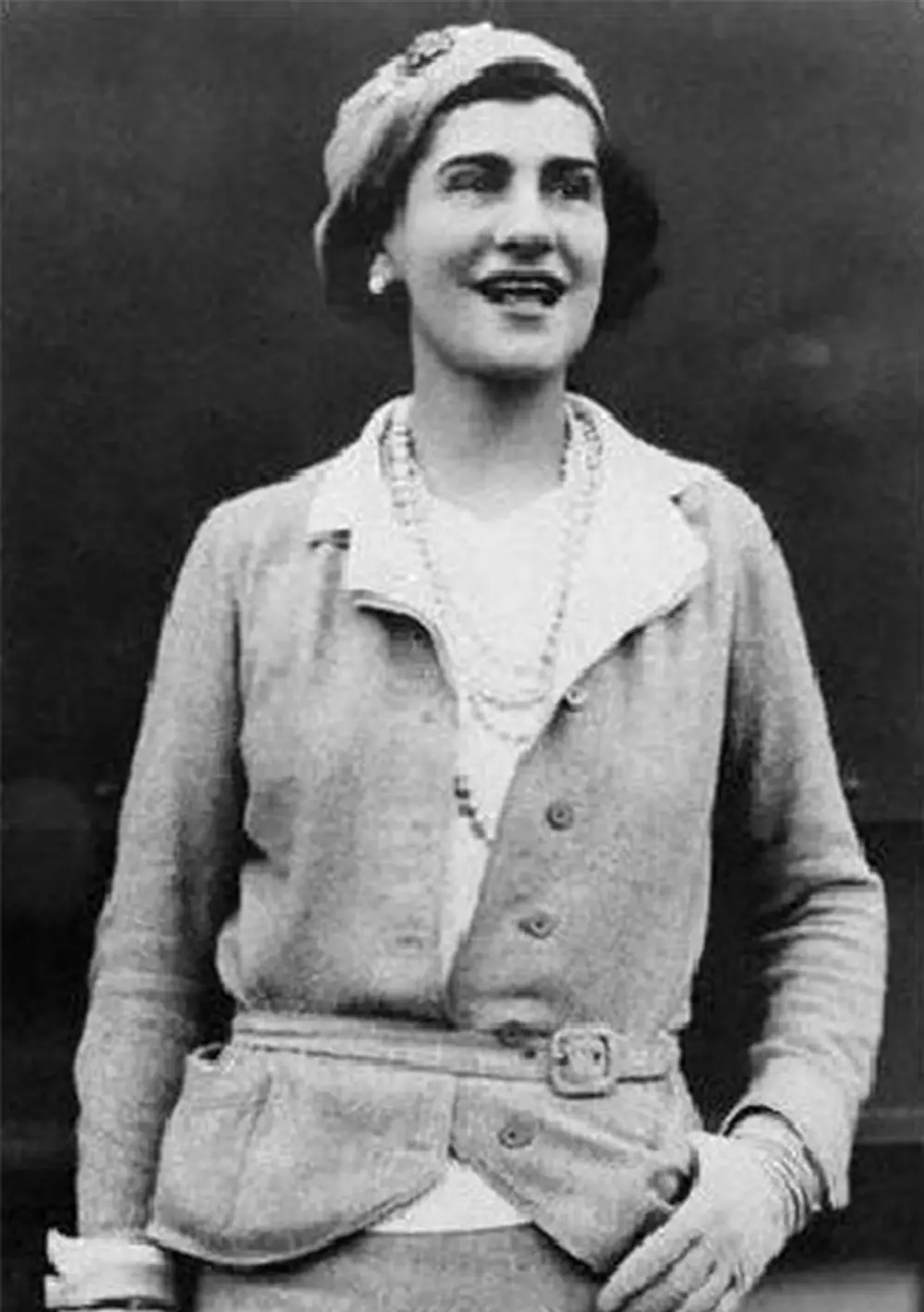
Сучасний діловий стиль: які бренди обирати?
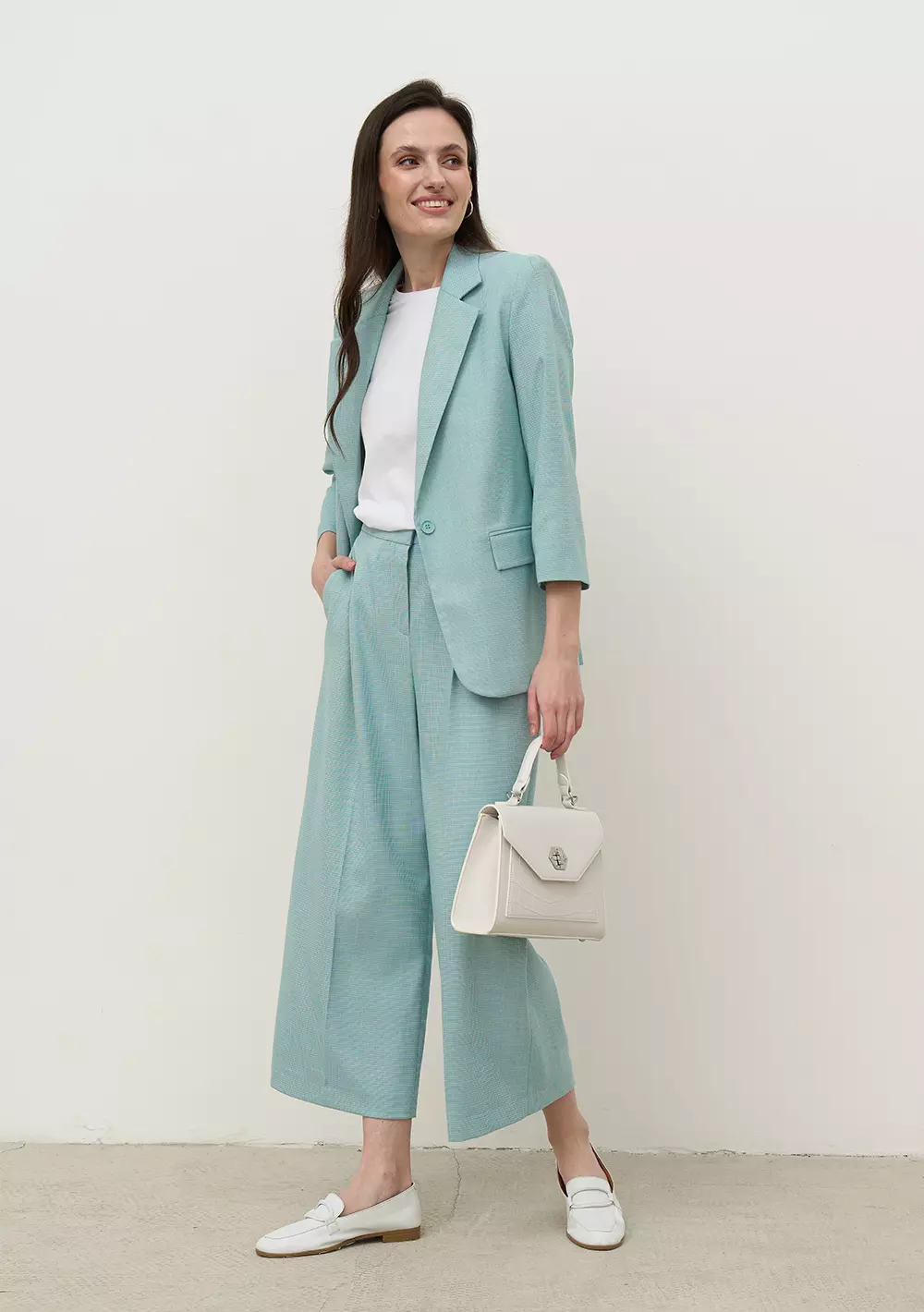
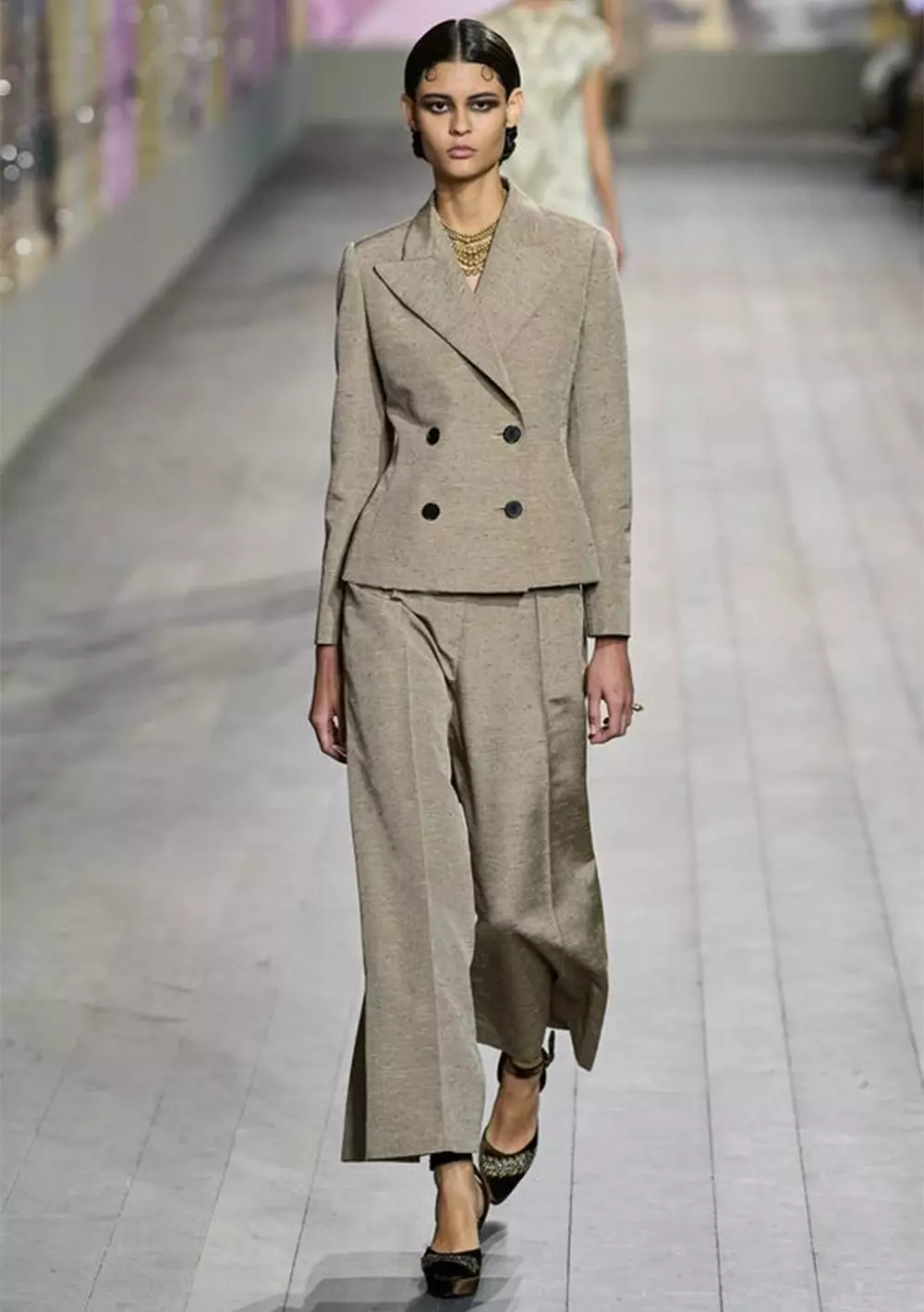
Over time, the boundaries of business style loosened, drawing in even young women with no dress code to follow. Today, the most popular office suits are made under brands like Hugo Boss, Christian Dior, Chanel, Armani, and, of course, Natali Bolgar (Ukraine). Pieces by both international and Ukrainian designers carry not only formal notes, but youthful and even romantic ones too.
So — are you part of the business-style club, or not?