The words "office dress code" still make plenty of people feel almost physically tired.
As if it's all about to start again: the black suit, the white shirt, "nothing extra," no individuality, no life.
Though the irony is that real business style was never about sameness.
It was about something else entirely. About knowing how to manage an impression.
Back in the 20th century, the business wardrobe was built almost on military principles: restraint, discipline, minimal emotion. Especially for women, who were only just beginning to enter big business. To be taken "seriously," they practically had to mask any hint of femininity.
That's exactly where the stereotypical image of the "perfect businesswoman" came from — a dark suit, a strict shirt, closed-toe shoes, and a total absence of individuality in everything.
Then came the 90s. And with them, a new understanding of the women's business wardrobe. Giorgio Armani made the office suit softer, more relaxed, more expressive. And later, Phoebe Philo essentially reimagined the very idea of the modern working woman — without strict "power dressing," but with a sense of inner strength.
Fashion has long since moved on. But the fear of "not looking professional enough" has stayed behind.
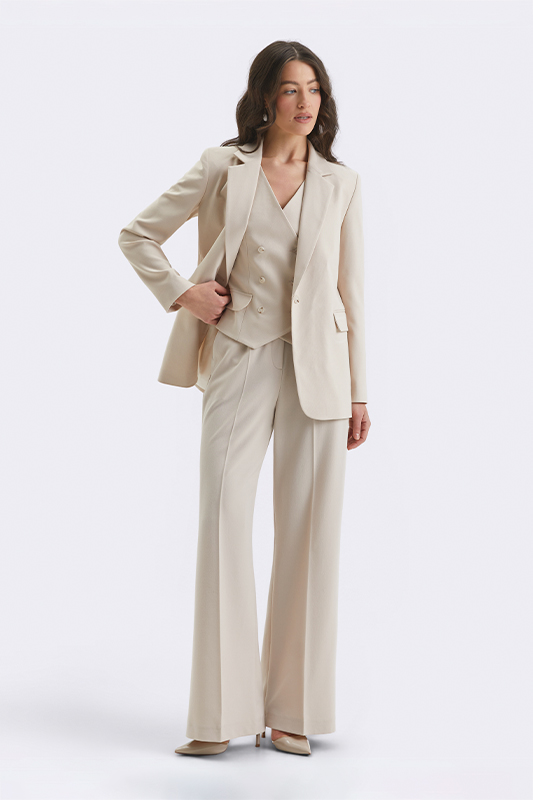
A dress code isn't about fashion
It isn't even quite about style. It's about context.
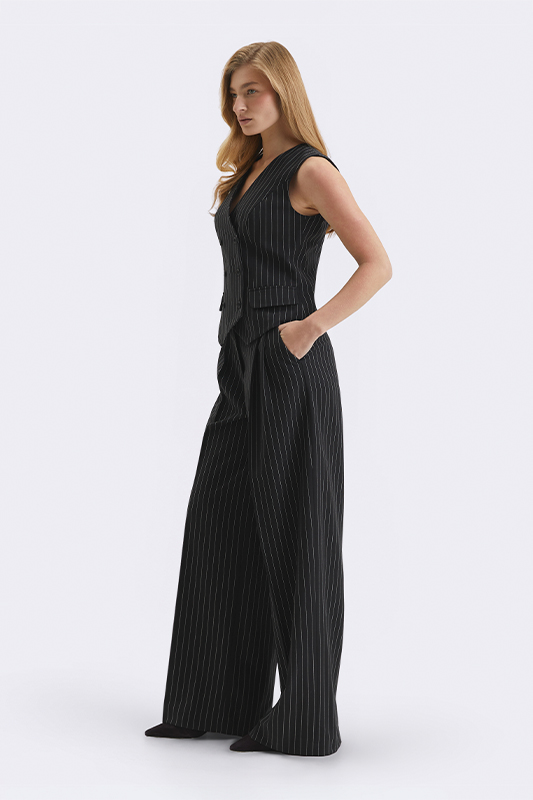
Banking, law firms, diplomacy, major corporations — in these worlds, clothing still functions as part of a system. It has to communicate reliability, stability, control.
That's exactly why classic dress codes are so restrained. They're not meant to distract.
Business attire always "says" something about a person before a single word is spoken. And if a look is too romantic, overly sexualized, or chaotic, it sends a signal that's simply wrong for professional communication.
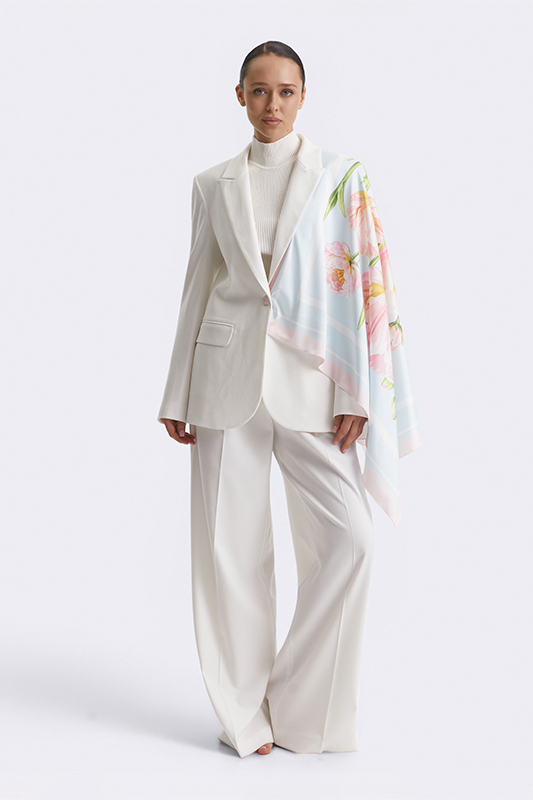
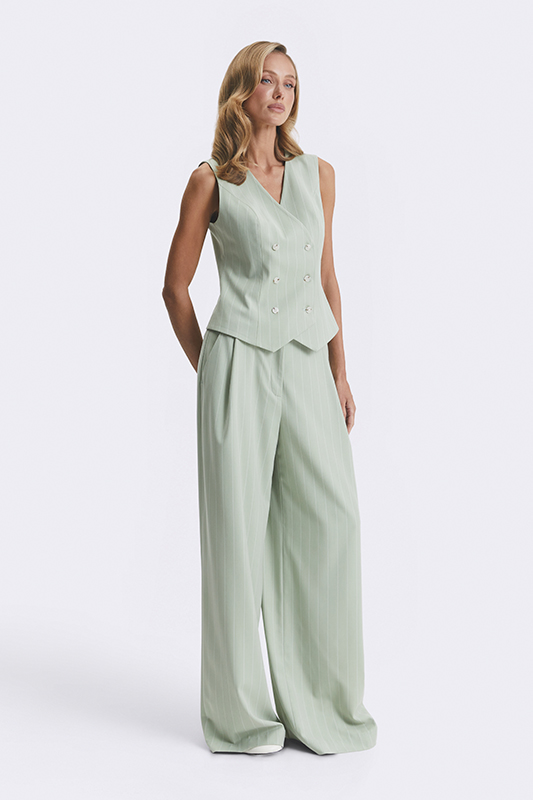
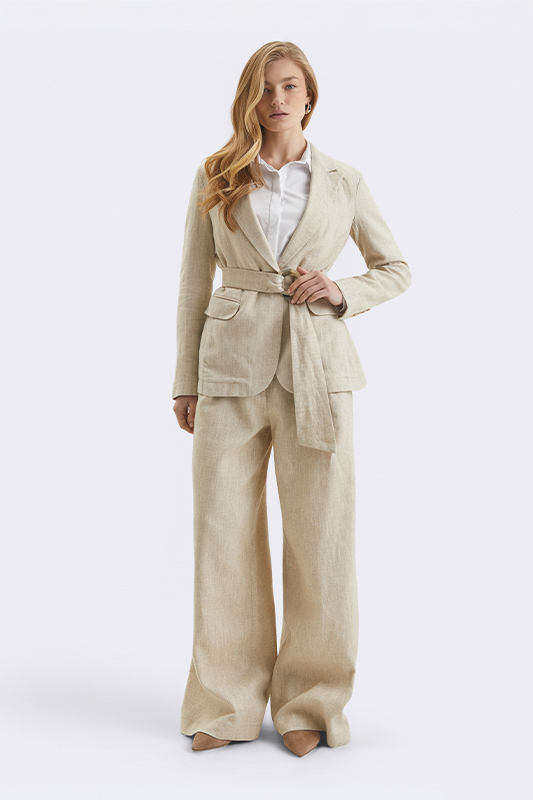
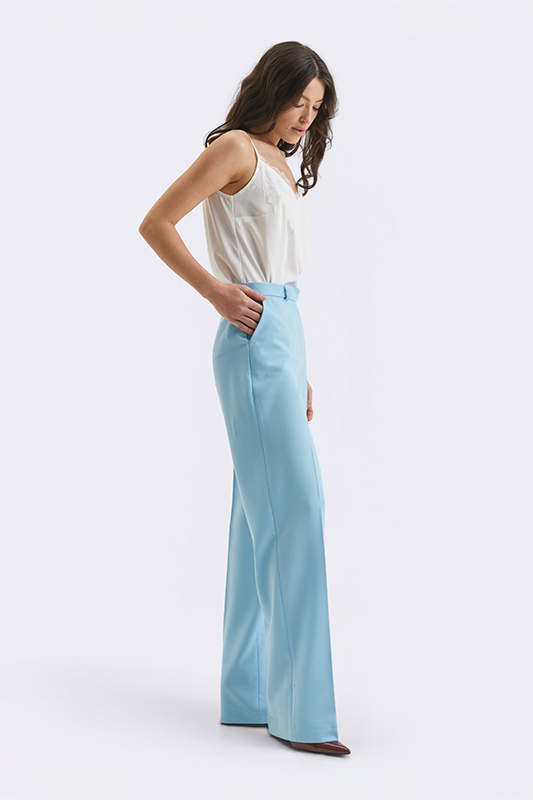
Business casual: always about balance
This is where many people get it wrong. Business casual isn't "anything goes." And it's not "show up to the office in a hoodie."
It's really more about a thoughtfully modern wardrobe — one that keeps professionalism intact while still leaving room for individuality.
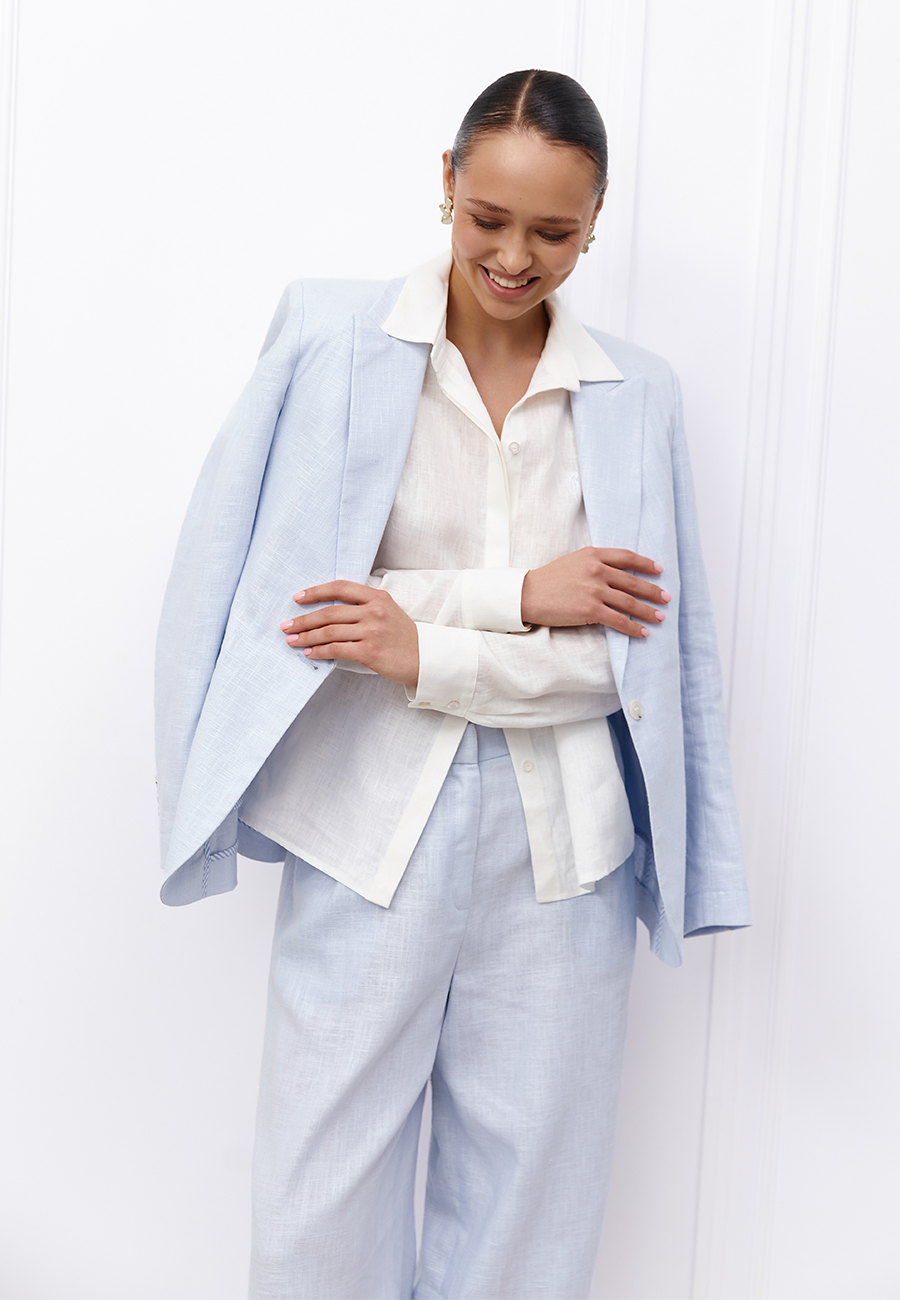
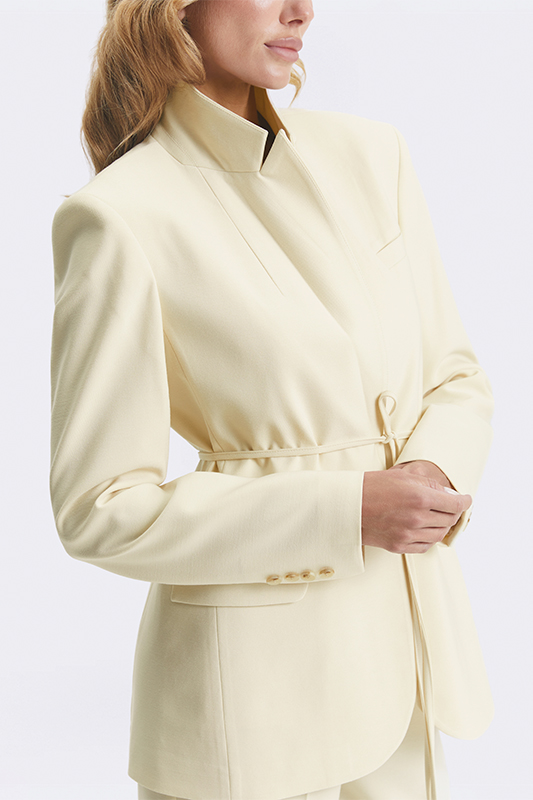
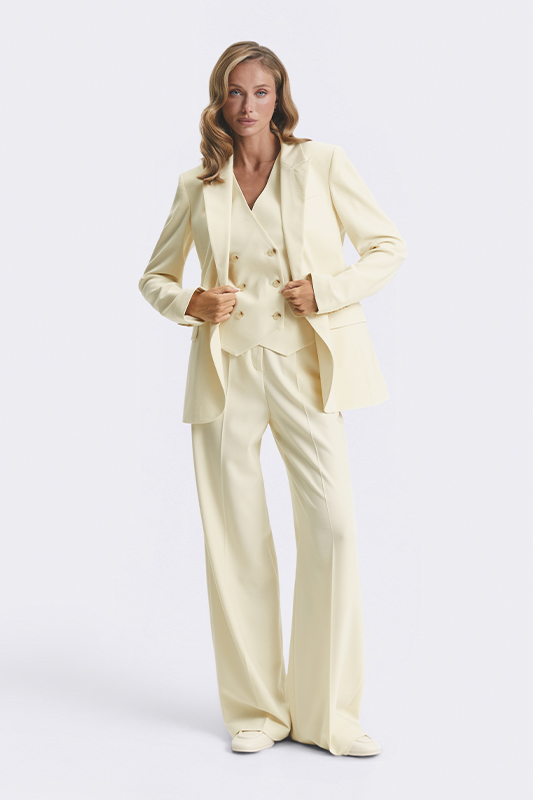
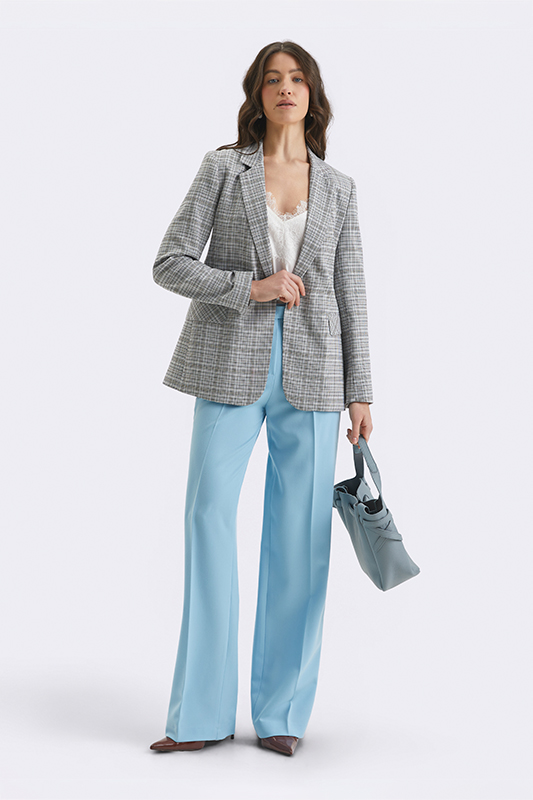
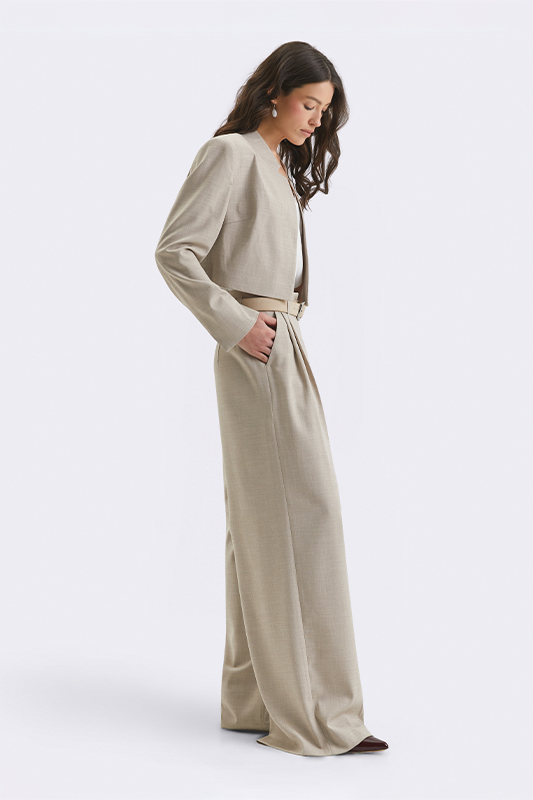
The jacket becomes softer. The palette, more nuanced. A strict shirt gives way to knitwear or a silk top. And classic trousers pair easily with loafers or minimalist sneakers.
Business casual doesn't cancel the rules. It just strips away the unnecessary rigidity.
How to make business casual feel modern
More often than not, good business casual isn't built on quantity. It's built on nuance.
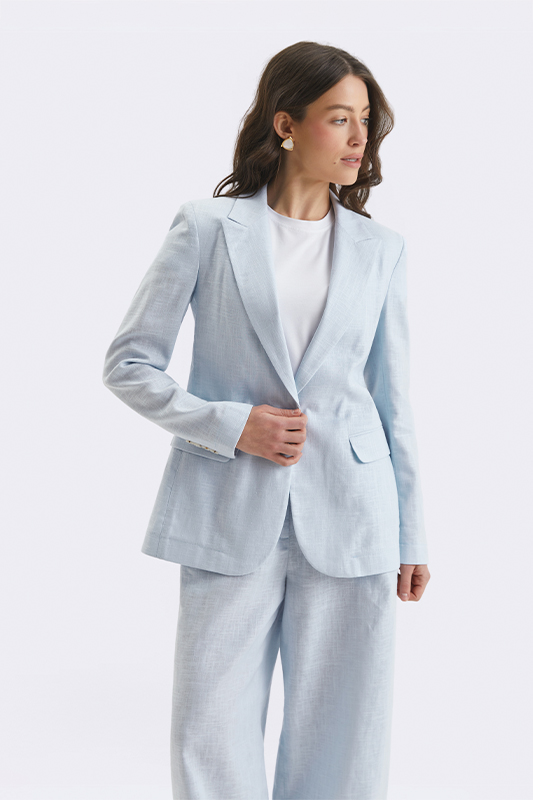
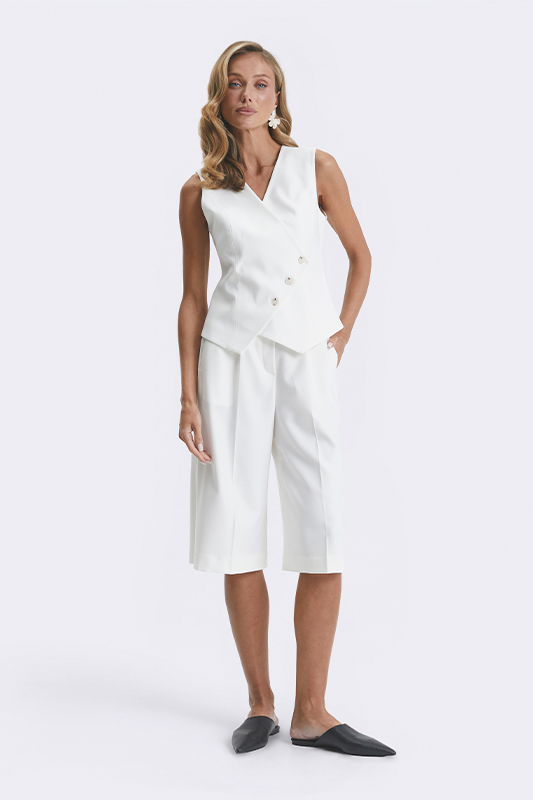
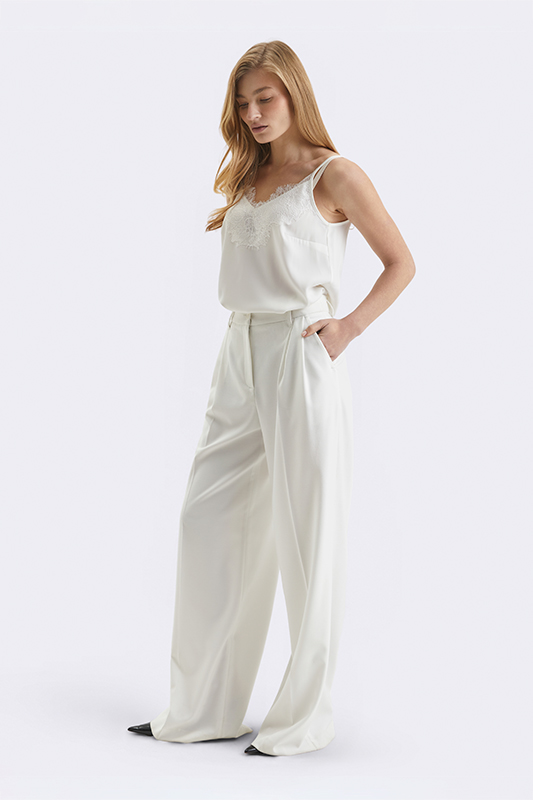
In the warm season, an office wardrobe almost always looks more expensive in a light palette: milk white, cream, light grey, warm beige, muted chocolate.
Sometimes one soft shade is enough — butter yellow, smoky blue, or a complex mint — for a look to stop feeling too "corporate."
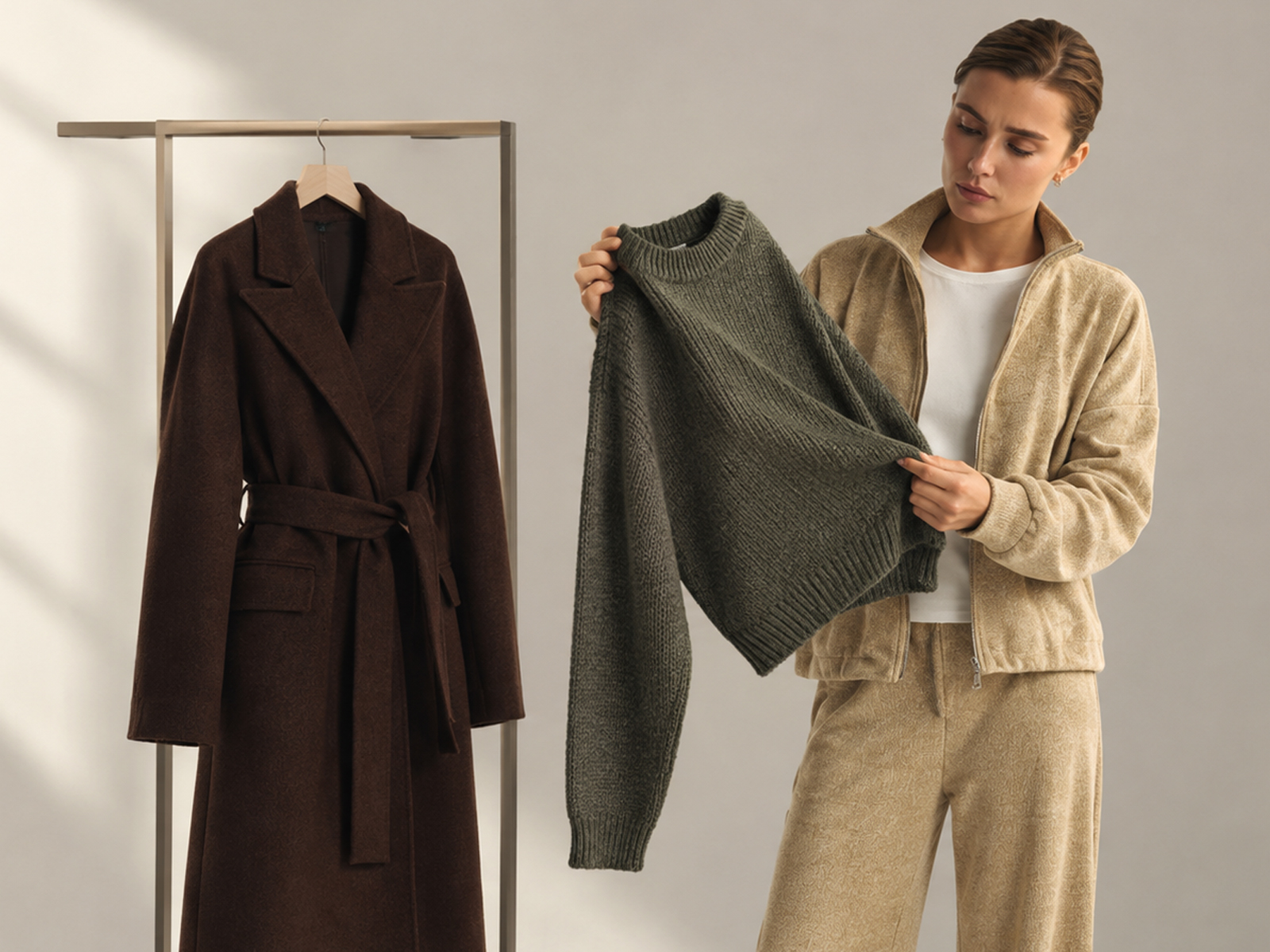
Textures work the same way. Instead of a stiff shirt — matte silk or fine knitwear. Instead of a dense office jacket — a softer silhouette. Instead of contrasting total black — layered monochrome.
Business casual, on the whole, has a real appreciation for restrained half-tones and well-judged proportions. It's exactly these details that create a sense of modernity without visible effort.
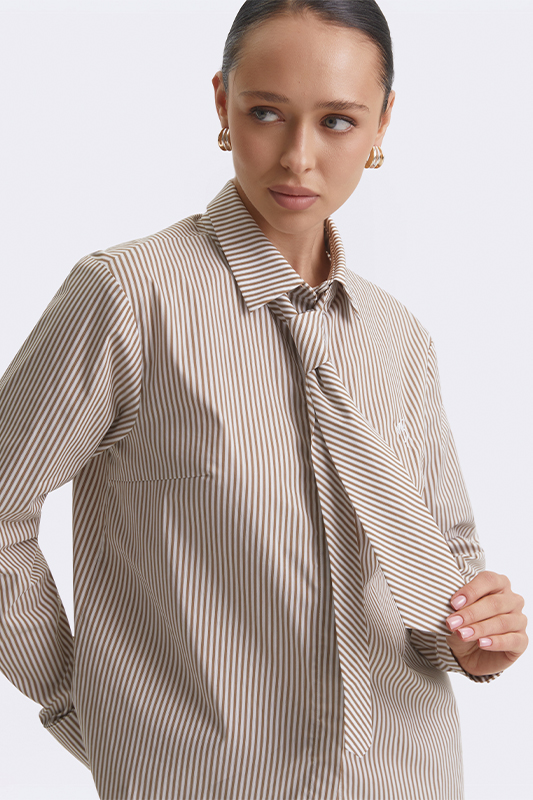
Why the "office uniform" almost never works
Look through old photos of major corporations from the 90s and you'll notice something interesting: everyone is trying to look as "correct" as possible. And almost no one looks alive.
Today that reads as dated — not because the suits were bad, but because the person had completely disappeared from the picture.
That's exactly why the modern business wardrobe is increasingly built around individuality — a very controlled one.
Not "look at me." But "you can trust me."
What you wear to work really does affect communication
And this isn't a fashion myth.
We instantly read other people's clothing: how put-together they are, how attentive to detail, how modern, how conservative, how open or how distant.
That's exactly why the outfit for an important meeting and the outfit for a creative presentation are often different.
A photographer in a strict banking suit might look out of place. And a lawyer in an overly bohemian look might raise questions about their professionalism.
Context always matters.
So which is it?
In truth, most modern women live somewhere between these two systems.
Not in an ultra-strict dress code, but not in complete fashion freedom either.
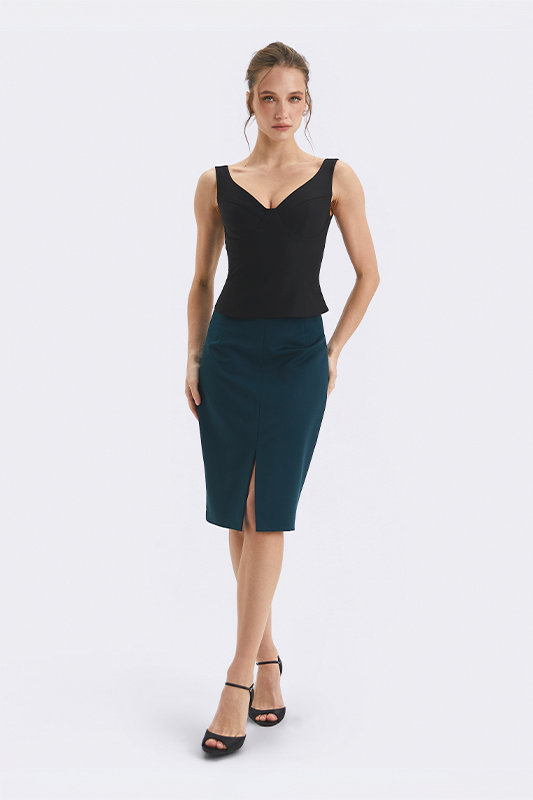
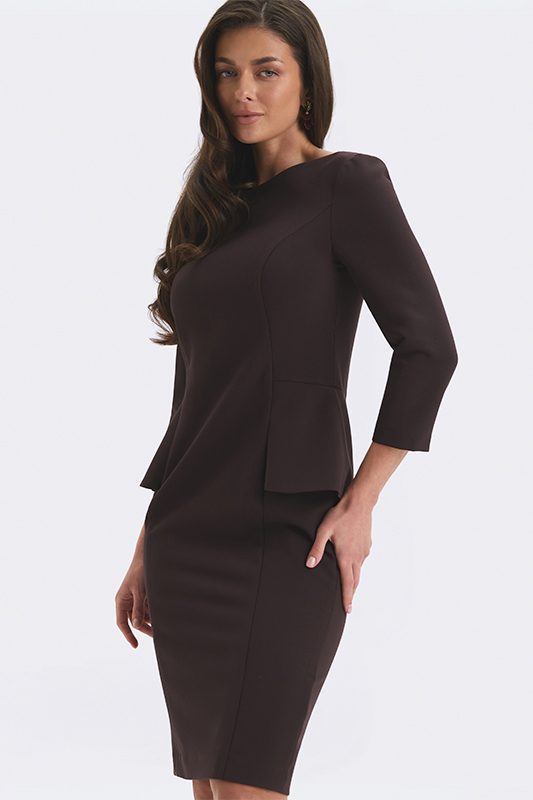
That's exactly why pieces that adapt easily to different levels of formality work so well today: a structured jacket, straight trousers, clean-lined knitwear, shirts without stiffness, suits in complex shades, dresses with a pure silhouette.
The very same pieces can look highly businesslike — or significantly more relaxed. Styling decides everything.
A good business-casual wardrobe is one where the pieces work both for a professional impression and for feeling like yourself.
In Natali Bolgar collections, that line between structure and ease is felt with a light touch.
No office "uniform." But no randomness, either.
The pieces don't pull attention onto themselves, yet they never leave a person looking faceless.
Business style was never about restrictions. It was always about appropriateness. And that's considerably harder — and considerably more interesting.