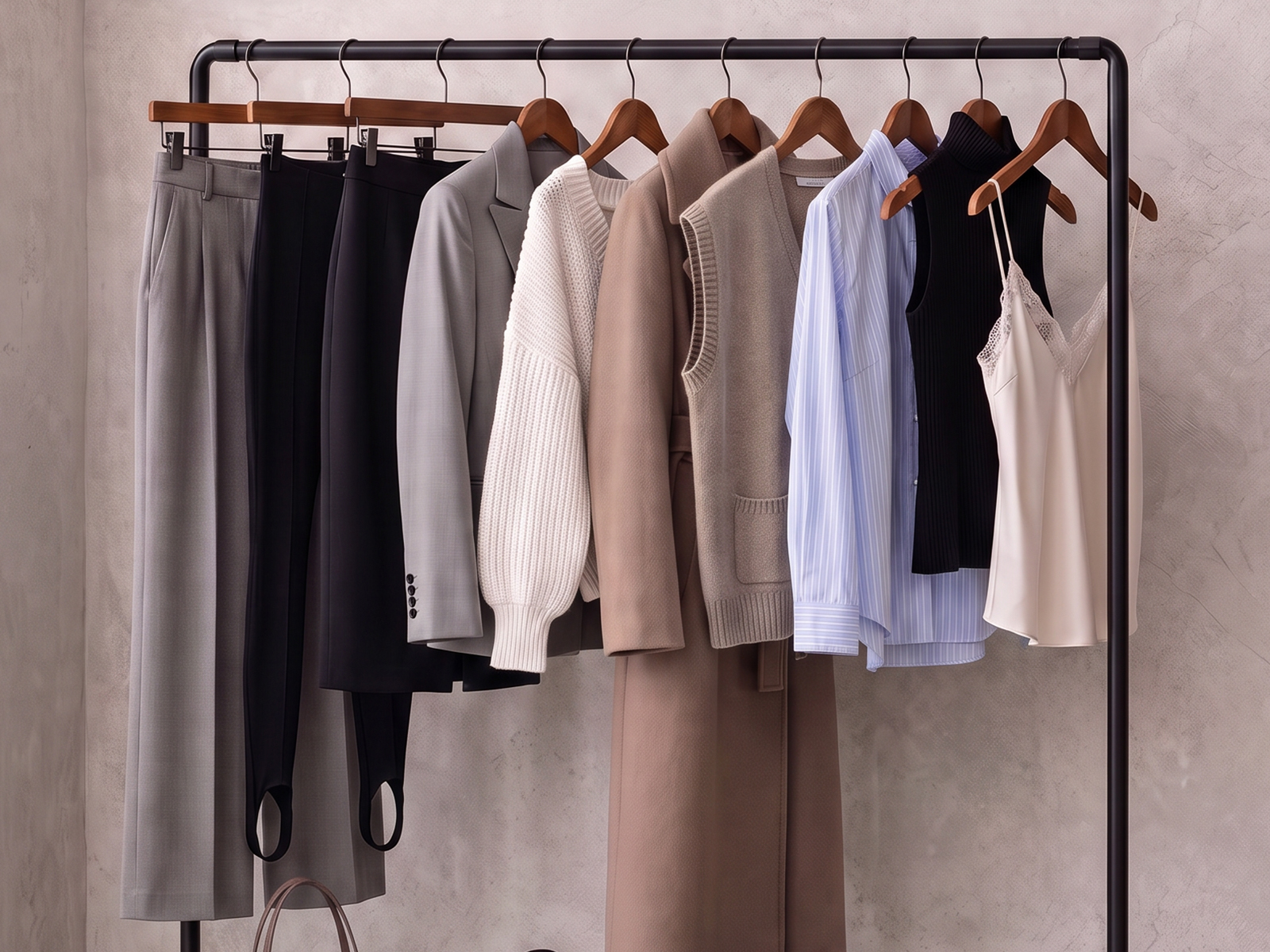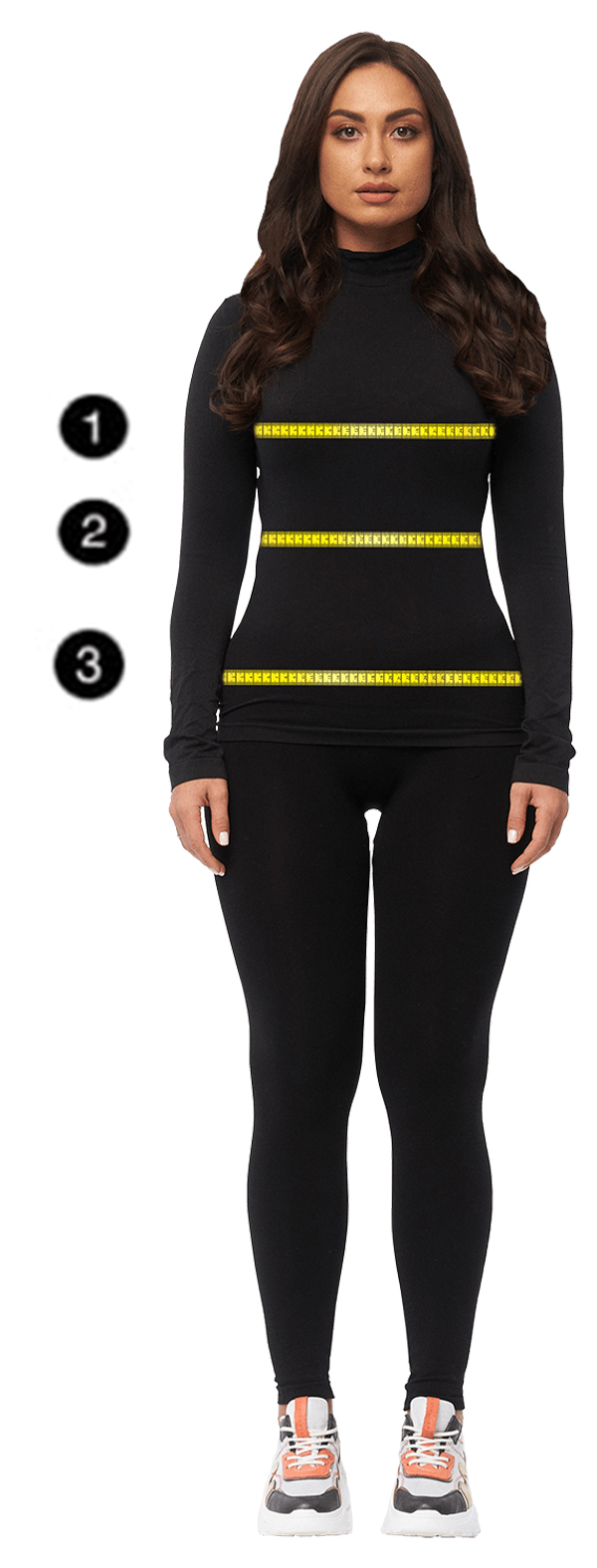
The first day at a new job starts long before you step through the office door. It starts at home, in front of the closet, while a whole carousel of thoughts is already crowding your head: will I remember everyone's names quickly, what will the team be like, will I pick up on the unspoken rules, will I manage, will I find my place among these people? And somewhere in the middle of all that, one more question surfaces: what do I wear?
On the surface, this is a question about clothes. In truth, it's about the moment when a person steps out of one role and into another.
That's exactly why, on the eve of big changes, we look so closely at our wardrobe. We're not just after a lucky combination of pieces. We want to see ourselves in the mirror — just a slightly updated version.
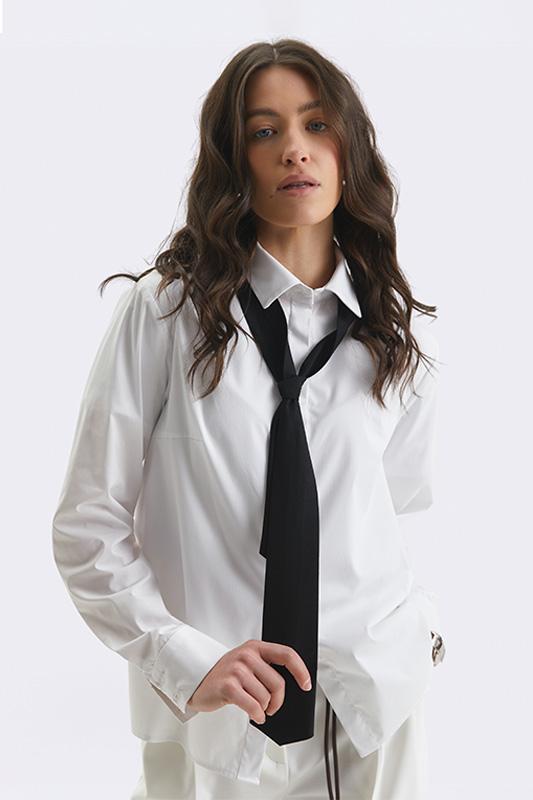
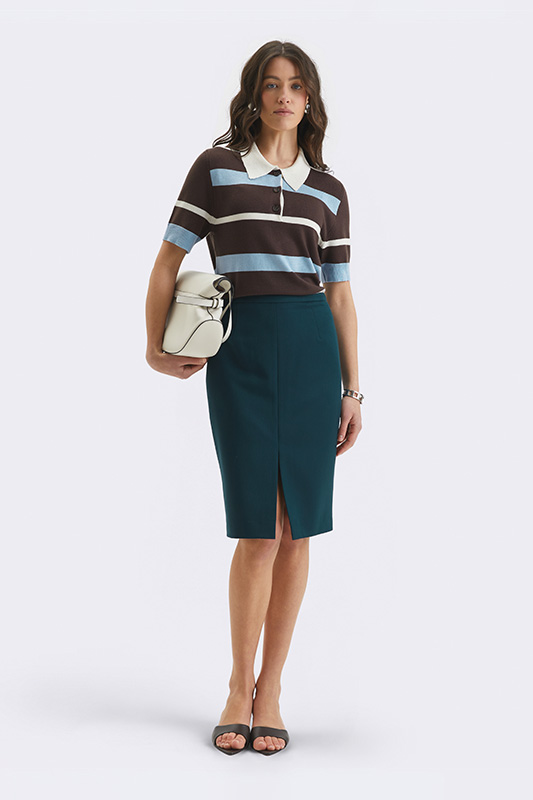
Every new role has its own costume
The theatre knows one thing well: a character isn't always fully born at the first rehearsal. For an actor, the costume can become part of that transition — posture shifts, movement changes, the pace of a walk, gestures, even the way a pause is held. The person still says the same words, but now lives them a little differently.
The costume doesn't create the character. It helps the actor step into the role.
In everyday life we rarely think of ourselves in these terms, though the mechanism itself is familiar. A first date, a new position, a move, an important presentation — almost every change in status has its own moment of transition, and clothing is often its quiet part.
Your first day at work is exactly such a moment. Yesterday you were still a candidate, today you become part of a new team. And that's why the clothes here aren't meant to help you play someone else — they're meant to keep the new role from feeling foreign.
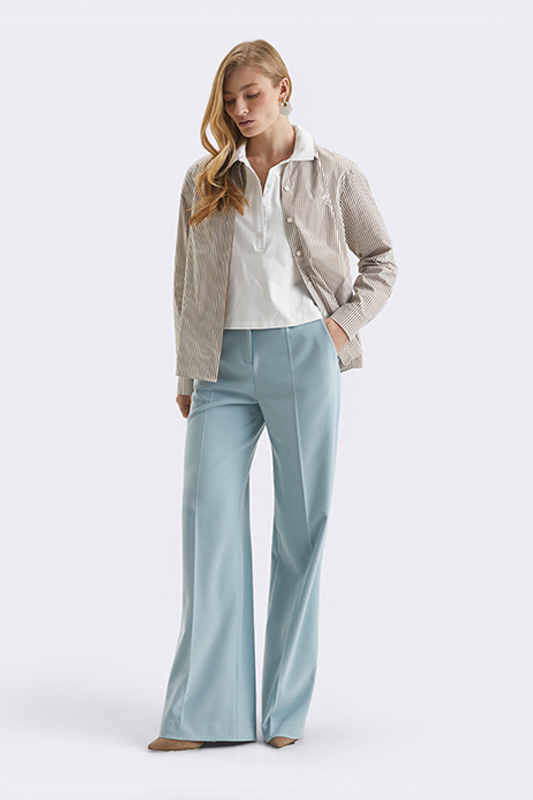
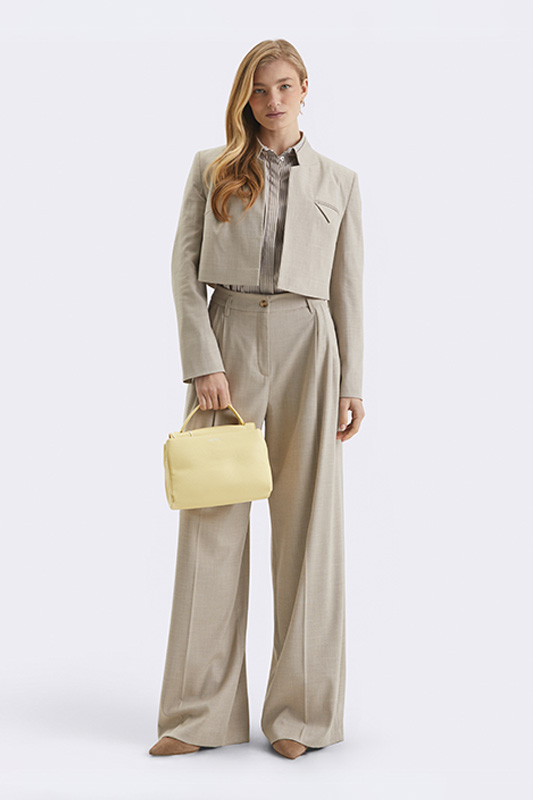
We're not choosing clothes — we're choosing a sense of footing
Sociologist Erving Goffman, in *The Presentation of Self in Everyday Life*, described everyday interaction through a theatrical metaphor: whenever we're among other people, we're constantly reading the situation, the audience, and the impression we're making. This doesn't necessarily mean insincerity or performance — rather, it's the ability to read context and present yourself accordingly.
Clothing is one of the fastest cues in that system. It tells people something about us before the first conversation even starts — but on your first day at work, its job isn't to say as much as possible.
Quite the opposite. There's no need to try to tell your whole story in one morning — your good taste, your love of fashion, your character, the fact that you follow the latest collections. New colleagues won't get through that whole novel in a single day anyway.
Style, like trust, reveals itself gradually. So a good outfit for the first day isn't the one that speaks the loudest. It's the one that gives you enough footing to focus on the meeting itself.
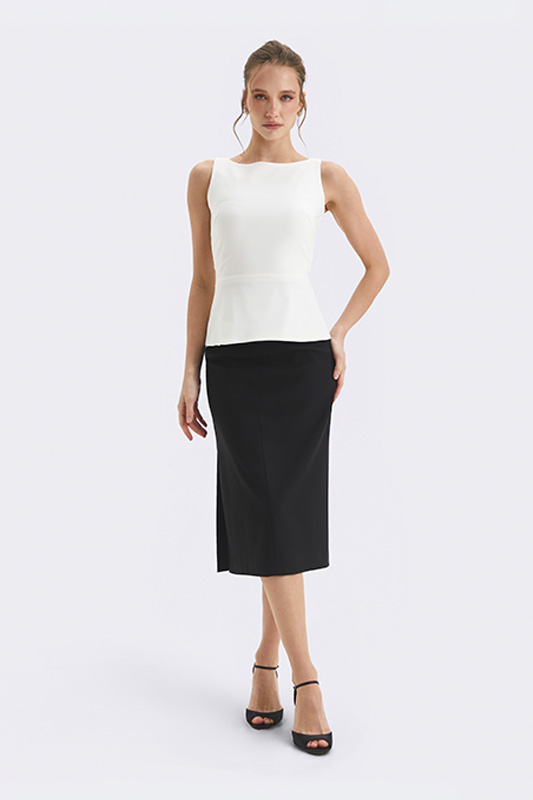
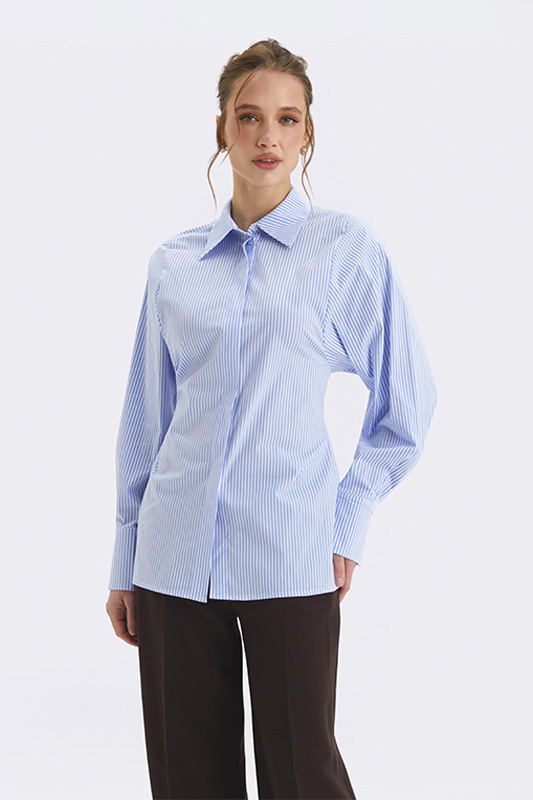
First, read the room. Then add yourself to it
Your first day at work isn't the best moment to lay everything about yourself out at once. You don't yet know the people sitting across from you, their habits, the pace of work, the unwritten rules, or even where the line runs here between "appropriate" and "too much." So don't rush to express yourself right away — better to observe a little first.
There's something almost paradoxical in this: the strongest urge to make a statement about ourselves shows up exactly when we know the least about the environment we've just entered.
That's exactly why, before your first day, it's worth looking not only at your own wardrobe but around you too. How do people at the company dress? How formal are the meetings? What did you notice during the interview? Is there a clear dress code here, or does everyone interpret it their own way?
This doesn't mean copying your colleagues. On the contrary — once you understand the context, you gain more freedom to be yourself. You can wear a jacket not because "that's what the office requires," but because it fits the atmosphere while giving you the sense of composure you need; choose a dress that doesn't compete with you for attention; add a color, a piece of jewelry, or another detail that genuinely belongs to your style.
Individuality doesn't have to announce itself — sometimes it just needs to be noticeable.
This is exactly where good style differs from a wardrobe display. It doesn't try to explain you in a single day.
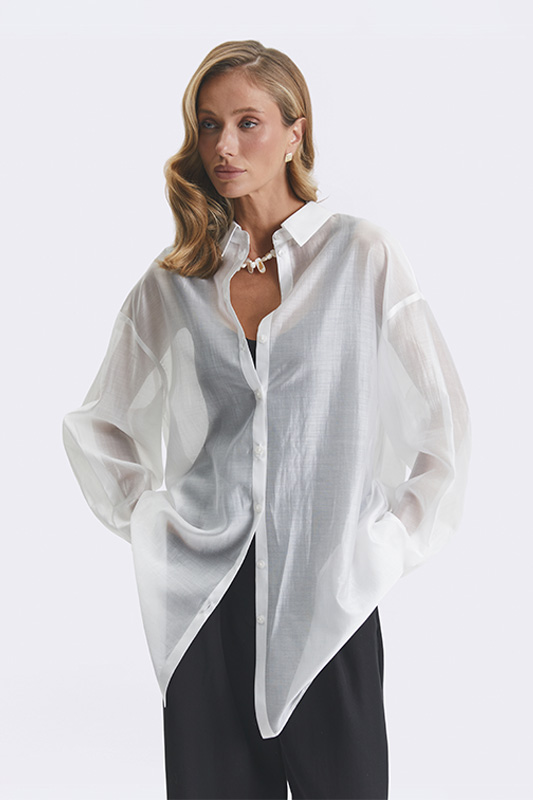
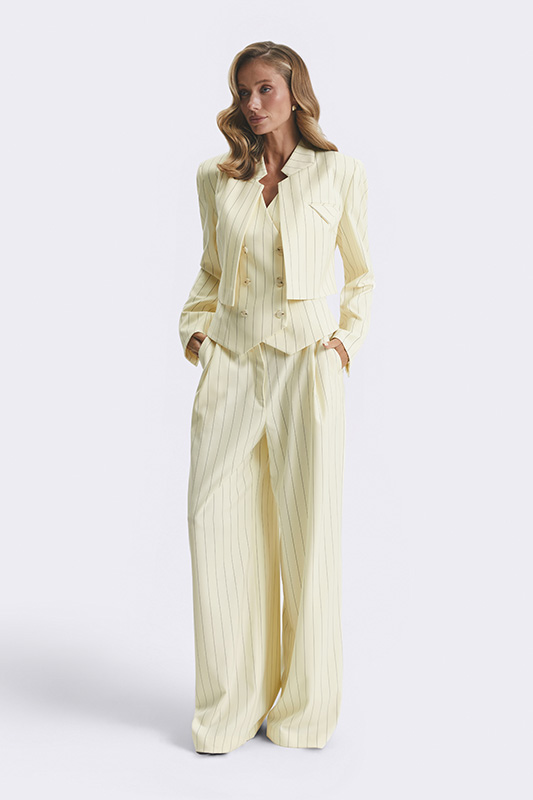
A first impression is only the first draft
We tend to talk about first impressions as though they form in a few seconds and can barely be changed after that. In reality, an early impression does shape how a person reads later information, but it isn't a final verdict. New encounters, actions and shared experience gradually fill in the first picture.
So your first day at work isn't an exam where you have to prove who you are in a single appearance. It's more like the first draft of your image in a new team.
And here a more interesting question comes up than "what's fashionable to wear right now?": what does my look say about me — and does it match what I actually want to say?
A very strict suit can communicate more about status than you intended. An overly trend-driven look can shift the attention onto the clothes themselves. Too many accents at once can create a tone you never meant to set.
None of this is wrong in itself. It's just that clothing always adds something to our message. And on the first day, it especially matters that this "something" is in perfect harmony with you.
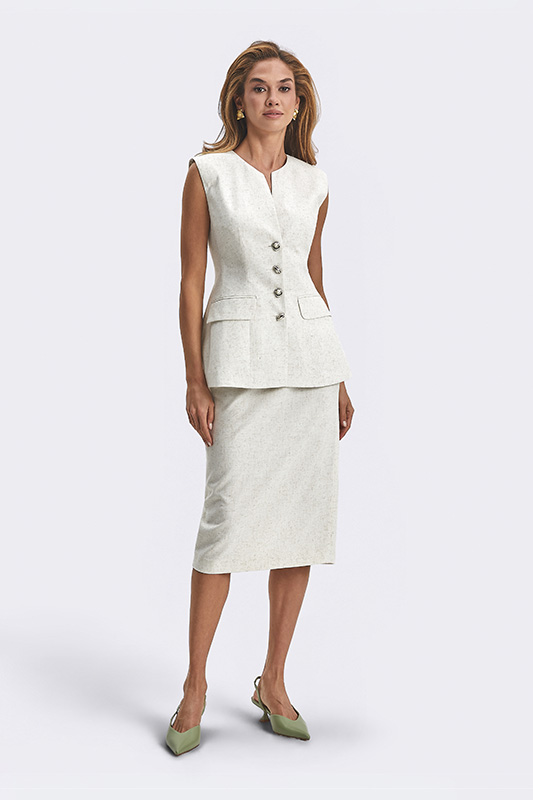
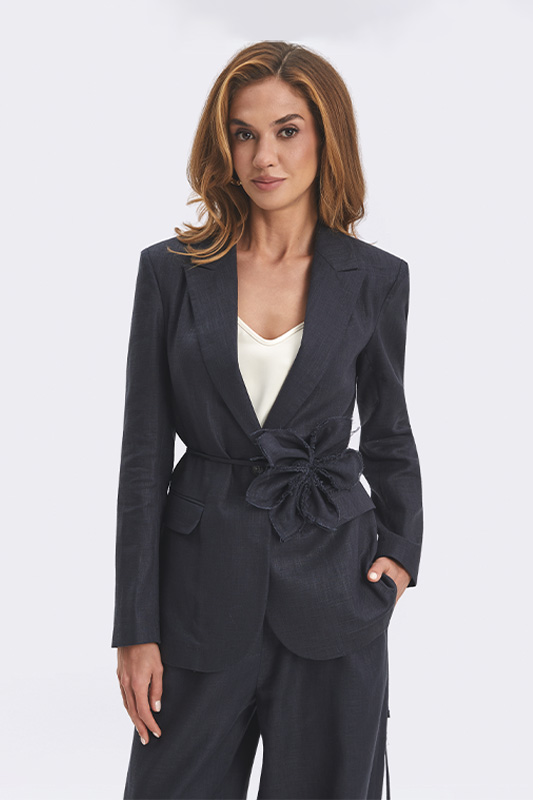
What to wear on your first day
After all this talk of roles, signals and context, the answer, thankfully, turns out to be quite practical.
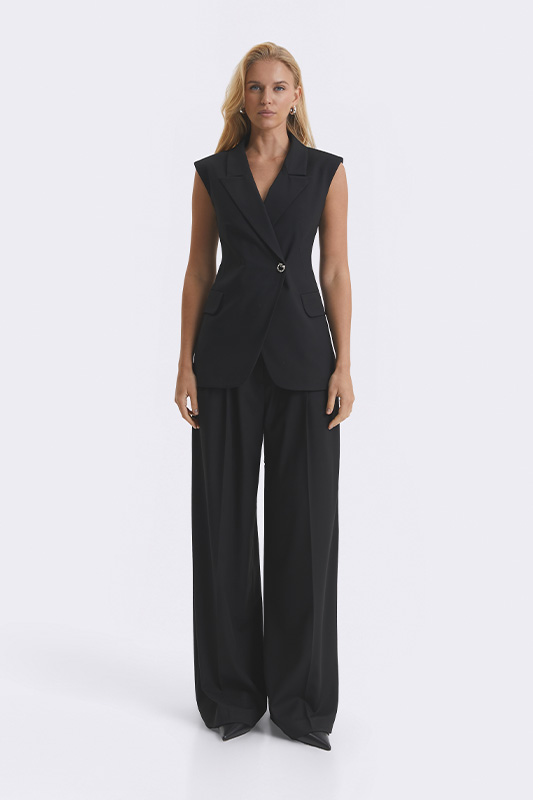
Start with pieces you already feel confident in. This particular morning is not the time to test a new silhouette, experiment with unfamiliar shoes, or build a look around something you've never worn for a full day before. A new job will already bring plenty of the unknown — let the clothes, at least, behave predictably.
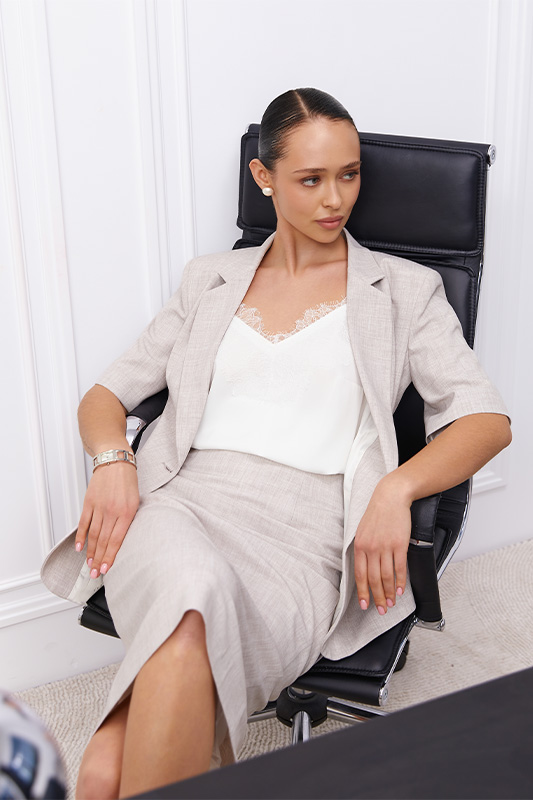
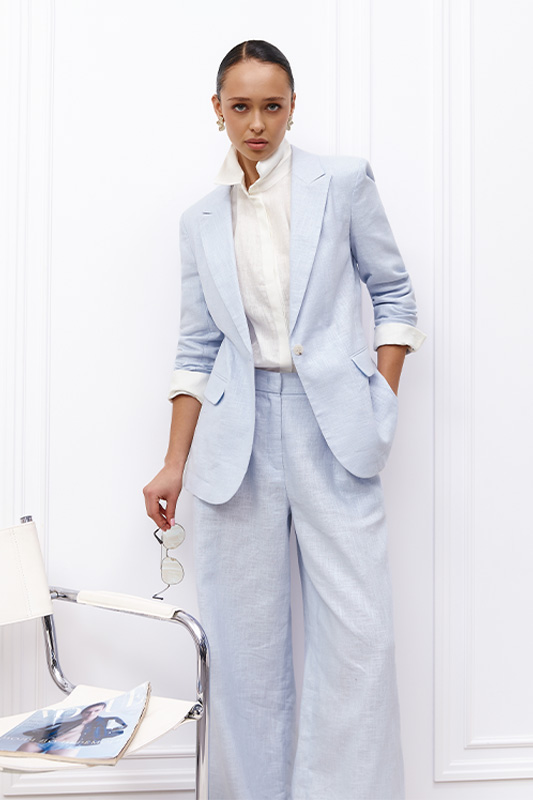
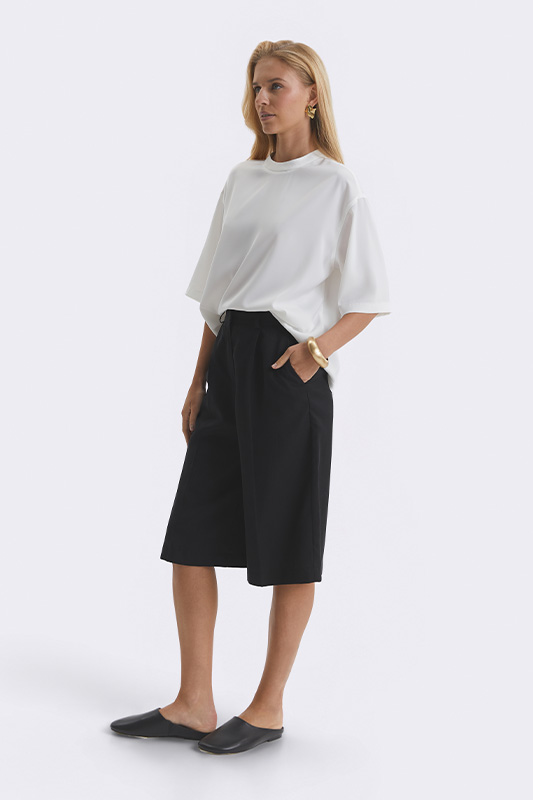
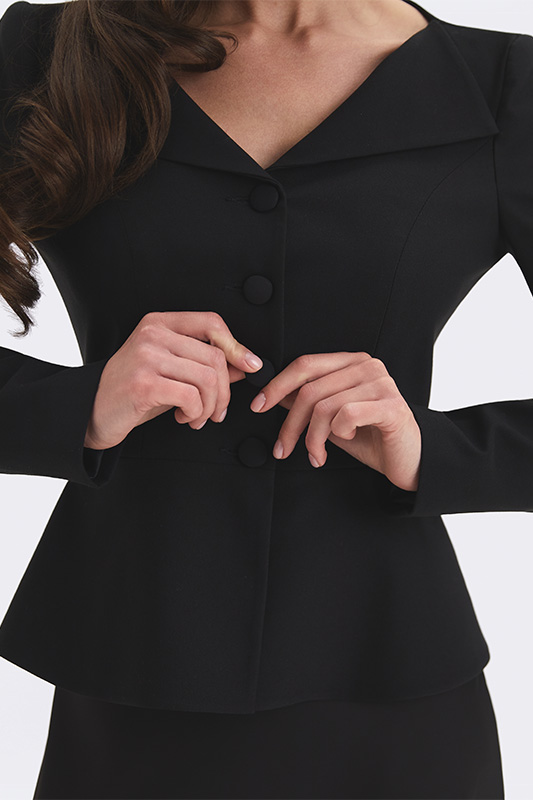
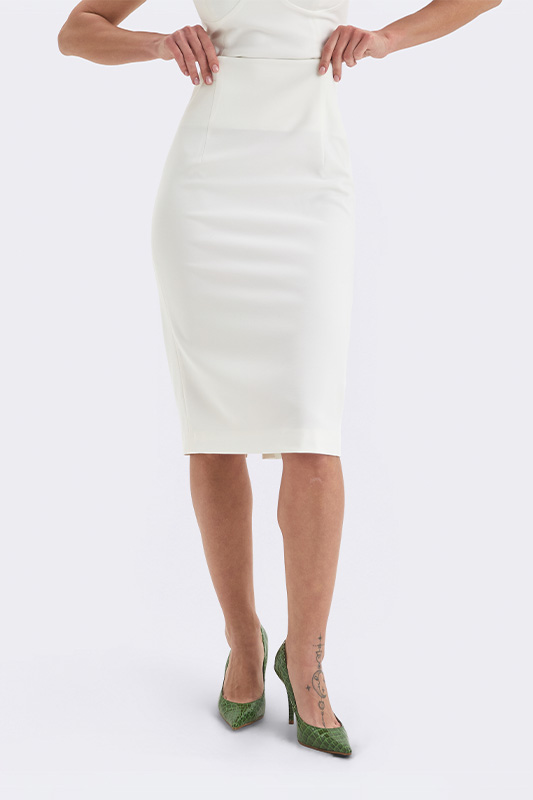
Next, look at proportions and the level of formality. If the setting is business-like, a structured jacket, a shirt, straight trousers or a restrained dress will give you the base you need. If the atmosphere is more relaxed, you can build that same sense of composure with a softer jacket, knitwear, easy trousers, or another less formal combination.
And finally, leave in one or two details that speak specifically to who you are. Not the whole wardrobe at once — no one asked for that. A color, a piece of jewelry, an interesting texture, distinctive glasses, or some other small detail you genuinely love is enough.
The first day isn't the moment for a fashion manifesto, but becoming someone's copy for the sake of "making the right impression" isn't the answer either.
The best look isn't the one everyone will remember
Something strange happens with first impressions: we devote a lot of attention to them, yet afterward we almost never remember the details.
What we do remember is something else: who spoke to us first, who listened carefully, who asked a good question, who wasn't afraid to say "I don't know that yet," who turned out to be pleasant company.
That's exactly why clothing shouldn't pull all the attention onto itself. Its job is far more subtle: to help you feel like you belong, while that place is still only just becoming yours.
We wrote in more detail about why clothing affects not only how others see us, but our own sense of self, confidence and behavior, in the article "The Psychology of Clothing".
And then the whirl of thoughts settles
At first it seems like you'll remember this morning forever: standing in front of the closet, how many times you changed the outfit, whether you picked the right shoes, whether you look too formal.
Then a few weeks go by. You no longer think about how you're perceived. You know where the coffee is, who to ask when you have a question, how the meetings run, who likes to chat before the workday starts. You have your own jokes, your own routes, your own people.
And one morning you simply get dressed and walk out the door — without long hesitation in front of the mirror, without any urge to explain in advance who you are.
That, perhaps, is exactly when the new role becomes truly yours. And the clothes that started it all return to where they belong — the background.
Because style doesn't help us become someone else. Sometimes it simply gives us the courage to take the first step toward the version of ourselves we're already ready to become.