There was a time when fabric itself was fashion's greatest luxury.
In the 18th and 19th centuries, precious lengths of silk, wool, or fine linen were gifted no less often than jewelry. They were brought in from other countries, kept for years, and passed down through generations. More often than not, a garment's value came not from the complexity of its cut, but from the quality of the material itself.
Frankly, little has changed in two hundred years.
Fashion can endlessly reinvent silhouettes, hemlines, or trending colors. But it's still the fabric that decides how a piece will look a year from now: whether it holds its shape, pills, or starts looking "tired" after just a few washes.
It's no accident that after World War II, Christian Dior's revolutionary New Look became a symbol of luxury's return — not only for its silhouette, but for the sheer amount of fabric it used. Dior's full skirts were a statement in themselves: the era of scarcity was over, and fabric could be "spent" again.
And in the 80s, Miuccia Prada changed the way we think about fabric altogether, turning industrial nylon into a luxury material.
Fashion stopped being just about "expensive" and "natural" a long time ago. Now the story is far more interesting.
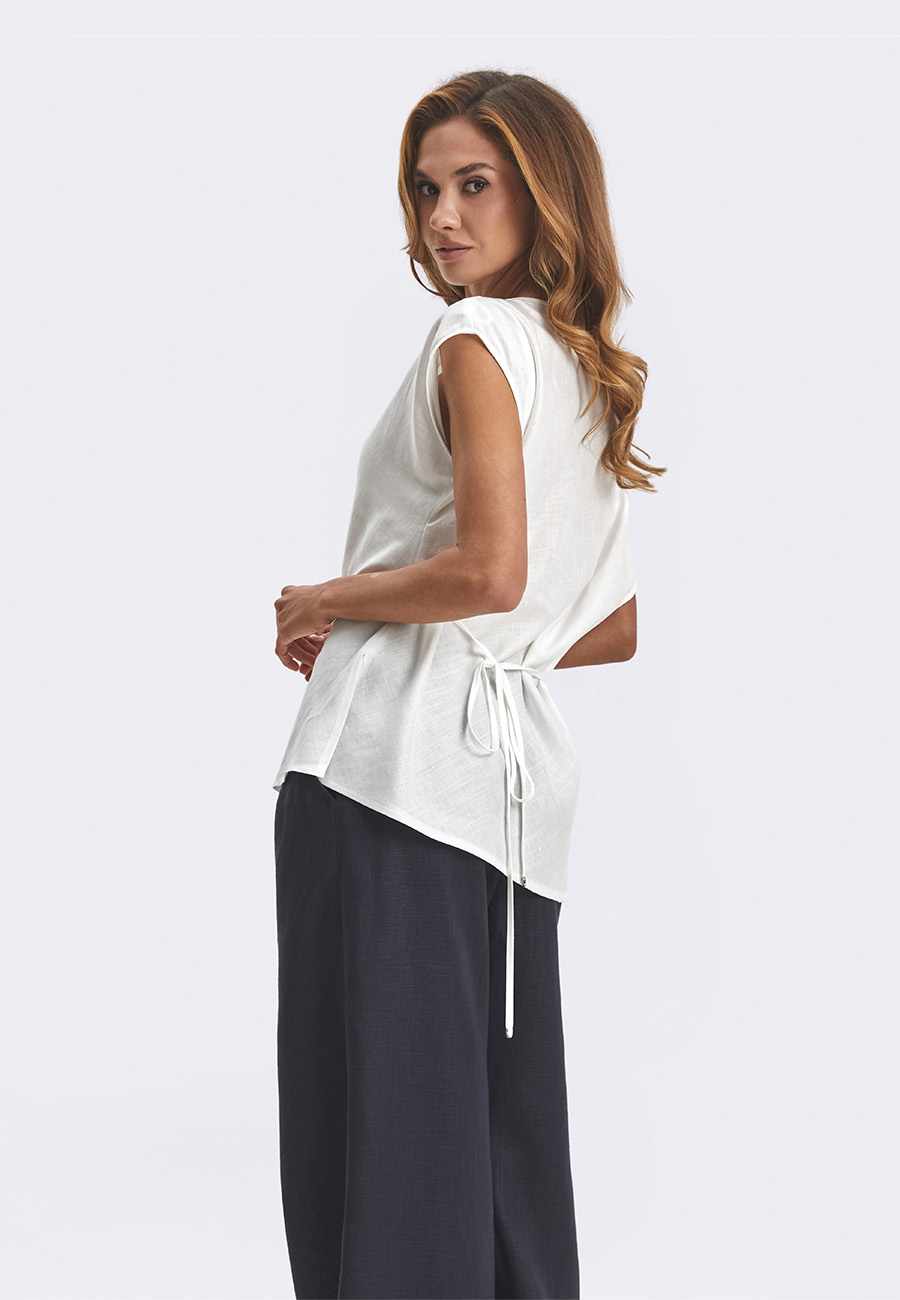
Why "100% natural composition" isn't always a good thing
This is one of fashion's most persistent myths. People still tend to think in simple terms: natural is good, synthetic is bad.
The trouble is, real-world production is far more complicated than that. Pure linen with no blend, for instance, looks beautiful for the first half hour. Then it starts creasing heavily, losing its shape, and quickly looking untidy in an everyday city wardrobe.
That's exactly why good brands rarely work with "pure" fabrics. Blended materials behave more predictably: they hold their shape better, deform less, stay neat for longer, and are simply more comfortable in daily life.
The same goes for many modern suiting, shirting, and summer fabrics. The question hasn't been about natural fibers alone for a long time now — it's about how a garment behaves after dozens of wears.
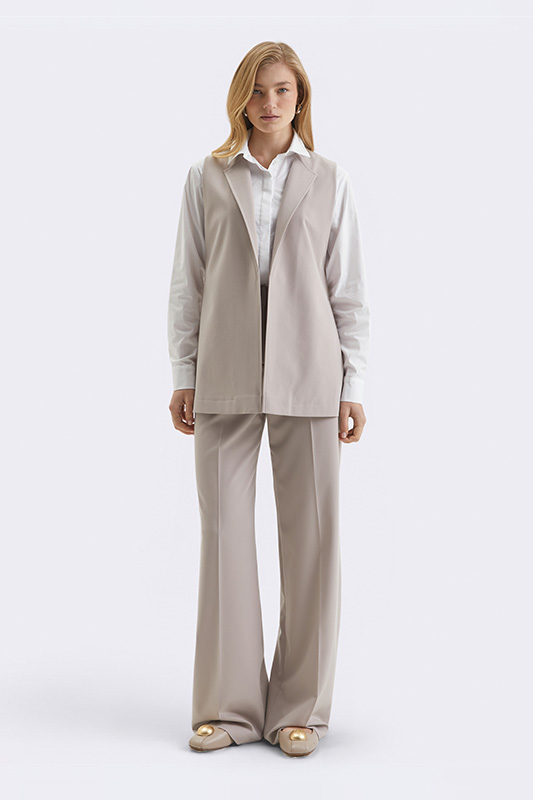
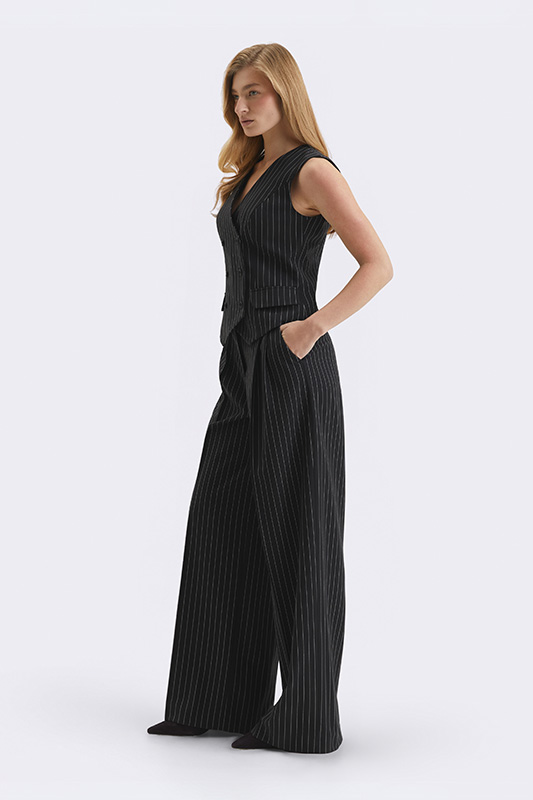
Quality suiting fabric is never "accidental"
Brands that have spent years specializing in tailoring know this better than anyone.
A perfect suit is always a careful balance: structure, drape, weight, and how the fabric behaves in motion.
That's why modern suiting fabrics are rarely made from a single fiber. Viscose adds softness and color depth, polyester provides durability and shape retention, and a touch of elastane guarantees ease of movement. You can feel the difference the moment you put it on.
A high-quality suiting fabric never feels "office-stiff." It moves naturally with you, doesn't crease at the elbows and knees, doesn't stretch out even after many wears, and holds its shape perfectly after dry cleaning.
Suiting fabric, in fact, is one of the quickest giveaways of a brand's caliber. Cheap fabric shows itself immediately: excessive sheen, a too-flat surface, stiffness, or a fabric that literally "rustles" when you move.
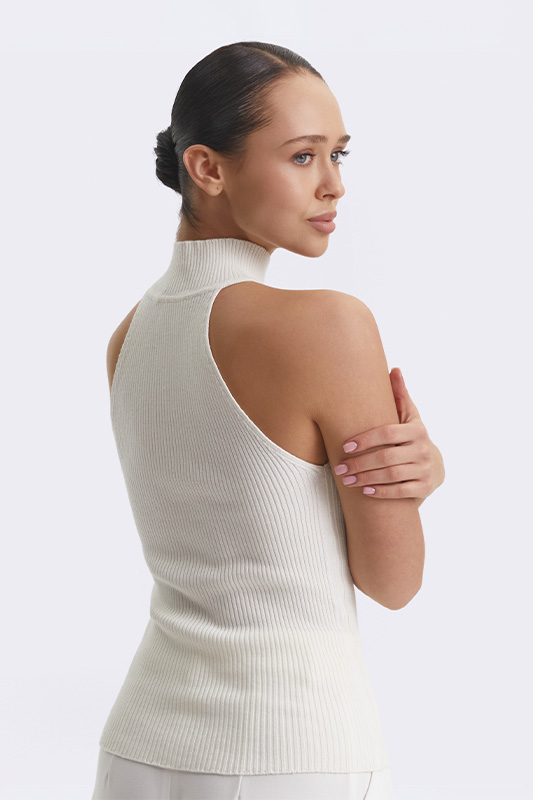
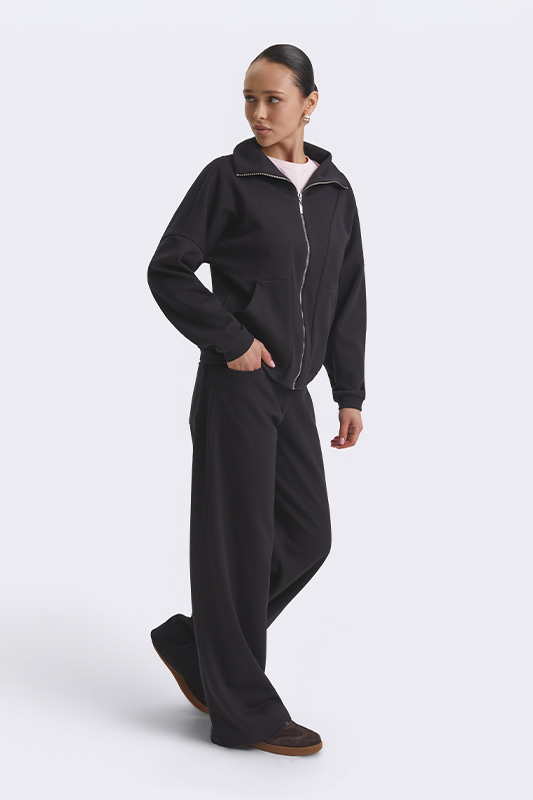
Good knitwear is obvious even in the store
And it's knitwear that gives away a garment's quality fastest of all.
Cheap knit fabric often looks "worn out" while it's still on the hanger: stretched cuffs, a thin loose surface, an uneven structure, fabric showing through where it shouldn't.
Quality knitwear behaves differently. It holds its shape without feeling stiff, doesn't twist after washing, and doesn't stretch out after just a few wears.
The density of the fabric matters enormously here. It's exactly what creates that "expensive-feeling" basic — even if it's just an ordinary long-sleeve top or a simple knit set with no elaborate design.
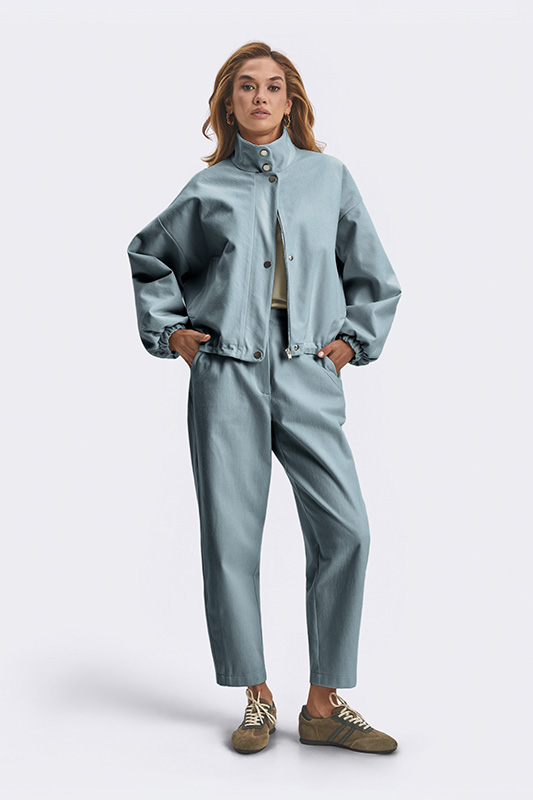
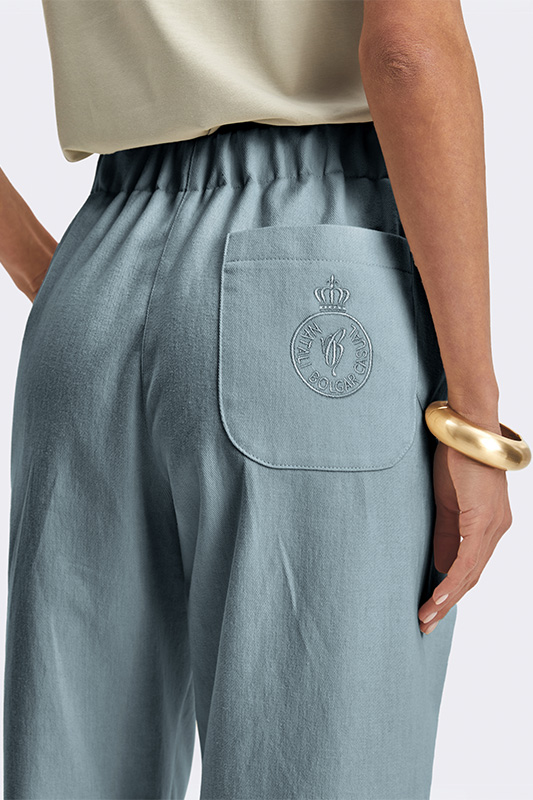
Denim should age beautifully
This is, arguably, the main criterion for good denim.
Quality jeans don't just fit well in the fitting room. They adapt to the person wearing them, rather than losing their shape after a few outings.
Good denim doesn't twist after washing, doesn't sag at the knees, doesn't turn "cardboard-like," and doesn't look dated after a single season.
Denim that's too thin, by the way, almost always looks cheaper — even with a good cut.
Denim is also an excellent indicator of dye quality. If a noticeable blue pigment rubs off onto your hands after just a few touches, the garment will most likely lose its color intensity quickly.
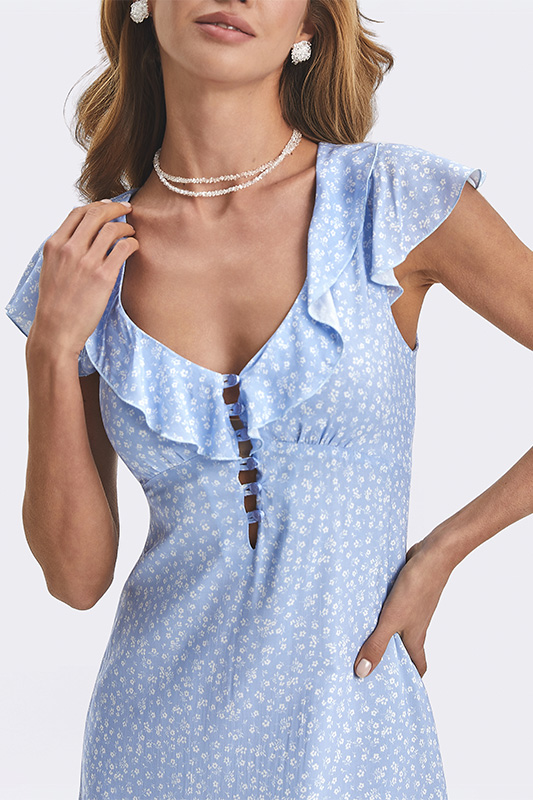
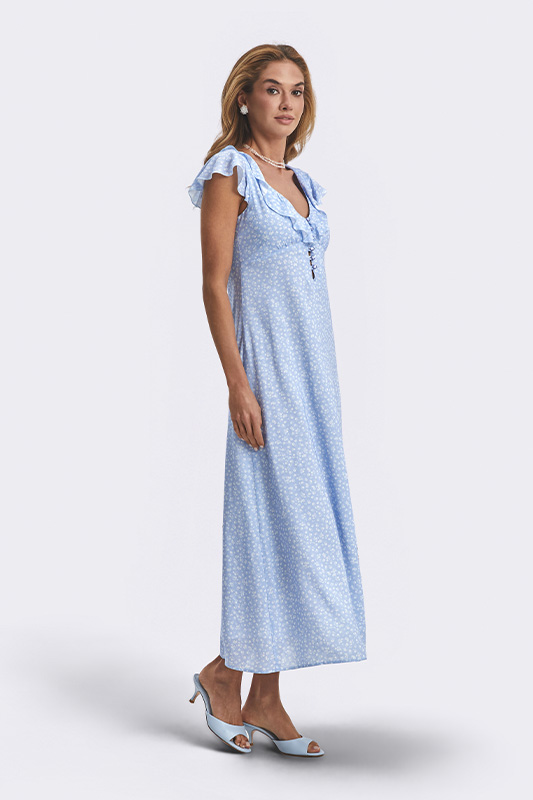
Viscose is one of the most underrated fabrics
It rarely gets talked about as much as linen or cotton. And that's a shame.
Good viscose gives a fabric drape, beautiful movement, and that soft depth modern minimalism loves so much.
That's exactly why it's so often used in dresses, shirts, and suiting pieces. But there's a catch. Cheap viscose gives itself away almost instantly: it skews at the seams, can shrink after washing, loses its shape, or looks too thin against the light.
Good-quality viscose, on the other hand, has real weight, drapes beautifully, and never feels "flat."
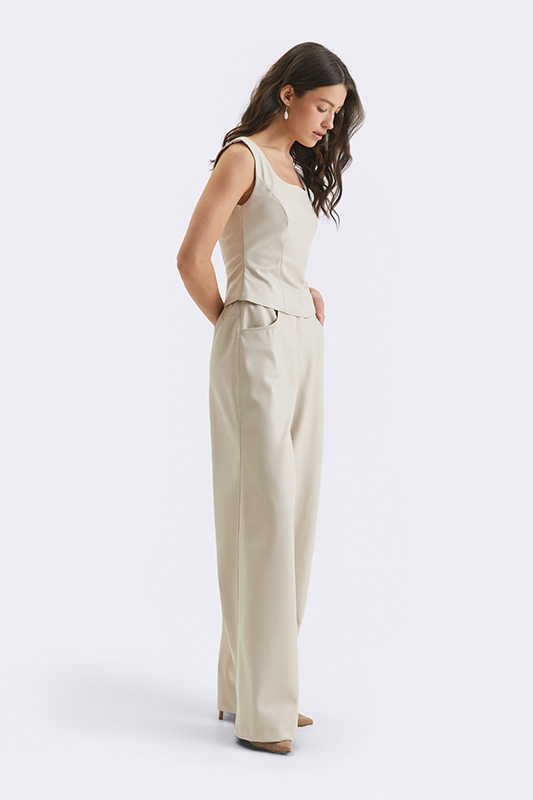
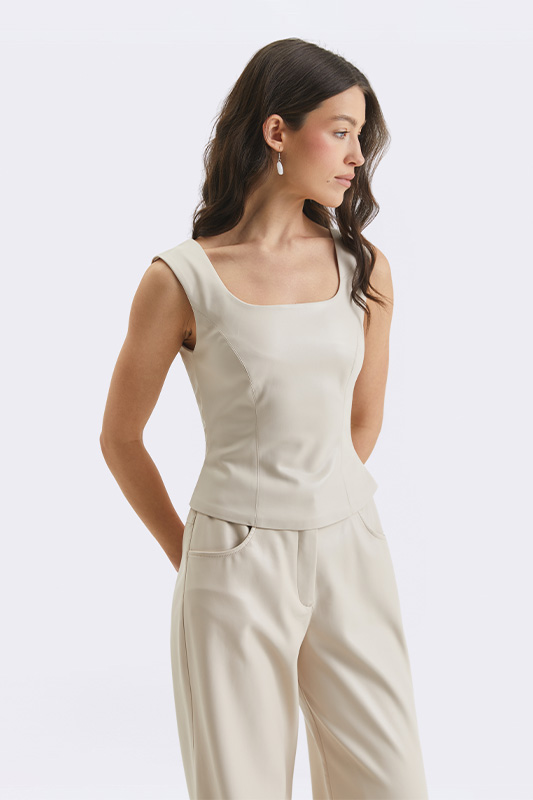
Vegan leather stopped being a compromise long ago
Ten or fifteen years ago, vegan leather was often associated with something stiff, shiny, and short-lived. Today, the industry looks completely different.
Modern high-quality vegan leather can be soft, supple, matte, and very comfortable to wear. That's precisely why it's increasingly used not only by mass-market brands, but by today's premium segment as well.
And it's not just about ethics or a global shift in attitudes toward natural fur and leather. Fashion has become significantly more advanced technologically.
What matters now is different: how the material behaves in real life, how it holds its shape, how it responds to movement and light. Good vegan leather today doesn't "imitate" the real thing.
It functions as its own modern material category — with its own drape, density, and character.
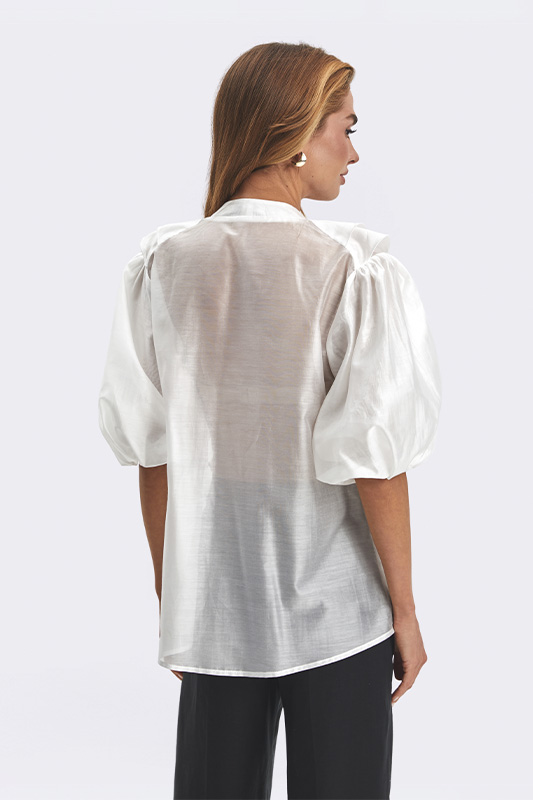
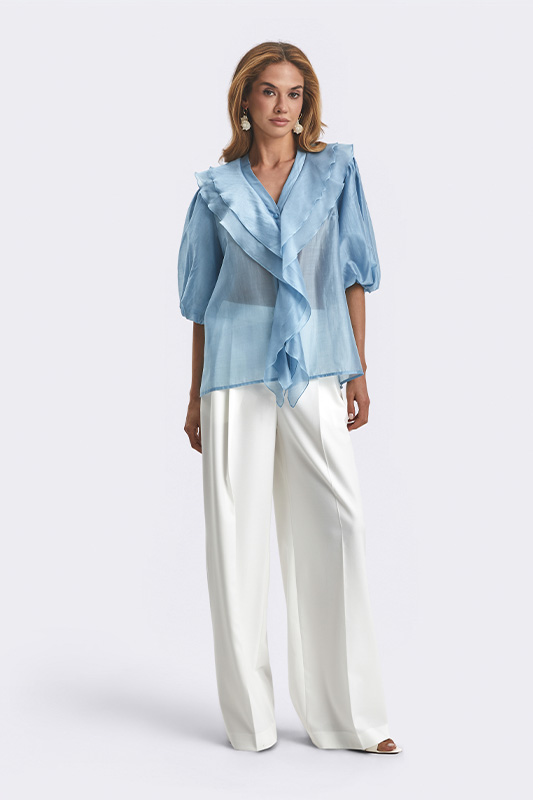
Why brands are increasingly turning to tencel
Just a few years ago, this fabric barely made it outside professional industry circles.
Today, tencel is widely used by brands working within the modern relaxed-luxury and minimalist aesthetic. And it's easy to see why.
Tencel drapes softly, has a matte surface, moves beautifully, and is far more practical than many delicate fabrics — especially in summer.
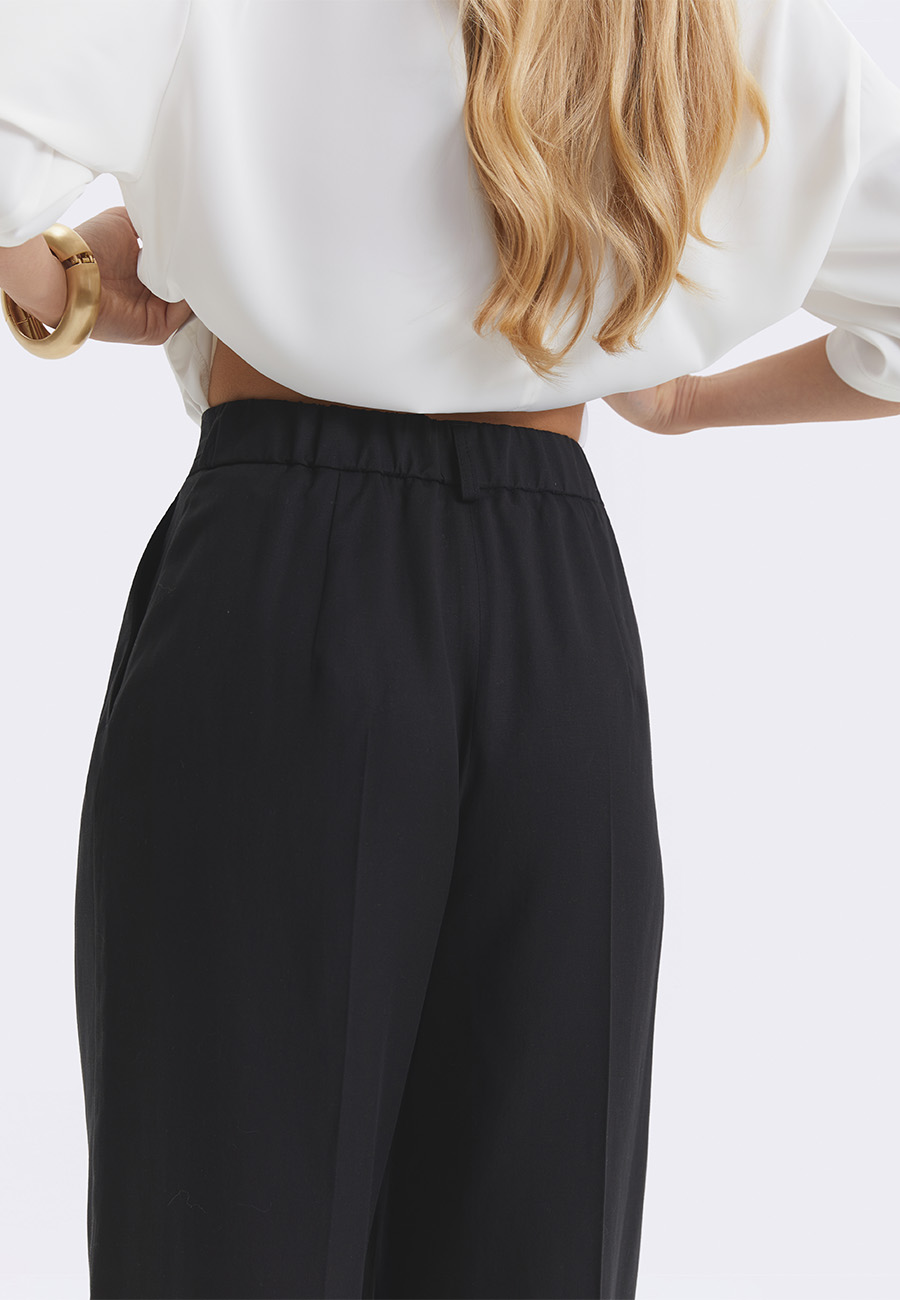
How to spot quality instantly
Here are a few key things worth checking right in the fitting room.
Check the fabric in daylight
Daylight is the best indicator there is! It instantly exposes cheap materials. Quality fabric always has depth and texture, while budget fabric often looks flat or has an unnatural sheen.
Scrunch the fabric in your hand
Quality material bounces back quickly. If creases remain right away, the garment will most likely lose its neat look very fast.
Check the seams and fold lines
That's exactly where problems show up first: skewed lines, rippling, cracks in vegan leather, fabric deformation.
Judge the weight of the material
Fabric that's too lightweight often loses its shape faster. This is especially noticeable in suits, knitwear, and denim.
Run your hand over the surface
Quality fabric almost always feels "alive." No dryness, no plastic-like texture, no excessive slipperiness.
Watch how the garment moves
Sometimes everything looks perfect on the hanger. But the fabric starts to "break down" the moment it's in motion. That's exactly why it's worth doing more than just standing in front of the mirror — take a few steps in the garment.
At Natali Bolgar, fabric has always been part of the very idea behind a garment.
That's why the brand has spent years working with materials that truly deliver — not just in the fitting room, but in real life: blended fabrics, tencel, cotton denim, knit fabrics, and suiting materials with a structure that's stable yet fluid.
After all, good clothing isn't only about the first impression. It's about whether you'll still want to wear it years from now.
And yes, even the best fabric can be ruined by the wrong care.
So the composition on the label matters. But reading the care instructions matters just as much.
Read our guide on how to properly wash, dry, and store your clothes:
See more