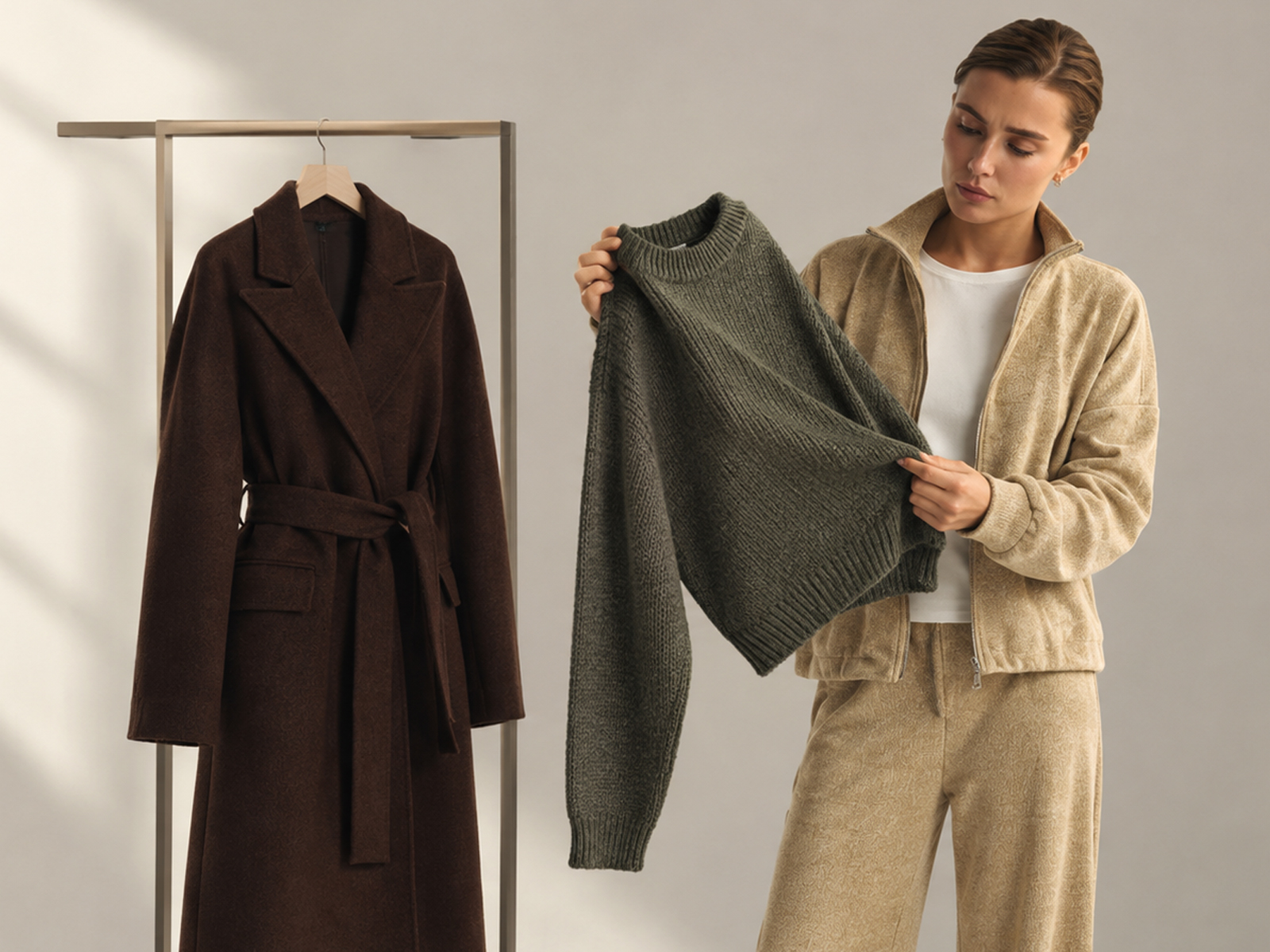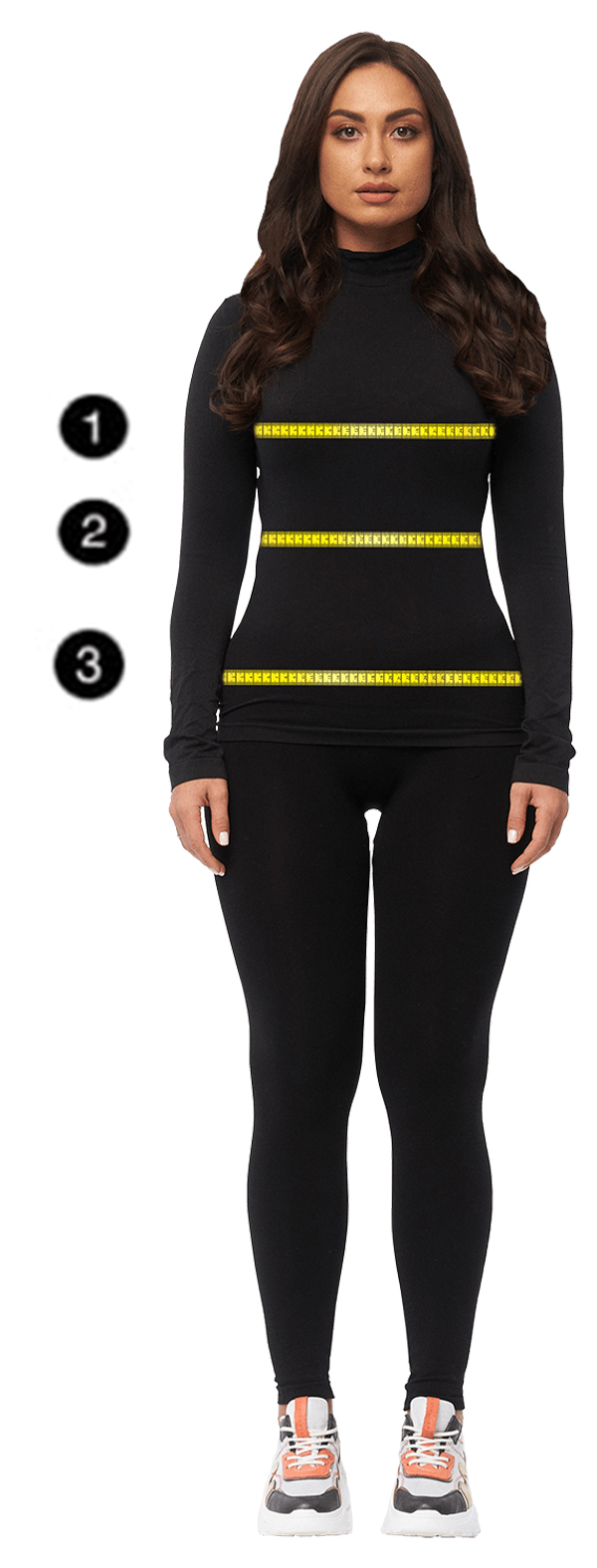
A good suit is rarely an impulse purchase. And almost never a one-season thing.
Pieces like this tend to stay with us for a long time. They outlast changes in style, job roles, seasons, and even moods. They move from one stage of life to the next — and keep working.
Or they don't. Because even the finest fabric can be ruined quickly: the wrong wash, hot water, unsuitable hangers that deform the shoulders. Sometimes even too much care can do it.
Yes, dry cleaning too often isn't always a good idea either.
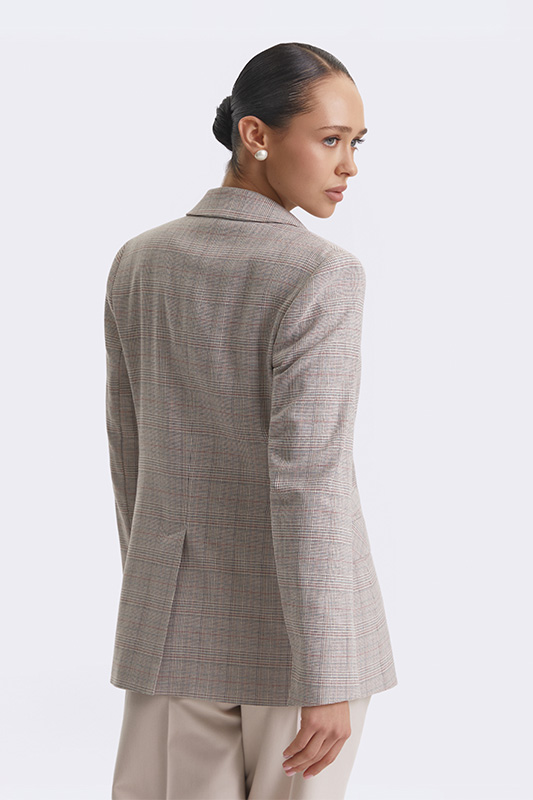
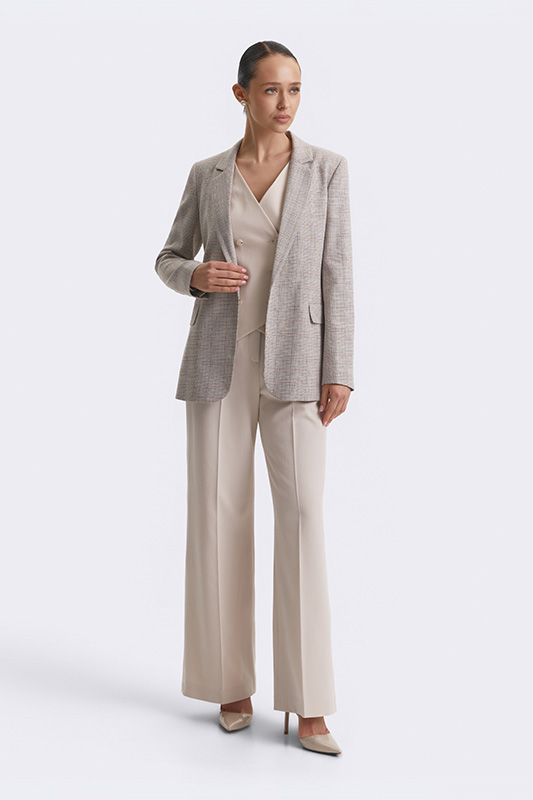
There was a time when a good suit was never washed at all
Curiously, suit care culture appeared long before washing machines did.
In the early 20th century, good suits — especially English tailoring — were almost never washed the way we're used to today.
They were aired out, brushed with special brushes, given time for the fabric to "rest," and stored properly.
On the legendary Savile Row in London, tailors used to say: a good suit lasts longer if you let it rest between wears.
And, honestly, they were right. Suit fabric doesn't like being rushed.


Rule one: don't wash your suit after every wear
And this is where most people are surprised. Especially if the suit is light-colored or worn to the office often.
But here's the truth: a suit isn't a T-shirt. It doesn't need washing after every outing. Often it's enough to just air it out, give it a day to rest, and go over it with a steamer.
Over-washing wears down the fabric faster: it loses elasticity, shape, and sometimes even depth of color.
Especially when it comes to quality suiting fabric meant to last.


Suiting fabrics differ — and so does the care they need
And this matters. Because "a suit" is never just one fabric.
Wool
Wool suits don't like frequent washing. Often airing, steaming, and gentle care are all they need.
Wash at home only when the label explicitly allows it.
Blended linen
Linen — especially in suits — loves air, space, and a light touch.
It can wrinkle. And that's normal. But it doesn't like hot water, aggressive spinning, or an overheated iron.
Delicate suiting fabrics
There's a simple rule: the more complex the texture or composition of the fabric, the more carefully you should read the label.
Sometimes the best decision is not to experiment at home.


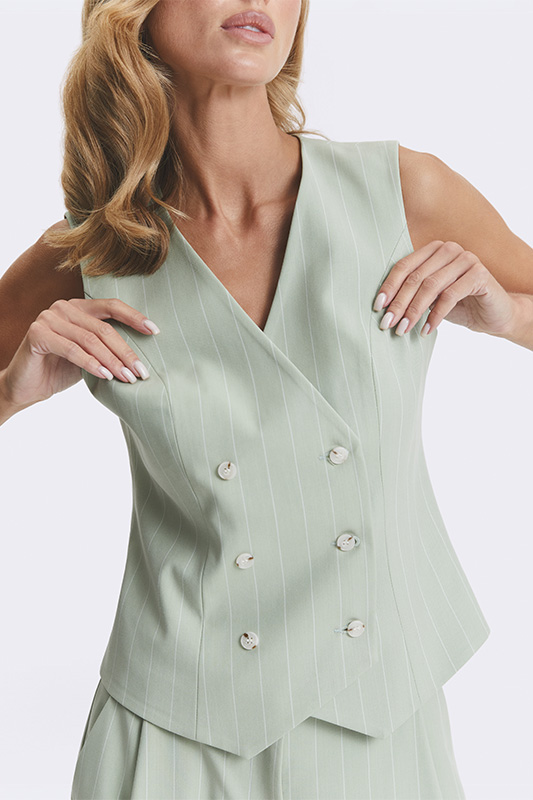
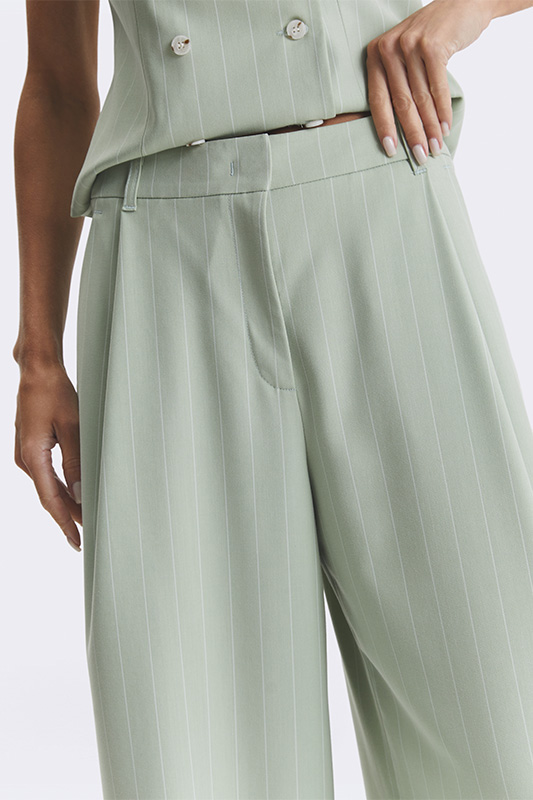
How to care for a polyviscose suit
This is the fabric Natali Bolgar has used to create a large share of its suits for over 25 years.
And not by chance. The legendary MAD 49 is a suiting polyviscose that combines the softness of viscose, the durability of polyester, and the stretch of elastane.
In other words — a fabric built for real life.
It holds its shape well, doesn't stretch out at the elbows and knees, moves beautifully, and doesn't demand overly complicated care.
And here's an important point. Polyester in the blend isn't the enemy. That's one of the most persistent fashion myths out there. It's exactly what keeps a suit from losing its shape after a season of wear, while viscose adds softness and comfort.
What's worth remembering:
Washing — no higher than 30°C, ideally without an intensive spin cycle.
Drying — laid flat only. Never on a radiator or in harsh sun.
Ironing — medium heat, up to 150°C. Even better — use a steamer.
This is genuinely one of the best investments for your wardrobe.


Linen-and-nettle suits: a special care story
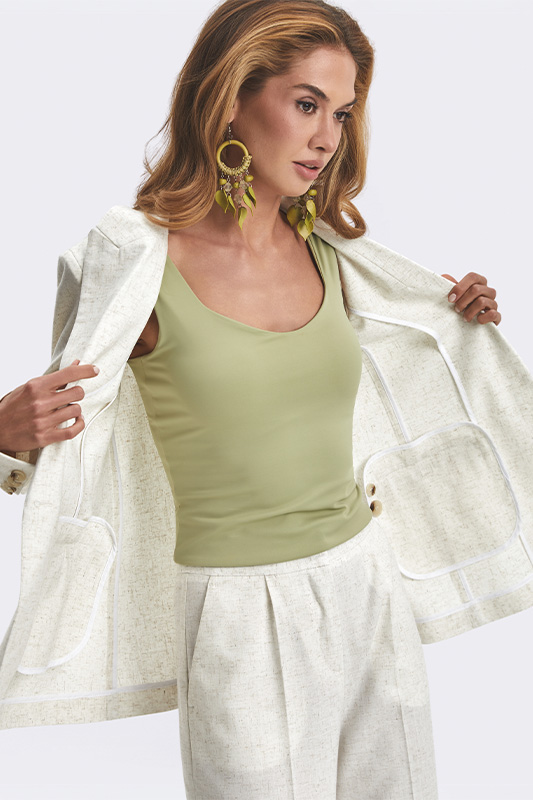
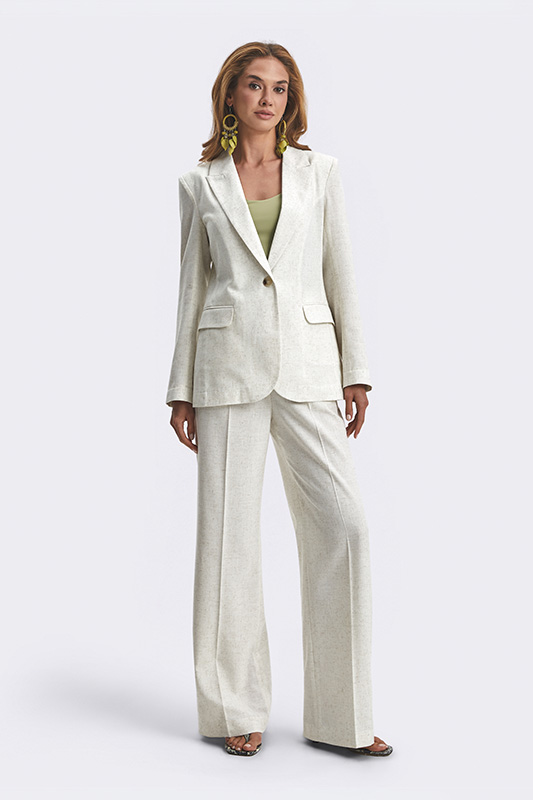
Some fabrics call for extra care. Blended linen with nettle fiber, for instance.
One of the most interesting fabrics in the summer wardrobe: textured, tactile, alive.
Nettle adds strength and a noble structure, linen adds airiness and a natural feel. Together they create a material that looks elegant but asks for special attention.
The rule here is simple: dry cleaning only.
No experimenting with home washing. No "delicate cycle, but I'll try it anyway" mindset.
Because natural textured fabrics lose their shape easily, and getting that shape back afterward is far harder.


Why steaming a suit beats ironing it
There are things fashion loves to overcomplicate. The iron is one of them.
In reality, most modern suiting fabrics respond far better to steam.
A steamer gently relaxes the fibers, helps the fabric regain its shape, and refreshes the piece without unnecessary mechanical stress.
This matters especially for jackets. A hard press can easily "break" the shoulder line and leave an unwanted shine on the fabric. And a good suit doesn't take kindly to that.
Dry cleaning: when you need it, and when you don't
There's a myth that a good suit needs constant dry cleaning. In reality — no.
Dry cleaning too often also wears out the fabric. Especially when it's done "just in case."
Dry cleaning is needed when there's a real reason for it: stains, stubborn dirt, seasonal storage, or a fabric that specifically requires it.
In every other case, steam, airing, and proper storage are usually all it takes.
A suit can also be ruined… by the closet
Sometimes the problem isn't the wash — it's how the suit lives between wears. A few things that genuinely make a difference:
— wide hangers that support the shoulder's shape;
— a fabric garment bag, not a plastic one (the fabric needs to breathe);
— a bit of breathing room in the closet — a suit doesn't like being squeezed between other clothes;
— a pause between wears, especially for the jacket.
And yes, don't overload the pockets. Even the most flawless cut isn't too fond of sharing space with a phone, keys, and half a makeup bag.
At Natali Bolgar, suits have always been treated a little more seriously. Not as just another "office piece," but as an essential part of a wardrobe meant to last for years.
That's exactly why so much attention goes into the fabric, the perfect fit, and blends that hold up flawlessly in real life — not just look striking on a hanger.
And perhaps that's the main thing worth remembering about the perfect suit: it doesn't demand complicated care. Just attentive care. Sometimes that's already enough to keep a piece bringing you joy for years to come.