Some things start looking tired after just a few months. Others stay in shape for years.
The same jacket. The same knitwear. The same silk.
The difference is rarely about price. It isn't even about quality. The difference is care.
There was a time when good clothes weren't treated as disposable. They were mended, altered, steamed, aired out. Major European fashion houses once ran dedicated ateliers just for restoring their clients' garments — long before the industry started talking about sustainability.
Today, mass-market habits have taught us a different rhythm: a piece loses its shape, and it's simply time to buy a new one.
But a good wardrobe doesn't work that way.

The label isn't a formality
The most surprising part is that most problems start right here.
People spend hours choosing a piece — and two seconds on the tag. Yet that's where all the important information is:
— whether the item can go in the washing machine,
— what temperature is safe for it,
— whether it can handle a spin cycle,
— or whether it's better kept away from water altogether.
Sometimes "dry clean only" isn't overcaution — it's literally a survival instruction for the fabric.
Which is exactly why it's worth understanding the basic symbols on care labels. Hand wash, no spin, ironing temperature, flat drying — these aren't small details. Very often they're exactly what determines whether a piece still looks good after the third wash.
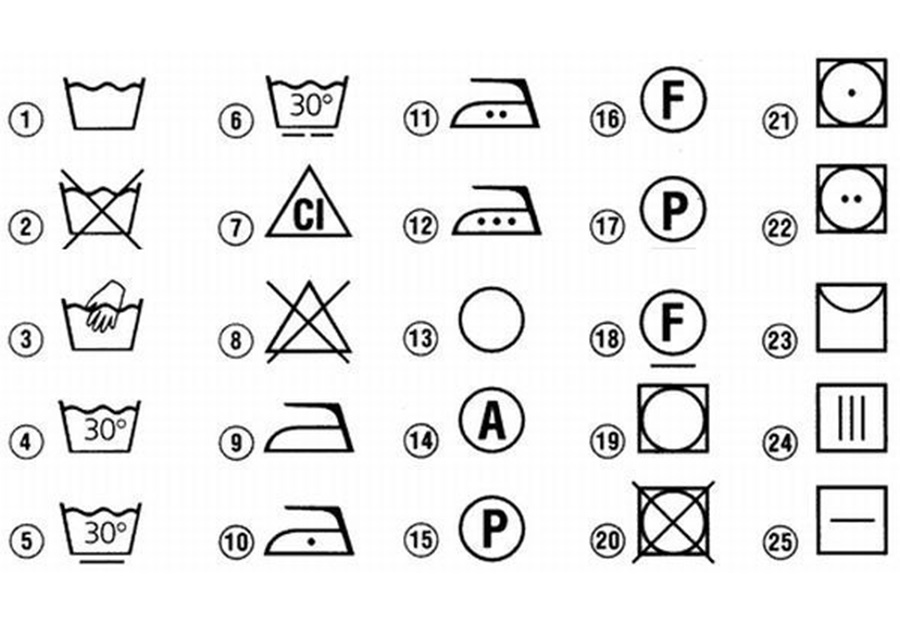
How to read care labels — without ruining a piece after the first wash
Most people ignore these small symbols. And that's a mistake.
They're often what decides whether a garment still looks good six months from now.
Here are the symbols genuinely worth knowing:
Washing:
— a hand in a basin — hand wash only
— a crossed-out basin — do not wash
— 30°C — gentle wash at low temperature
— an underlined basin — very gentle cycle, no aggressive spin
Bleaching:
— a triangle — bleach may be used
— a crossed-out triangle — bleaching is not allowed
Ironing:
— one dot on the iron — low temperature for synthetics
— two dots — medium temperature for wool and viscose
— three dots — high temperature for linen and cotton
Dry cleaning:
— a circle — dry cleaning is allowed
— a crossed-out circle — dry cleaning is not allowed
Drying:
— a square with a circle — tumble drying is allowed
— a crossed-out symbol — tumble drying is not allowed
— a horizontal line — dry flat only
— a vertical line — drip-dry after washing

Silk doesn't tolerate haste
Silk likes to be treated gently. And it punishes carelessness.
Hot water, harsh detergent, an aggressive spin — and the fabric starts losing its structure almost immediately.
So the rules here are simple: liquid detergent instead of powder, cool water, minimal friction. And never bleach.
After washing, silk is best not wrung out. Just let the water drain through a towel.
Yes, it can feel unhurried. But genuine quality doesn't tolerate rushing.
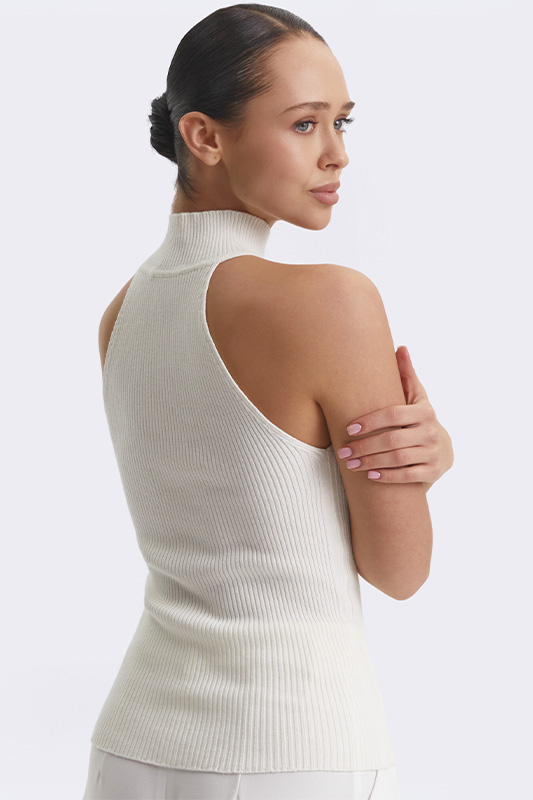
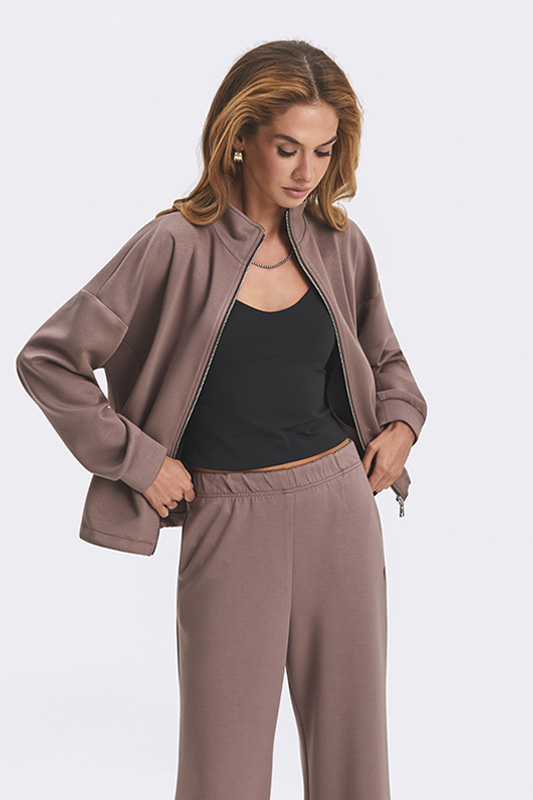
Knitwear wears out quietly
First — barely noticeable pilling. Then — stretched shoulders. Then the piece suddenly starts looking "cheap," even though it was flawless just six months ago.
Knitwear almost always needs a gentle cycle. Low temperature. Minimal spin. And air.
An overcrowded shelf is an almost guaranteed way to deform knitwear faster than time ever could.
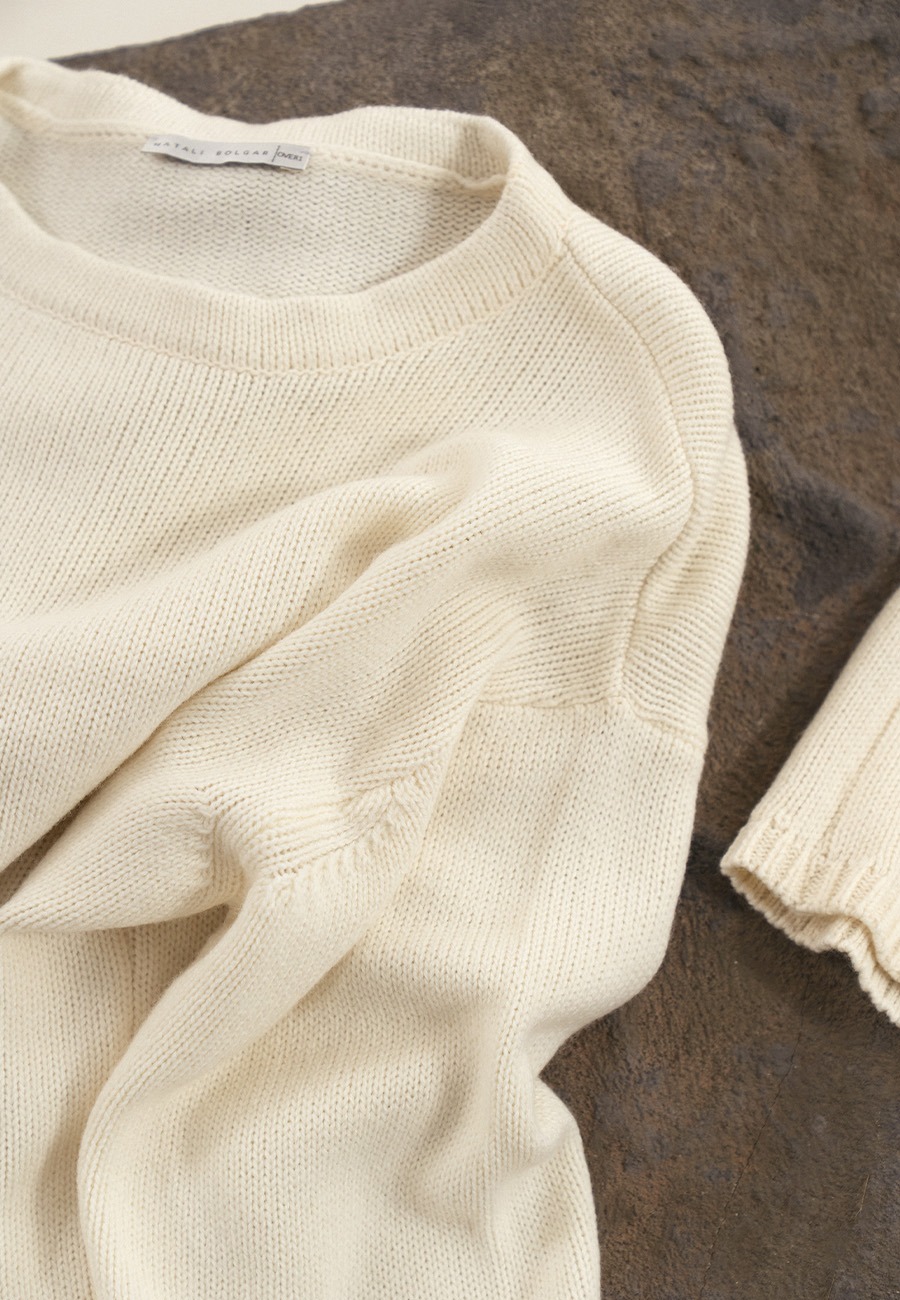
Wool doesn't like radiators
Never. Neither cashmere nor wool should dry on a hot surface. It's one of the fastest ways to deform a garment.
After washing, they need flat drying and patience. Caring for quality fabrics in general takes a lot of patience.
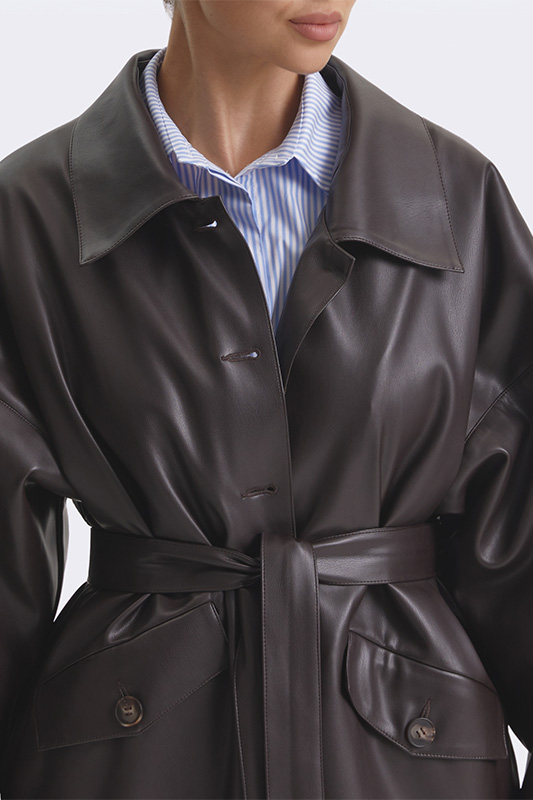

Leather, faux leather and suede — it's about consistency
Not carefulness. Care.
Moisture, sun, overly dry air — all of it gradually changes the material. Genuine leather, faux leather and suede each react differently, but they all respond equally poorly to a complete lack of care.
Which is why prevention matters here: water-repellent sprays, proper storage, fabric covers instead of plastic, gentle cleaning without harsh products.
And yes, sometimes a good dry cleaner costs less than a ruined jacket.

Clothes get tired too
Especially from improper storage. Fine knitwear on rigid hangers.
Silk in a crowded closet. Wool in a damp space.
Care isn't just about washing. It's also about what happens between wears.
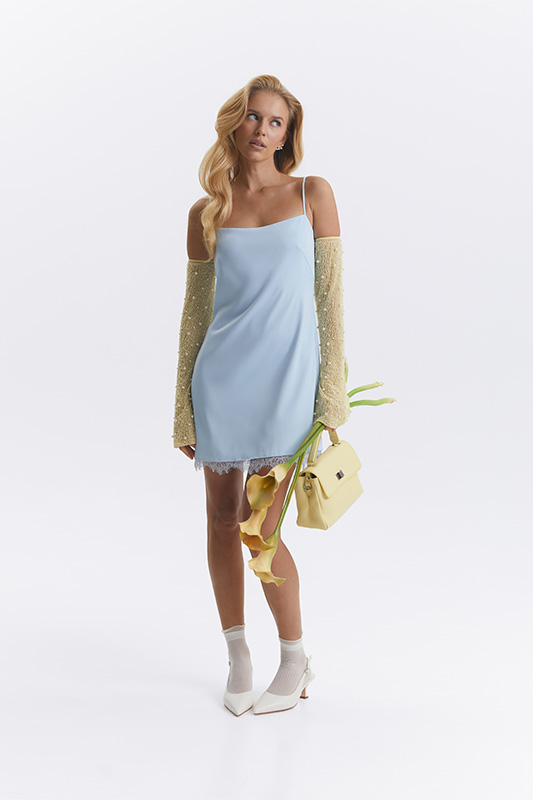
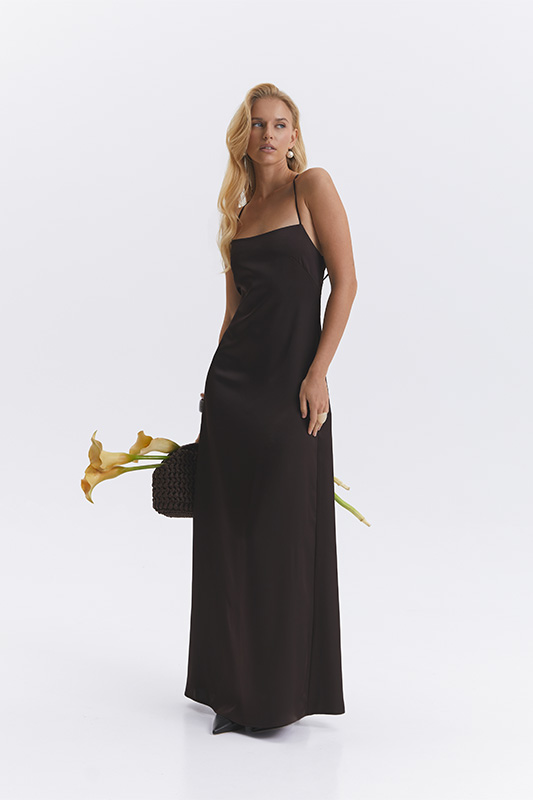
A quick word on static
Or more precisely — that moment when a skirt suddenly clings to your legs as if it had plans of its own for the evening.
If there's no anti-static spray on hand, very simple things sometimes work: a little water on your palms, a drop of fabric softener in a spray bottle, or even ordinary body lotion.
Fashion, after all, rests not only on aesthetics but on small everyday tricks too.
That's exactly why pieces from good collections last longer. Not only because of the fabrics or the cut, but because they were designed from the start to outlast a single season.
At Natali Bolgar, particular attention is paid to materials and a perfect fit. But even the most refined piece loses its charm the moment carelessness sets in.
Caring for clothes is more than just being meticulous. It's an act of respect — for the pieces you chose for a reason.