Fashion has a way of creating an odd feeling: if you don't like what everyone is wearing right now, maybe something is wrong with you. Your feed shows one aesthetic, the stores show another, and the algorithms are already hinting at what the "next big trend" will be. You look at all of it and think: thanks, but no.
In fact, that might not be a problem with your style — it might be where it begins.
Especially once you stop treating fashion as a set of instructions to follow. A trend is a suggestion. Personal style is how you decide what, if anything, you actually want from that suggestion.
When Fashion Starts to Feel Like Pressure
There's an unspoken rule that no one says out loud but that's easy to pick up on in ads, on social media and in stores: if you're not keeping up with trends, you're falling behind.
Behind what, exactly, is an interesting question.
Fashion creates a sense of constant motion. Yesterday everyone wanted one cut of jeans, today it's another. Yesterday a color felt fresh; a few months later it's already "outdated." And if you spend all that time trying to keep up, your wardrobe very quickly turns into an archive of other people's preferences.
It's no coincidence that there's so much talk today about a slower pace in fashion. In the article Slow Fashion vs Fast Fashion: A Conscious Choice for the Modern Woman we already looked at how the speed of trends changes not just the industry, but the very way we choose clothes. And that connects directly to personal style.
After all, it's hard to know what you truly like when a new answer is offered to you every few weeks.
Style Doesn't Need a Name
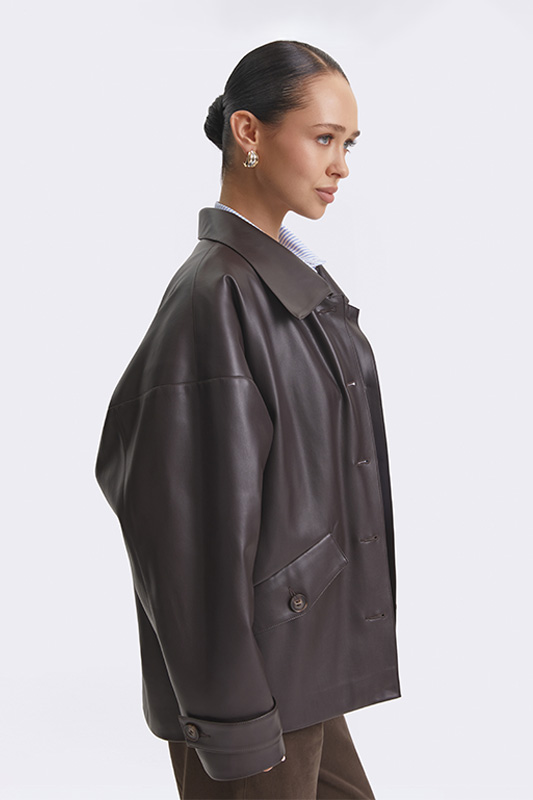
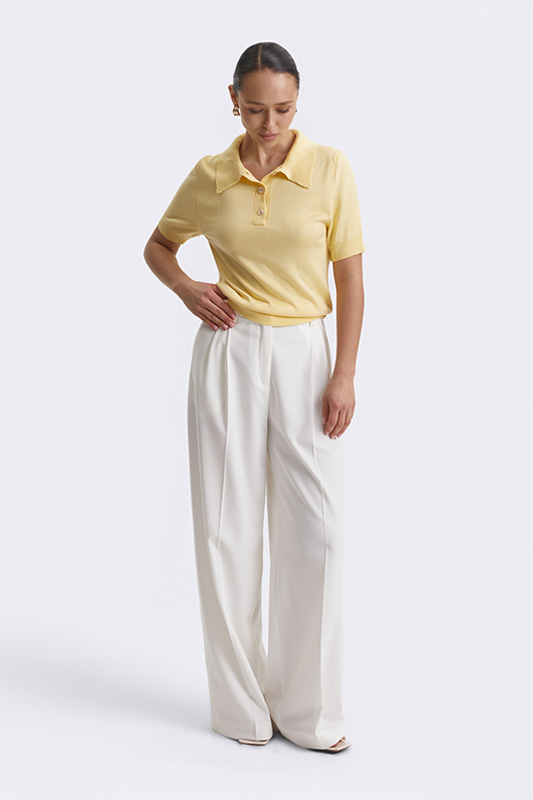
Personal style doesn't have to be a single aesthetic. It can combine minimalism, classic pieces, romance, smart-casual, boho, quiet luxury, and whatever new term shows up next Thursday. The label isn't really the point.
It's far more interesting to notice what repeats in your choices. Which pieces do you wear for years, long after they've stopped being trendy? Which silhouettes catch your eye automatically? Which colors stay favorites regardless of season? What matters more to you: a feeling of freedom, precise tailoring, restraint, expressiveness, comfort?
Style usually starts to reveal itself in exactly these repetitions. Chances are your style already exists. You've just been looking for it in the wrong place.
Good Taste Is a Skill, Not a Gift
There's another thing often confused with personal style — good taste.
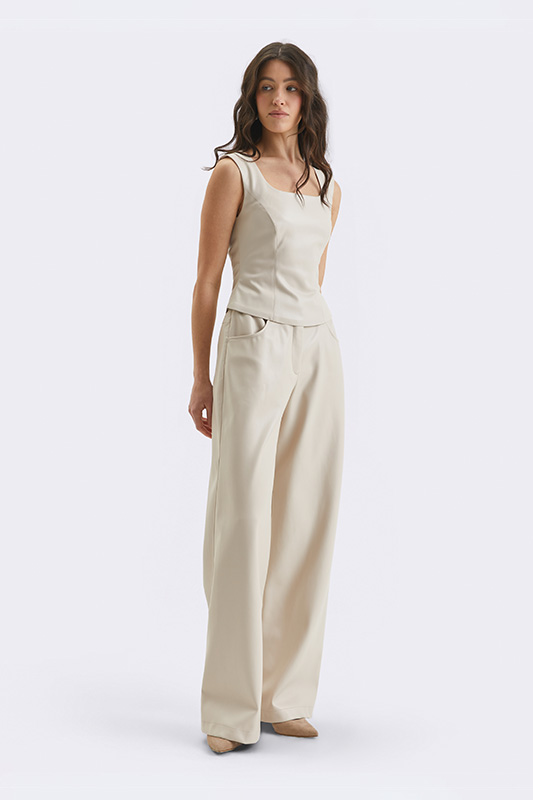
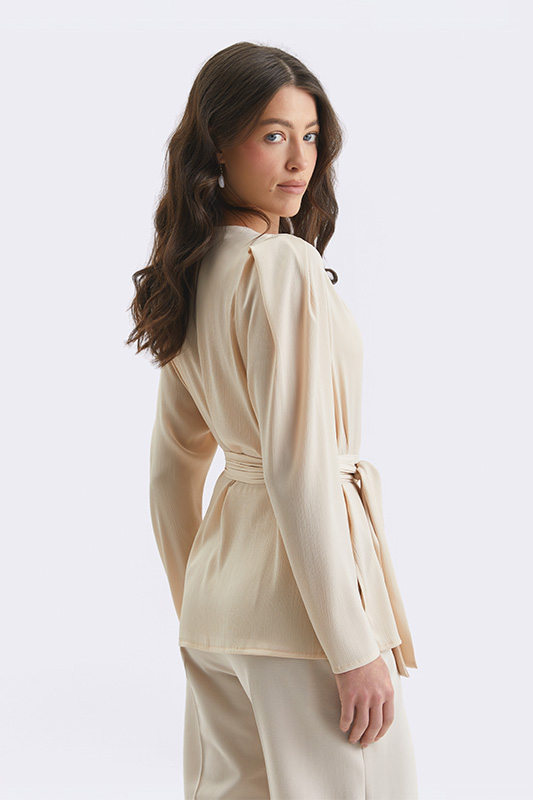
But taste isn't necessarily something you're born with. It's a skill: seeing proportions, noticing dissonance, understanding why two beautiful pieces suddenly don't work together, sensing when to stop.
It can be learned — the same way we learn to drive, cook complicated dishes, or understand wine. You don't have to become an expert. It's enough to gradually train your eye.
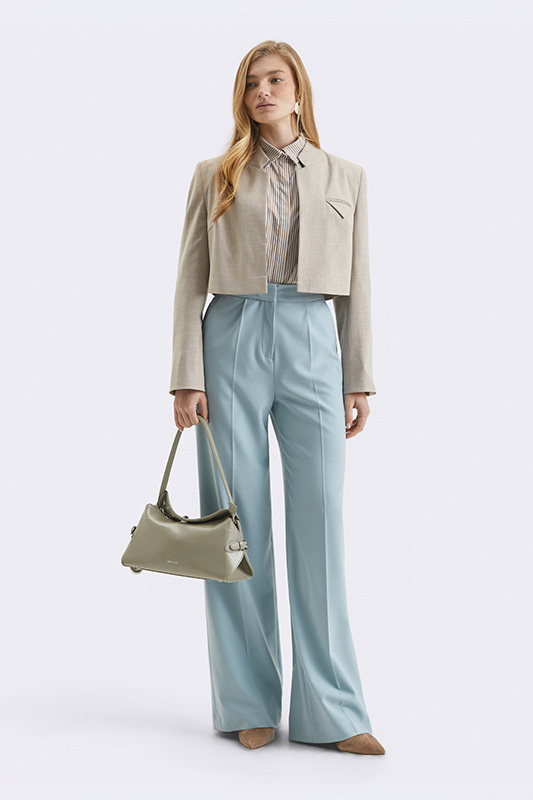
This is where trends can actually help — as practice material. Try a new shape, figure out why it doesn't suit you, try on an unusual color and finally decide it's just not yours. Even failed experiments give you information.

What Changed When Fashion Became Fast
There's an interesting historical paradox here. Fashion has always changed, but not always at this speed. There were periods when a single shift in silhouette unfolded over years and gradually became part of everyday clothing.
For example, women giving up the corset in the early twentieth century wasn't just another fashion trend. It changed the very construction of women's clothing: the body gained more freedom, and garments began to be built around a different geometry.
It's a good example of how a lasting shift differs from a trend. A trend can live for a season. But a change in how we relate to the body, comfort, or lifestyle can shape fashion for decades.
So not every new thing deserves an urgent spot in your wardrobe. Some changes simply pass by. And that's fine.
How to Tell What's Really Yours
There's a simple way to start the search without another list of "10 things that must be in your closet."
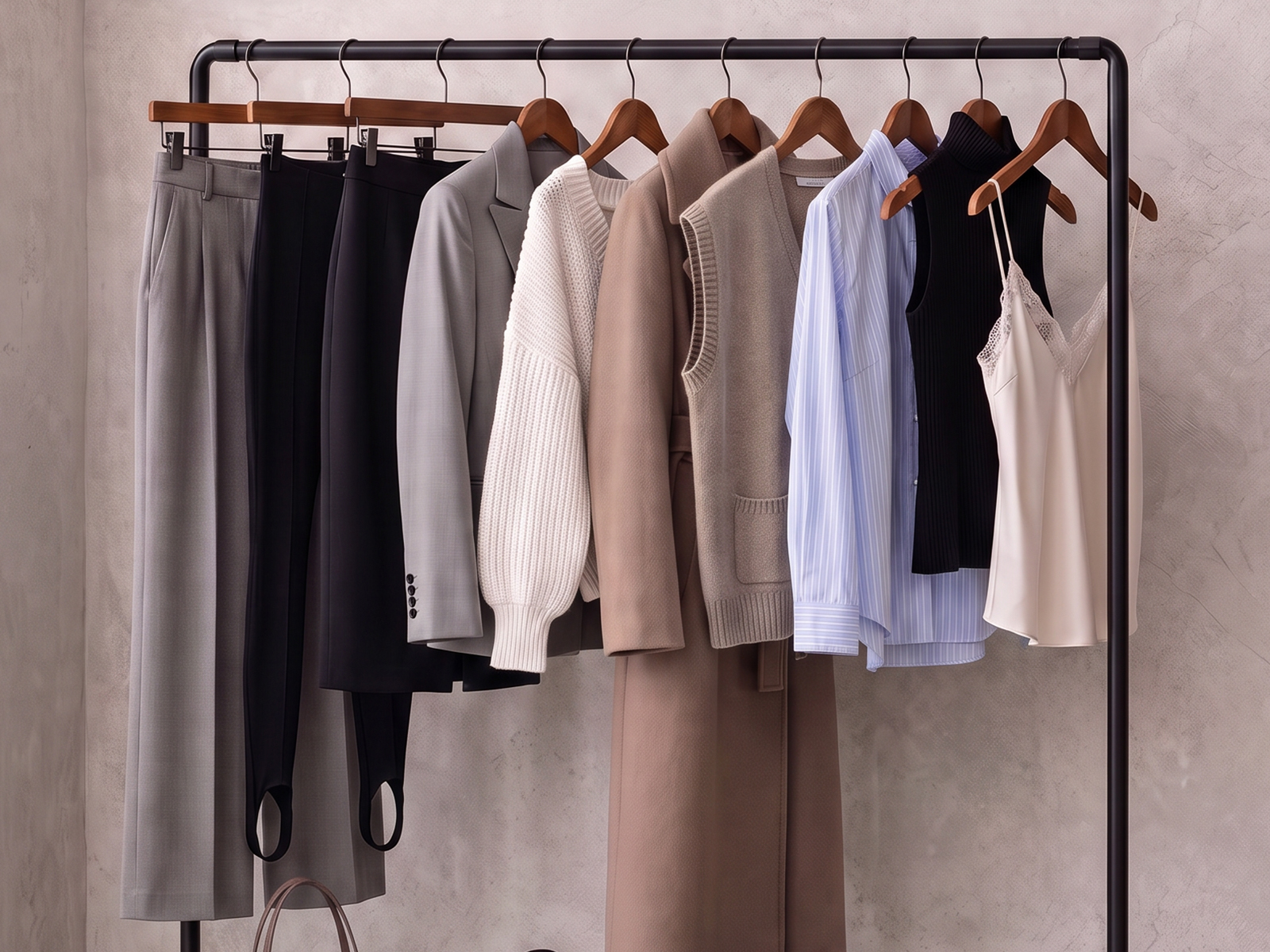
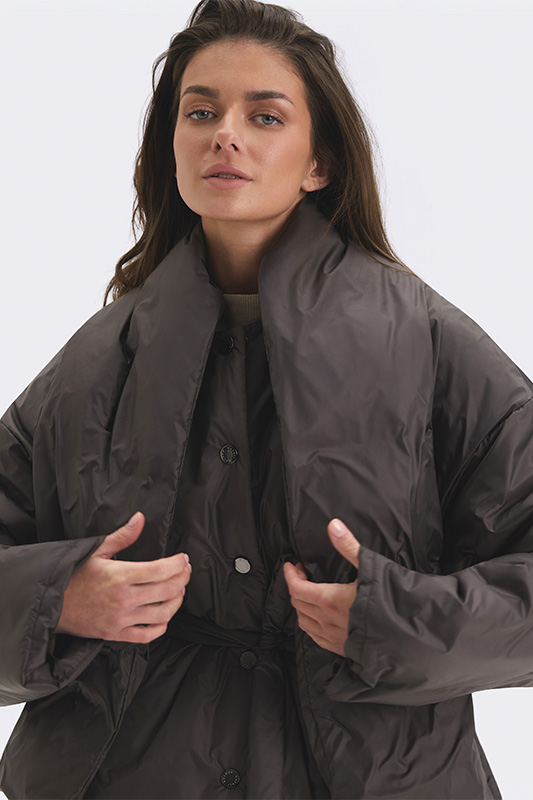
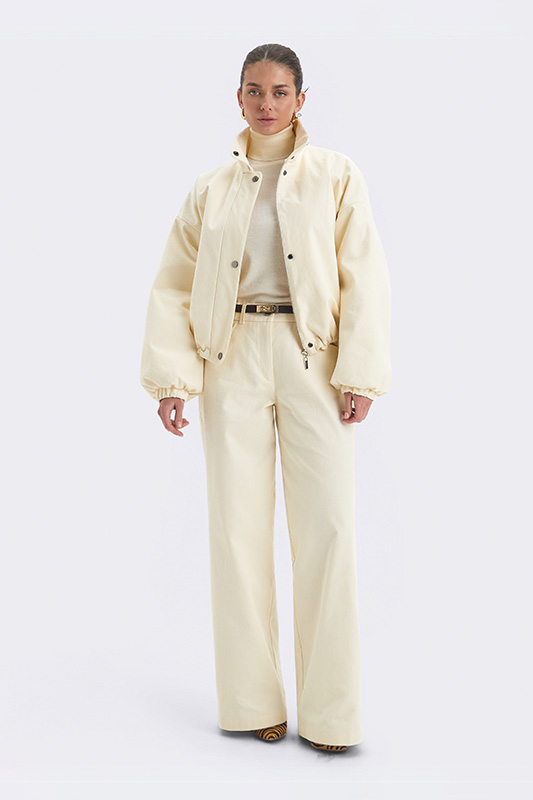
Look at your wardrobe and find the pieces you wear most often. Not the newest. Not the most expensive. Not the ones you feel you "should" wear. The ones you actually love.
Compare them. What do they have in common?
Maybe it's a certain length. Or the way a piece moves with you. Maybe you're drawn to simple cuts and bold accessories. Or, on the contrary, to rich textures and minimal detail.
Then look at the pieces you bought because of a trend but barely wear. They hold plenty of information too.
You can define your style not only by asking "what do I like?" but also by asking "what do I consistently not need?" This approach often turns out to be even faster.
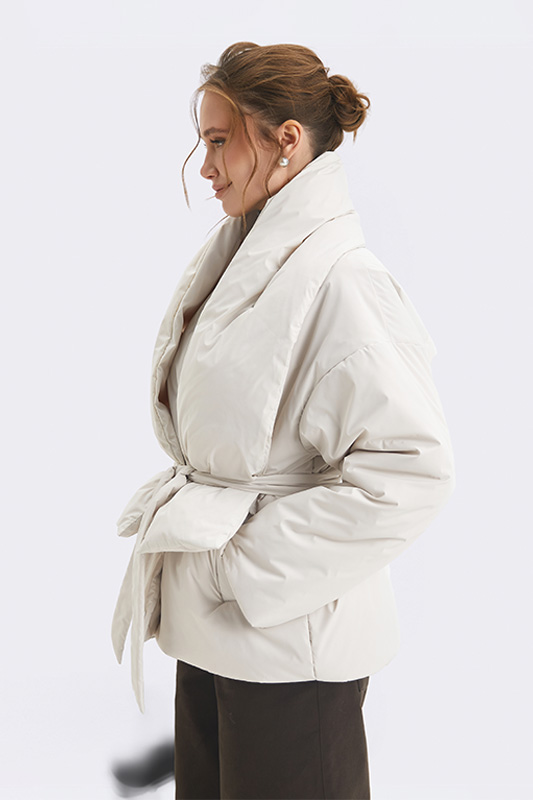
Not Everything You Like Needs to Be Bought
There's a special pleasure in simply admiring something beautiful without wanting to own it.
You can admire runway collections, save looks from Pinterest, take note of the season's new color, and still understand: this is wonderful. Just not for my wardrobe. There's a particular freedom in that.
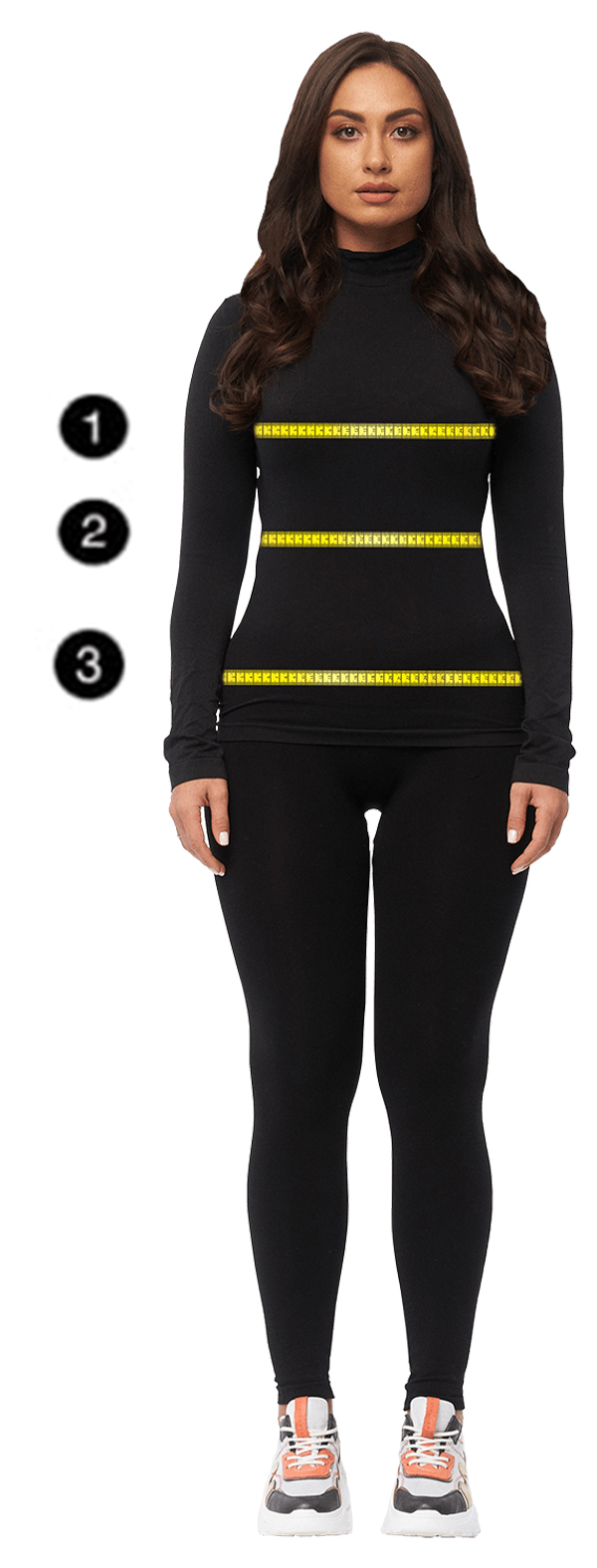
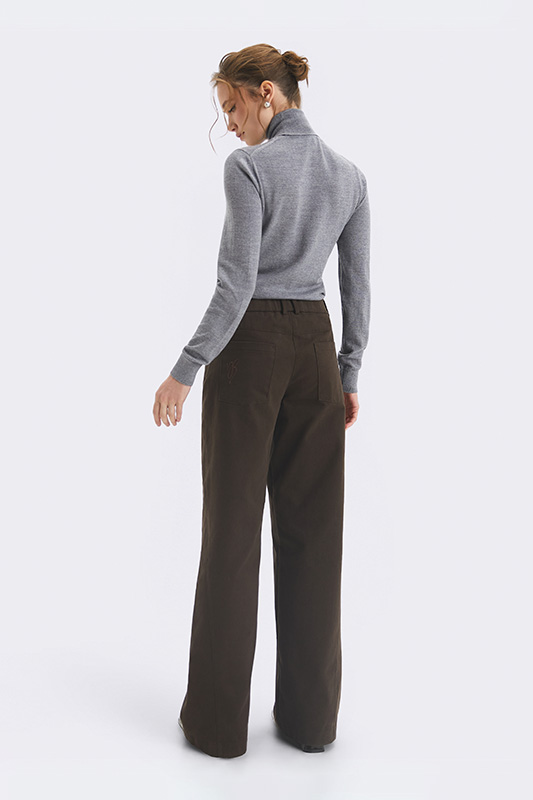
Once you know your proportions, your everyday lifestyle, your favorite colors, textures and comfort level, a trend stops being a dictate. It becomes a tool. You can adopt some of it, adapt some of it, and leave the rest to whoever it actually suits.
That's how a considered wardrobe works: not every piece has to turn heads. What matters is that, together, all the pieces create a harmonious sense of "you."
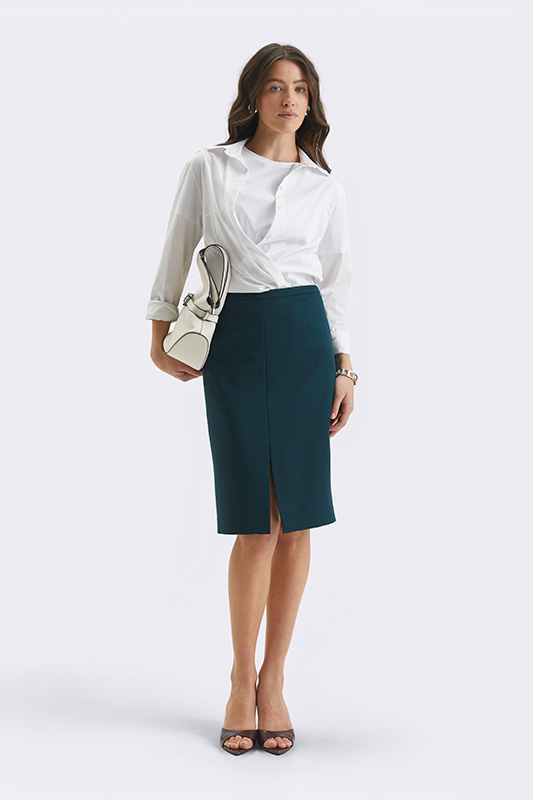
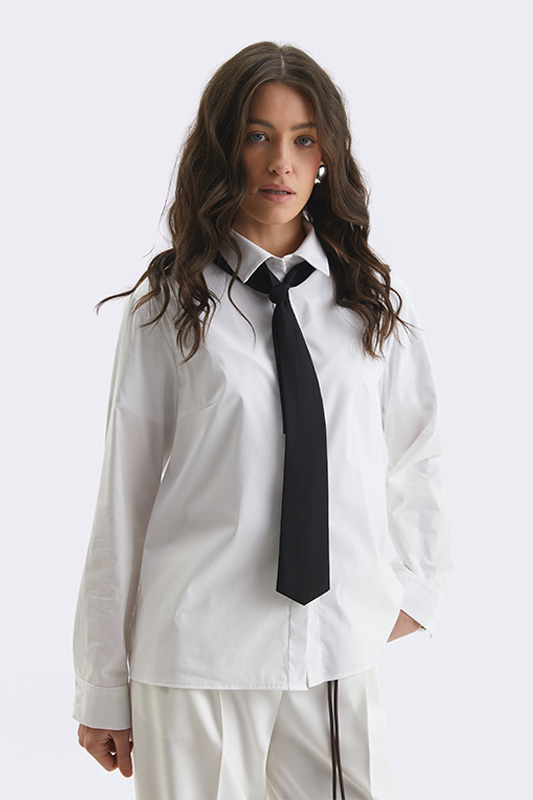
Personal Style Takes Longer to Form Than a Single Collection
Maybe that's why we like the idea that style can be "found" — as if the right set of pieces exists somewhere out there, and once you have it, the search is over. In reality, it's more something that forms over time.
We try different things, let go of what no longer works, and keep what we keep coming back to. Jobs change, the pace of life changes, views, bodies, cities, favorite places all change. The wardrobe gradually reflects that.
So there's no need to search for your style as a ready-made formula. It's far more useful to build it as a system in which it's easy for you to be yourself.
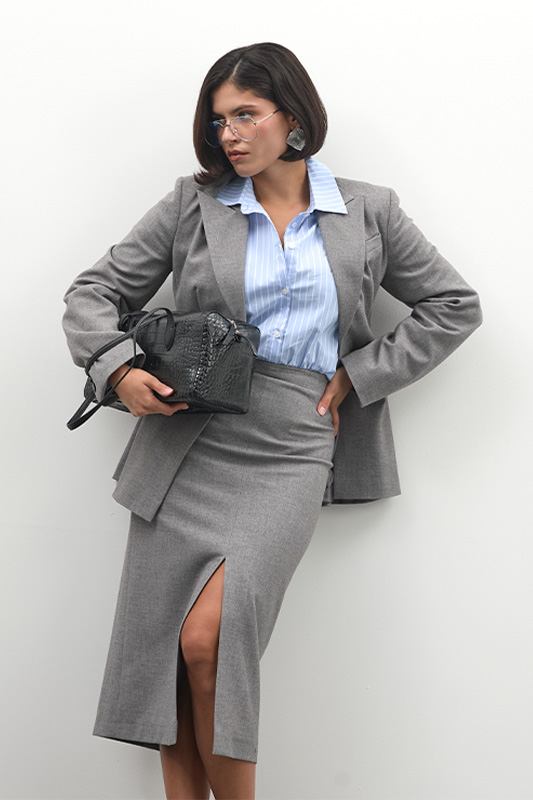
A collection can only add a few new details to a structure you already know — a new jacket shape, a different dress length, an unexpected color combination. Not to start over, but to see your own style from a slightly different angle.
Fashion can set a direction, but the path is defined by your personal style.