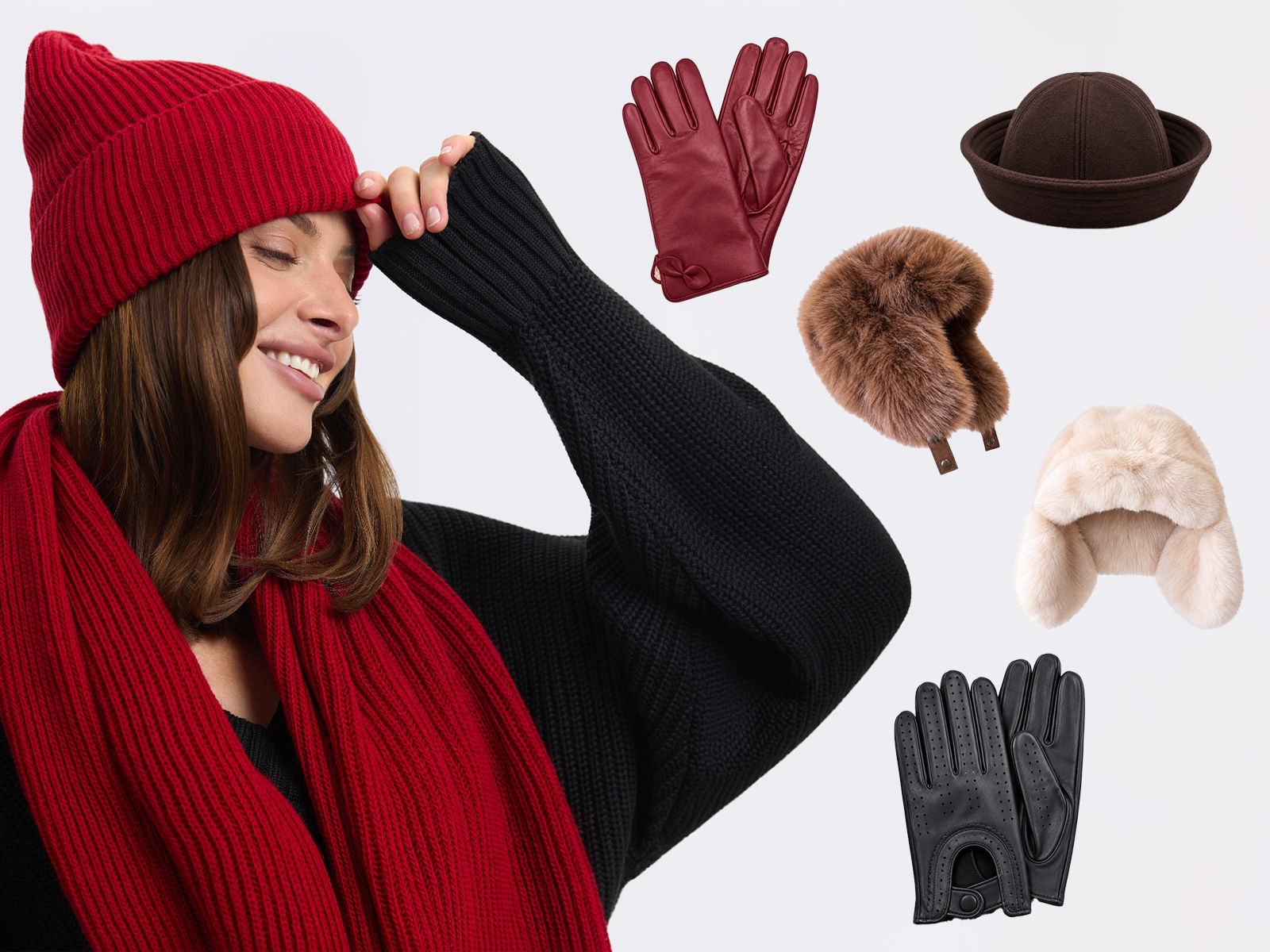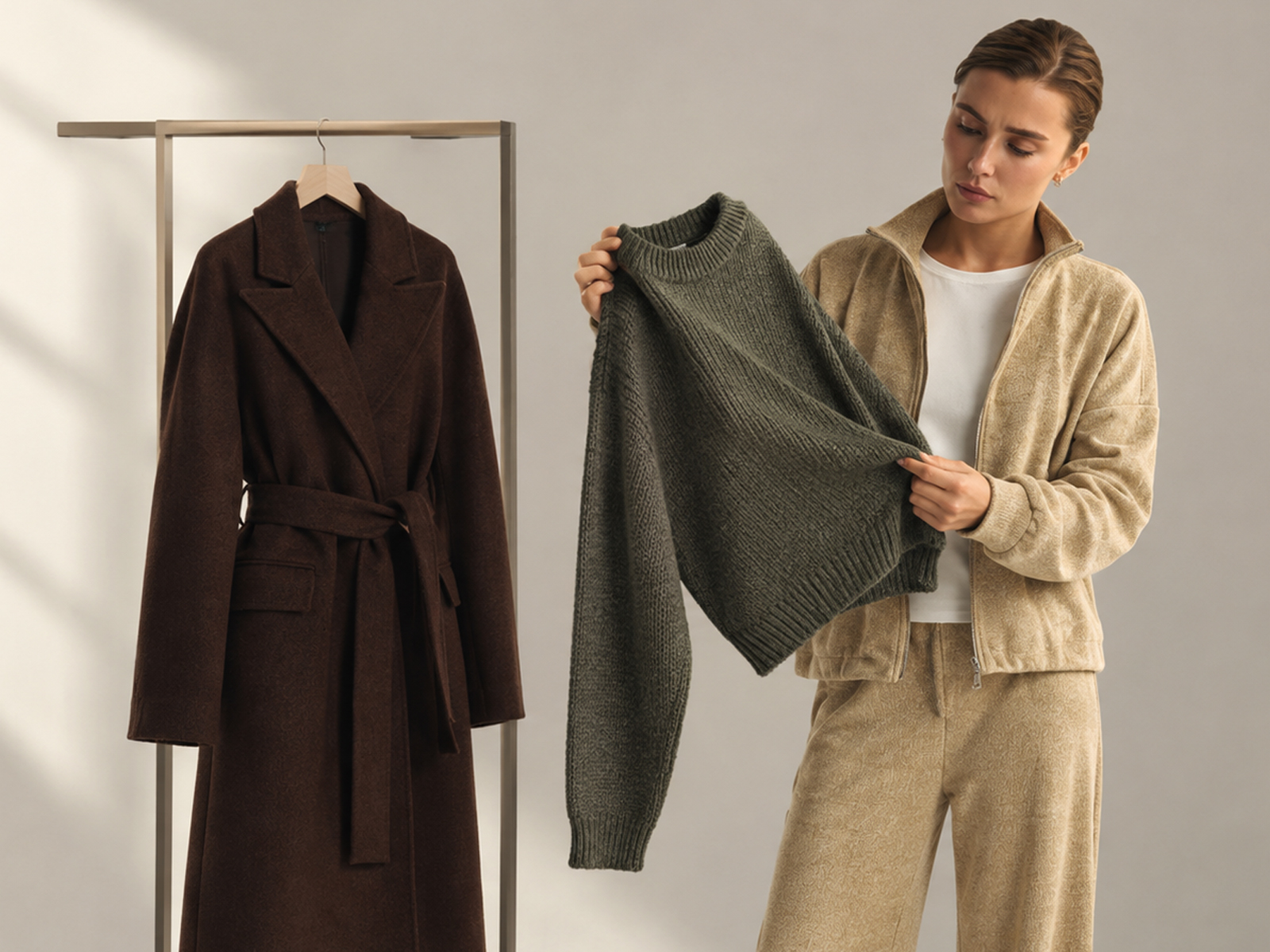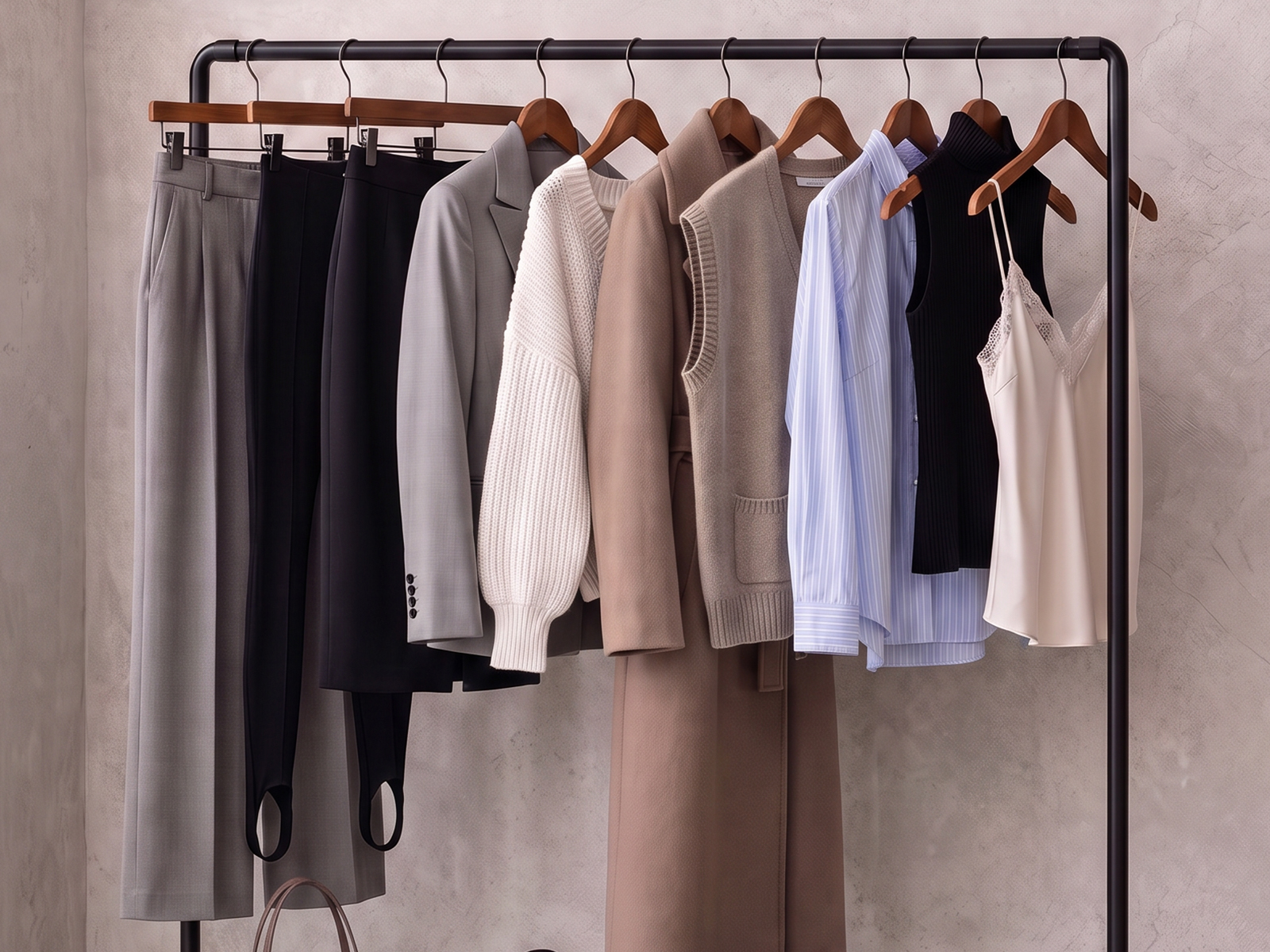
There's a moment that sooner or later happens to almost every woman. The closet is full, there's no shortage of clothes, but the feeling isn't there. You look at all that volume and realize: it's not that you have nothing to wear. It's that these pieces don't add up to a life.
That's exactly the point where it's not the wardrobe that changes - it's the way you choose.
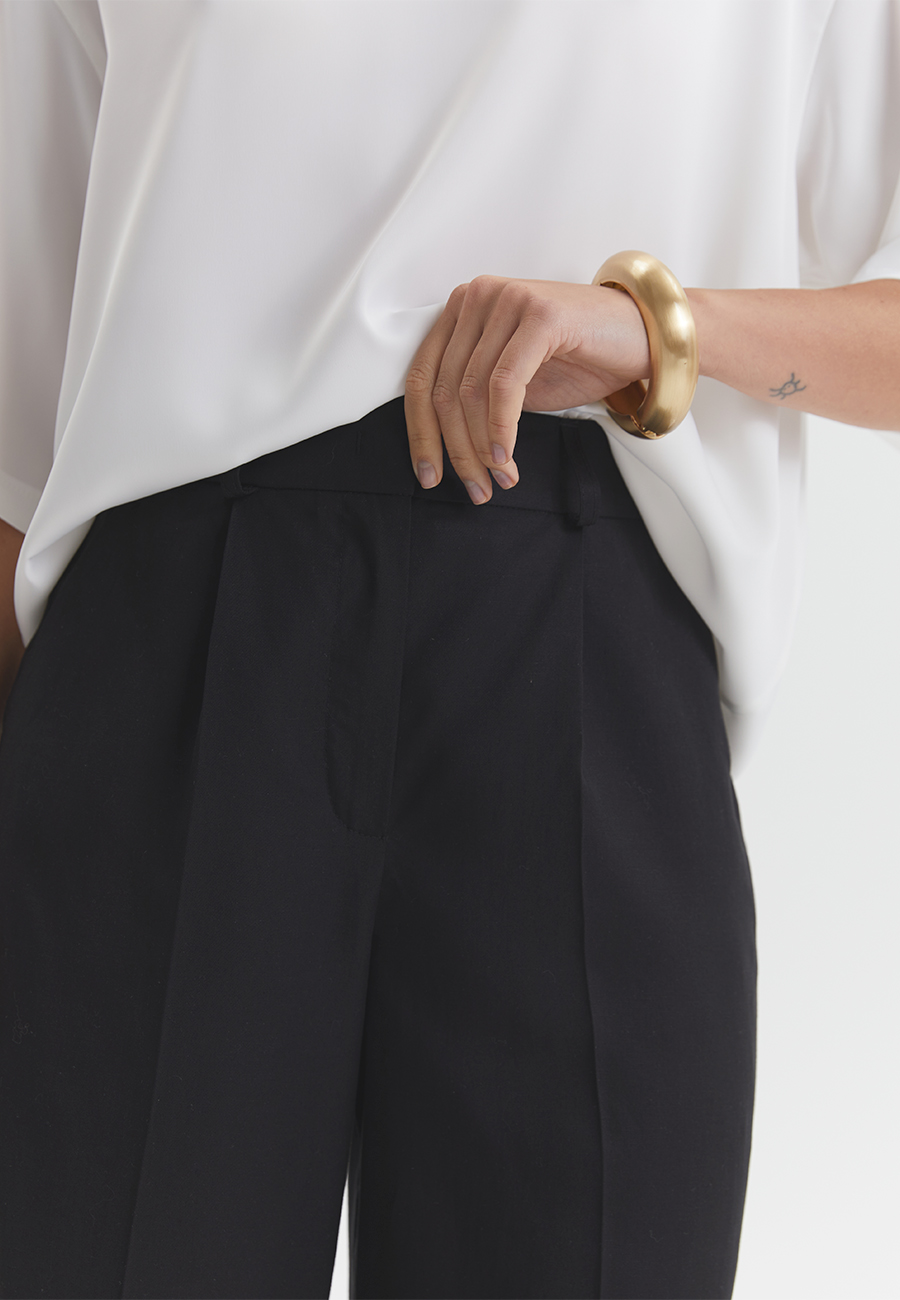
A pace that stopped feeling exciting
A few decades ago, fashion lived by seasons. Today it lives by weeks. Collections change faster than we can register them, and the urge to refresh has become an almost automatic reflex.
Fast fashion made style accessible - that's its real strength. It taught us to react quickly, catch trends, never wait. But along with that came another feeling - a constant sense of falling short. As if you're always slightly late, or not quite there yet.
It's no coincidence that against this backdrop, the term slow fashion emerged in 2008. Designer Kate Fletcher framed it not as the opposite of speed, but as an antidote to the exhaustion it causes. It was an attempt to give fashion meaning again - and to give choice its weight back.
When pieces stop being accidental
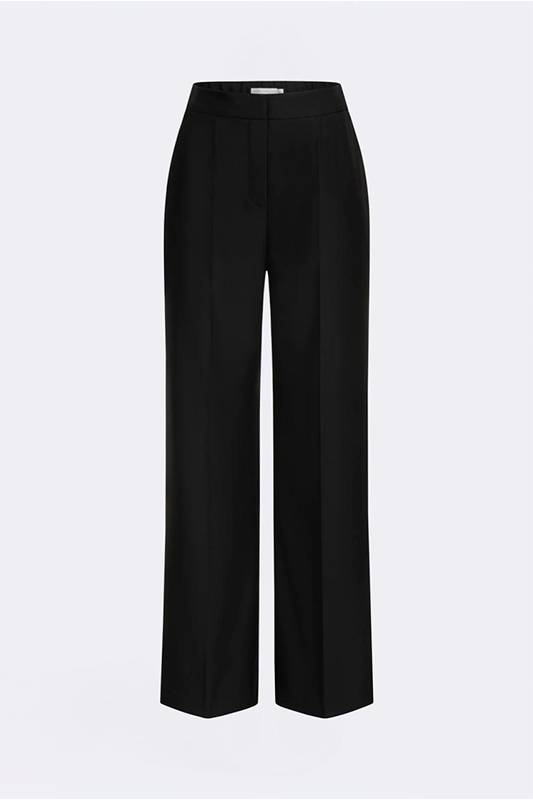
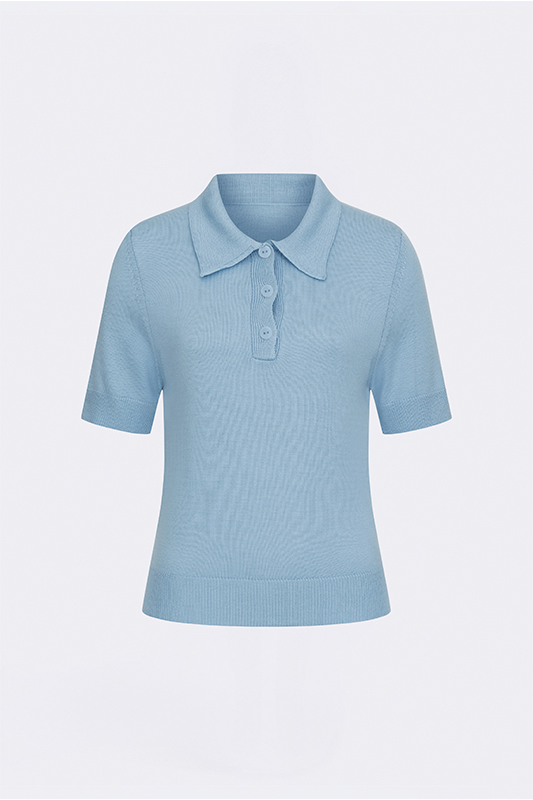
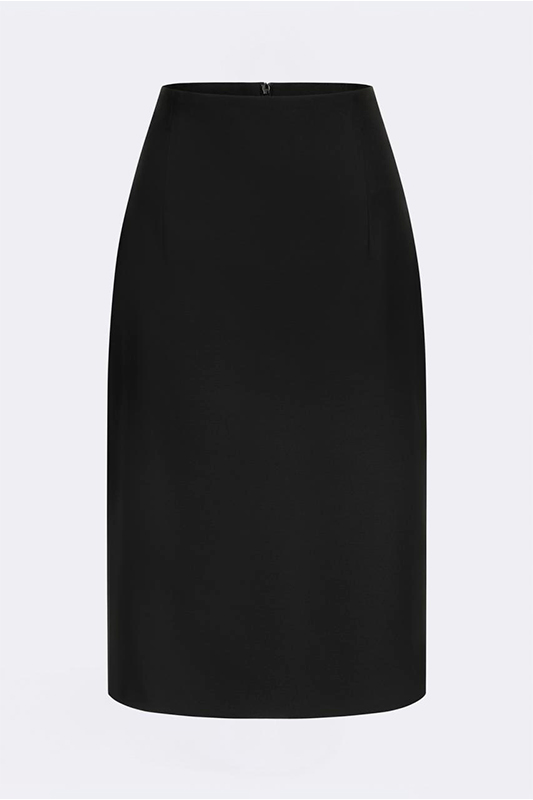
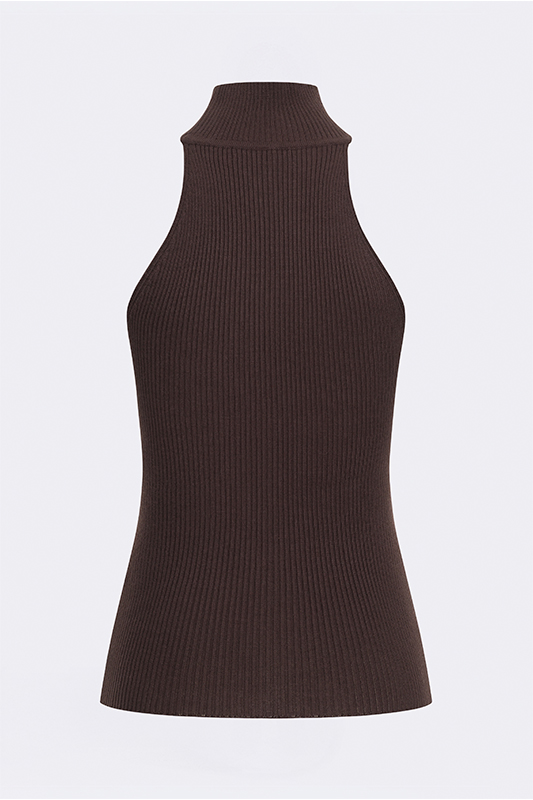
Slow fashion isn't about restriction, and it isn't about "less for the sake of less." It's about a different quality of decisions. About a piece entering your wardrobe on purpose, lasting more than one season, and never needing an explanation for why you wear it.
The logic itself shifts here: impulse gives way to awareness, chaos gives way to structure. And with that, the tension disappears - that familiar morning tension, when there's a choice to make but no clarity in making it.
It's not only about the environment
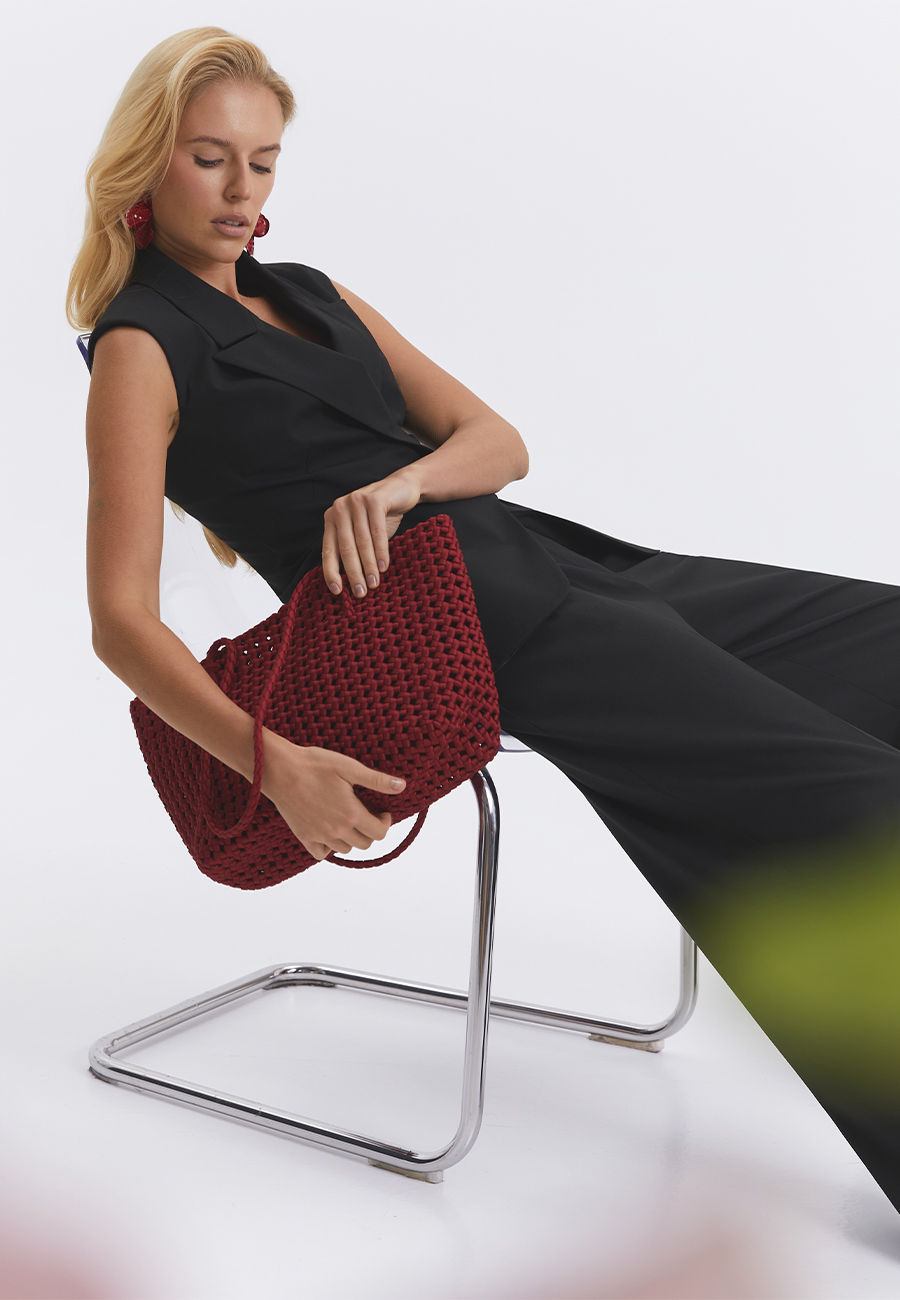
The harm of fast fashion gets plenty of attention - and rightly so. The clothing industry remains one of the most resource-heavy in the world: production, consumption, and disposal all run in a state of constant overload.
But there's another level to this, one that gets talked about far less. The personal one.
Fast fashion trains us not to attach. Not to think it through. Not to choose deeply. It moves fast - and we move with it.
Slow fashion brings back the pause. The chance to ask a simple question: is this truly mine - or just new?
What a wardrobe that works looks like
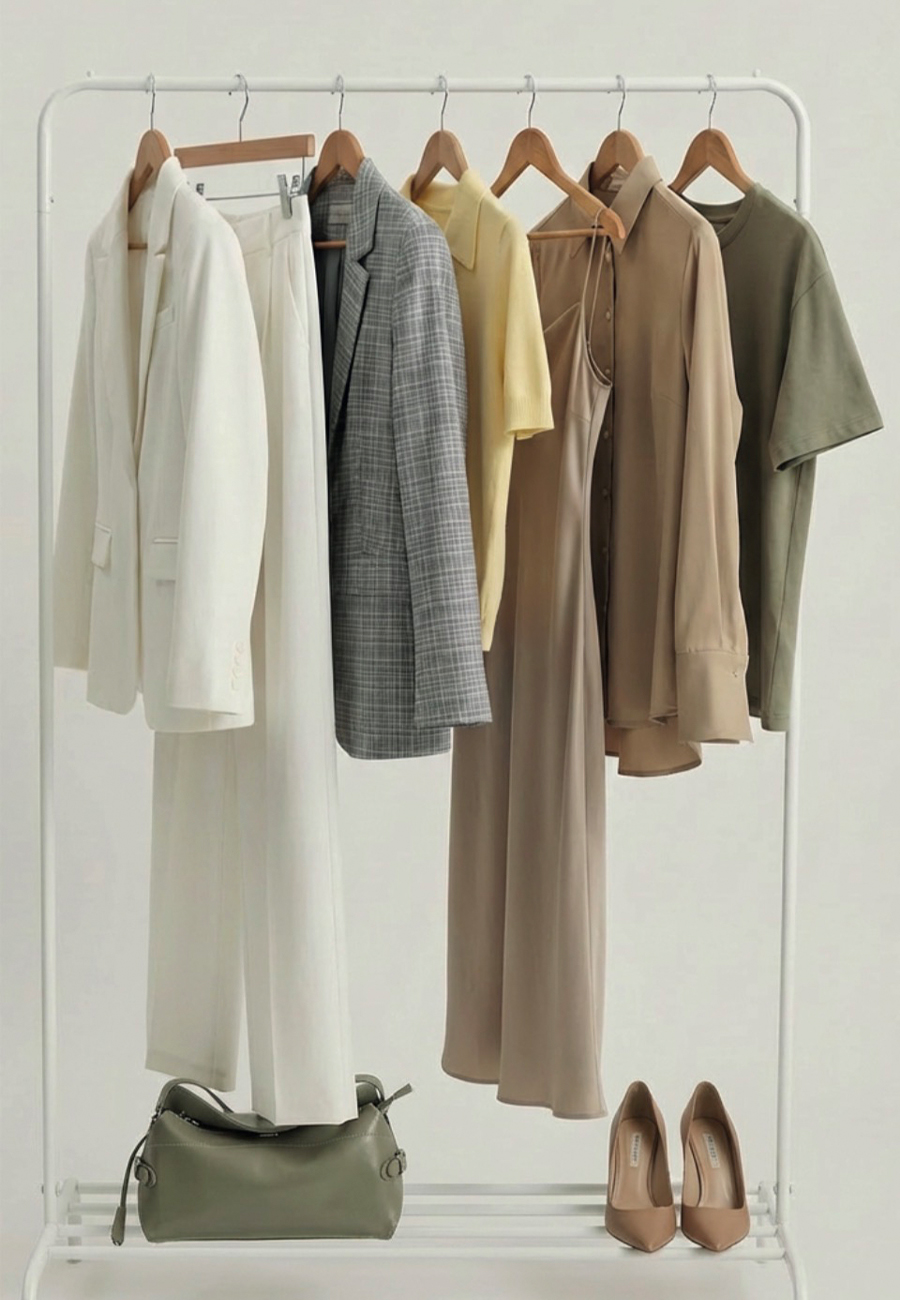
A wardrobe like this doesn't have to be minimalist, and it's certainly not boring. But it has one defining trait - the pieces work together instead of competing.
A shirt that pairs with several bottoms. A jacket that isn't tied to a single season. A dress that changes character depending on context. These are pieces that don't need to be "rescued" by styling - they're already exactly where they belong.
That's precisely how the feeling of being put-together forms - one that has nothing to do with how many pieces are in the closet.
On pieces that stay
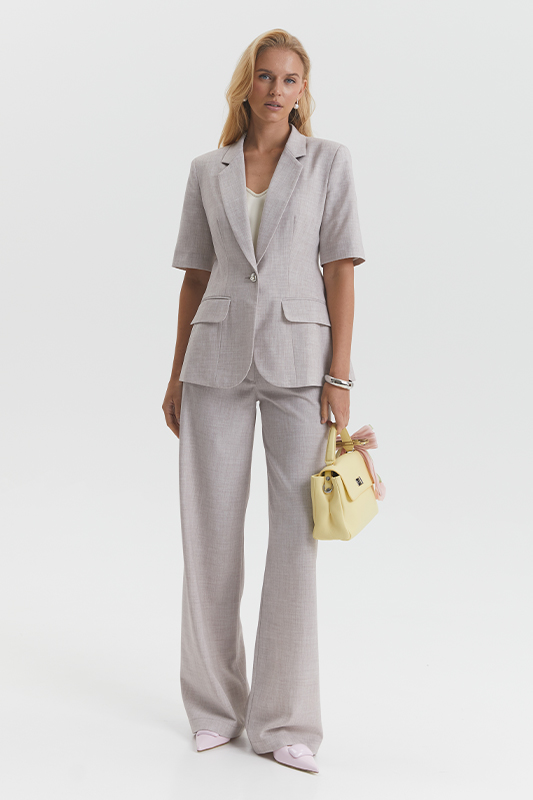
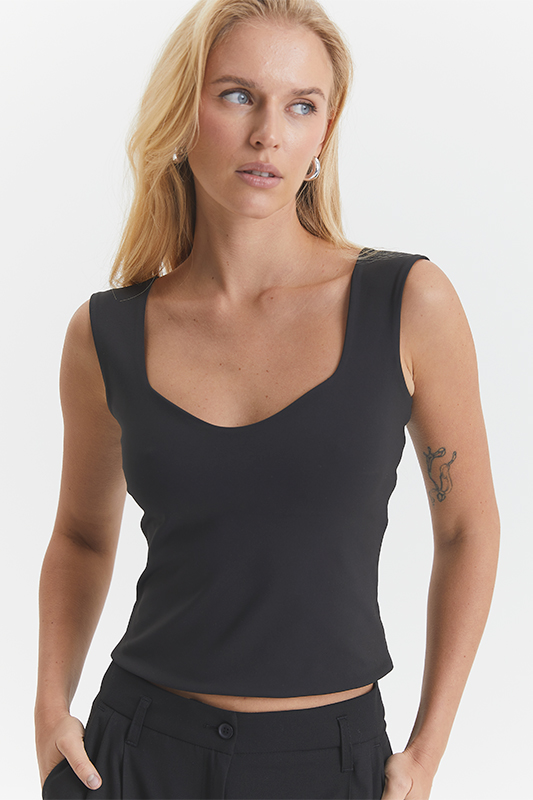
At Natali Bolgar, this approach is felt without needing much explanation. In a fit that holds the silhouette without restricting movement. In proportions that work not only standing still, but in motion. In pieces that don't need constant refreshing to stay relevant.
Suits that last more than one season. Jackets that never lose the clarity of a look. Basics that aren't tied to a fleeting trend. This isn't about "slow fashion" as an idea - it's about pieces that simply don't need to be rushed.
A small check
There's a simple way to understand how your wardrobe is really working for you. Look at your most recent purchases and answer honestly: would you wear this piece if it weren't trending? Will it still be with you in a year? Does it pair with at least a few things you already own?
If the answer isn't obvious - that's already your answer.
And perhaps the most important part
We tend to think style is a choice between pieces. But it actually begins earlier - in the moment you decide what's truly worth your attention.
Sometimes the strongest decision in a wardrobe isn't adding one more piece. It's clearing away everything unnecessary and keeping only what truly works.