Just a few years ago, fashion seemed to be competing with itself — over who could be louder.
Big logos. Bold branding. More "impact." More pieces that had to announce to the world, on sight: "Look, I know my trends!"
Then something shifted. Fashion grew a little tired of excess. And so did we.
That's exactly why quiet luxury turned out to be more than a pretty phrase from TikTok, or another aesthetic with an expiry date.
It seems to have touched a far deeper need.
A demand for pieces defined by longevity, precision of form, and quiet, unshowy craftsmanship.
When luxury got quiet
To be honest, quiet luxury existed long before it had a name.
Back in the '90s, fashion was already teaching us to look beyond the trend — at form, fabric, and fit. Carolyn Bessette-Kennedy's restrained elegance, the precision of Giorgio Armani's cut, a minimalism in which one well-made piece could say more than an elaborate outfit.
That's when an important idea took hold: clothes don't need to shout to be convincing.
But it was Succession that got the industry talking about quiet luxury out loud.
The show's characters wore pieces with no obvious logos. Visually — almost nothing "special." Yet fashion editors, stylists, and anyone paying close attention recognized the quality instantly.
Later, brands like The Row cemented the aesthetic even further — with pieces where fabric, proportion, and near-invisible precision take the lead.
Ironic as it sounds, quiet luxury became a trend precisely because it refused to look like one.
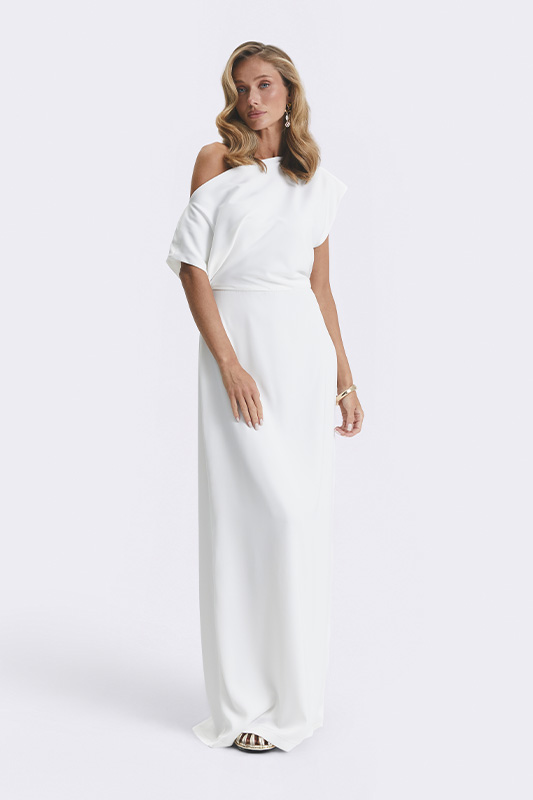
Quiet luxury isn't about "expensive"
There's a popular misconception that quiet luxury is simply the style of wealthy people.
A beige total look. A pricey bag. Cashmere. A candid photo somewhere by Lake Como.
A bit of a caricature. And honestly — a bit dull. In reality, quiet luxury is far more interesting than that.
"Quiet luxury is clothing that looks expensive because of the fabric, cut, and fit — not because of a loud brand," explains Anastasia, a stylist at Natali Bolgar.
And that, perhaps, is the whole point. Quiet luxury isn't about price — it's about being deliberate in what you choose.
About pieces that stay relevant not because a trend report said so, but because they're simply well made.
Quality fabric always does the work
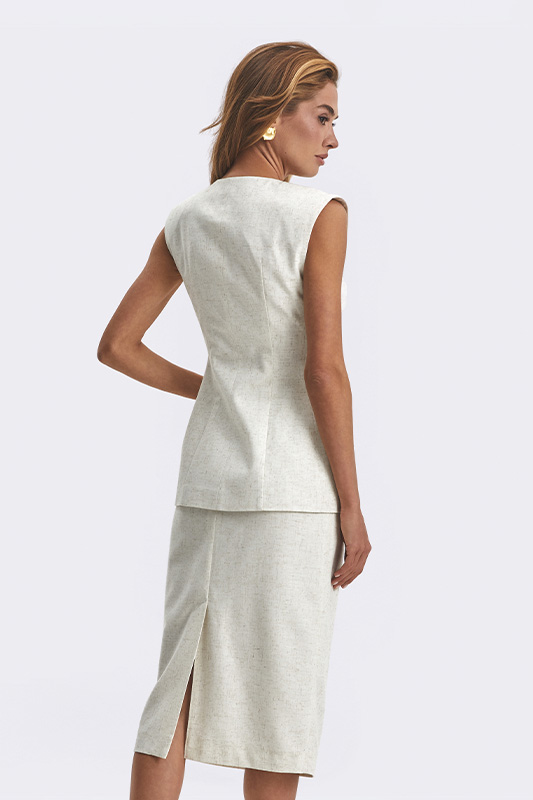
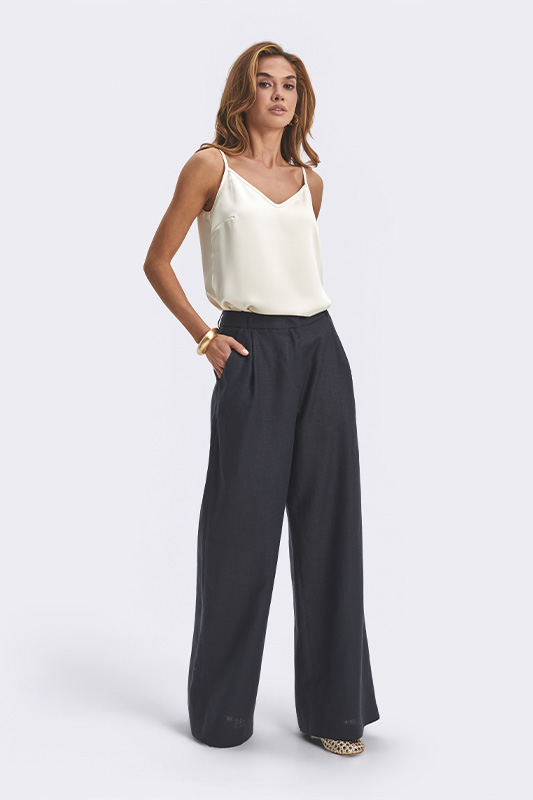
There's a reason a certain look feels cohesive, even when nothing about it is elaborate.
A white shirt, dark denim, a structured bag — and somehow it still works. More often than not, it comes down to the fabric.
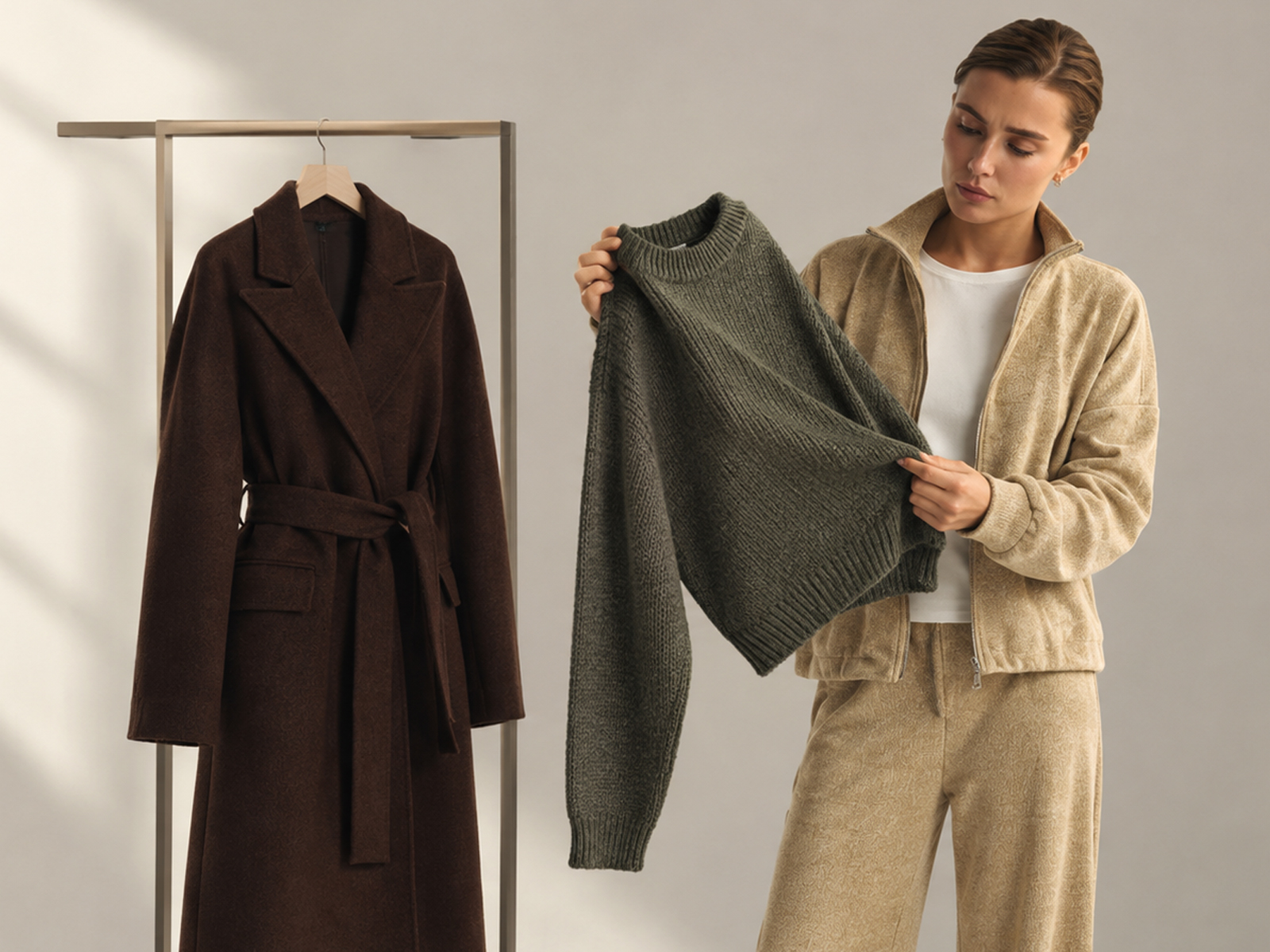
Quality material behaves differently: it holds its shape beautifully, catches the light better, and doesn't look worn out after just a few wears.
That's why quiet luxury is almost unimaginable without a strong foundation: a well-made shirt, the right knitwear, suiting fabric, denim that only gets more interesting with time.
Pieces that don't tire the eye. And don't need elaborate styling to feel right.
Cut matters more than trend
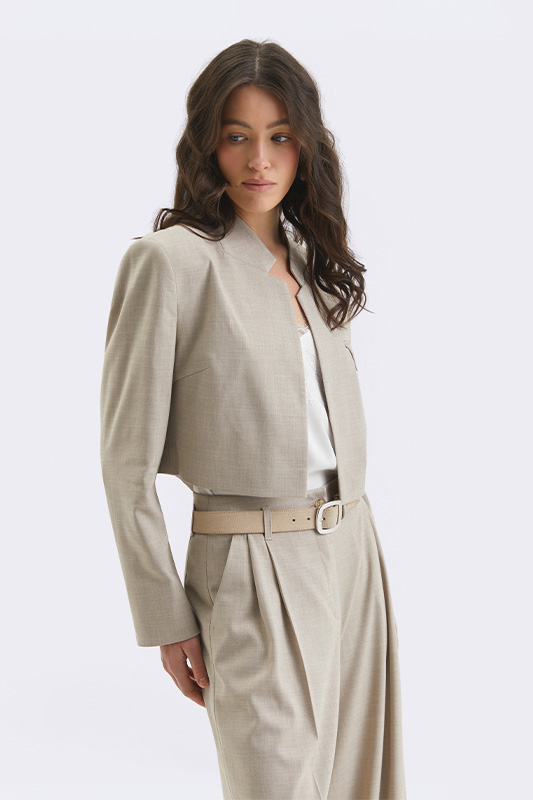
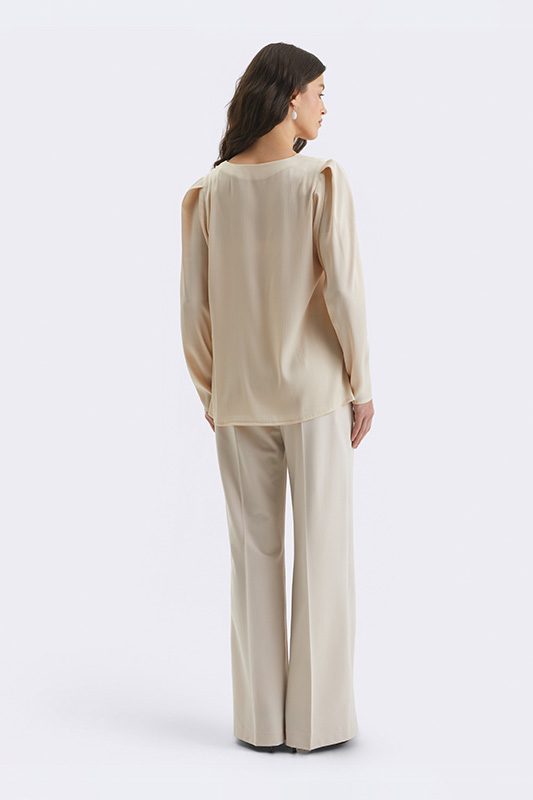
Fashion loves the idea of the "hero piece" — the one item that supposedly pulls a whole look together on its own. Quiet luxury works differently. It's not about one piece, but a system.
The fit of a blazer, the line of a shoulder, the length of trousers… the way fabric moves when you walk.
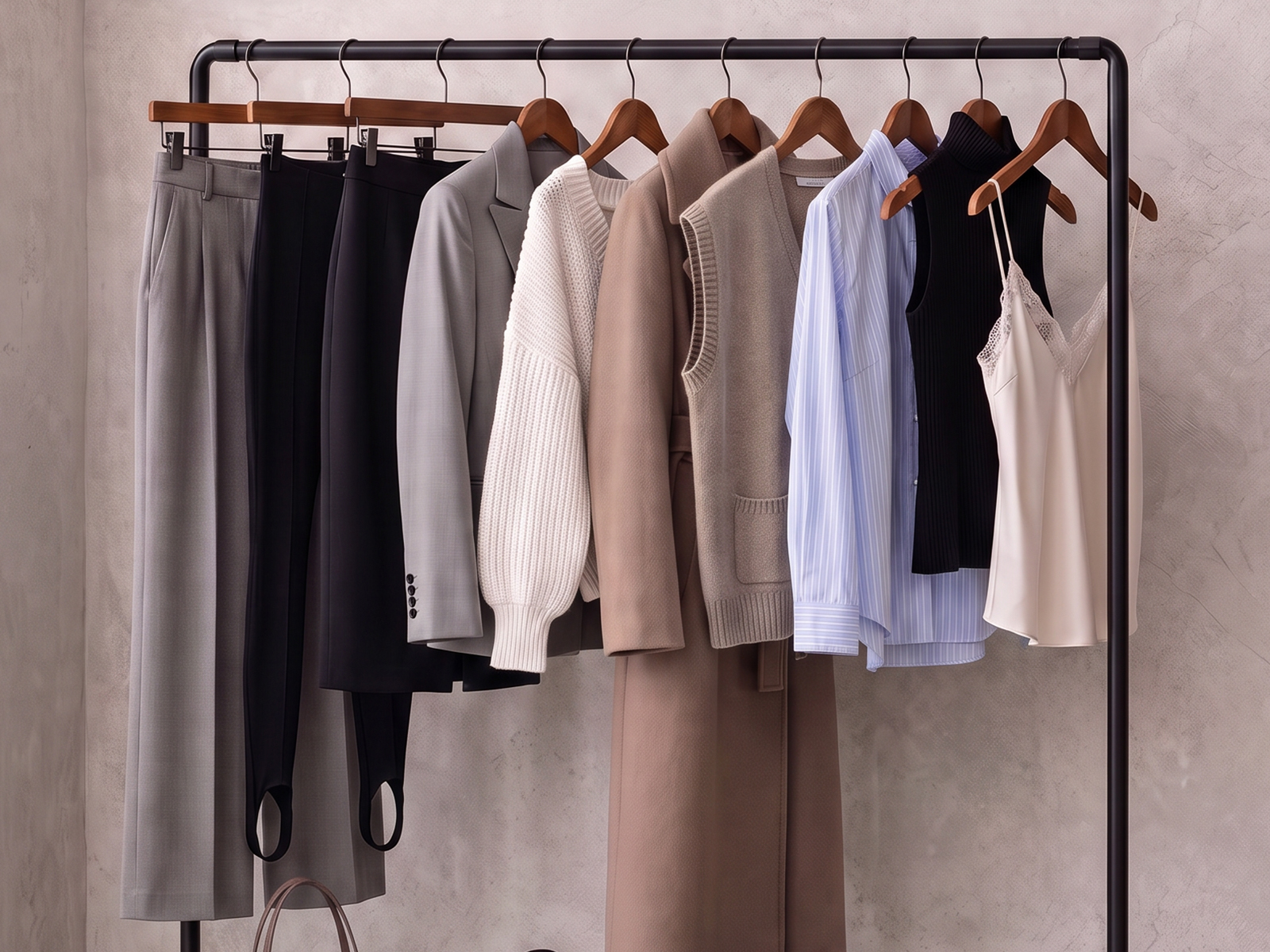
"The foundation of this style is a base wardrobe: clean-lined blazers, perfect trousers, shirts, minimalist accessories," says Anastasia.
And there's a nuance rarely mentioned. Quiet luxury isn't about a boring wardrobe.
It's more about pieces that don't lose relevance after a single season and don't need complicated combinations to "save" the look.
What quiet luxury looks like in real life
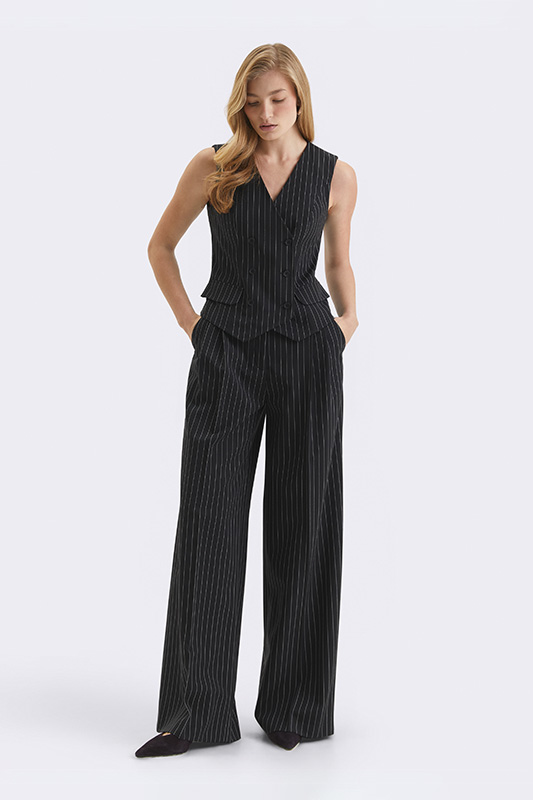
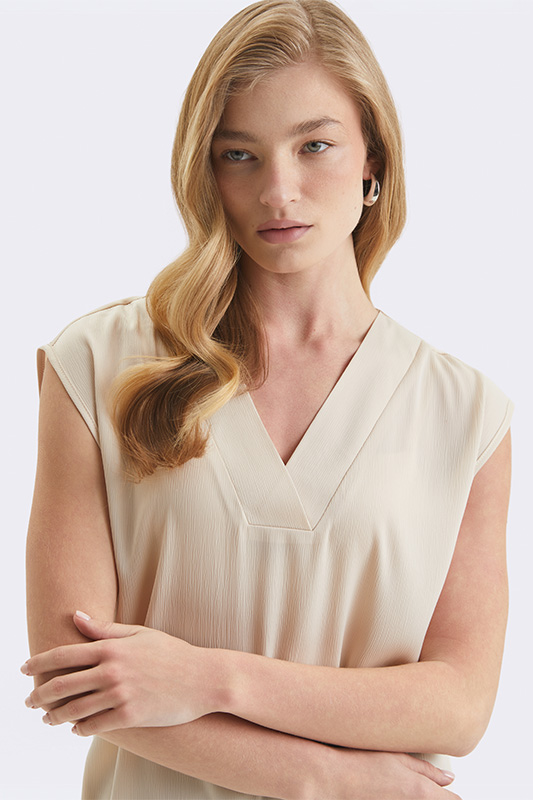
In reality — it's far simpler than it sounds. Not the "billionaire's wife" wardrobe from Pinterest. And definitely not total beige.
More like well-thought-out pieces that pair effortlessly with one another.
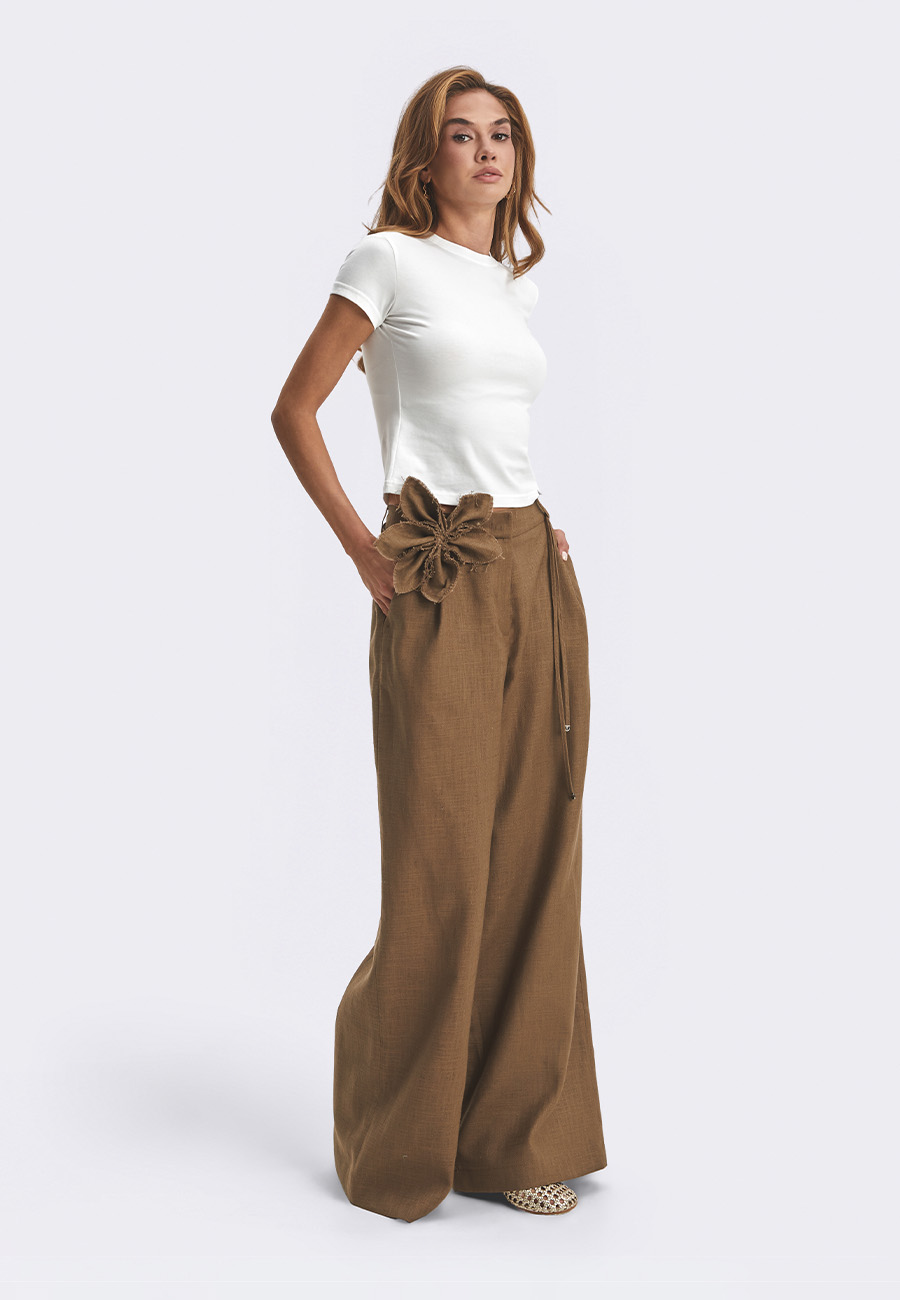
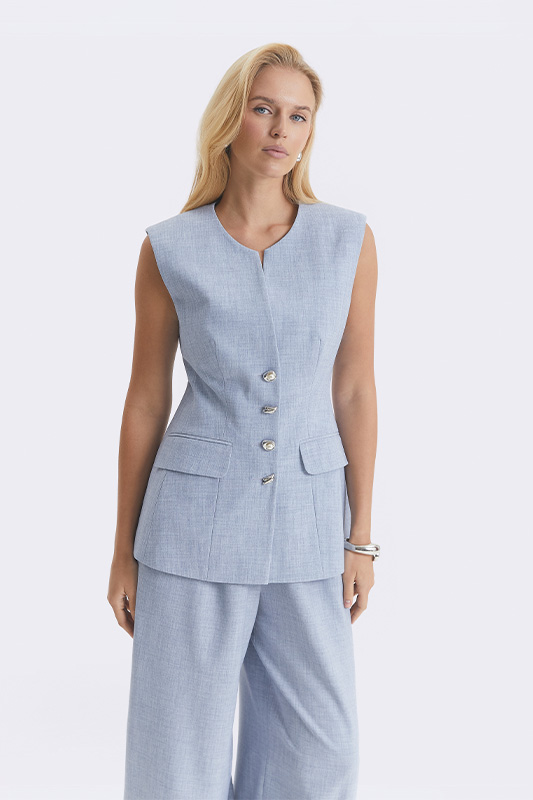
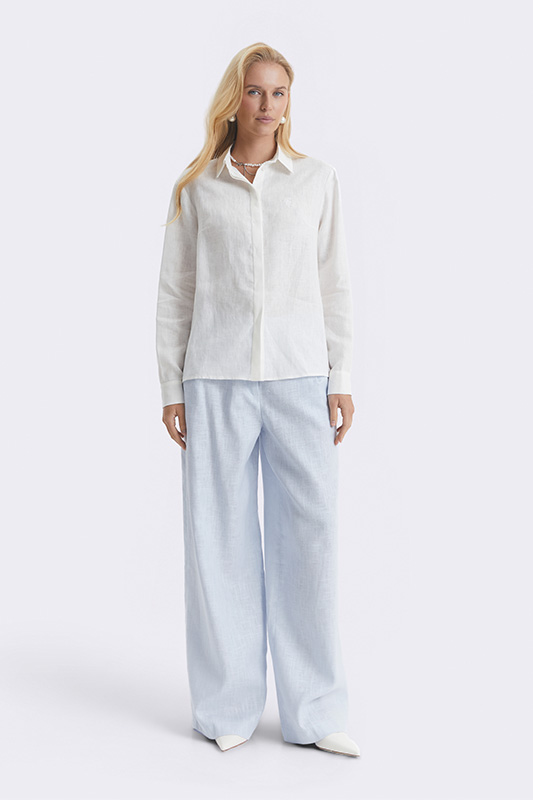
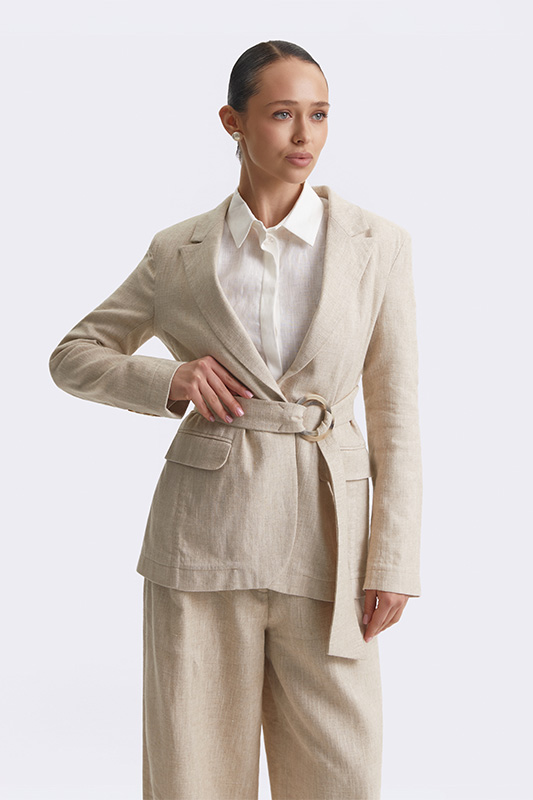
A linen suit and a simple tank top. A menswear-cut shirt with straight jeans. Knitwear in a complex shade — chocolate, cream, graphite, or sky blue. Minimalist jewelry. A quality bag with nothing to prove.
Quiet luxury is almost always built on detail — on texture, fit, proportion, and a sense of quiet cohesion in the look.
Less, but better
This idea, perhaps more than any other, is what has kept quiet luxury alive for so long. Because it's long since stopped being just about fashion — it's about a certain way of choosing.
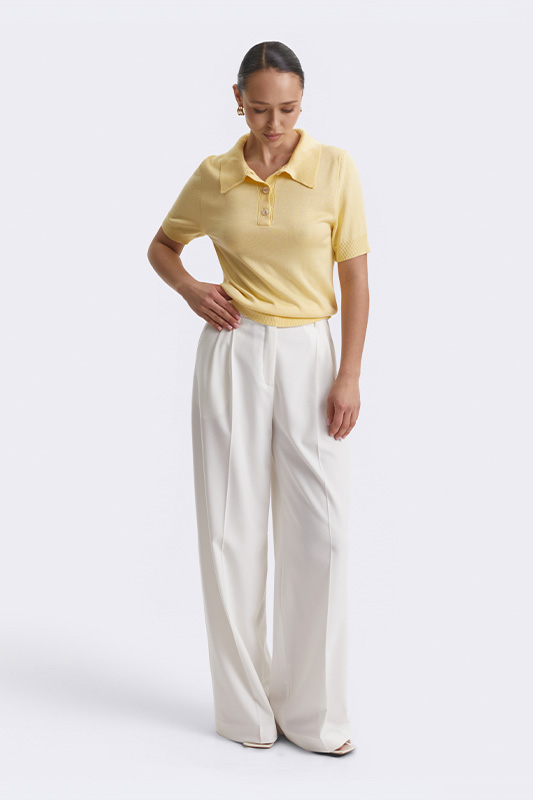
"The core idea of quiet luxury is to buy less, but better. To choose pieces that won't lose relevance after a season and that combine easily with each other," says Anastasia.
And that, arguably, is one of the most mature fashion ideas of recent years. Not filling your closet with random pieces, but building a wardrobe with intention — one that works for more than a single season.
At Natali Bolgar, quiet luxury was never a separate trend. It was always a principle.
That's precisely why the brand's collections pay such close attention to fabric, cut, and pieces that slot easily into a wardrobe and stay relevant well beyond one season.
Without unnecessary showiness, but with a very precise sense of form.
Perhaps that's exactly why quiet luxury has stayed with us longer than the trend reports predicted.
Because at some point, fashion quietly reminded us of something simple: true style is rarely built on volume.
More often, it's built on attentiveness. To fabric, to detail, to yourself. And to pieces you want to keep wearing well past a single season.