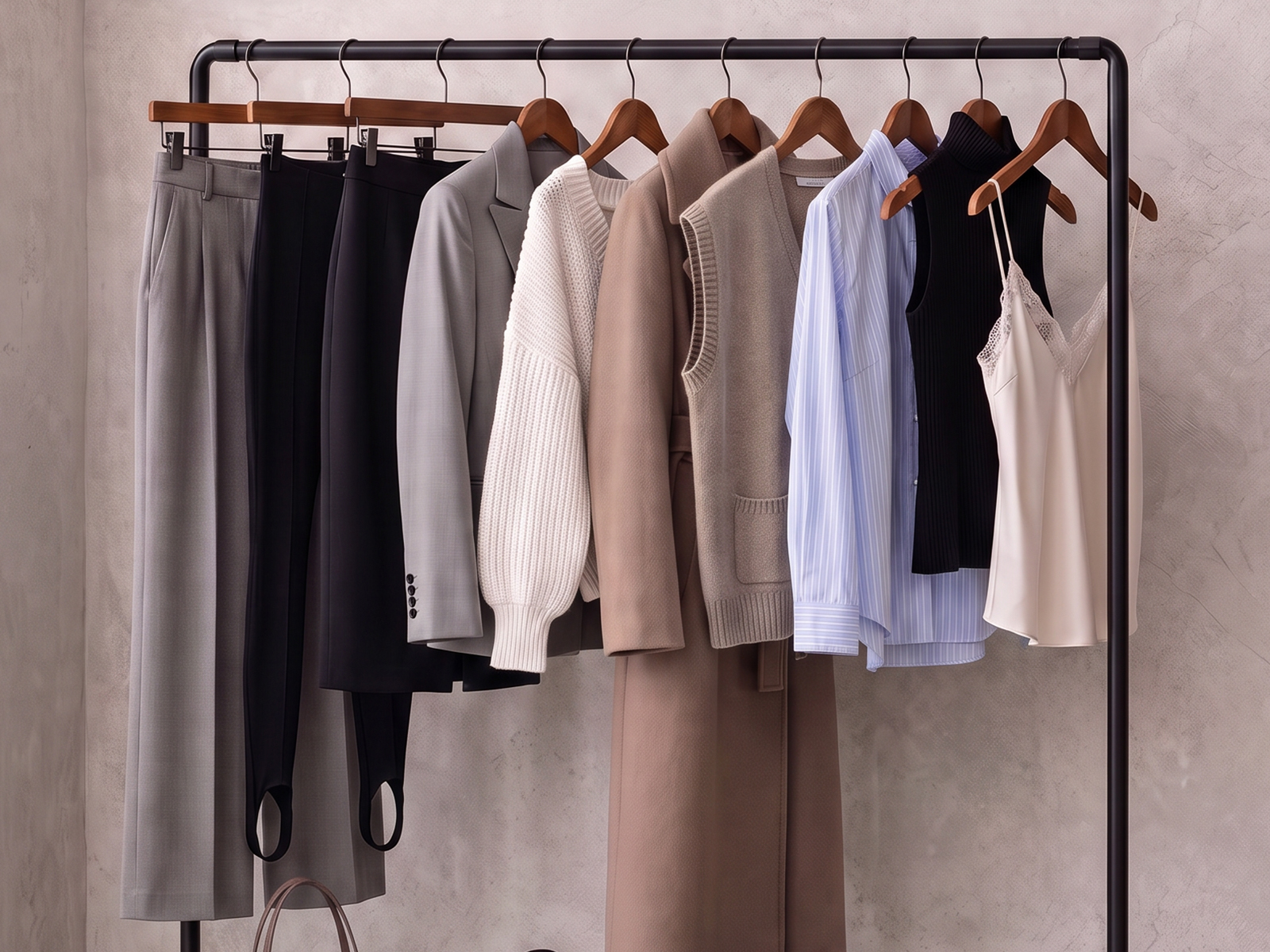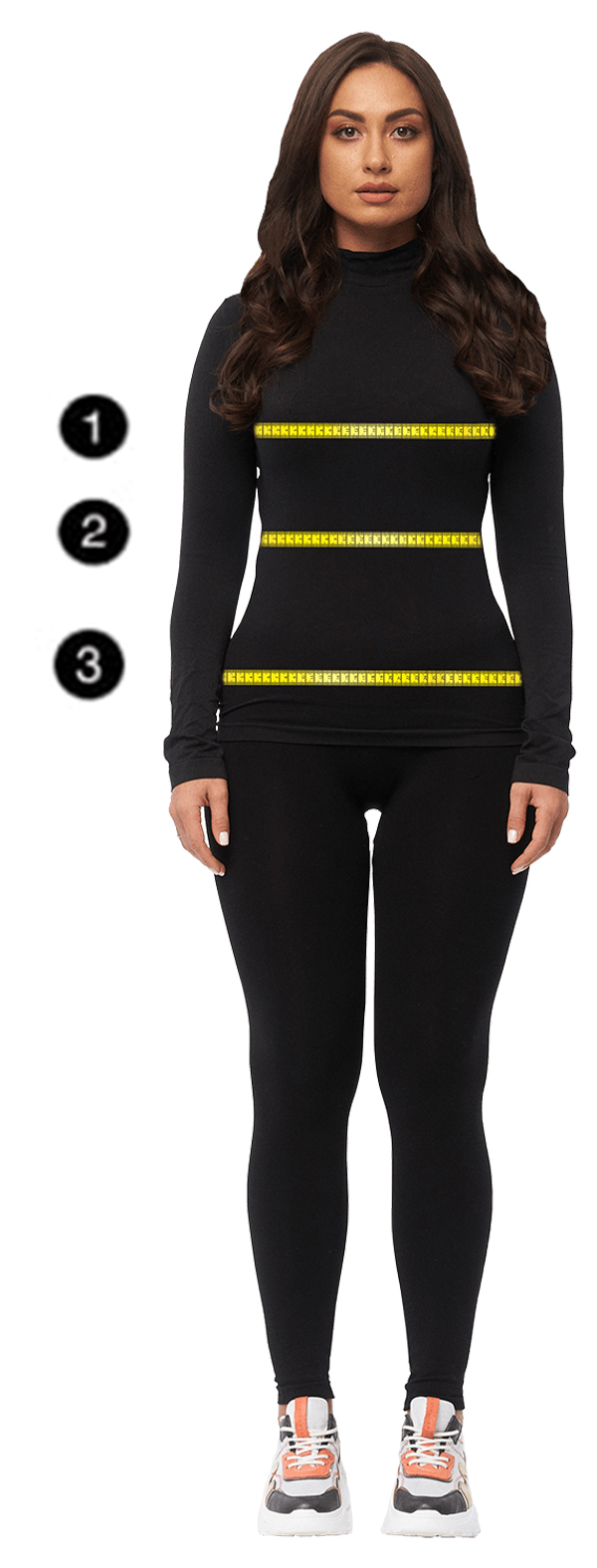
When choosing clothing, we usually pay attention to three things: whether we like it, whether it fits well, and how much it costs.
The country of manufacture sits somewhere nearby, in small print on the label.
We can know a fabric's composition down to the percentage, follow every seasonal silhouette, debate the quality of mass-market versus local brands — and barely stop to consider what "made in Ukraine" actually means. That's a missed opportunity.
Because behind those three words can lie not just the place where a garment was sewn, but an entirely different way of creating it, selling it, and extending its life.
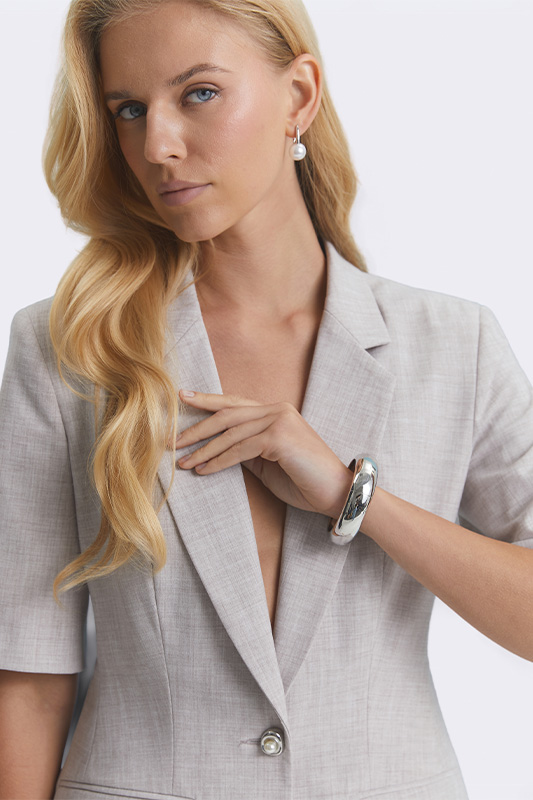
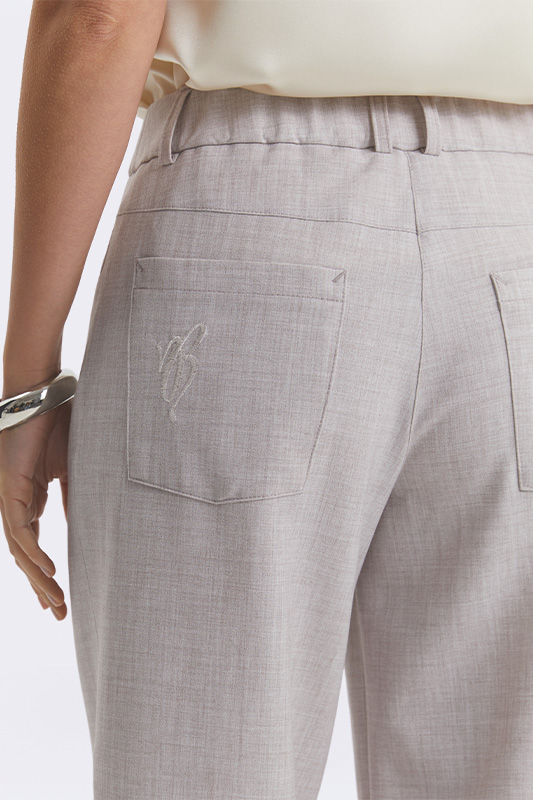
Made in Ukraine — more than a location
We've long since stopped treating a country-of-origin label as mere information about where something was produced.
Made in Italy, made in Japan, made in France — these are cultural codes by now. Behind them sit certain assumptions about materials, craftsmanship, technology, and attitude toward the work.
Interestingly, origin labeling once served a far more mundane function: it simply told the buyer where a product came from. Over time, country of origin began working as part of a reputation — and today we treat it almost as a feature of the product itself.
Ukraine is only just building that kind of code. And it doesn't come from the label alone. A production reputation is built from specific things: how the fabric is chosen, how the garment is constructed, how carefully the work is done, and what happens if something goes wrong with the piece.
So Made in Ukraine isn't a ready-made answer. It's more of a prompt to ask a few more questions.
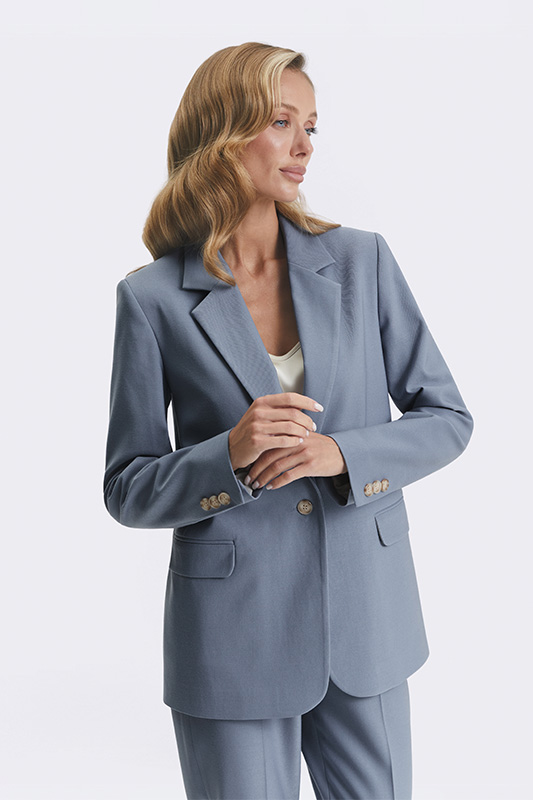
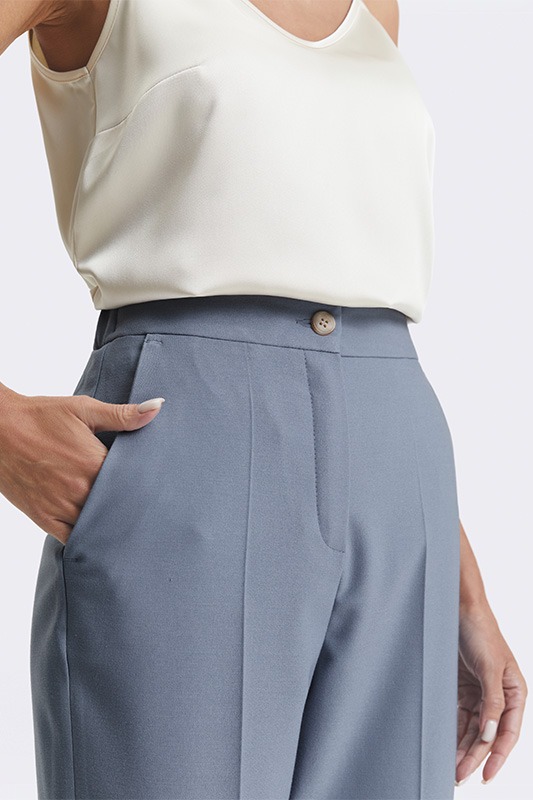
A Ukrainian brand and production in Ukraine aren't the same thing
It's a small but important distinction.
A Ukrainian brand may place part of its production abroad. A Ukrainian manufacturer, conversely, may produce garments for an international label.
So if supporting Ukrainian production specifically matters to you, it's worth occasionally looking a little past the brand name: where the designs are developed, where they're sewn, who works with the materials, and whether the company has its own production or partners with local factories.
You don't need to turn every purchase into an investigation, but it helps to understand exactly what you're supporting with your money.
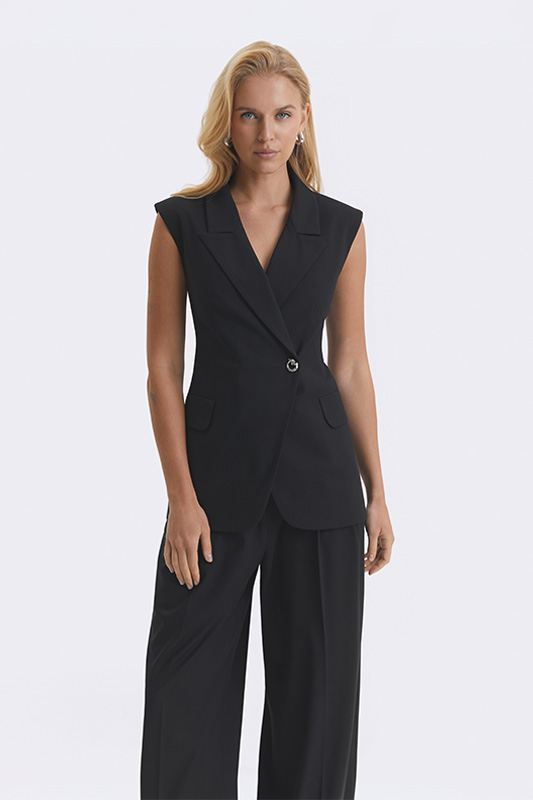
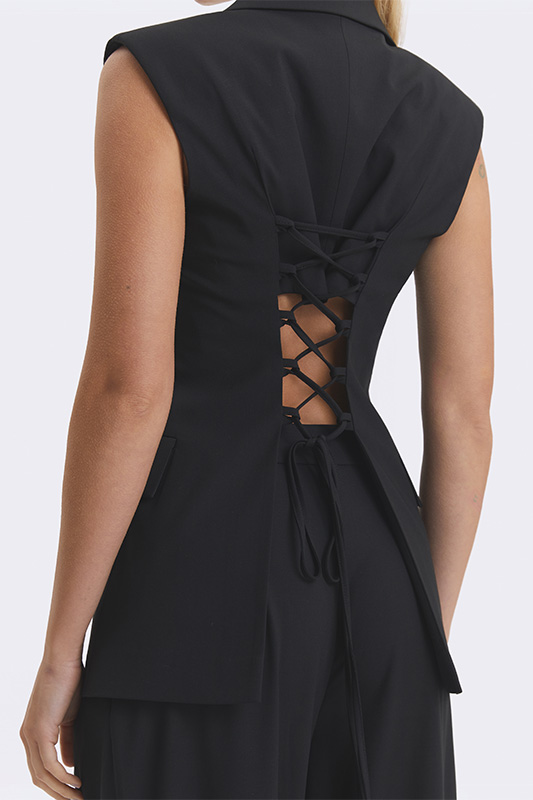
Why can a Ukrainian-made piece cost more than mass market?
Comparing a local brand's price to a large international chain is entirely reasonable. But behind visually similar garments can lie completely different production models.
When a company releases enormous volumes of clothing, the costs of development, material sourcing, logistics, and manufacturing get spread across a huge number of units.
A small manufacturer works with different math. Materials are bought in smaller batches, designs are developed on a far smaller scale, and the costs of the team, equipment, production, and quality control fall on a much smaller number of garments.
That's exactly why two visually similar pieces can have very different production costs. But it's important not to swing to the opposite extreme here.
Ukrainian origin on its own doesn't make a garment high quality, and it doesn't justify any price tag.
If we're paying more, the garment should have an answer to "for what?": for the fabric, for the construction, for the hardware, for the small production run, for the quality of the workmanship, for production oversight.
Sometimes — for something harder to arrange within a large system: a more personal relationship with the garment after purchase.
The atelier approach: when a purchase doesn't end at the register
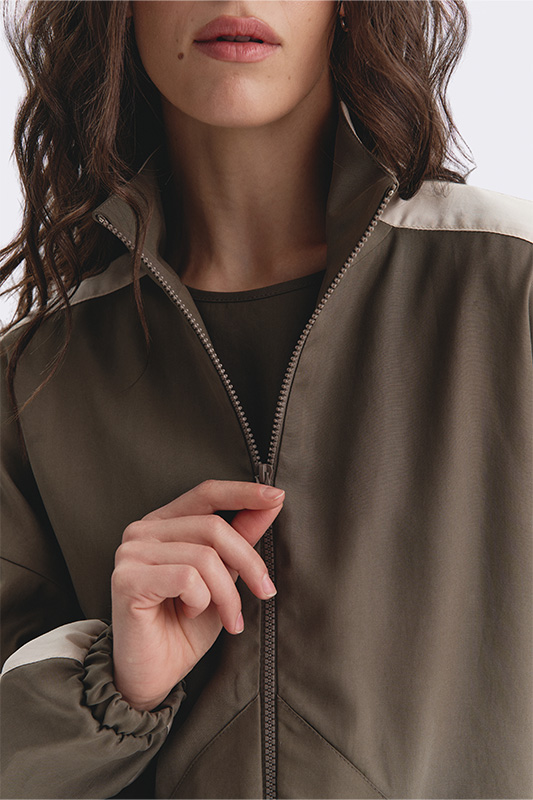
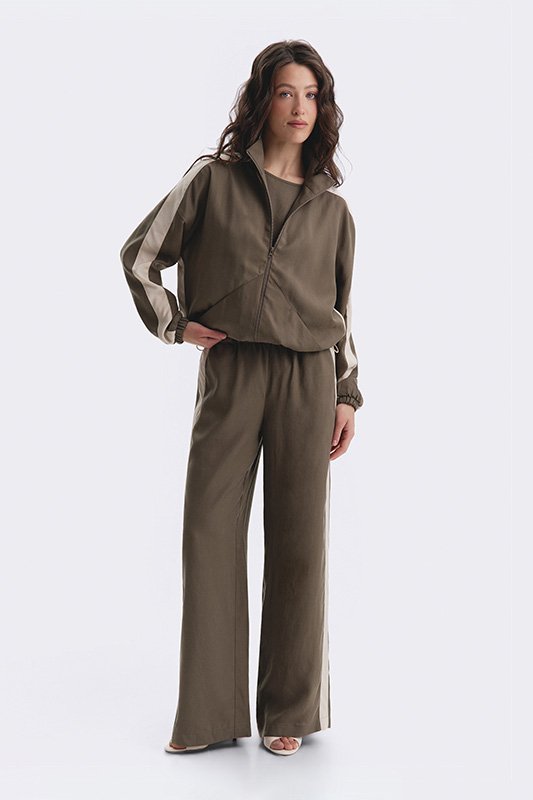
Some Ukrainian manufacturers offer a service reminiscent of a modern-day atelier.
Need a sleeve shortened? It can be adjusted. Replace the hardware? That's possible too. Repair a lining or a seam, adjust the length or the fit.
Not every brand works this way, and it's certainly not a universal trait of Ukrainian production. But wherever this kind of service exists, it changes how a purchase is perceived altogether.
Historically, an atelier worked around one specific person: the tailor accounted for her figure, proportions, and preferences. Mass production changed that logic. A standardized garment is made first, and then a person searches among the ready-made sizes for the one that fits her best.
A modern local manufacturer doesn't bring back the atelier in its old form, but it can sometimes restore part of that dialogue between a person and a garment. And then the value of a piece doesn't end on the day it's bought.
If a manufacturer is willing to repair a garment, replace a detail, or adjust it to fit you, that too is part of what you're paying for.
What we're really buying along with the garment
The price of clothing almost always looks like a final figure, but it can be viewed differently.
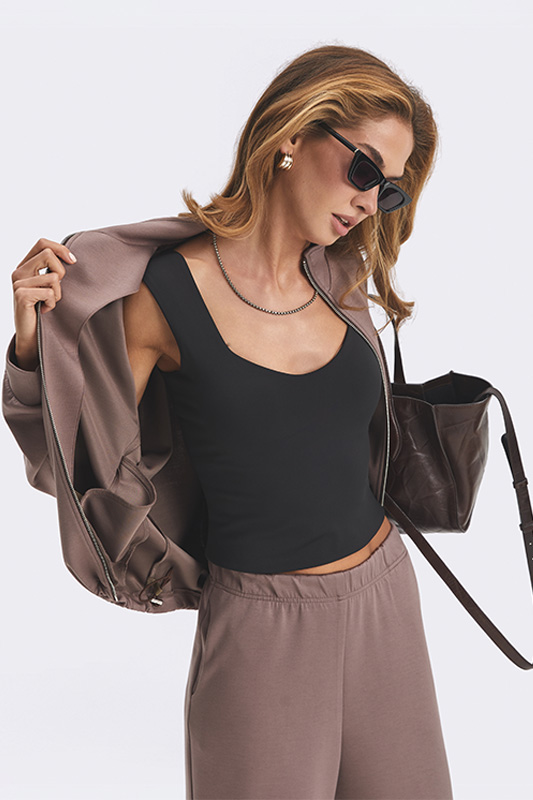
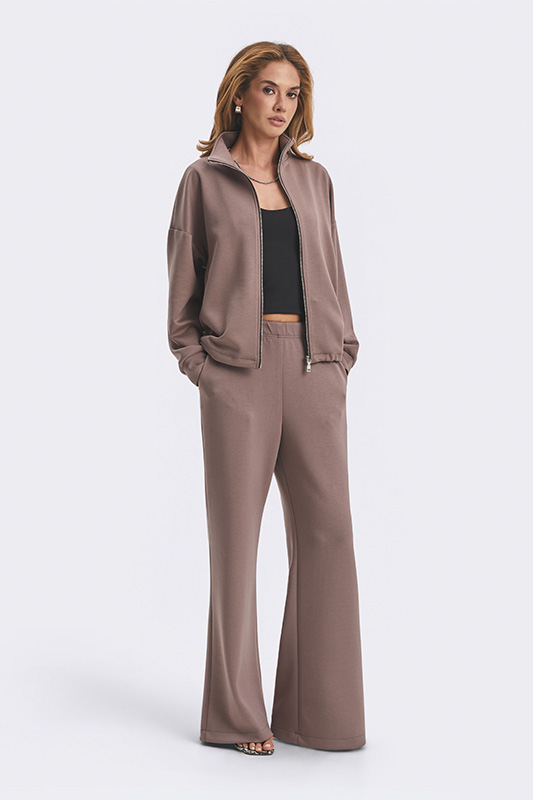
That sum can include the work of a pattern maker and technologist, materials and hardware, sewing, quality control, a small production run. And if the manufacturer offers post-purchase service — the chance to extend the garment's life as well.
So two similar garments aren't necessarily worth comparing on price alone. One may simply cost more, while the other's price may include a different life story for the garment.
We covered just how much work stays invisible behind a finished garment in the article "Production from the inside: how Natali Bolgar clothing is made". There you can look at a familiar jacket, dress, or pair of trousers not as a finished product, but as the result of an entire team's work.
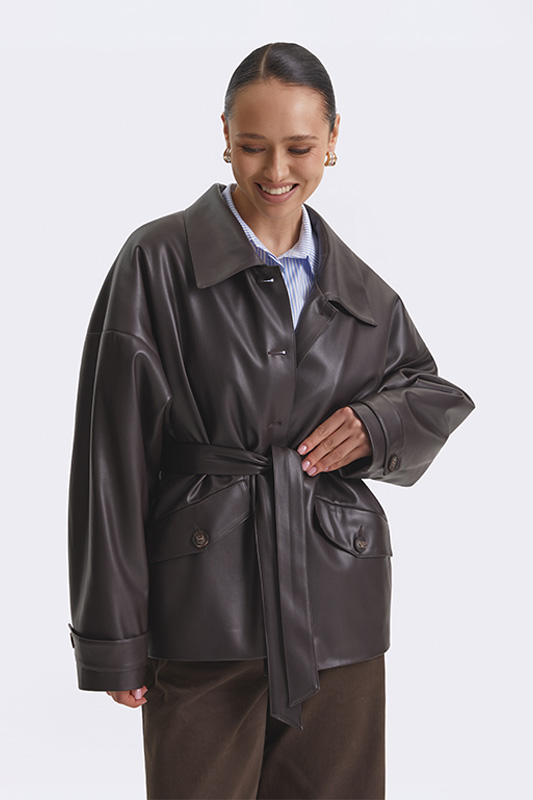
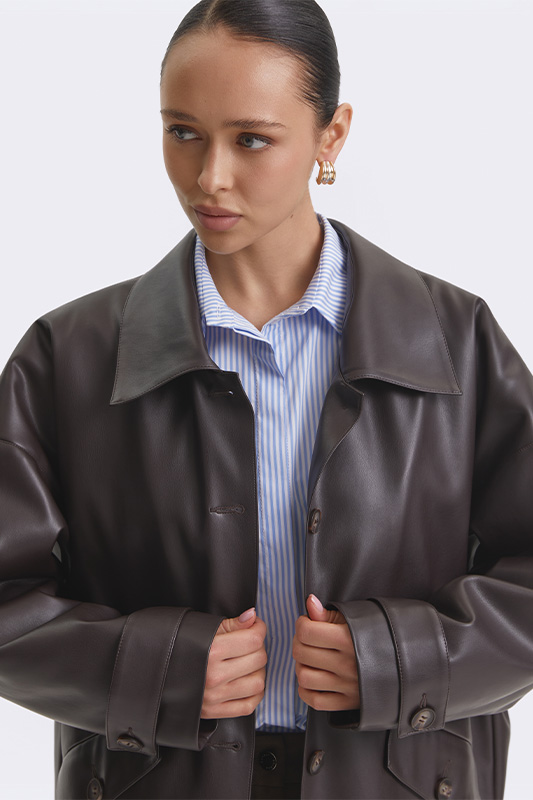
How to support Ukrainian manufacturers without shopping for shopping's sake
Support doesn't have to mean buying more.
If you need a new piece, you can simply add Ukrainian brands to the list of ones you're considering. Look at where the garment is made, what it's made from, how the process is set up, and whether there's a post-purchase service.
If you find a piece that truly suits you, coming back to that manufacturer next time is also a form of support. So is recommending a good brand, leaving a substantive review, or repairing a favorite item instead of immediately looking for a replacement.
Sometimes support isn't a purchase at all — it's attention to what exactly we're buying.
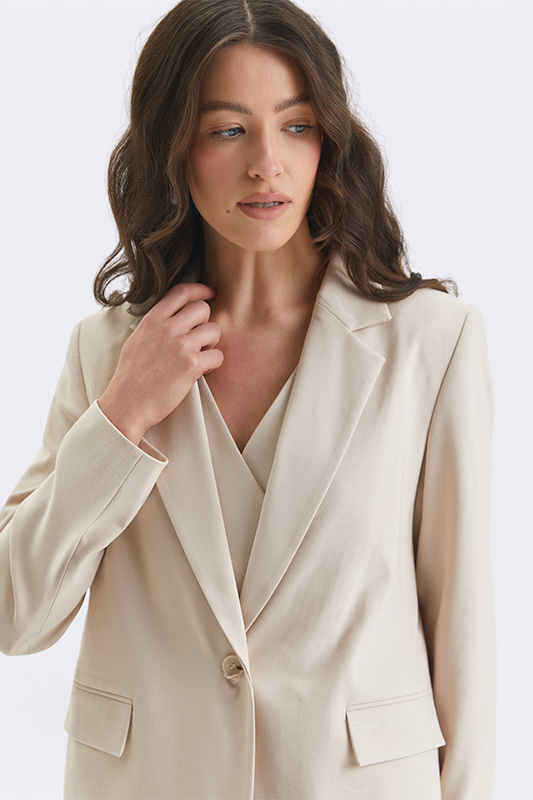
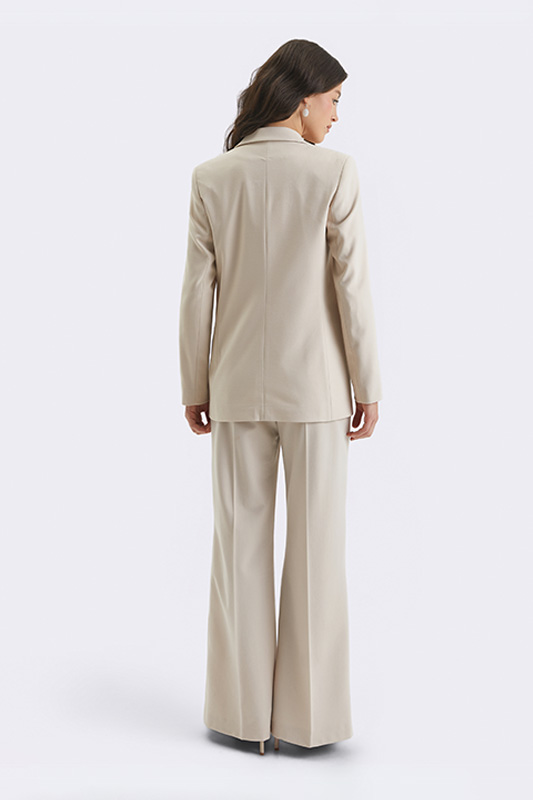
How to know what you're paying for
Before you buy, you don't need to become a textile industry expert. It's enough to take a closer look at the piece itself.
Where was it made? If Ukrainian production specifically matters to you, it's worth distinguishing it from a simply Ukrainian brand origin.
What is it made of? A fabric's composition often tells you more about how a garment will behave over time than a beautiful collection description.
How was it made? Fit, seams, finishing, hardware, and internal construction will tell you far more about quality than the word "premium" on a website.
What happens after the purchase? Can the garment be repaired? Can a detail be replaced? Can the length or fit be adjusted? If the manufacturer offers this kind of service, it's worth weighing alongside the price.
And finally — the question that leaves the least room for self-deception: Would you choose this piece if you didn't know it was Ukrainian?
If yes — great. Then its origin becomes an additional reason to choose it, not the only one. If not — there's no need to talk yourself into it.
A Ukrainian manufacturer doesn't need indulgence. It needs a customer who can say: "I'm choosing this piece because it genuinely suits me."
Perhaps that's exactly how trust in a local manufacturer is built: not out of an obligation to buy local, but through an experience that makes you want to come back.
Ultimately, supporting Ukrainian production isn't just about buying items with the right label. It's the ability to recognize genuine value where it truly exists.