There was a time when a woman heading into the room where the important decisions were made had to think about more than just what she had to say. She also had to think carefully about how she looked, simply to be heard at all.
That is how power dressing was born — not just a fashion trend, but a kind of visual strategy for women stepping into a professional world whose rules of power had long been written by someone else.
What makes this style's history so compelling is precisely that: it began as imitation and ended with the right to speak in its own voice.


First, you had to look like you belonged
The term power dressing took hold especially in the late 1970s and through the 1980s, as women entered the corporate world en masse. In 1977, John T. Molloy published The Woman's Dress for Success Book and proposed what he called "wardrobe engineering" — literally, constructing a wardrobe as a tool for professional advancement. His approach was fairly straightforward: clothing was meant to help a woman look competent and serious in an environment where the standards had largely been set by the men's suit.
There is a certain irony in this story. The first wave of power dressing was less about showcasing female strength than about learning to speak the language of an environment where strength already had its own dress code.
A woman put on a suit, but she couldn't simply copy the men's version. Borrowing the male silhouette too literally was read as a breach of gender norms, so the women's work suit spent a long time balancing between authority and traditional femininity: structured, but not too rigid; noticeable, but not eccentric. The advice of the time sometimes read like instructions for walking on very thin ice: be visible enough, but not "too much," confident but not threatening, professional but not stripped of femininity. That's a lot of rules for one wardrobe.
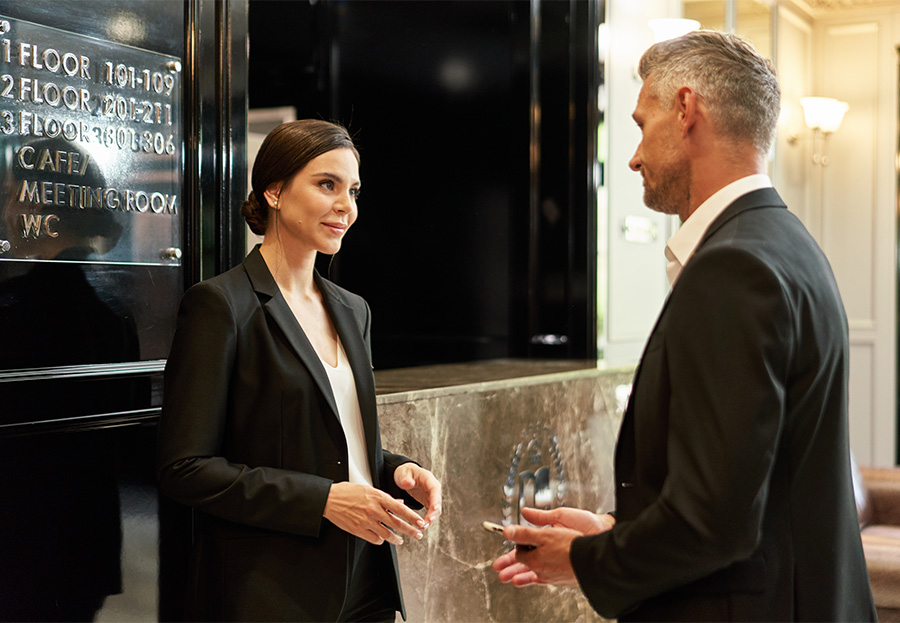
The shoulder as the architecture of power
In the 1980s, this system took on an almost literal form.
Shoulders grew wider, blazers more structured, the silhouette more expansive. Designers like Claude Montana and Thierry Mugler turned the women's suit into an almost architectural construction. The broad shoulder became more than a fashionable detail — it became a way to visually expand a person's presence in space. It was the broad-shouldered double-breasted suit of this period that became one of the most striking symbols of power dressing and corporate status.
You could say fashion was literally building a woman space around her body.
A woman no longer simply dressed to match her professional environment — her silhouette began to take up more room within it.
But fashion, as it so often does, didn't stand still. What came next is the more interesting part of the story.
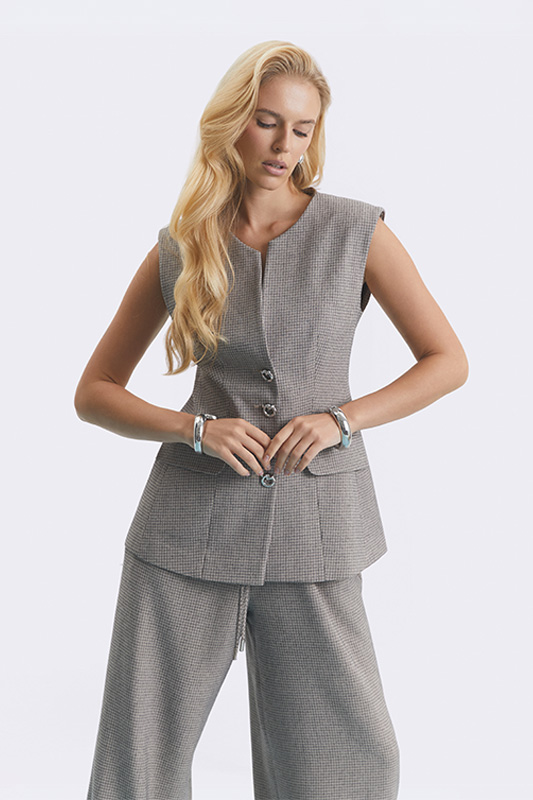
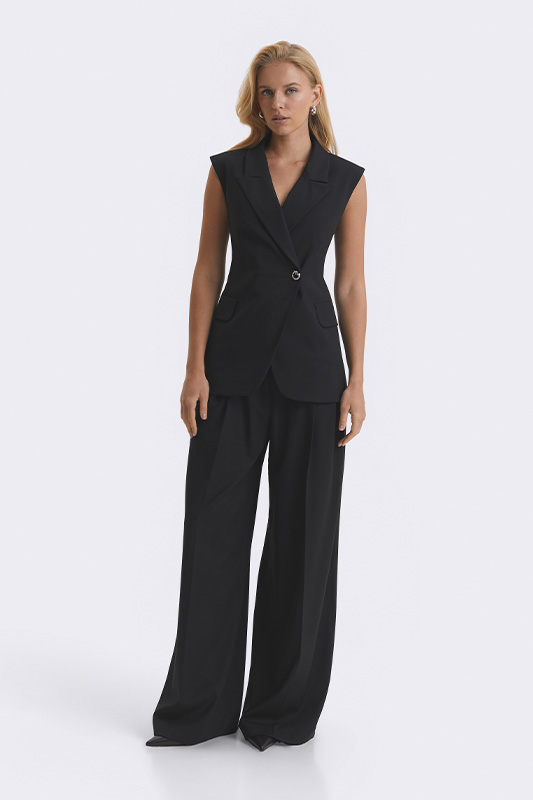
From "looking like someone in power" to "having your own code"
Taking a wider view of power dressing's history, you can see more than a shift in silhouette — you can see a shift in the question itself.
In the 1970s, it sounded roughly like this: how do I look professional enough to be taken seriously?
In the 1980s, the answer became an almost literal suit of power — strong shoulders, sharp construction, a bold, status-signaling silhouette.
And in the 1990s, the professional wardrobe began to grow less uniform, giving women more freedom in color, silhouette, materials, and degree of formality. Researchers of women's workwear linked this shift, in part, to women gaining more autonomy in defining their own professional image.
What happened, in other words, was a key turning point. A woman no longer had to literally copy the visual codes of male power. She could start building her own.
This is where power dressing becomes genuinely fascinating. Because its modern version isn't necessarily about looking stronger anymore. It's about what your own strength looks like.
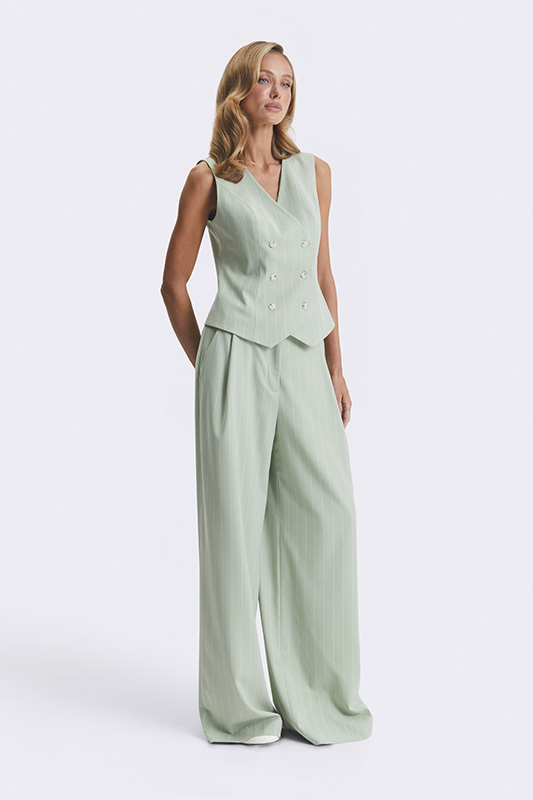
A leader's wardrobe starts with a visual code
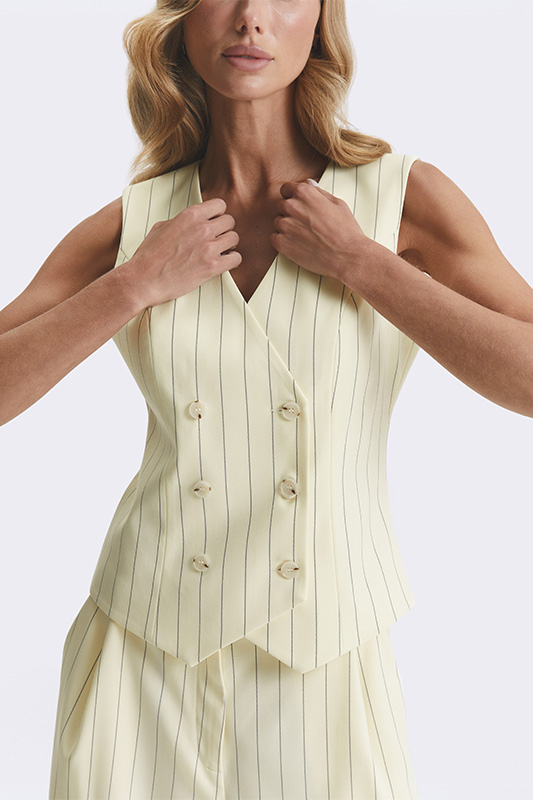
Today, power dressing can be strict, soft, minimalist, feminine, monochrome, or fairly relaxed. A blazer on its own doesn't make a look powerful, just as its absence doesn't take power away from one.
What matters more is whether the look has an internal logic. When a woman knows her proportions, her favorite silhouettes, a comfortable length, the colors that work for her, and the details that gradually become her visual signature, the wardrobe stops being a collection of random pieces. It becomes a system.
That's exactly why women whose style we instantly recognize often don't have as many different looks as we might think. The details change, but a certain consistency remains: the shoulder line, the length of the blazer, a particular palette, the character of the jewelry, the way a shirt or trousers are worn.
This isn't monotony. It's recognizability. And one of the most valuable things a wardrobe can give a woman leader is her own visual signature.
How to build a wardrobe that works for you
It's tempting to reduce power dressing to a familiar formula: a dark suit, a white shirt, shoes, a nice bag, a coat. It seems like assembling this kit should automatically come with strategic thinking built in. That would be convenient, but a wardrobe works in a more complex way.
A woman running a business, a team, or her own career rarely lives in a single context. There might be a team meeting in the morning, a presentation after lunch, dinner with partners in the evening, and in between — travel, phone calls, and dozens of small decisions that never make it into the calendar.
That's why a leader's wardrobe isn't a set of suits "for serious occasions." It's clothes that can work across different situations while staying recognizably yours.
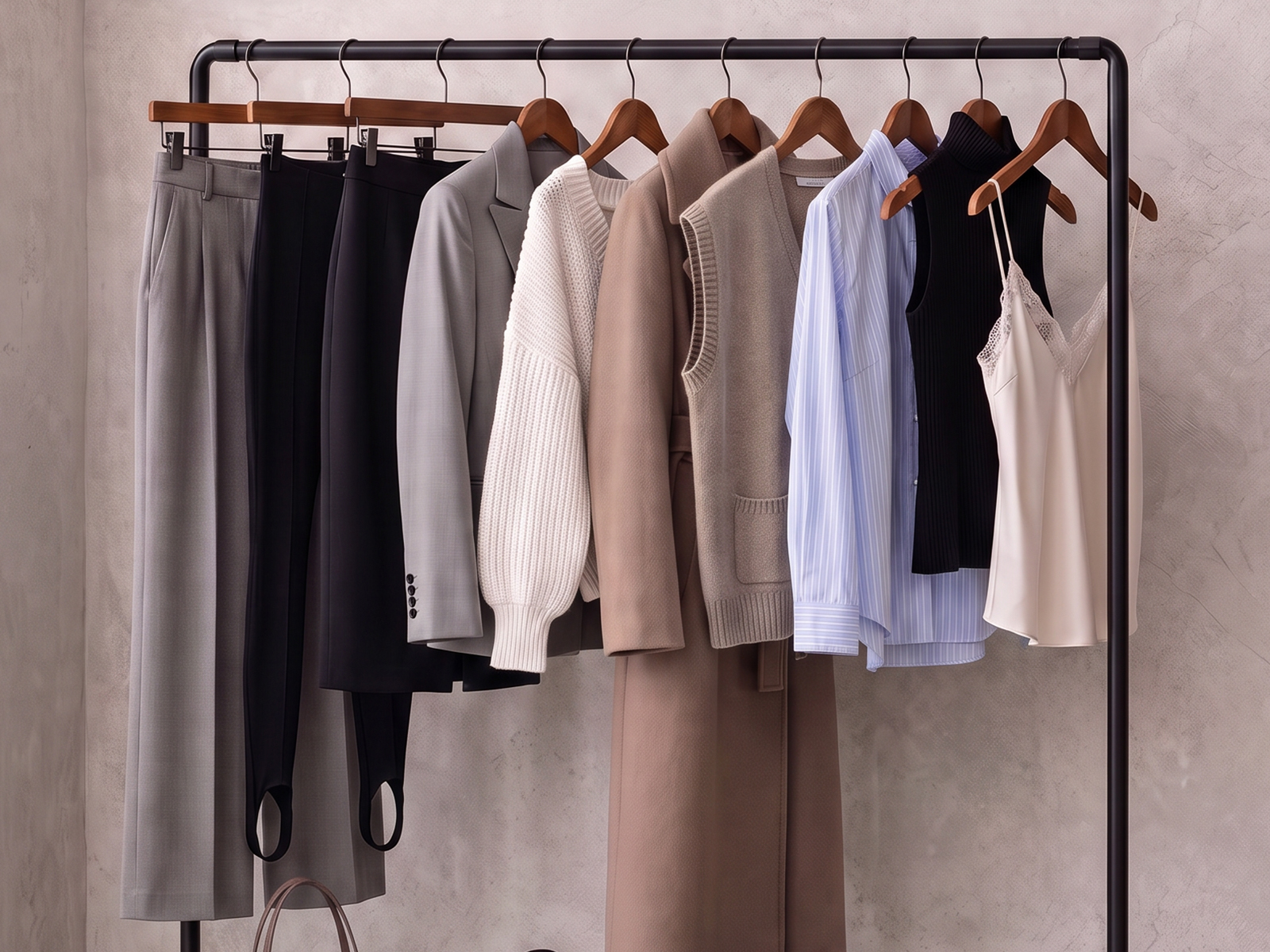
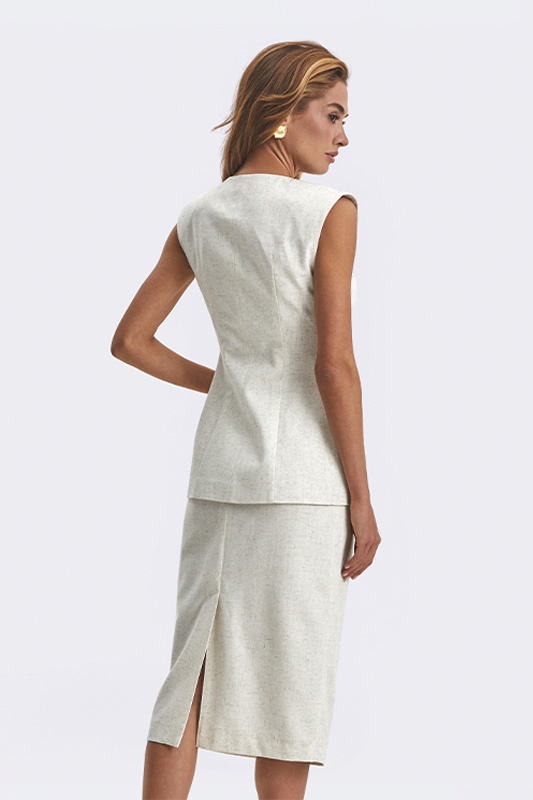
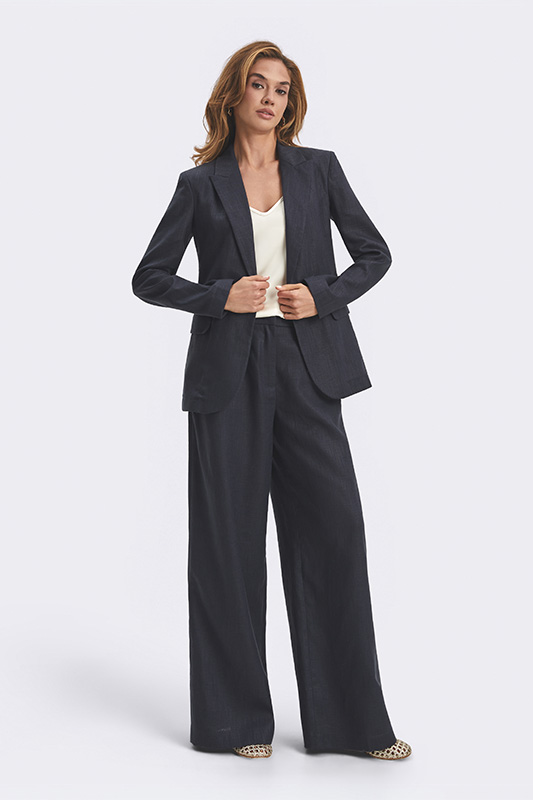
A blazer that looks equally convincing with trousers and with a dress. A shirt that keeps its character even without a jacket. A dress whose character shifts depending on the shoes and jewelry. An outer layer that holds the look together on the way to the office or at a meeting after the workday.
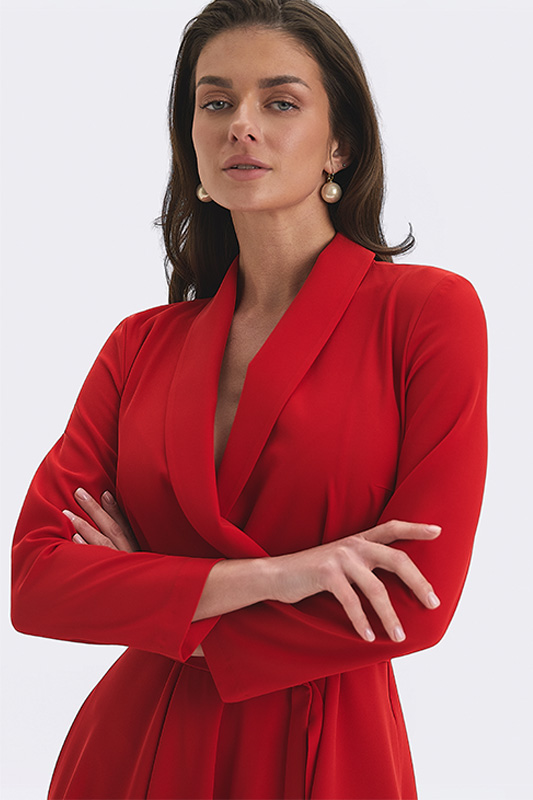
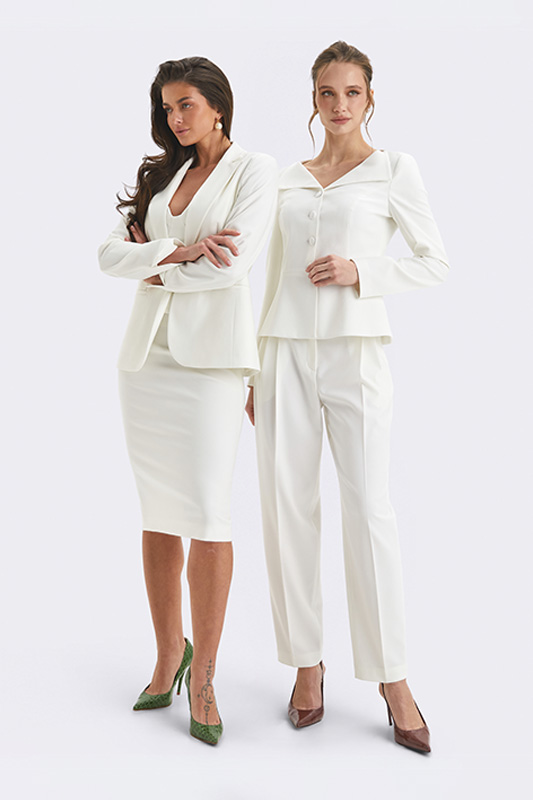
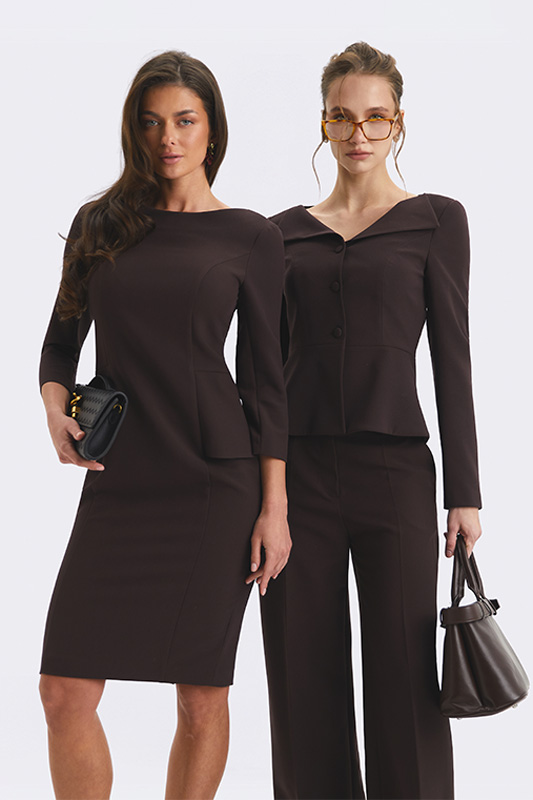
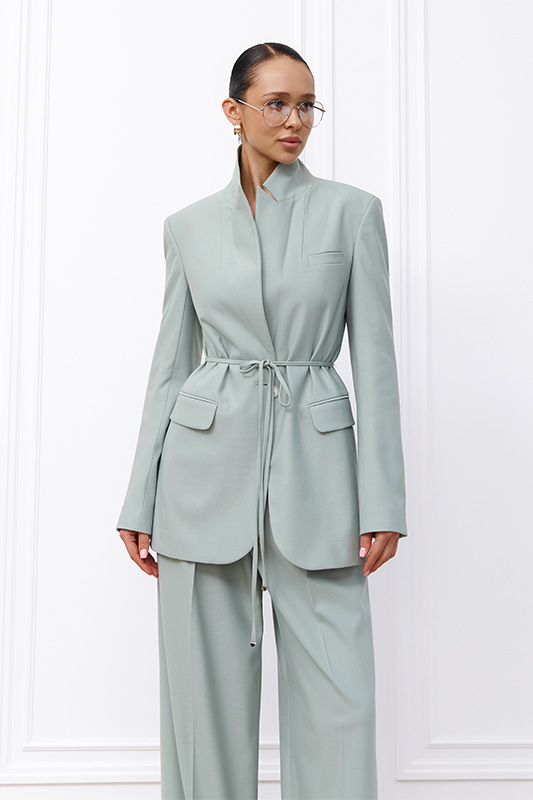
You can see exactly this logic at work in Natali Bolgar pieces: blazers, suits, shirts, dresses, and trousers can become parts of many different combinations rather than single-use "ready-made looks." In a wardrobe like this, the pieces don't compete for attention — they work as a system.
When a wardrobe becomes part of a personal brand
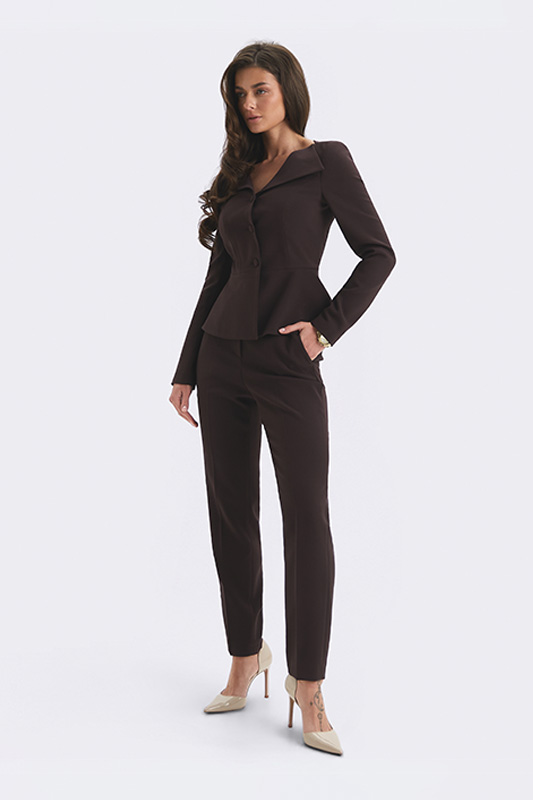
For an entrepreneur, there's another layer to this: her professional image often exists in several spaces at once — the boardroom, the stage, social media, an interview, a meeting with a client. She herself becomes part of her business's visual language.
Here, a wardrobe can work not just for the first impression, but for recognition.
This isn't about corporate colors or a single outfit for every occasion. Your own style becomes more interesting when it's flexible enough, yet has recurring markers: a certain silhouette, a palette, jewelry, the shape of your glasses, the way you combine pieces.
If people can recognize you before you've even said your name, your visual code is already working. A personal brand can start with something that requires no logo at all. Sometimes it's just a handful of details that consistently remain yours.
What should actually be in a woman leader's wardrobe?
Don't start with a shopping list. Start instead with a few questions to ask your wardrobe.
Which silhouette keeps repeating? If you consistently reach for straight-leg trousers, blazers with a crisp shoulder line, dresses of a certain length, or monochrome outfits, that's already part of your code. There's no need to reinvent yourself every time.
Which pieces actually work with your pace? The ones that not only look convincing but also fit easily into your day, pair well with each other, and don't leave you constantly wondering whether they still fit well, whether they've lost their shape, or whether they've become an unwanted focal point.
Where is there structure in your wardrobe? That could be a suit, a blazer, straight-leg trousers, a shirt with a crisp collar line. You don't have to wear it all at once. Sometimes one structured piece is enough to set the right tone for the whole look.
What in it is recognizably yours? It doesn't have to be extravagant. It could be a particular shade, the shape of your jewelry, your glasses, a texture, or a way of combining pieces. Over time, it's exactly the recurring details that become a visual signature.
And one more thing: don't be afraid to repeat yourself. Recognizability isn't born out of an endless stream of new looks. On the contrary, it's the recurring elements that gradually shape a style you don't need to explain every morning.
So it's more useful to ask yourself not "how many different looks can I put together?" but "what stays the same across my looks?" That's often exactly where your own code begins.
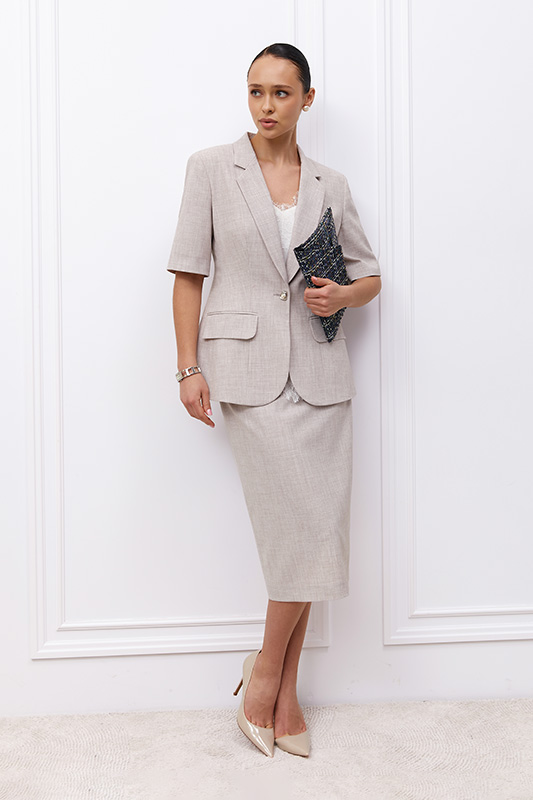
From the suit to a language of your own
Perhaps the biggest change in the history of power dressing didn't happen in the silhouette, the color, or the length of the blazer.
It happened in the role of the woman herself.
At first, she had to fit an already existing code just to gain access to the professional world. Then she learned to speak that language with confidence. And after that, she gained the power to decide what her own presence should actually look like.
That's why today power dressing doesn't necessarily mean a suit with a strong shoulder, or even a business look in the conventional sense. It's the ability to build a consistency into your wardrobe that works for you across different situations and roles, while staying recognizable.
First, a woman put on a suit to gain access to the language of power. Then she learned to speak it. And now she can speak in her own voice.