Once a child arrives, so much else shifts: your daily rhythm, your sleep, your plans, the routes you take around the city — and, almost always, your wardrobe.
This is exactly the moment the internet starts explaining to a woman how a mother is supposed to look. Pinterest shows flawless looks for stroller walks. Social media offers endless lists of things you "absolutely need" on maternity leave. Search engines return dozens of articles with ready-made formulas.
The only trouble is that no universal answer exists. Because a mother of an infant, a mother of a three-year-old, a mother of a schoolchild, a woman working remotely, and a woman devoting all her time to family — these are different lives. Which means different wardrobes, too.


How motherhood became part of the public conversation
Interestingly, it wasn't always this way. A hundred years ago, pregnancy and motherhood remained largely a private part of a woman's life. Fashion even had specific silhouettes designed to conceal changes in the body. It wasn't spoken about aloud, and it was rarely shown in public.
Things began to change gradually. One symbolic turning point was Demi Moore's famous 1991 Vanity Fair cover. For its time, it caused a genuine stir and effectively reshaped mainstream culture's attitude toward pregnancy.
A few decades passed, and the pendulum swung the other way. Social media created a new image. A young mother was supposed to be productive, beautiful, well-groomed, athletic, successful — and, ideally, look as if her life consisted entirely of aesthetic breakfasts and walks in cashmere.
Reality, as a rule, is far more interesting. And far more honest.


Why most advice doesn't work
Because it doesn't start with you — it starts with a shopping list. Buy this, add that, wear it like so. But a wardrobe always works the other way around: life comes first, clothes come second.
If most of your days unfold between the playground, errands, trips across the city, and work calls, a curated selection of looks for brunch on the Amalfi Coast is unlikely to help.
Just as a mother with an active social life won't be satisfied with a hoodie-and-sweatpants set simply because it's supposedly "more comfortable."
Clothes need to work for your reality, not someone else's.


Myth #1. A mother must always look flawless
This is one of the strangest demands society still places on women. Be a good mother, be present, be attentive and patient. And, on top of that, look as if you have an unlimited supply of time and energy.
In truth, style was never measured by effort. It's measured by fit — how well it matches the person.
Sometimes the best look of the day is the one that lets you live through that day comfortably, not the one built for a social media photo.


Myth #2. Maternity leave means nothing but hoodies and sweatpants
In truth, the problem was never the hoodie. The problem starts when you wear things not because you like them, but because you've stopped seeing an alternative.
Some women genuinely gravitate toward athletic style. Others prefer clean, understated dresses. Others still favor denim, shirts, and jackets. And all of these scenarios have an equal right to exist.
Just look at the characters in "Big Little Lies." Each has her own style, her own character, her own vision of motherhood. There's no single correct image of a mother there. And that's exactly why they come across as convincing.


Myth #3. Practical colors mean only black and gray
This myth is especially persistent. As if, once life becomes busier, the wardrobe must automatically become as inconspicuous as possible.
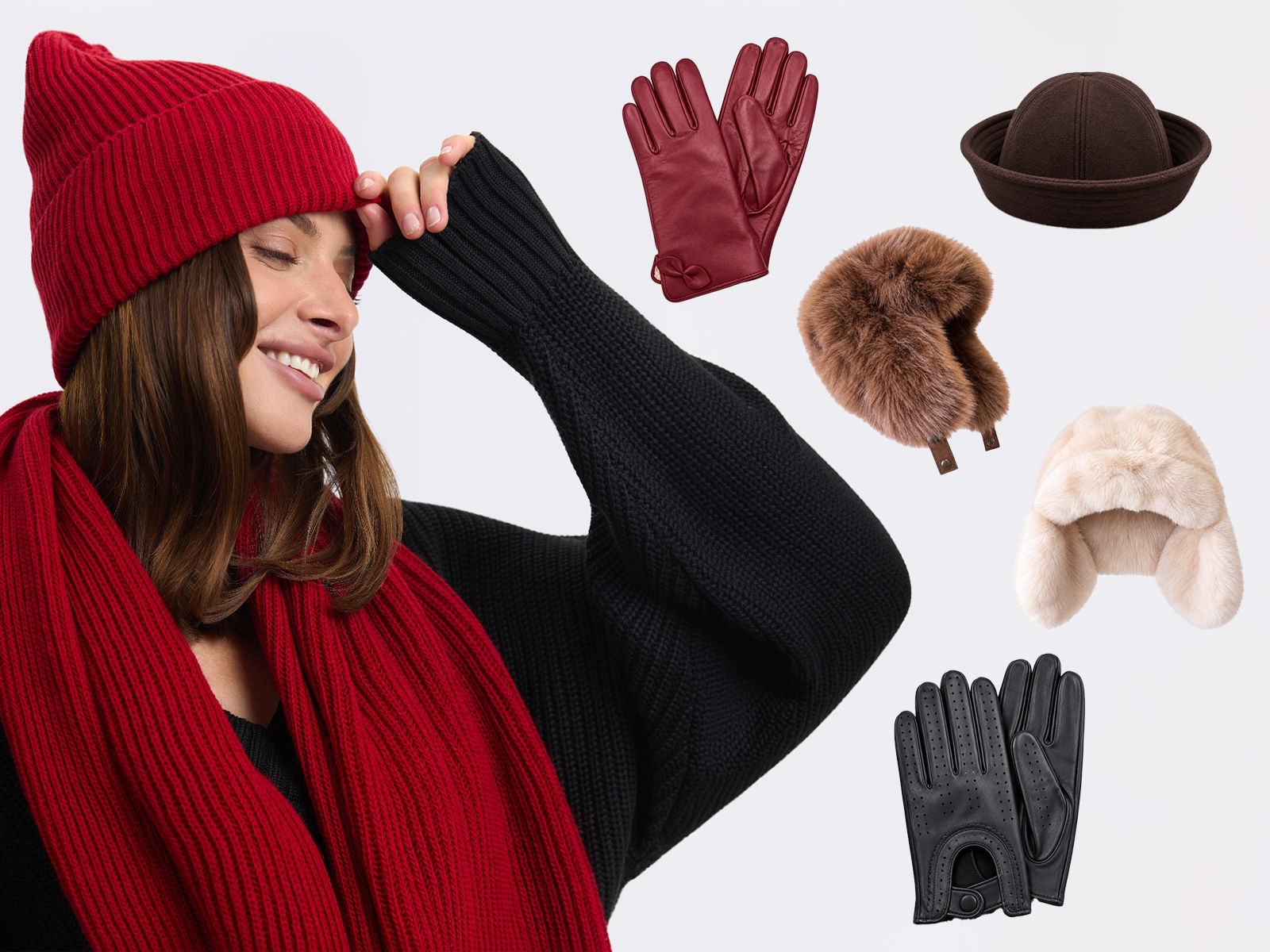
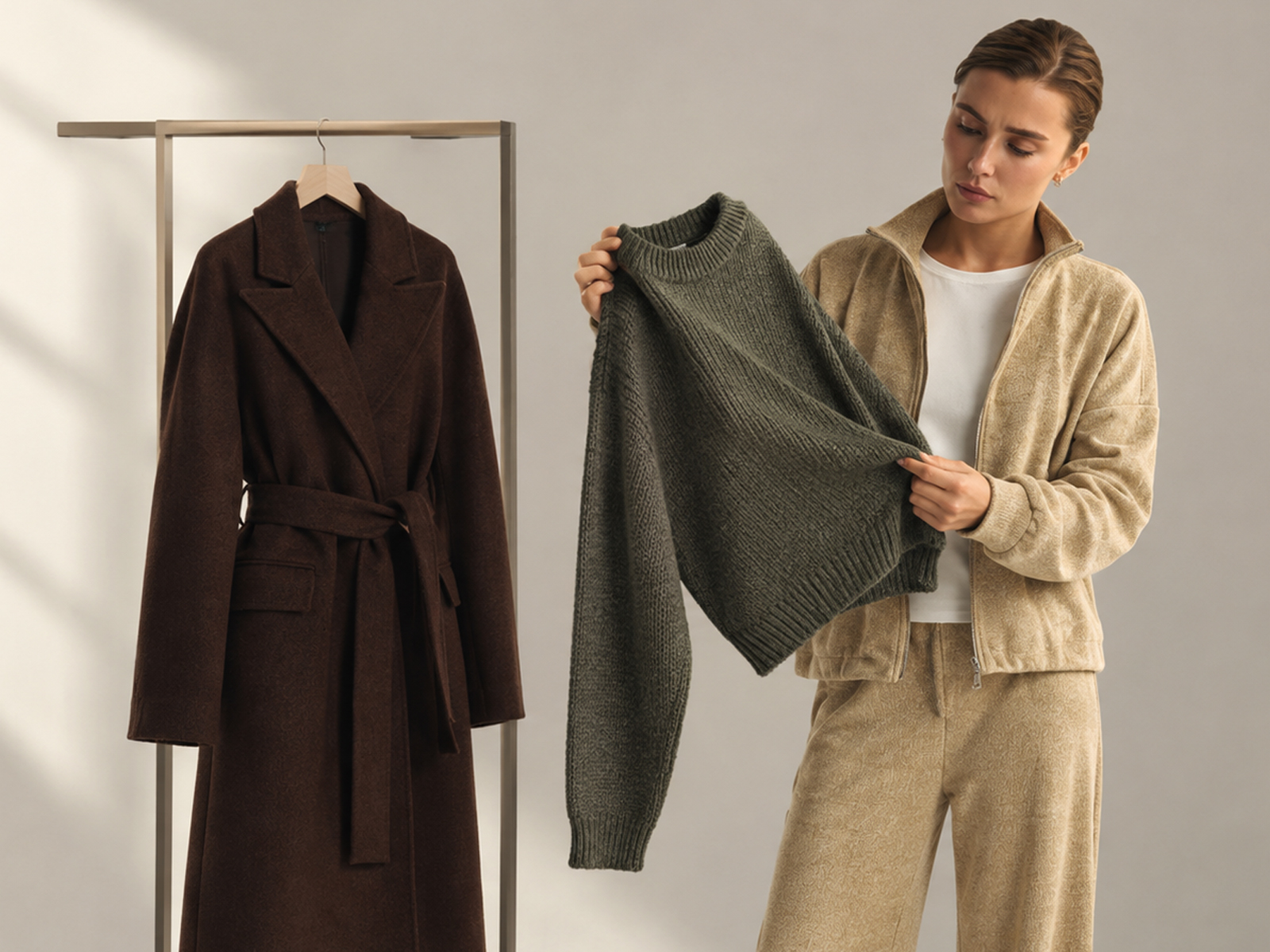
But practicality has no color. Chocolate, khaki, navy, burgundy, milky — many complex shades work just as well as the familiar black.
What's more, color is often exactly what helps you reconnect with yourself when a day consists mostly of obligations.


A build-your-own wardrobe instead of a dream wardrobe
Perhaps the most useful thing you can do for your style on maternity leave is stop assembling a dream wardrobe and start building a wardrobe for your life.
Three questions are enough for that:
What does my real day look like? Not the ideal one. Not the one you'd want to show on Instagram, but the real one.
How do I want to look on that day? More put-together? Calmer? Brighter? More feminine? Every woman will have her own answer.
What already works in my wardrobe? Very often the good pieces are already there. They've simply gotten lost among random purchases and unfortunate compromises.

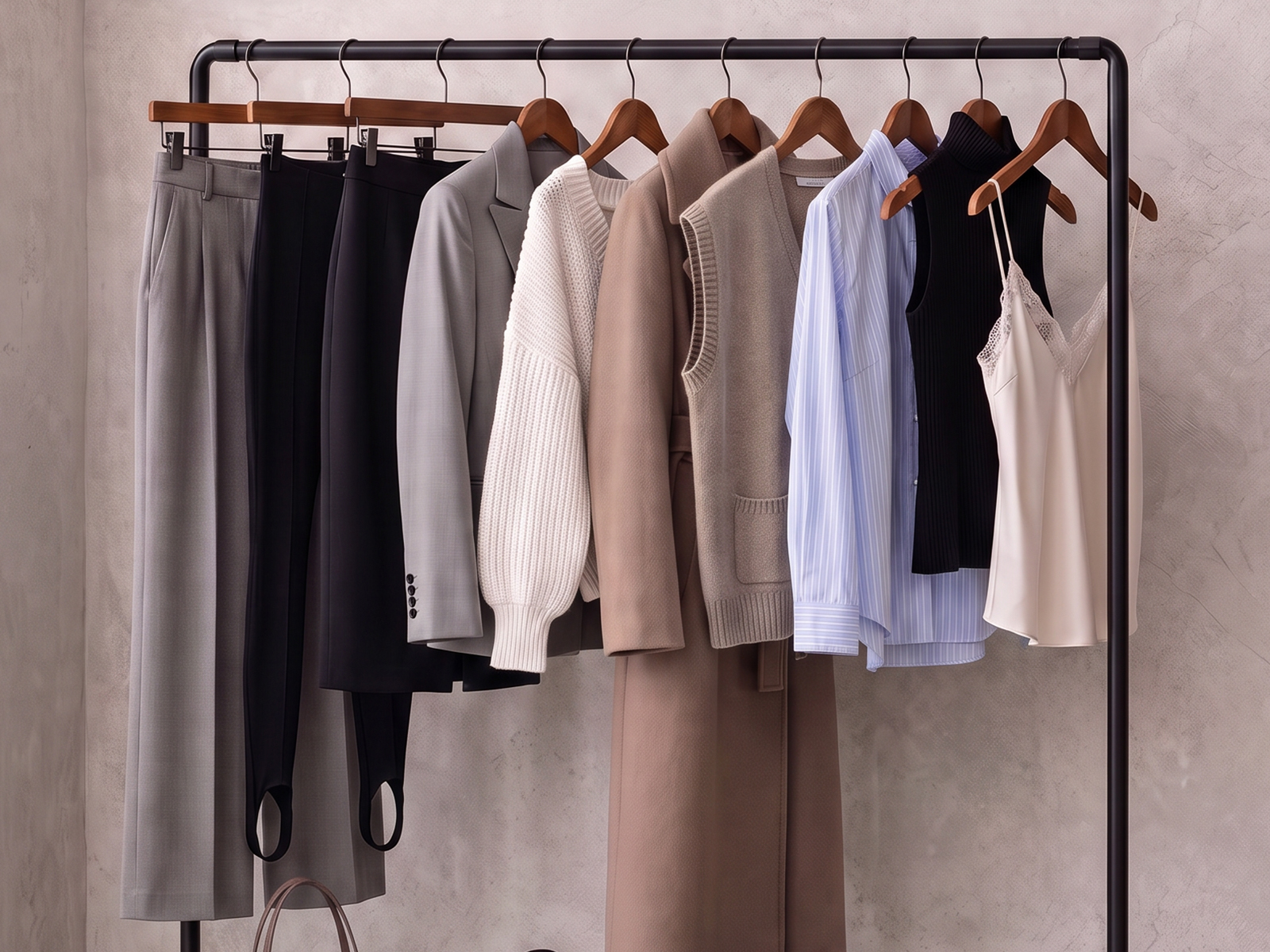
This is exactly why a small capsule works far more effectively than a large wardrobe:
- Two or three bottoms.
- A few tops.
- A second layer — a shirt, a jacket, or a cardigan.
- Comfortable shoes.
- A bag able to keep up with your pace of life.
Sometimes three identical t-shirts or two similar pairs of trousers aren't a lack of imagination. They're a sign that your wardrobe has finally started working as a system.


And what about during pregnancy?
Perhaps the most important thing is not to try to become a different person for nine months.
If you loved minimalism before pregnancy, you're unlikely to suddenly fall for romantic ruffles. If you wore shirts, jackets, and denim, it makes sense to look for ways to adapt exactly those pieces.
A good maternity wardrobe doesn't start with a separate style. It starts with respect for your own.
This, incidentally, is why it's so interesting to watch women like Meghan Markle or Hailey Bieber. Motherhood changed their lives, but it didn't erase their aesthetic. Each remained recognizable in her own style.
And perhaps that's one of the best pieces of advice there is. Don't create a new version of yourself — allow yourself to remain yourself in new circumstances.
At Natali Bolgar, we often talk about the functional wardrobe. Not because it's a fashionable term. Rather, because a modern woman's life is rarely predictable.
A well-cut shirt, a dress comfortable enough to wear all day, a jacket that easily fits into different scenarios — this isn't about trends. It's about pieces that work alongside you, rather than demanding a life of their own.
Maternity leave changes your schedule, your habits, and your pace of life. But a good wardrobe never starts with other people's expectations. It starts the moment you stop asking how a mother is supposed to look. And start asking how you want to look.