Some things work for effect. Others work for a state of mind.
The suit belongs to the second kind. Which is exactly why it's back at the center of fashion. Not as a trend, but as a point of balance.
How the suit learned to speak more quietly
At some point, fashion grew tired of showing off.
In the '90s, Helmut Lang stripped the suit down to its basic lines — no excess detail, no ornament, no urge to please. It was a new language: restrained, but precise.
Later, Jil Sander pushed that approach to a radical clarity. Her suits didn't attract attention — they held it.
In the 2010s, Phoebe Philo at Céline shaped an entirely different aesthetic of strength: no rigidity, no pressure, no need to prove anything.
And today, from The Row to Saint Laurent, the suit looks as composed as possible, without ever looking tense.
It no longer announces itself. It states a position.
Not about versatility
A truly versatile suit isn't one that "goes with everything." It's one where everything has already been decided.
Proportions, length, the balance of volumes — they don't need adjusting every time you put it on.
That's exactly why a good suit doesn't read as a solution "for different occasions." It reads as the only possible option.
How to choose your suit
This is where theory ends.
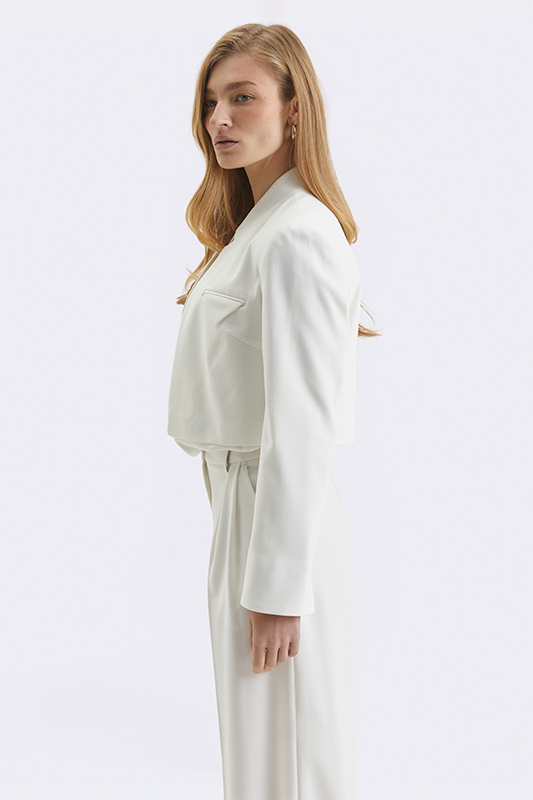
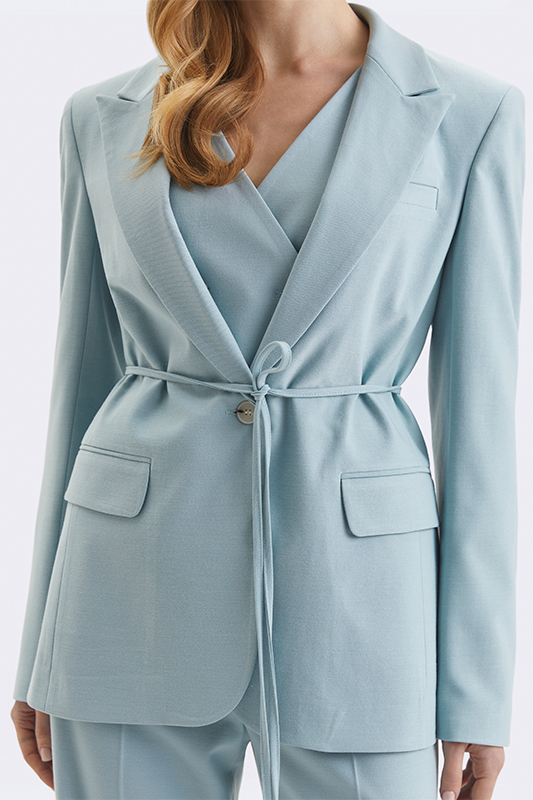
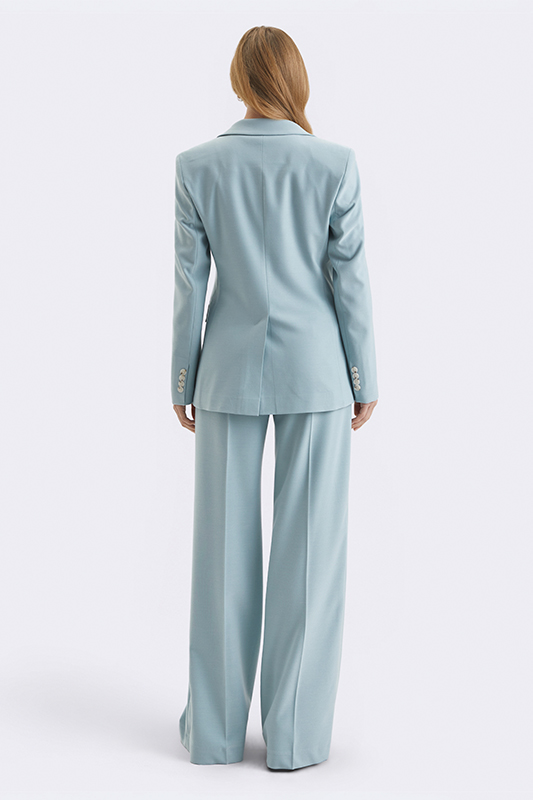
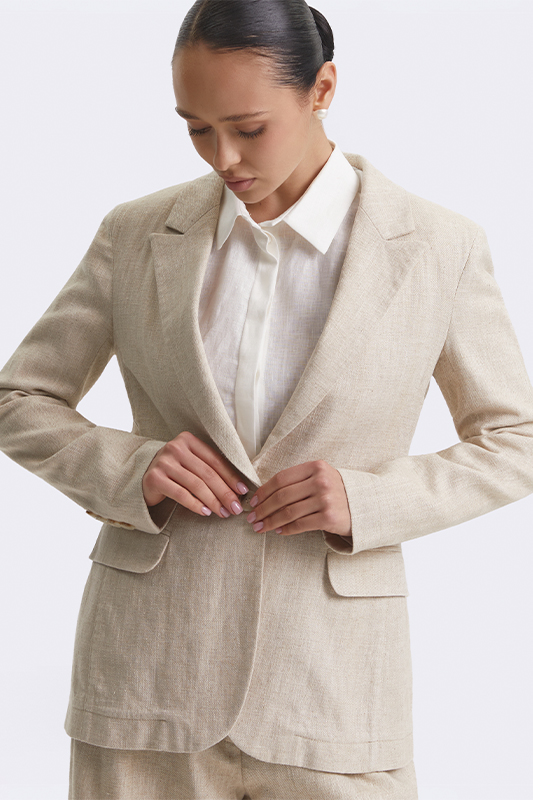
The shoulder is the first point to look at. It should meet your natural shoulder line so precisely that you don't have to think about it. If you feel the urge to "fix" it, something's off.
A jacket needs to be tested in motion. Not in front of a mirror, but as you sit down, turn, take a step. If it starts to "live on its own" apart from your body, it isn't your piece.
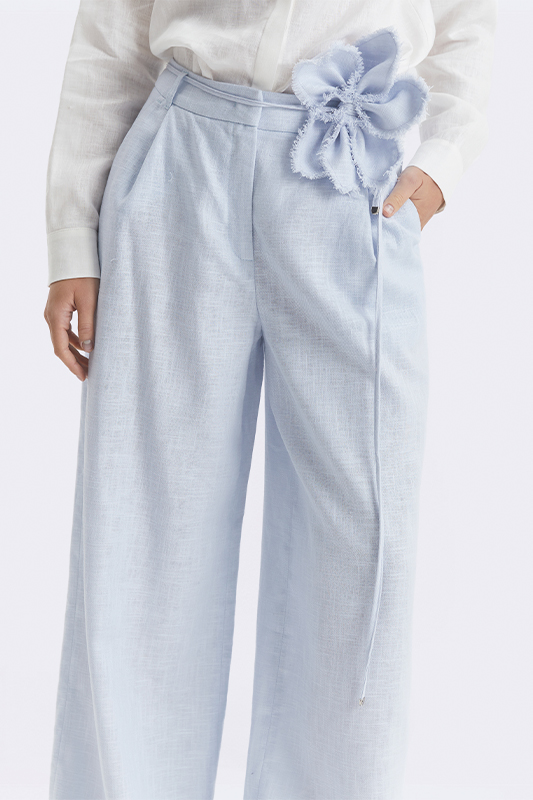
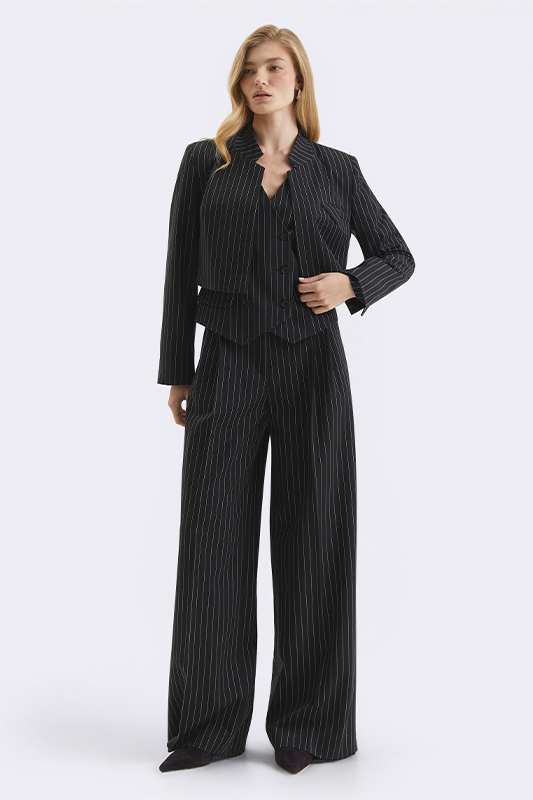
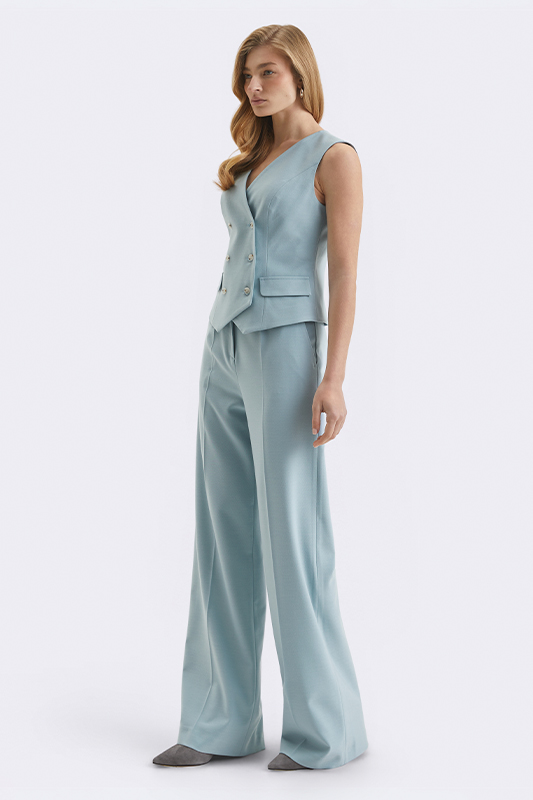
Trousers should build a vertical line. Not just fit, but lengthen the silhouette. That depends not only on length but on the rise and width — and that's exactly where mistakes most often happen.
The fabric should hold its shape without effort. If it loses its crispness within an hour, the whole effect of the suit goes with it.
And one more thing that's hard to put into words but easy to feel: in the right suit, you don't think about it. It doesn't ask for your attention. That's what a real match feels like.
What has changed today
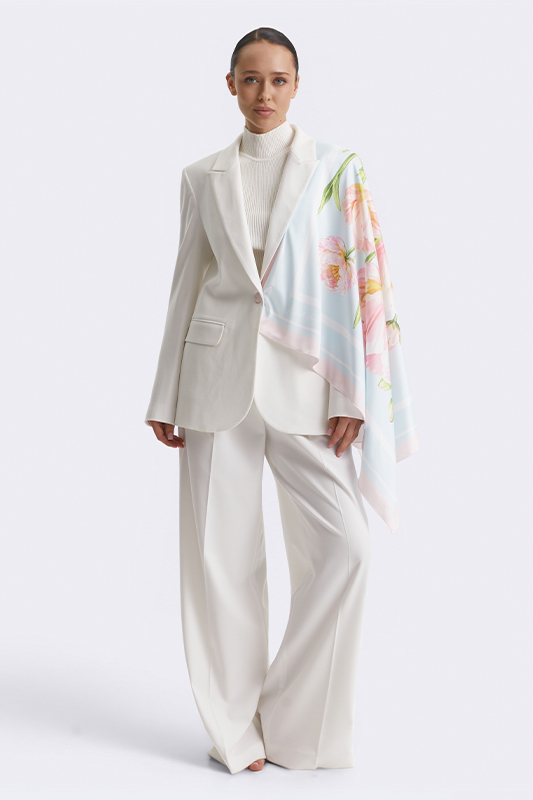
The suit has stopped being rigid. But it hasn't lost its precision.
Instead of an emphasis on strength — an emphasis on clarity. Instead of complex constructions — clean solutions.
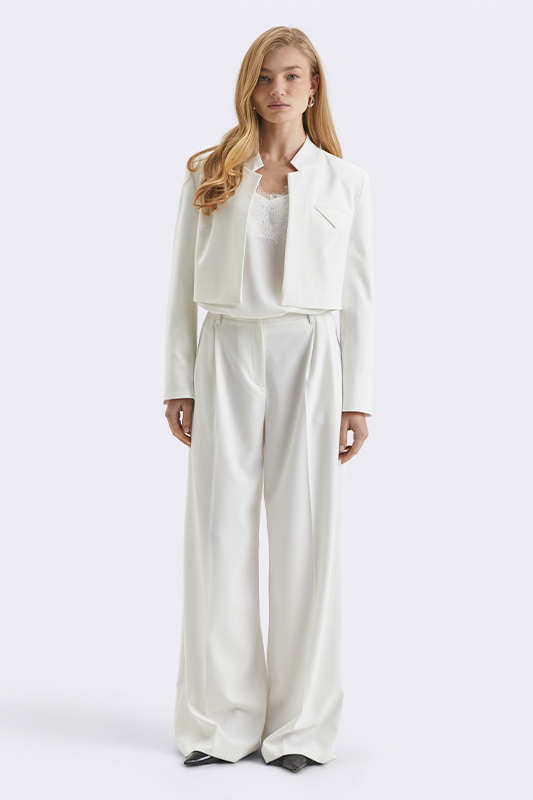
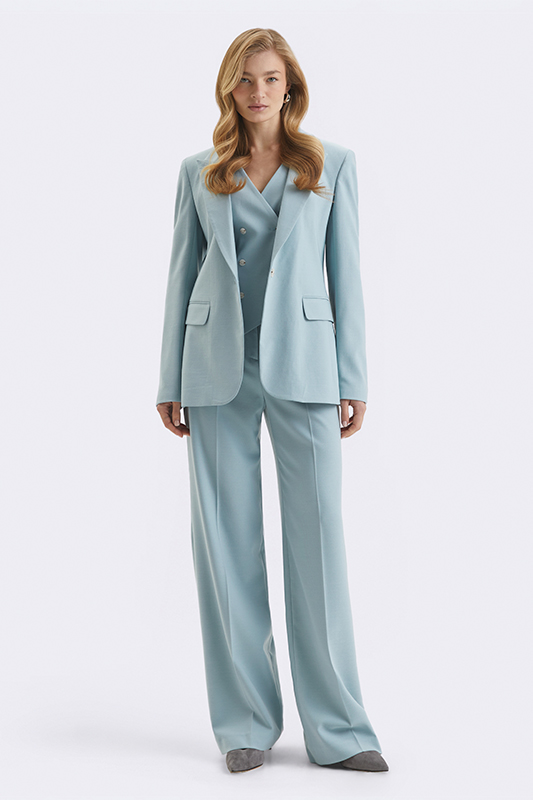
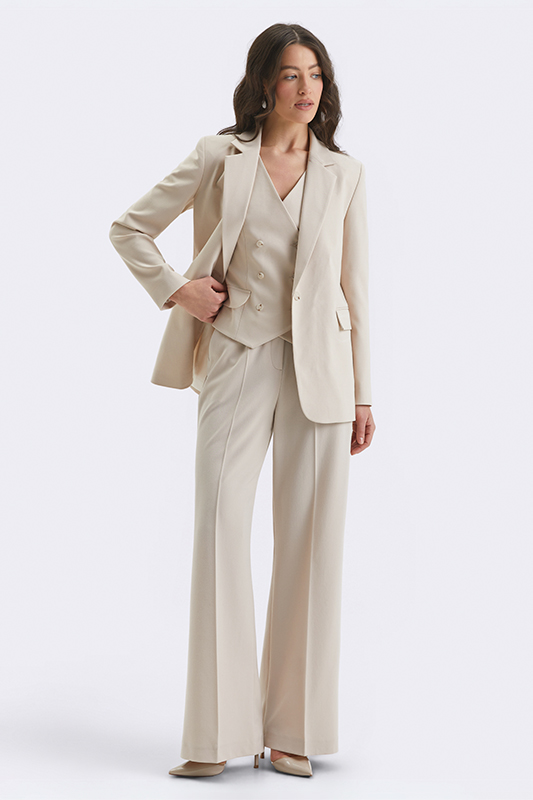
That's exactly why three-piece sets are back: not as a formal set, but as a considered combination of pieces that can work together or on their own.
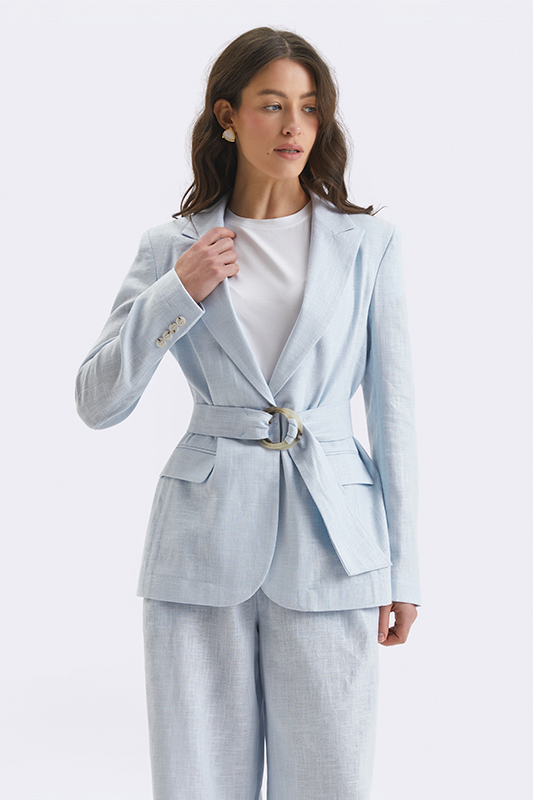
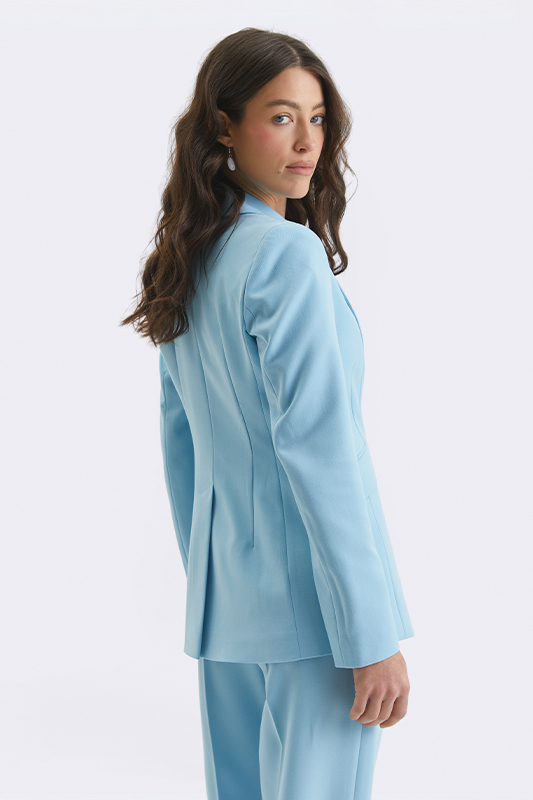
The palette has changed too. Light shades — milky white, beige, muted blue — read as more convincing than classic black. They don't create distance, but leave an impression of composure.
It's a more precise way to look confident.
In the context of the collection
At Natali Bolgar, the suit doesn't try to be the center of attention — it works differently. Through precision.
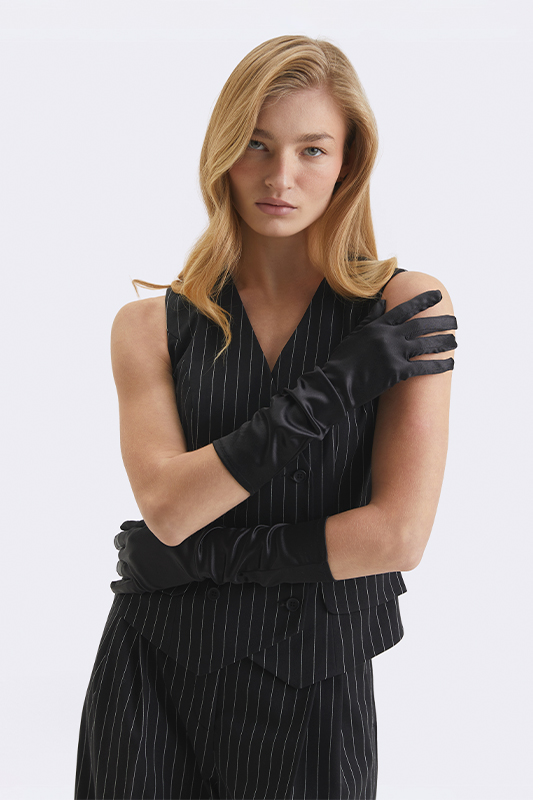
The three-piece set here isn't about formality, but about control over variation. The jacket, vest, and trousers aren't rigidly tied to one another, yet there's an inner logic between them. That's exactly what lets you shift the mood of a look without losing the sense of wholeness.
The proportions are calibrated so the silhouette stays composed even in motion. Without tension. Without the effect of a "constructed" look.
And at some point it becomes clear: it's not about the suit itself. It's about what it removes. Doubt, hesitation, randomness in appearance. What's left is only what matters.