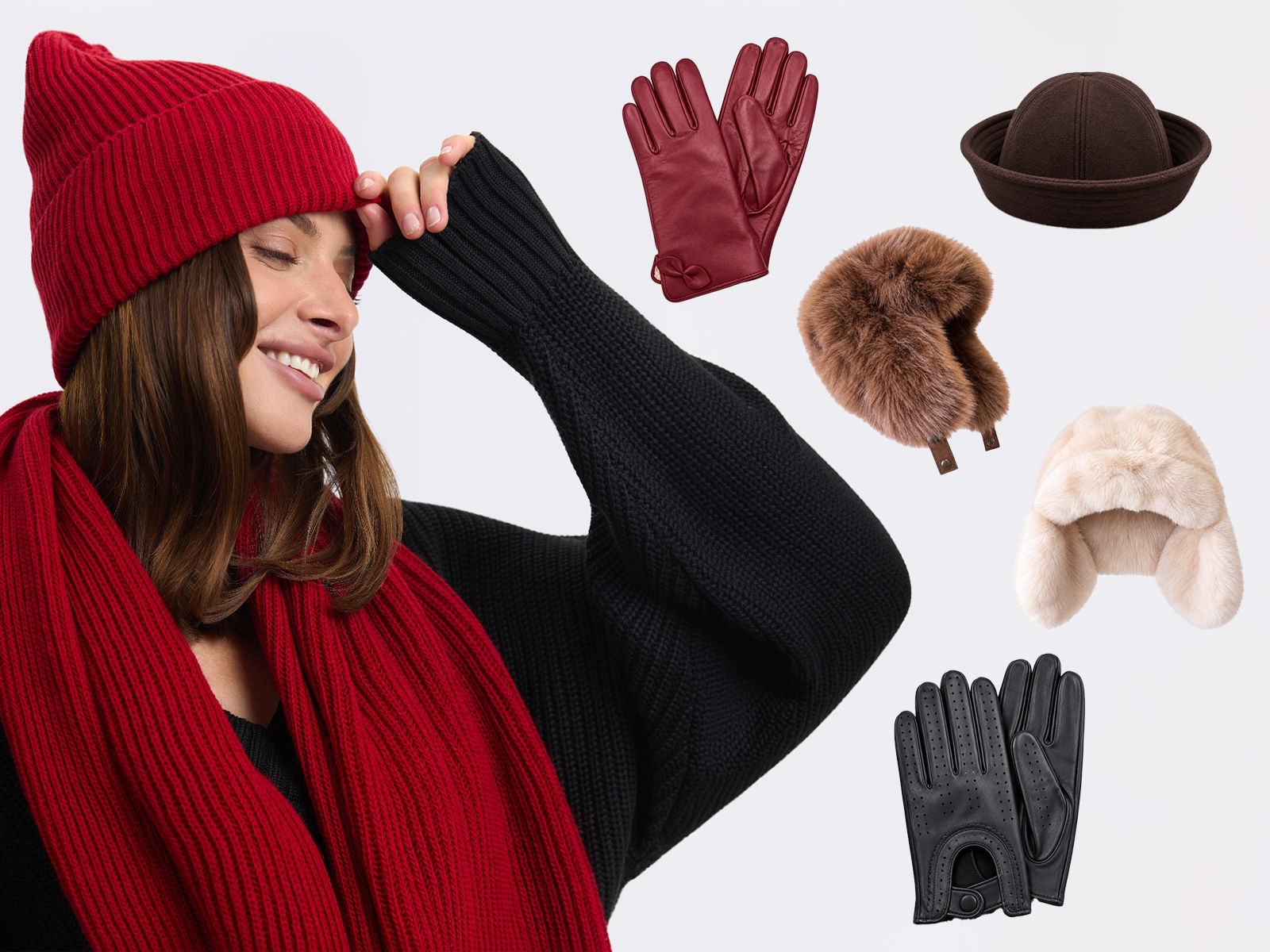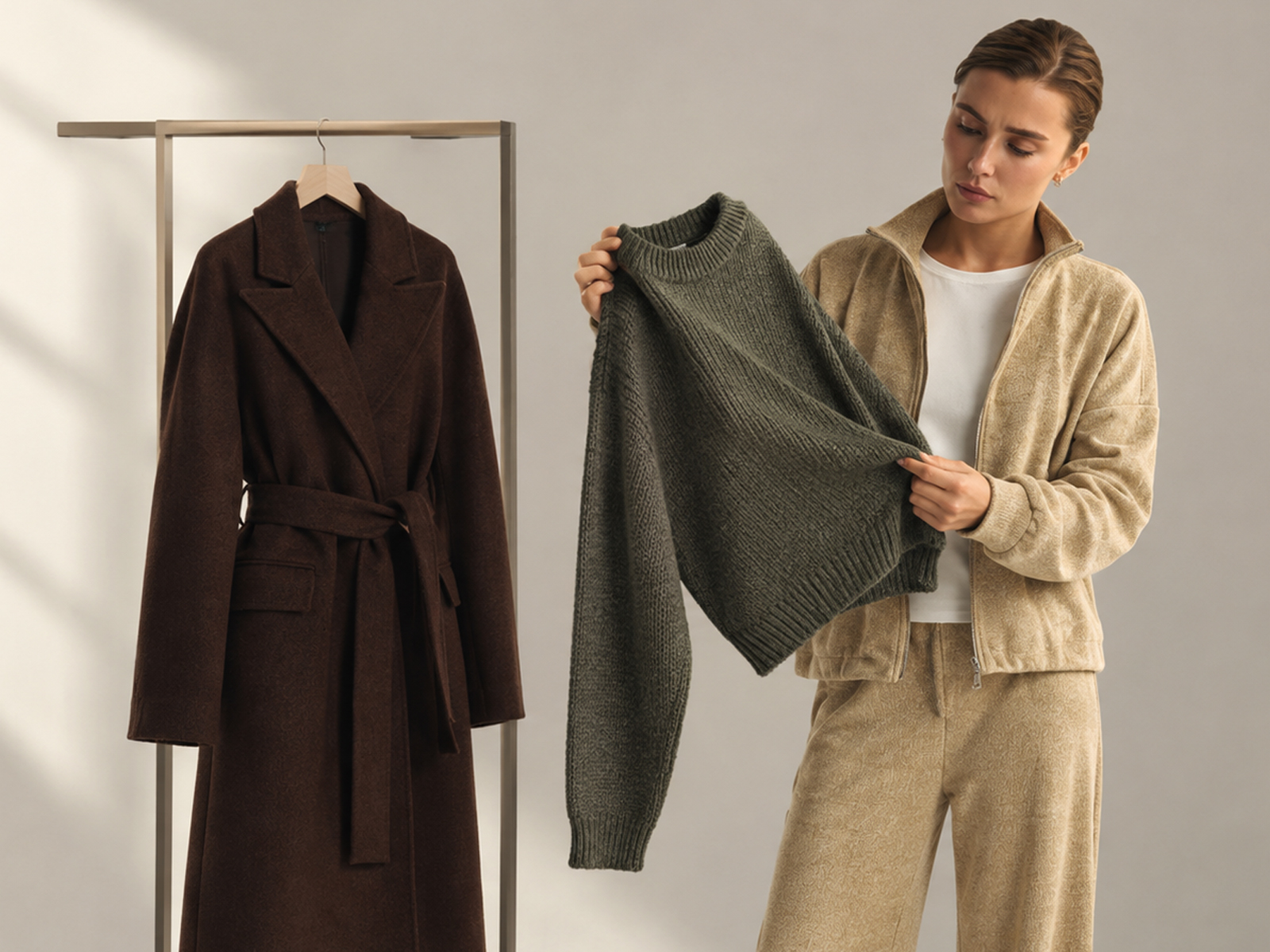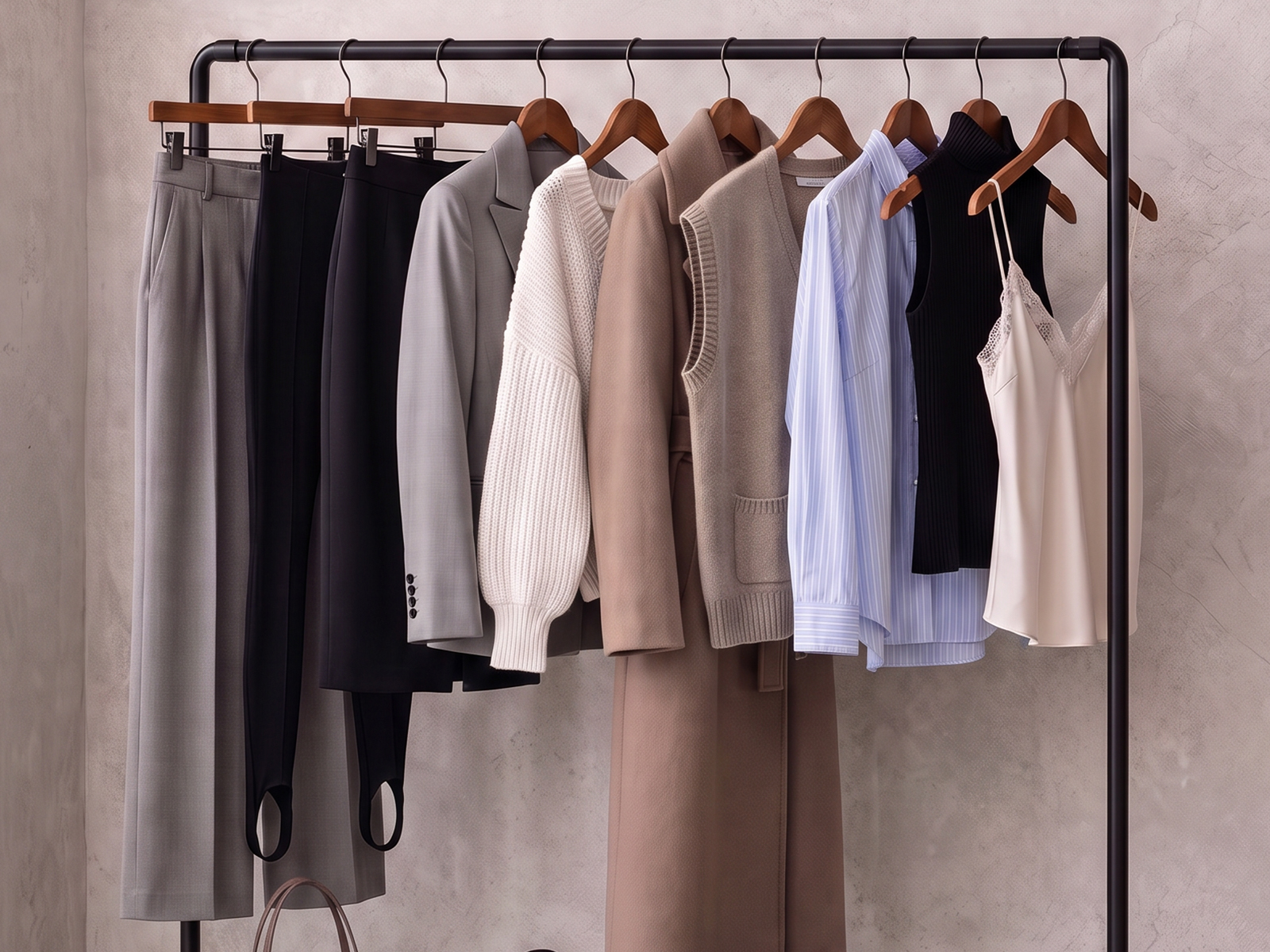
There was a time when a bag was more of a utilitarian object than a part of style.
One of the turning points in fashion happened in the 1950s, when Coco Chanel introduced the 2.55 — a bag on a long strap that freed the hands and turned the accessory into part of an everyday wardrobe, not just an "evening" look.
Bag trends, in general, are very telling. They always speak not only to what's in fashion, but to a way of life: how much a person values comfort, structure, practicality, or, on the contrary, statement-making.
The issue isn't that there are too many bags. It's that they're often chosen separately from the wardrobe — as if the accessory existed on its own.
In reality, though, a good bag almost always works as the finishing touch to an outfit. It's often the bag that determines whether even the simplest look reads as put-together, modern, and expensive — or accidental.
Fashion used to have a strict rule: the bag had to match the shoes exactly. Today that looks almost like a museum piece.
Fashion has long since moved past literal tone-on-tone pairings. What matters far more now is shape, scale, texture, and how the accessory interacts with the silhouette itself.
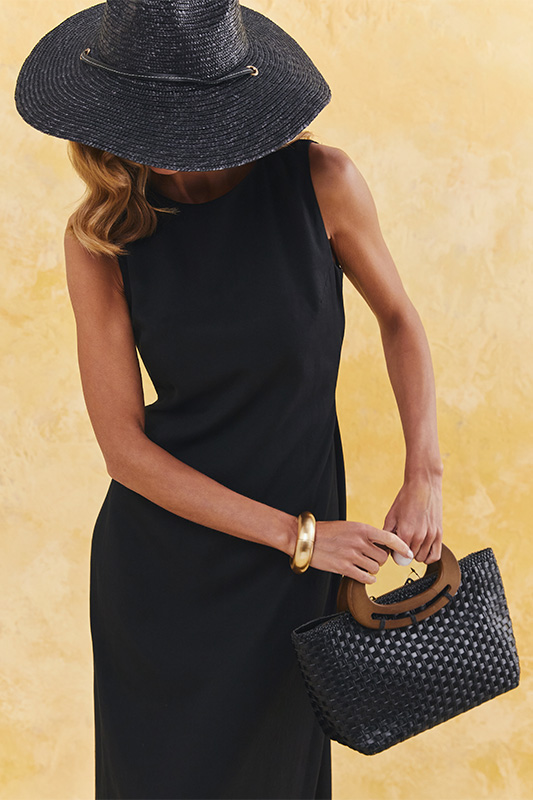
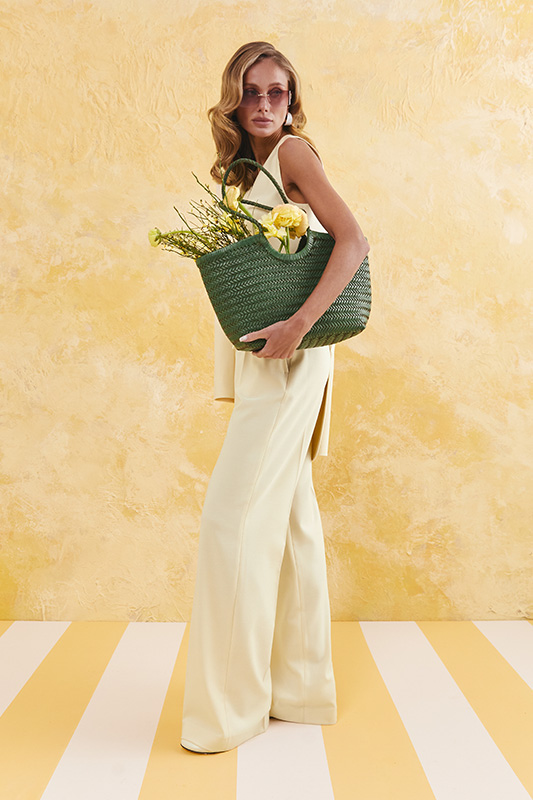
Shape changes the character of a look
This works on an almost architectural level. A soft bag makes a look more relaxed. A structured one adds polish even to the most basic pieces.
That's why the same combination of jeans and a jacket can look completely different depending on the bag: a large shopper reads as more casual, a rigid geometric bag pushes it toward business casual, and a compact crossbody keeps it light and modern.
The point isn't to find a bag that "goes with everything," but to understand what character it adds to the look.
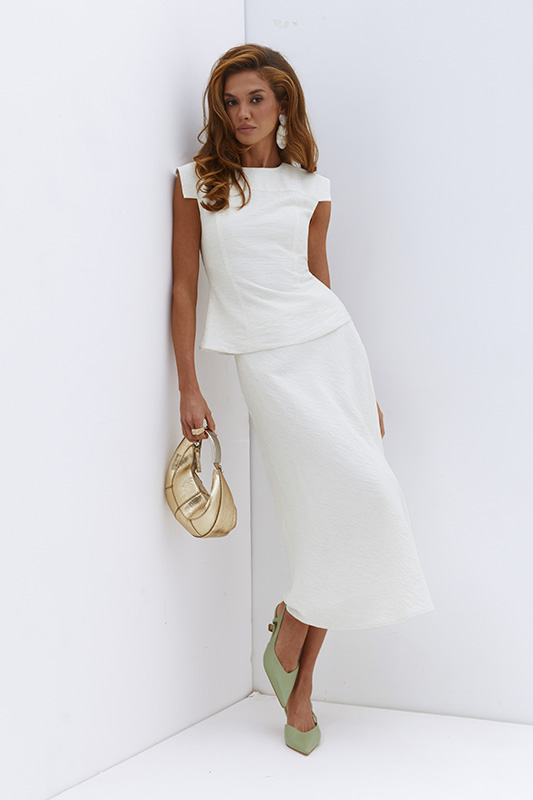
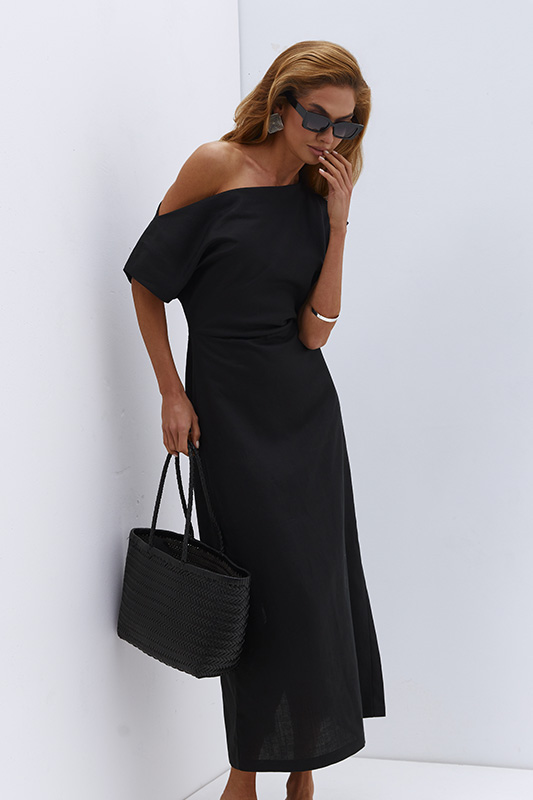
Size has to work with proportion
This is one of the most underrated points. A bag that's too large can literally throw off the whole look — especially on petite women. One that's too small can get lost or make the silhouette feel unbalanced.
That's why stylists suggest looking not just at the accessory itself, but at the scale of the person and the clothing.
An oversized trench, wide-leg trousers, or an oversized jacket usually call for a larger bag. Clean, minimal silhouettes, on the other hand, tend to look better with compact shapes.
Sometimes simply changing the size of the bag is enough to make a look feel far more pulled together.
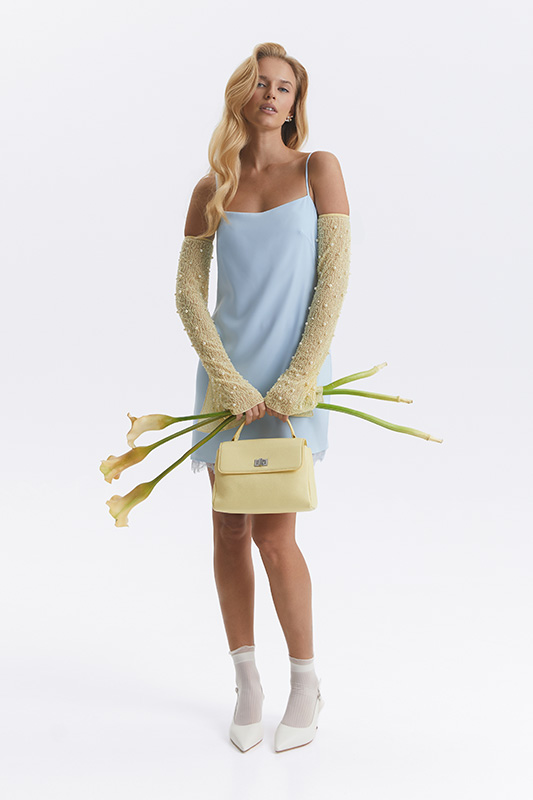
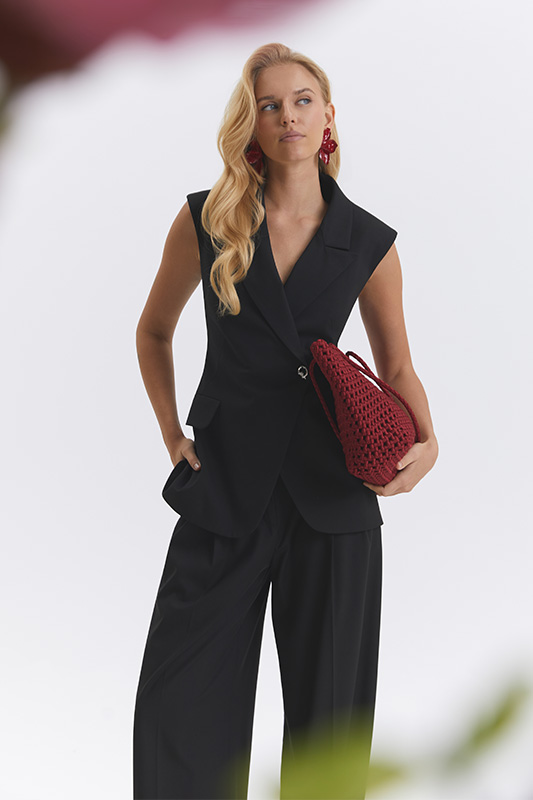
Color doesn't have to be "basic"
A black bag isn't the only universal option. In fact, it can sometimes weigh a look down — especially in spring and summer.
Right now, complex neutral shades look far more interesting: milk, chocolate, olive, graphite, buttery yellow, or pale blue. They blend into a wardrobe more easily and avoid harsh contrast.
That said, a bright bag can also work well — as long as the rest of the look stays fairly quiet.
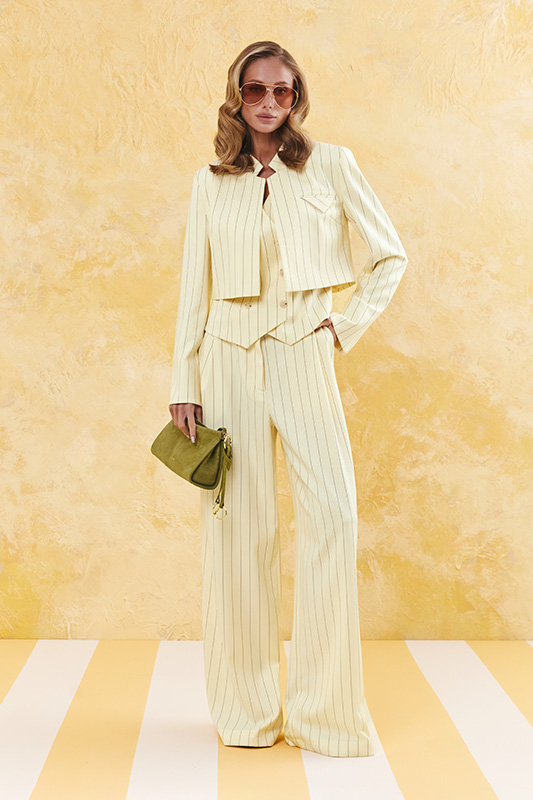
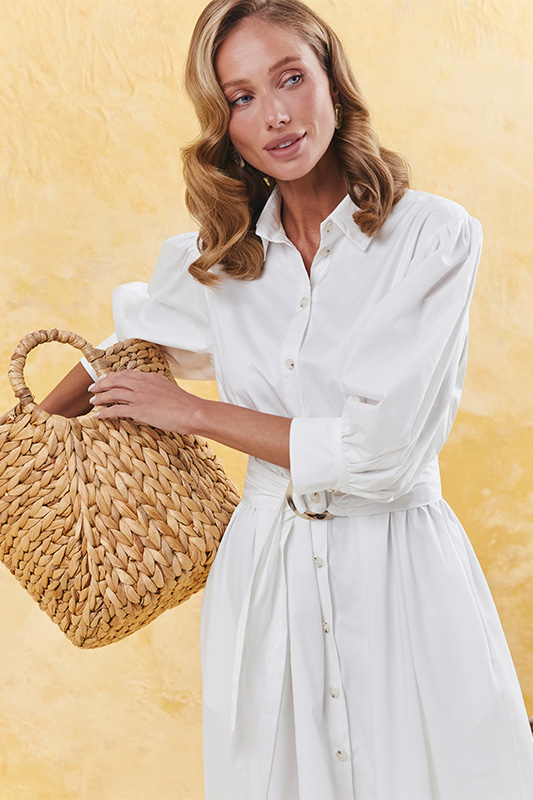
Texture can matter more than color
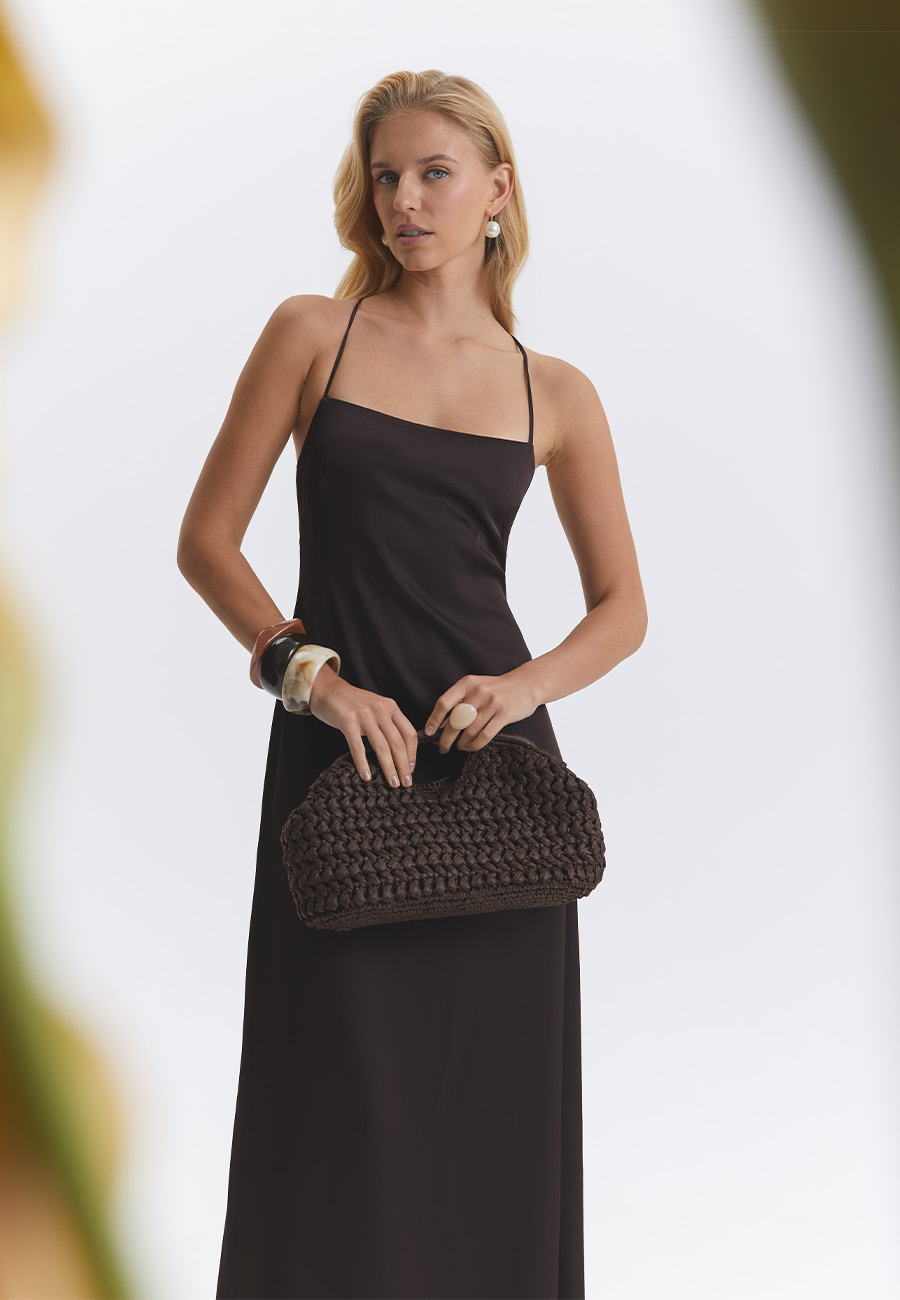
Smooth leather, suede, woven textures, matte finishes, or a soft grain — all of these change how an accessory reads just as much as its shape does. Especially now, when fashion has become more tactile.
Woven bags, for instance, moved past a purely resort look a long time ago. And suede is gradually making its way back not just in autumn, but into the spring-summer wardrobe too.
Texture is often what makes a look feel alive, even when the pieces themselves are as simple as can be.
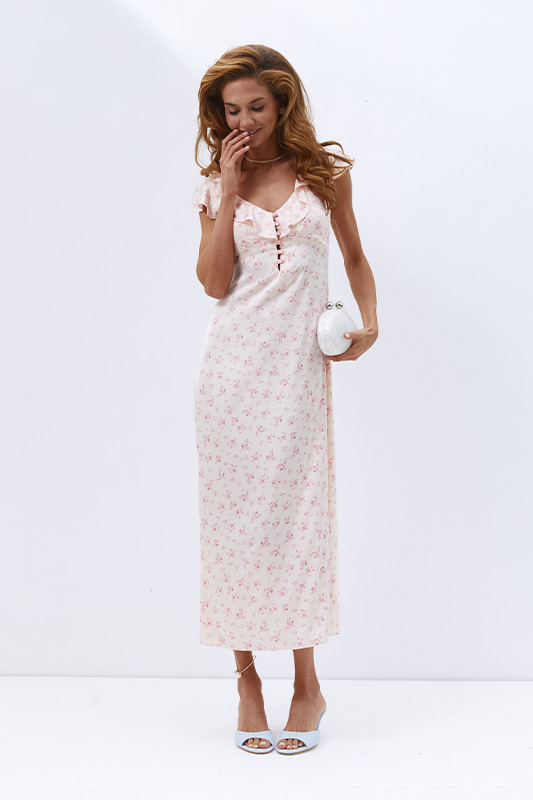
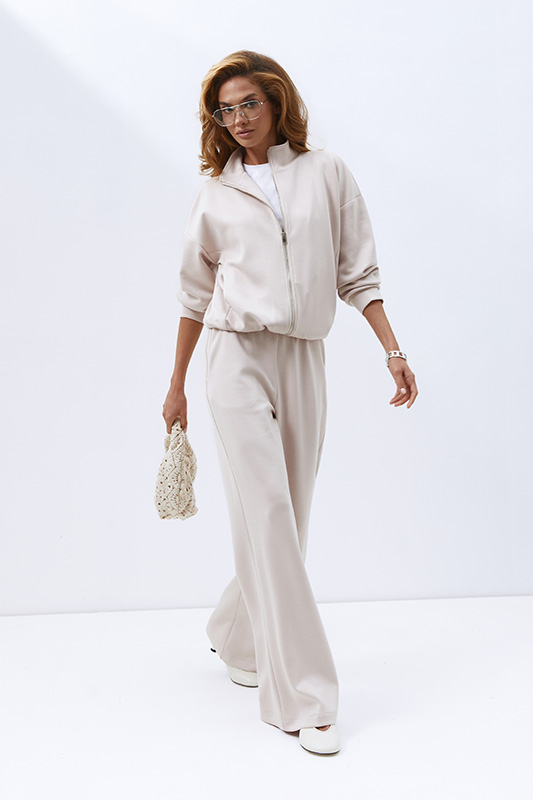
Which bags are actually relevant right now
Bag trends for spring-summer 2026 have become significantly calmer. Fewer statement logos, fewer pieces that seem to exist only for a photo.
Instead, the focus is on shape and functionality. Among the styles worth noting:
- soft oversized shoppers,
- medium-sized structured bags,
- elongated 90s-style shoulder bags,
- suede styles,
- woven textures
- and compact bags with clean geometry.
At the same time, fashion right now draws a very clear line between trend and basics.
Micro-trends — like heavily embellished bags or ultra-unusual shapes — can look striking for a season. And there's nothing wrong with that.
But if your core wardrobe isn't built yet, it's far smarter to invest in shape, color, and proportion — things that will keep working for much longer.
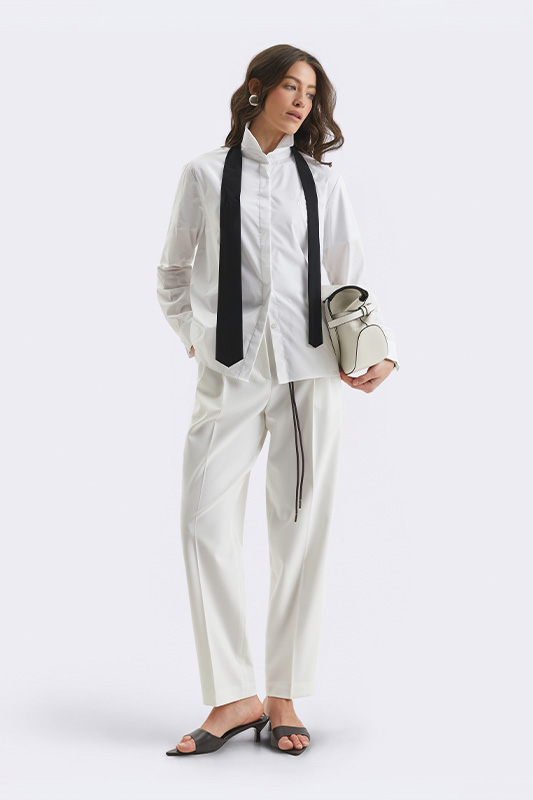
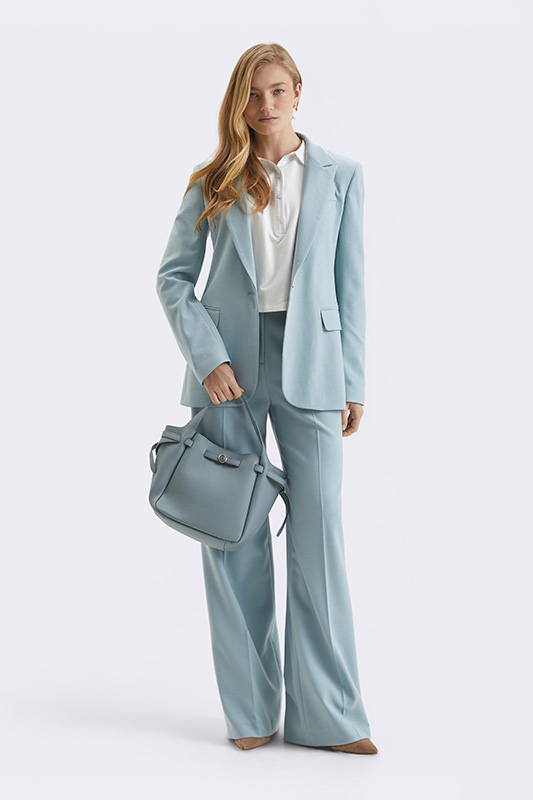
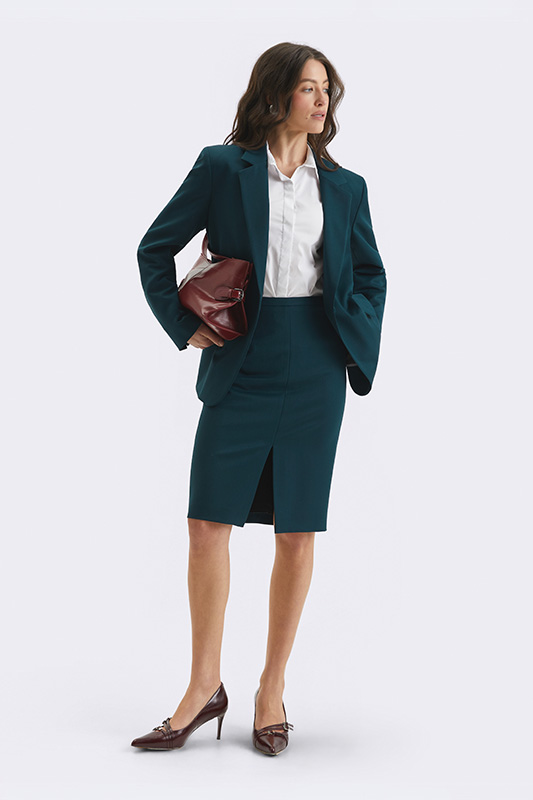
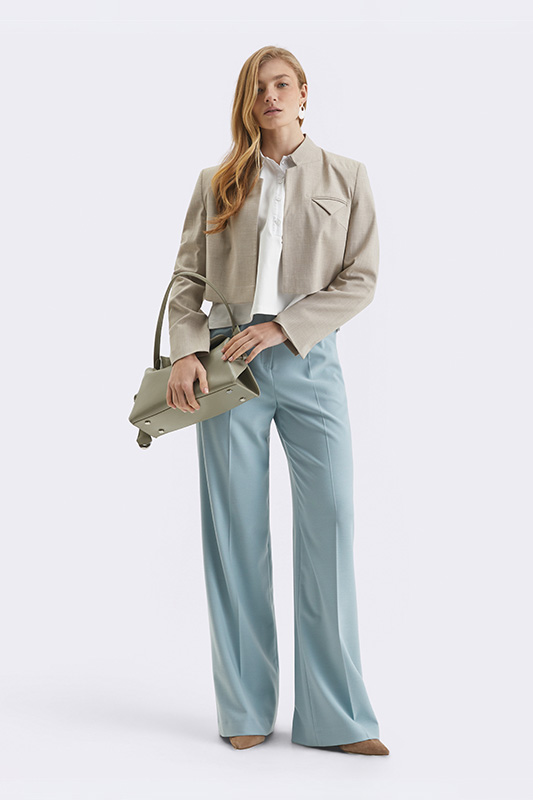
What to pay attention to when matching a bag to a look
There are a few guidelines that always hold up:
— the bag's structure should support the mood of the look, not fight it
— the scale of the accessory should relate to the silhouette and height
— the more complex the clothing, the calmer the bag usually needs to be
— texture is often more important than heavy decoration
— a universal color isn't always black
— an overly "trendy" bag wears out its welcome in a wardrobe quickly
— a good style works in at least three different outfits
— a bag should be not just beautiful, but genuinely practical in everyday life
Fashion overall has become far more honest about functionality. And that's arguably one of its best phases.
At Natali Bolgar, bags are also gradually becoming more than just an addition to a collection — they're a full part of a cohesive wardrobe: structured shapes, calm colors, styles that integrate easily into everyday rhythm and never feel "disposable."
Without excessive decoration. And without trying to outshine the look itself.
A good bag rarely becomes the star of a look. But it's very often the thing that makes everything feel like it's exactly where it should be.