There's one question that keeps coming back: what's the right length?
Mini or midi. Above the knee or below. And almost always, behind that question is the hope for a clear answer - preferably a universal one.
But the truth is, there's no such thing as the "right" length. There's only the length that works for you.
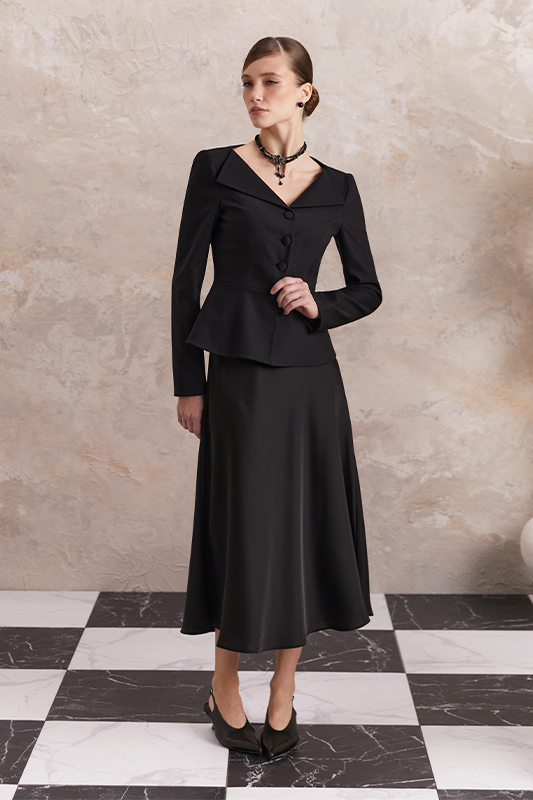
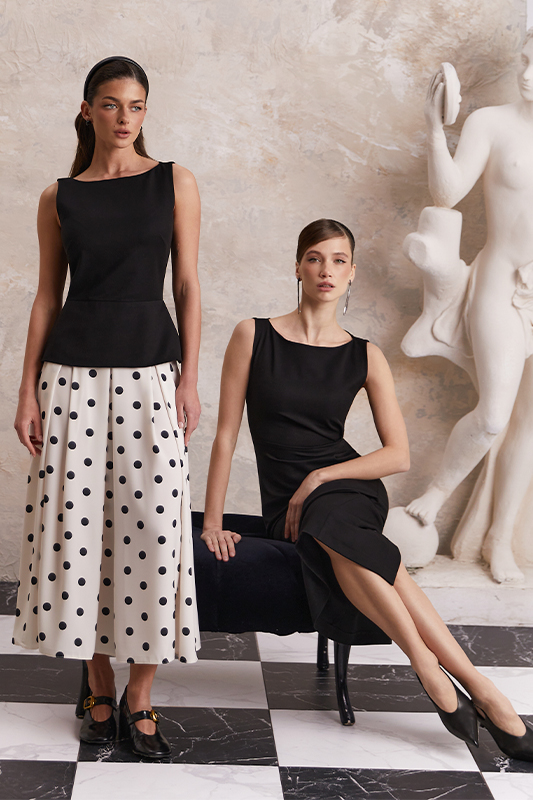
Why the rules don't work anymore
There was once a time when fashion really did have clear reference points. Length was dictated by the era, silhouette by context. Take Dior's New Look: a below-the-knee hemline as a symbol of renewed femininity after wartime minimalism.
Later, in the 60s, Mary Quant literally "raised" the hemline - and with it, redefined what freedom in clothing meant.
Today, all of these lengths exist at once. And none of them is the only correct one.
So the question is no longer about trends. The question is about proportion.
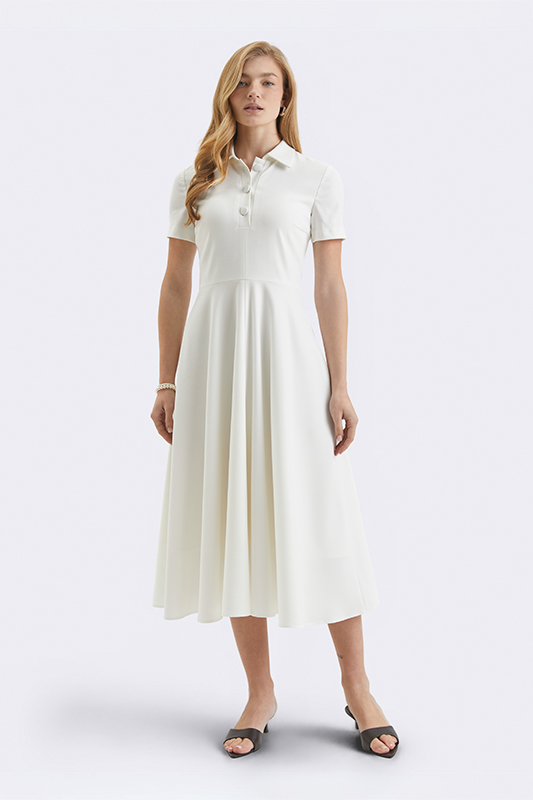
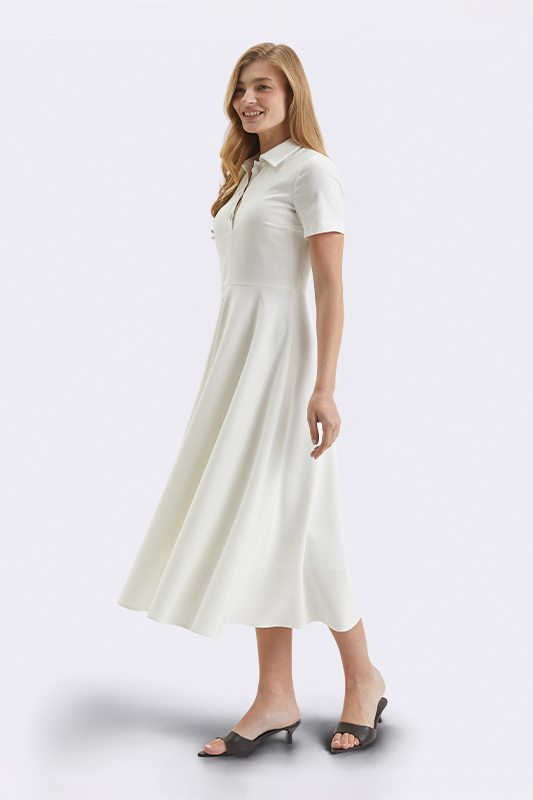
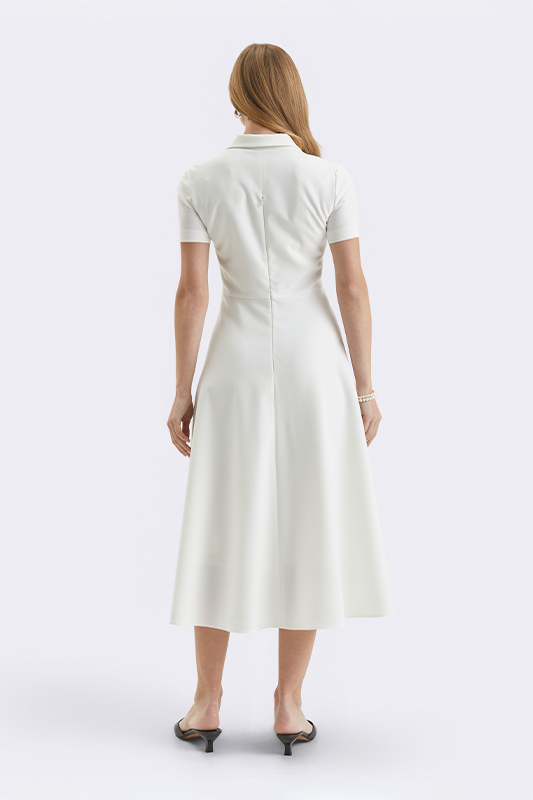
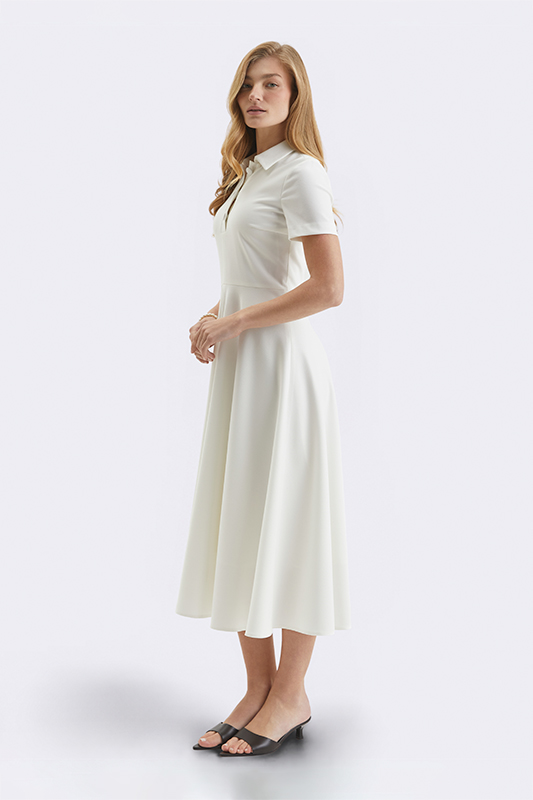
Length as a tool
Length isn't a decorative detail. It's a tool that either pulls a silhouette together or breaks it apart.
It can elongate the figure, make it look more composed, set the rhythm of the whole look. Or it can create a sense of a "cut-off" line, even when the piece itself is beautiful.
That's exactly why rules don't work here. Attentiveness does.
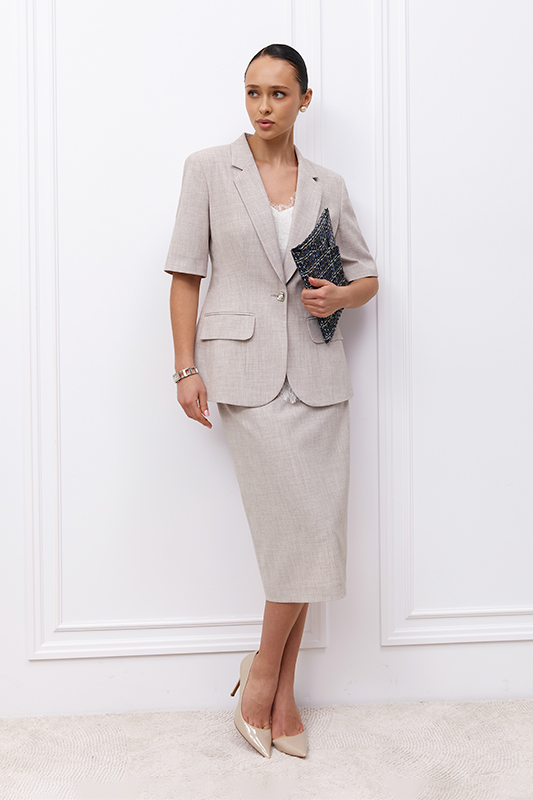
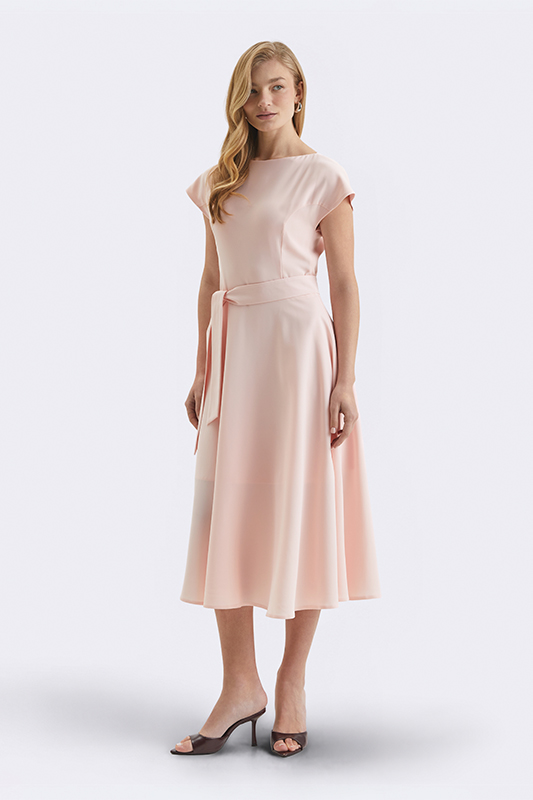
What's really worth paying attention to
First - the ending point. Length always interacts with the body: knee, mid-calf, ankle. If the cutoff lands at the widest part of the leg, the silhouette becomes heavier. Shift it slightly, and it suddenly "comes together."
Second - shoes. The same length with heels versus flats works completely differently. This isn't a nuance - it's half the result.
Third - the vertical line. If a look is "cut" into several parts by contrasting lengths or sharp transitions, it reads as less composed. But when the line reads as a single, continuous whole, even complex pieces look simpler.
Fourth - movement. Almost everything looks good in the fitting room. But take a few steps. If the length doesn't catch, doesn't bounce, doesn't break the line - that's your length.
How to know your length: a quick guide
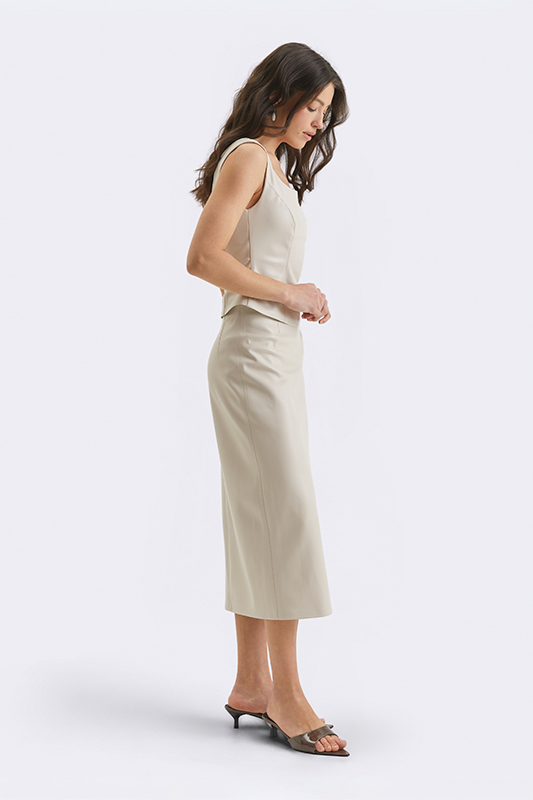
The profile is what shows fastest whether the silhouette is being "cut" somewhere.
The ideal length either reveals it or ends right near it.
If a piece only works with one specific pair, that's a weak length.
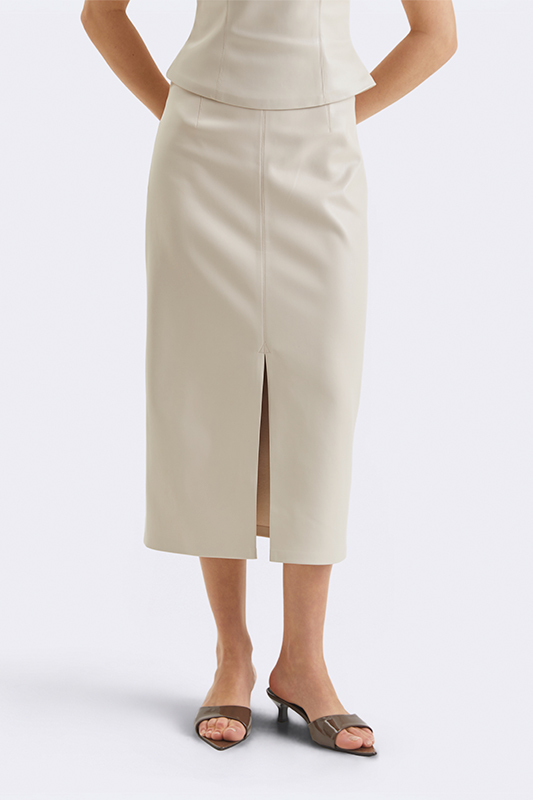
Walk in it. If you instinctively want to adjust the slit, something's off.
If a length needs elaborate styling to look good, it's not your length.
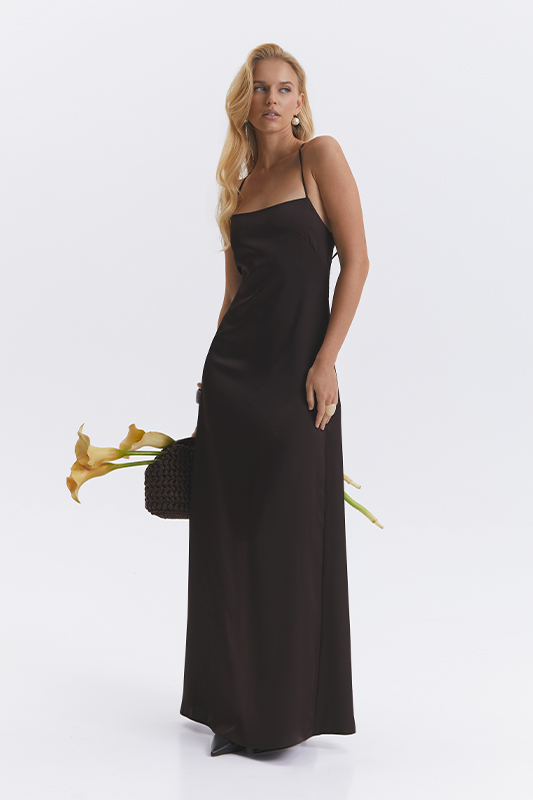
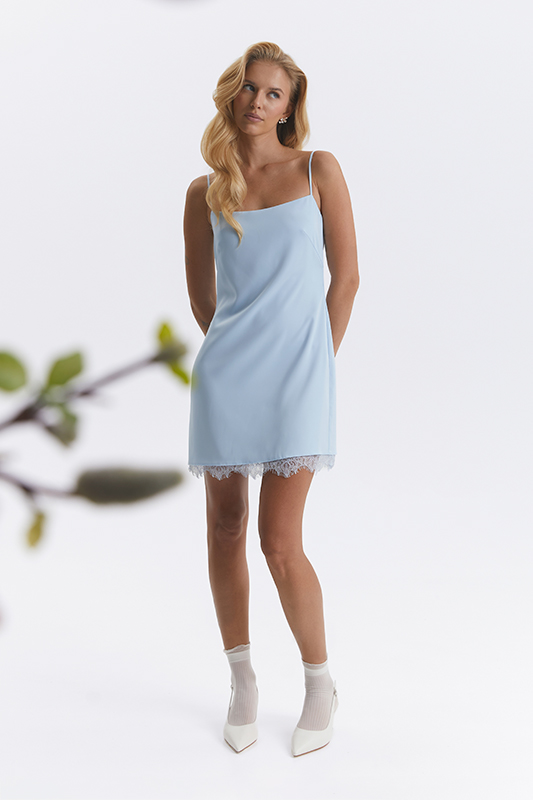
Mini, midi, maxi - each its own story
Mini is about the open line of the legs and balance. It works beautifully when the top holds the structure.
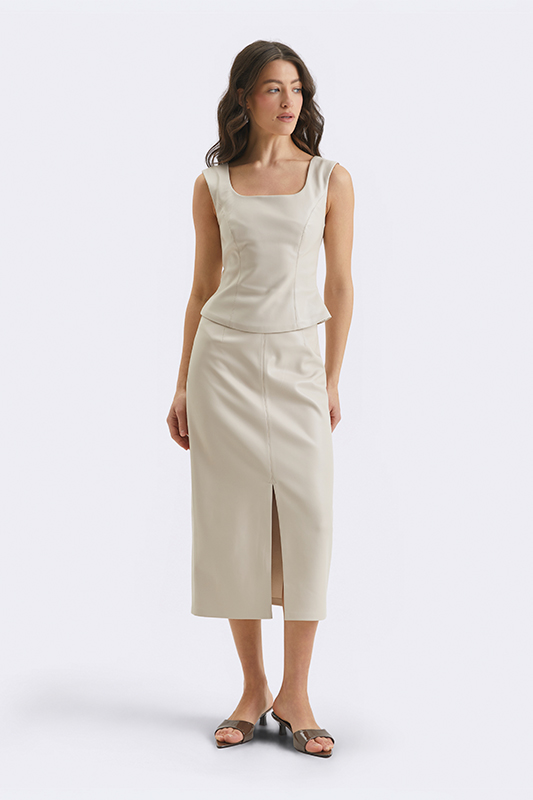
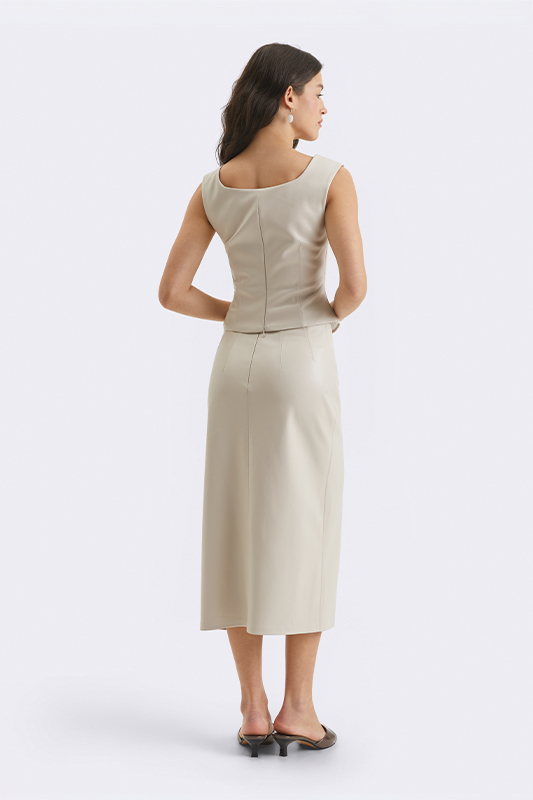
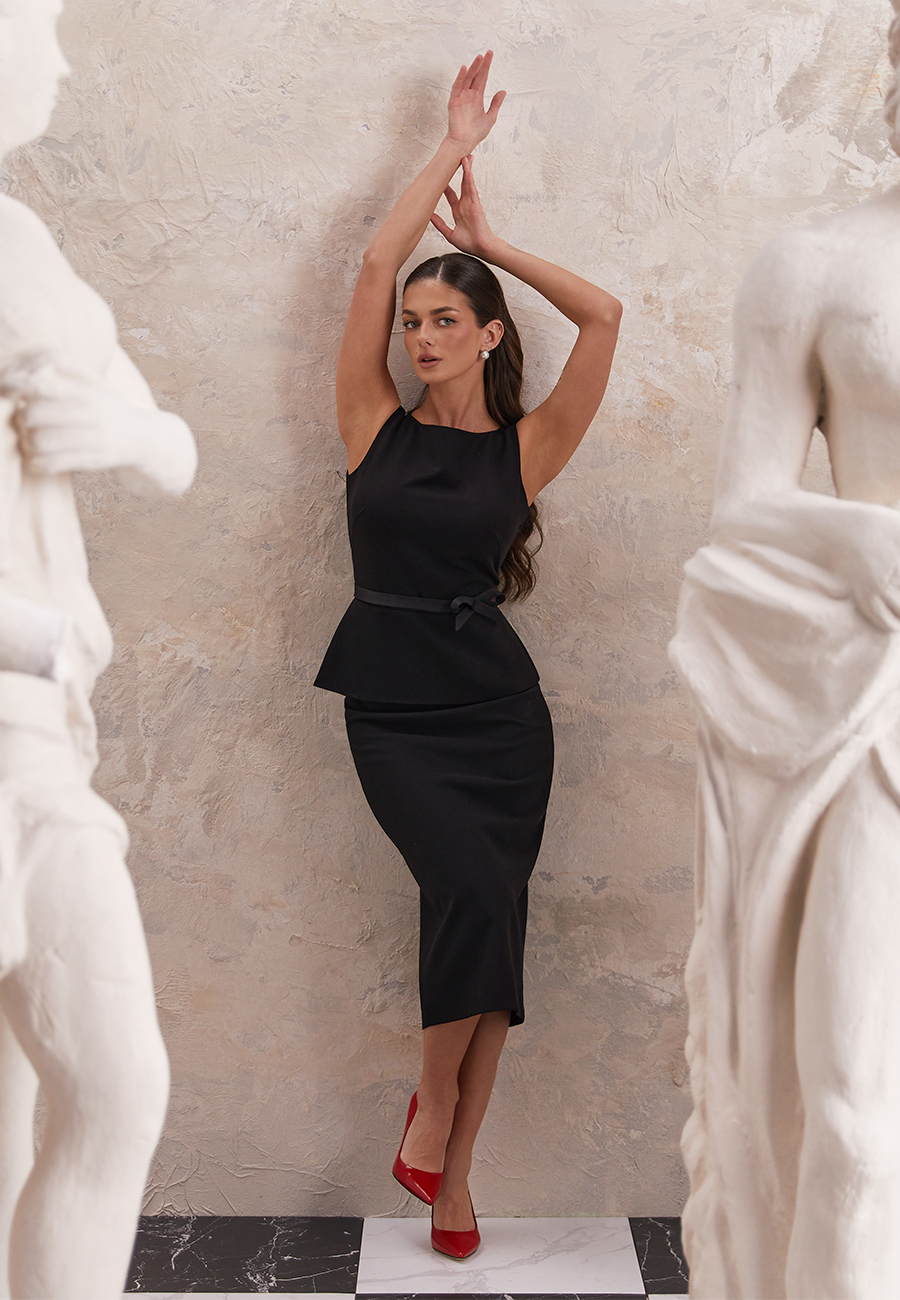
Midi is the most demanding length. But when it's found precisely, it gives you exactly that sense of composure.
Maxi is about verticality and calm. It elongates the silhouette, but it doesn't forgive a careless length.
None of them is universal. And that's exactly why all of them still matter.
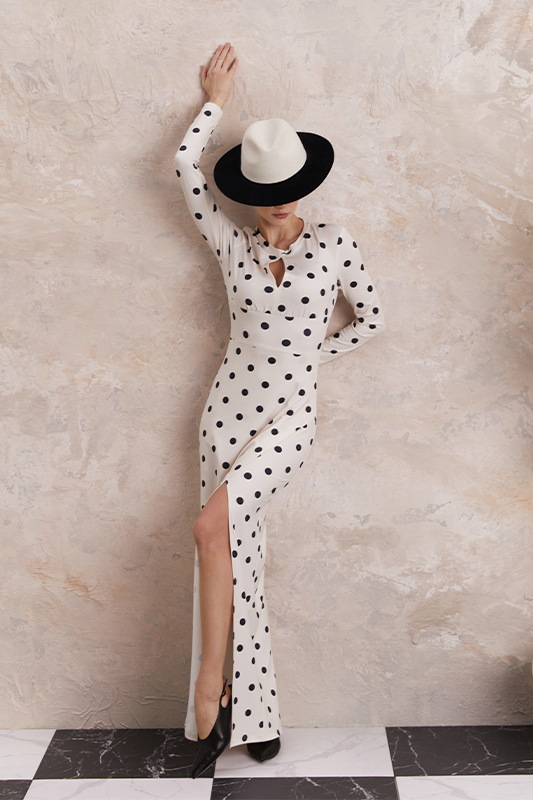
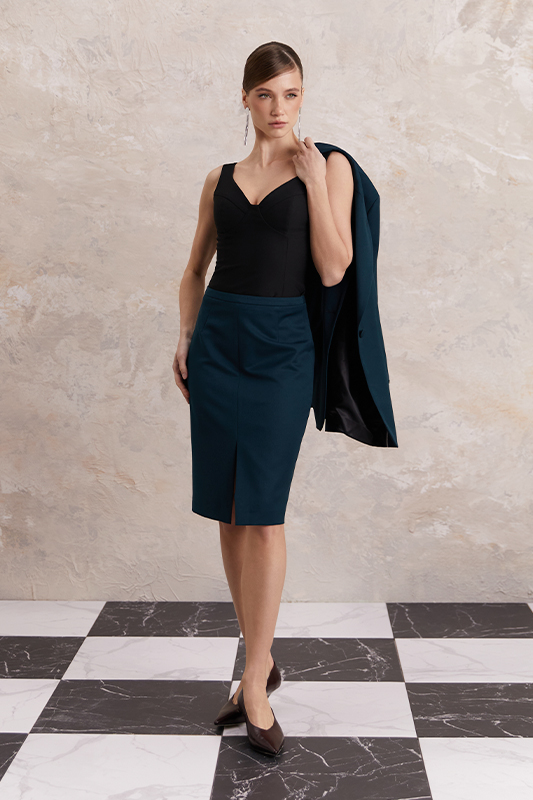
When length is already thought through
Some pieces don't make you question their length at all. It simply works.
That's always a matter of construction: where the line ends, how it behaves in motion, whether it holds its shape without extra tricks.
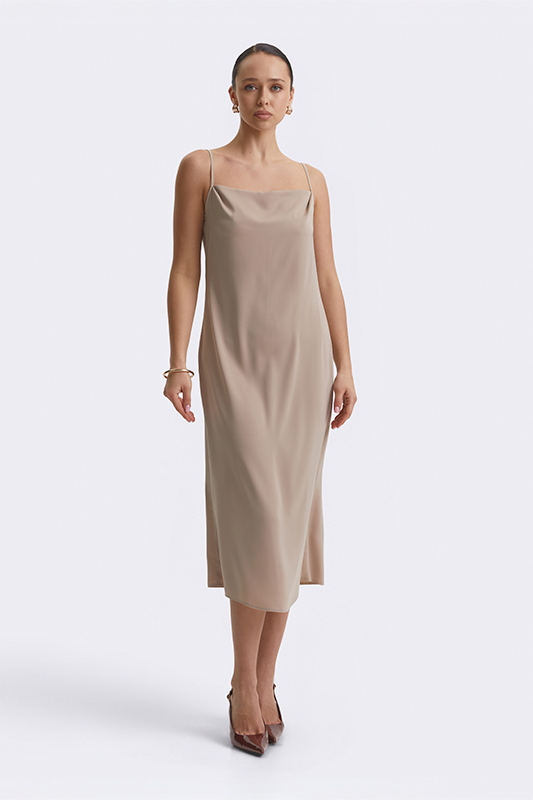
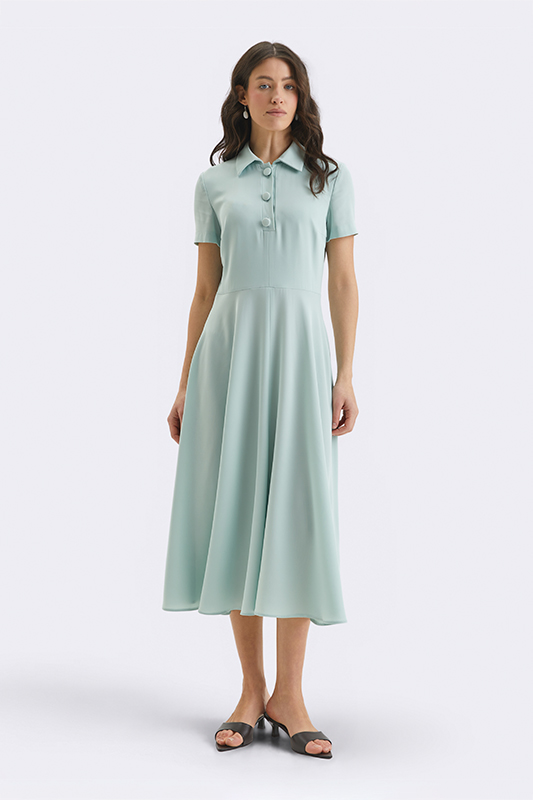
In Natali Bolgar collections, this is resolved at the level of the cut itself. The length isn't "explained" through styling - it's already built into the silhouette. That's exactly why the look reads as composed without any extra effort.
A simple guideline
Length should either reveal or complete. Anything left hanging "in between" almost always reads as a compromise.
On choosing
We often go looking for the right length as if it were an answer.
But it becomes obvious not at the moment of measuring, but at the moment you stop second-guessing how you look.
Sometimes that's all it takes to know: this is yours.