What looks beautiful on a hanger can sit strangely on you. What feels soft and comfortable can lose its shape within a few hours. What fits perfectly standing up can behave completely differently the moment you sit down.
Somewhere, creases appear that weren't there before. Somewhere, volume shows up that no one asked for.
Sometimes they suddenly cut your height short. Sometimes they distort your proportions.
Some of us are constantly shortening them. Others are searching for anything long enough at all.
And at some point it starts to feel like the perfect pair simply doesn't exist. Until, out of nowhere, it does. And then only one question remains: where has it been all this time?
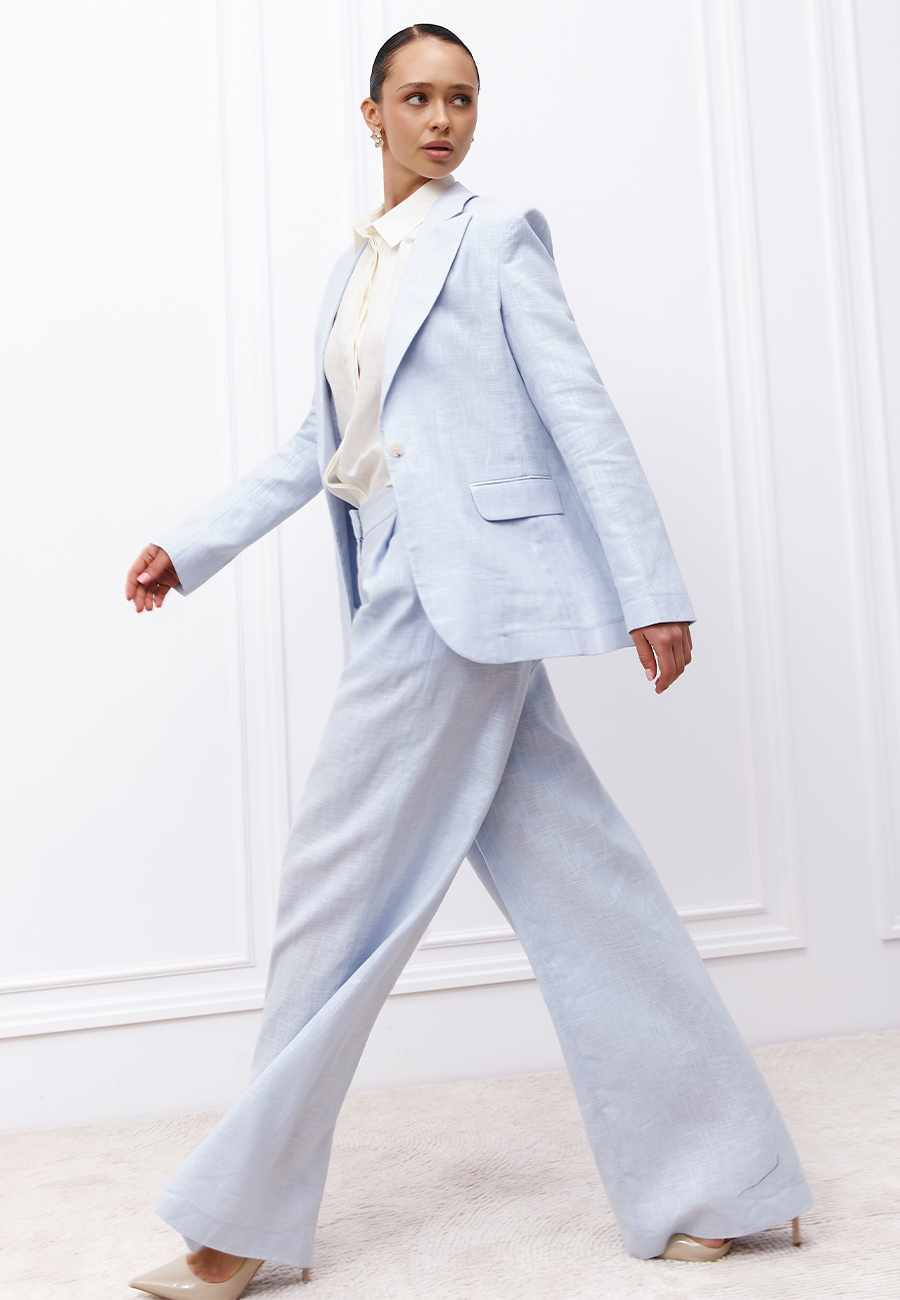
Why trousers are always trickier than they seem
A hundred years ago, the simple fact of a woman wearing trousers was radical.
And that matters. Trousers have never been "just clothing." They've always carried a statement — about position, about freedom, about shifting roles. Perhaps that's exactly why they're harder to get right.
Good trousers come down to three things: how they fit, how they move, and what they do to your silhouette. Everything else is detail.
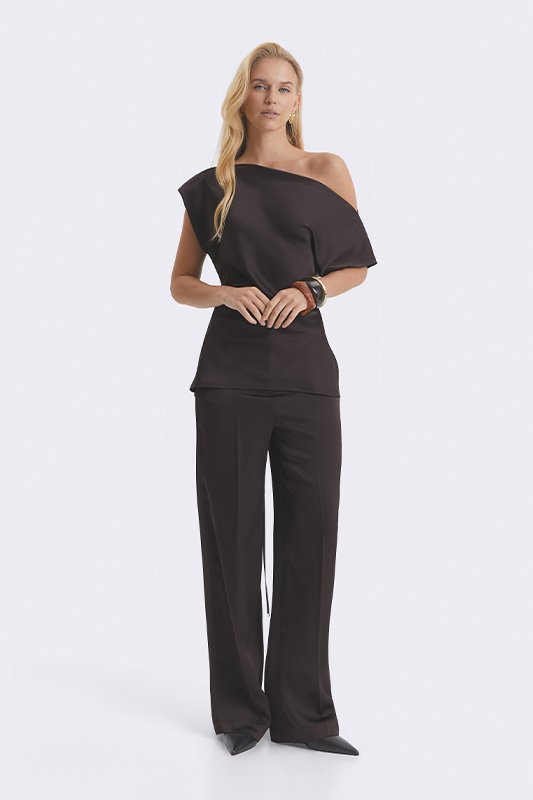
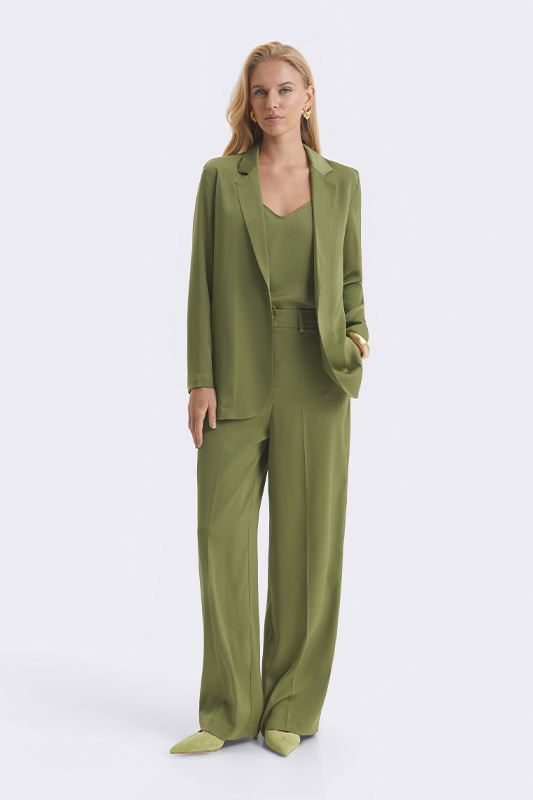
Straight-leg. The ones everything starts with
Straight-leg trousers aren't a basic. They're a benchmark.
They don't pull focus — which is exactly why everything else becomes visible at once: the fit, the proportions, the length.
If they work, the whole outfit works. If they don't, that's just as obvious.
This isn't about trends. It's about precision: the line at the hip, the balance at the waist, the weight of the fabric.
Sometimes this is the exact style that ends the search for good.
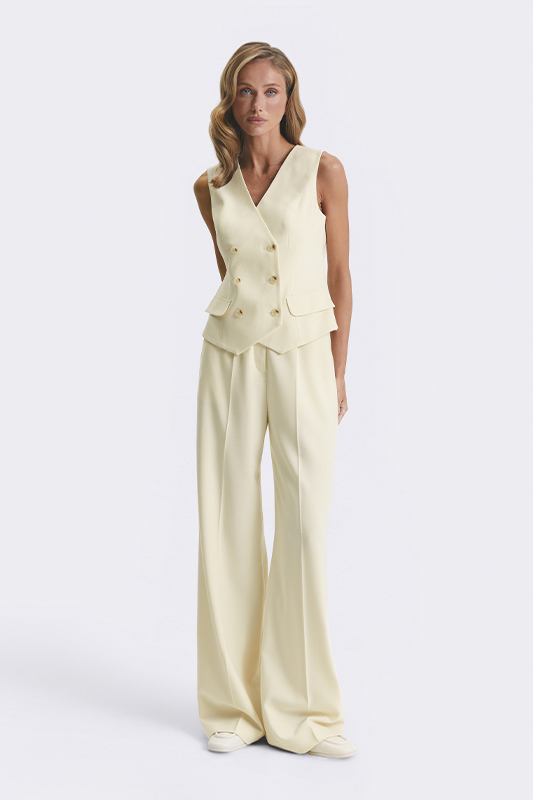
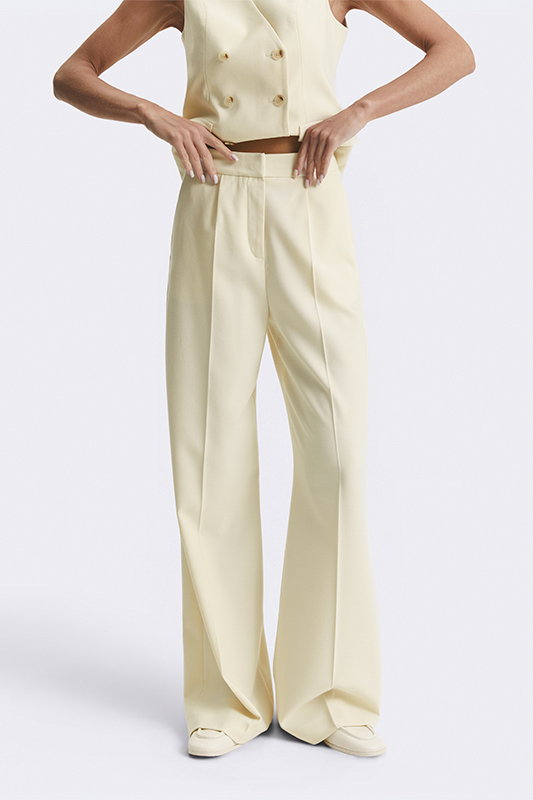
Palazzo. When volume works for you
Wide trousers can either elongate a silhouette or overwhelm it. The difference comes down to the fabric.
The wider the shape, the more the fabric needs to move. To drape. To follow your stride.
Get that right, and "bulky trousers" turn into lightness and a long, clean vertical line.
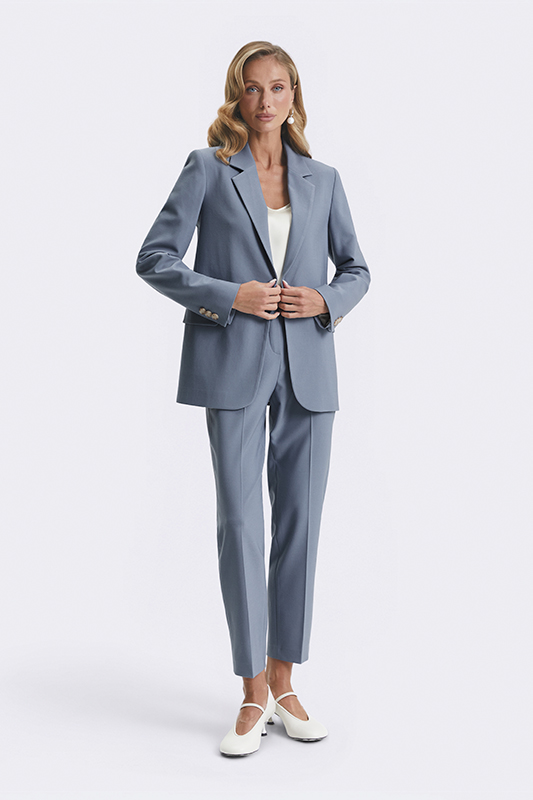
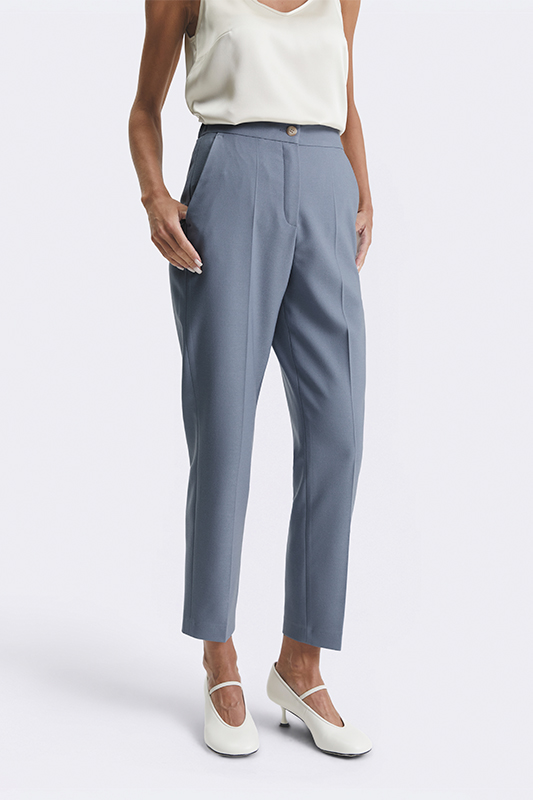
Cropped. A matter of proportion, not centimeters
There's no such thing as the "correct" length. There are only options.
Trousers can cover the shoe entirely. They can reveal the ankle. They can create a pause between themselves and the shoe.
And every one of these options works — as long as the proportion works. So the real question isn't "which length is correct," but "how does the leg read as a whole."
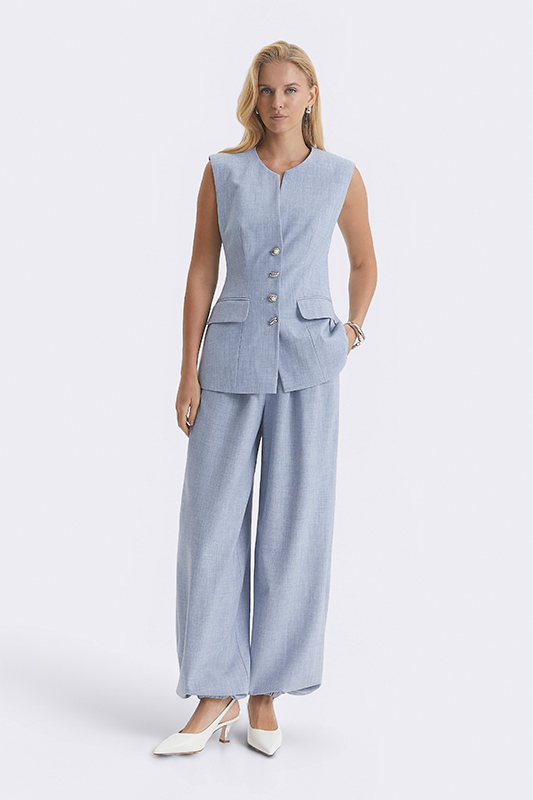
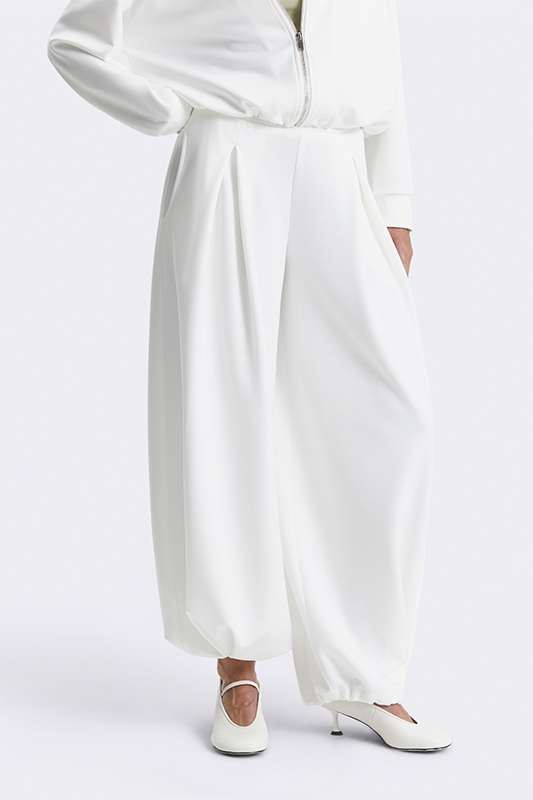
Banana, harem, culottes. When shape sets the character
This is no longer about basics. It's about mood.
Banana-fit trousers add volume at the hip and taper toward the hem, softening the silhouette. Culottes create a sharp horizontal line — here, heel height and shoe choice matter. Harem trousers offer freedom of movement but can shorten your height if the volume isn't kept in check.
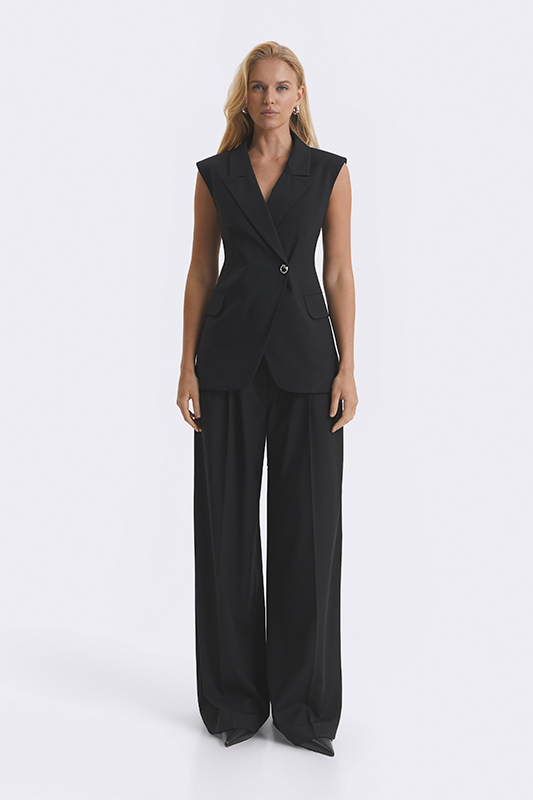
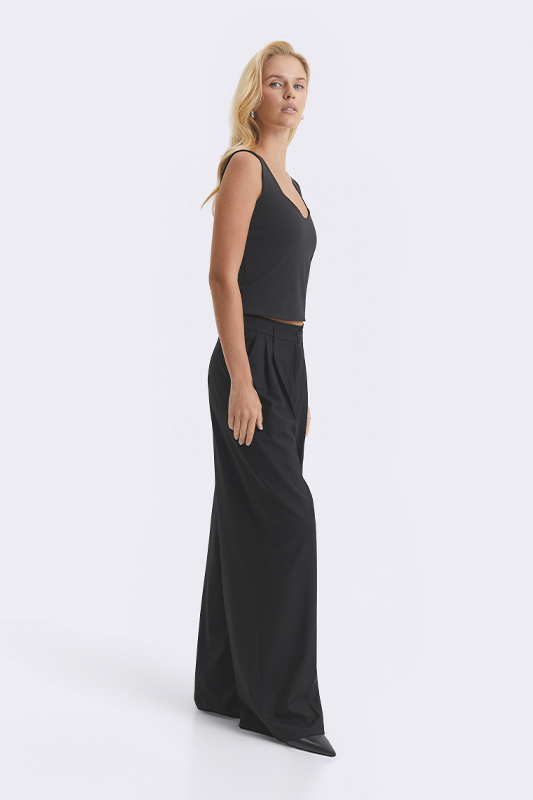
Trousers with a crease. The simplest answer
Some details pull an outfit together instantly. A pressed crease is one of them.
It adds a vertical line, sharpness, and a sense of order even where none was planned.
Sometimes that's all it takes.
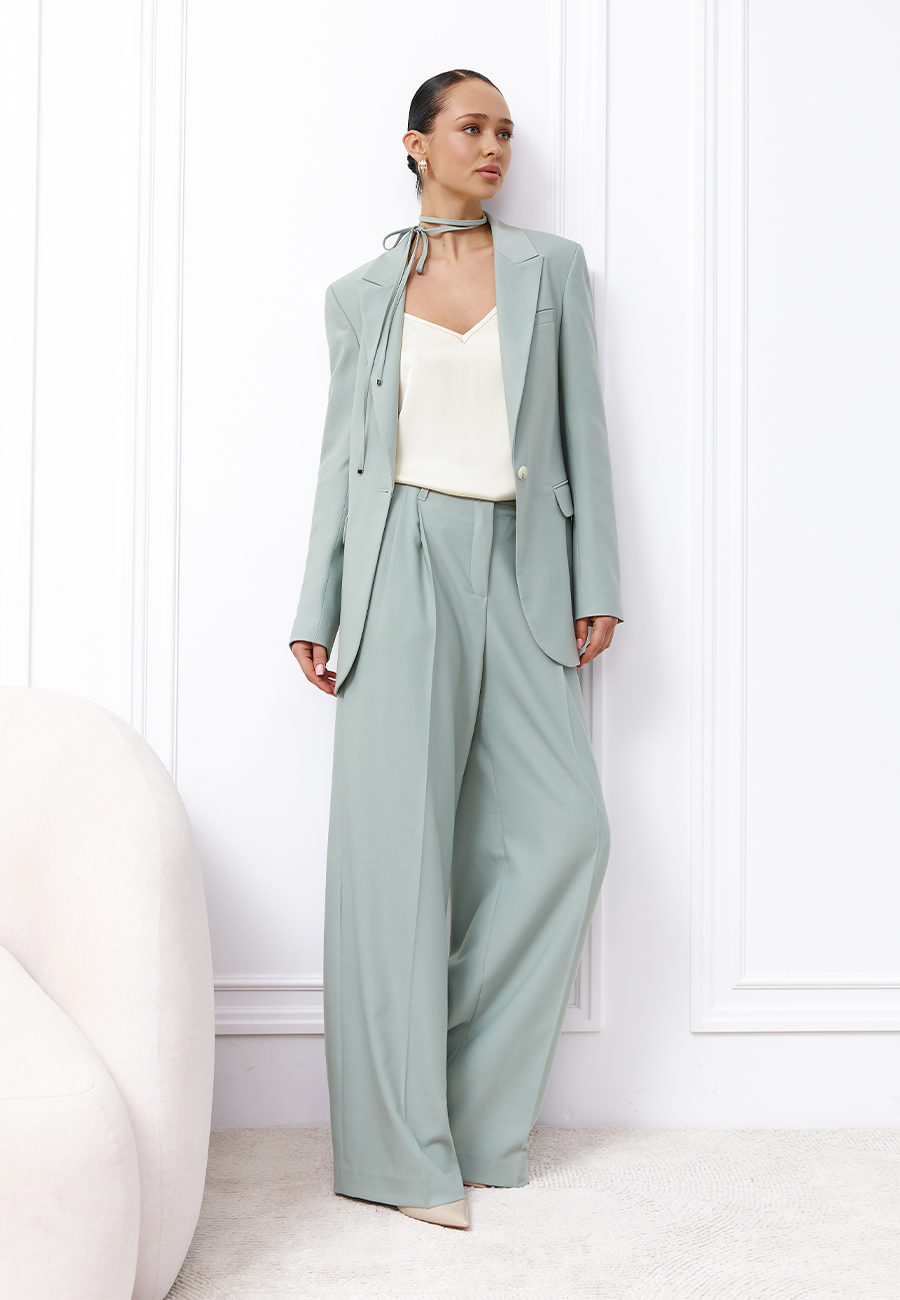
How to know these are "the ones"
The trick here is not to overthink it — but not to oversimplify it either. There are a few clear markers:
— they don't bunch into creases in "odd" places
— they don't add volume where there wasn't any
— they don't cut your height short
— they look good both standing and sitting
— they don't need constant adjusting
In other words: they don't create new problems. A few more things to keep in mind:
— taller women should pay close attention to length and hip fit
— below-average height calls for caution with excess volume and a "low" waistline
— to define the silhouette, creases, vertical lines, and monochrome outfits all work in your favor
In the context of a wardrobe
These aren't rules. But they're markers that genuinely help.
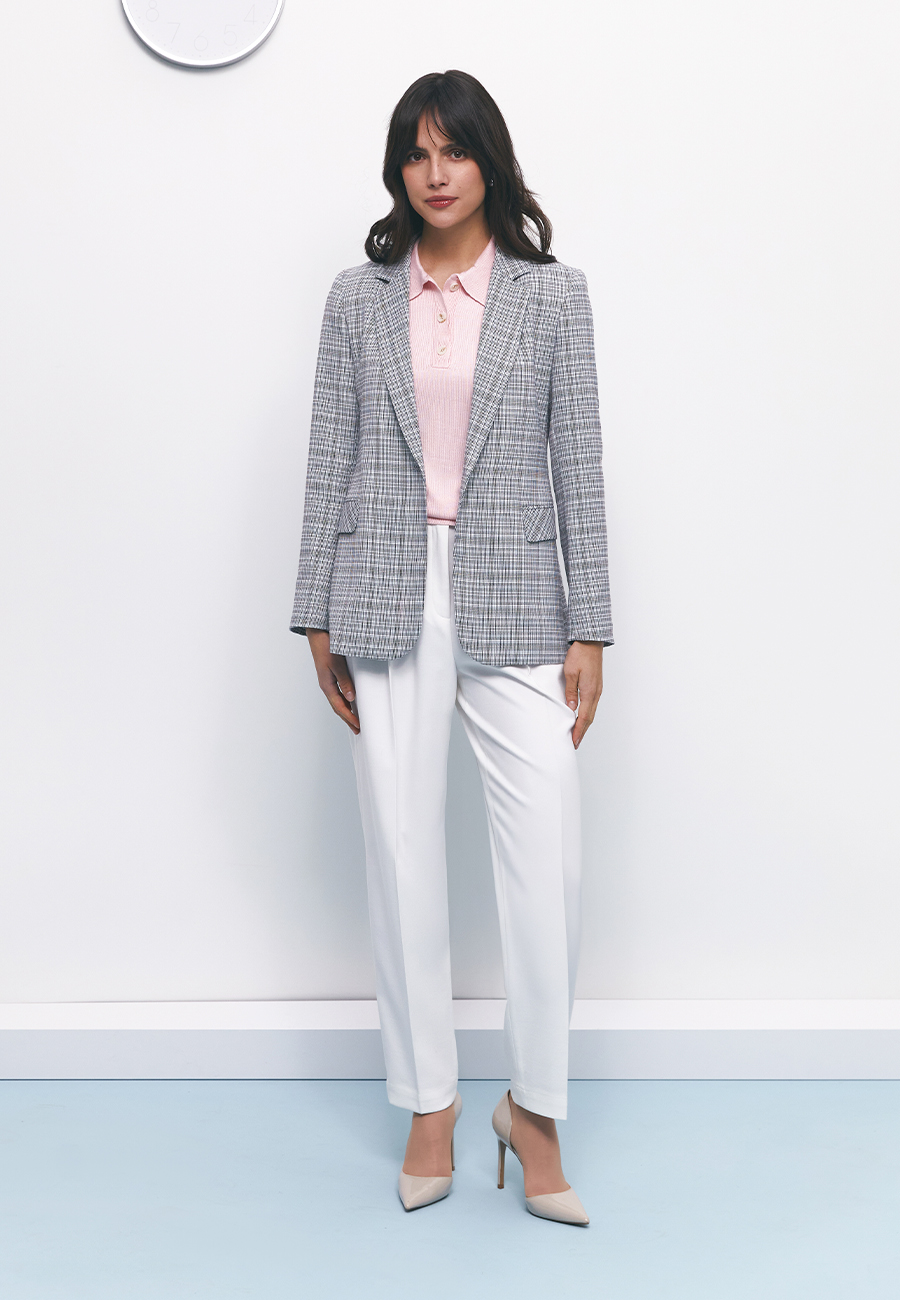
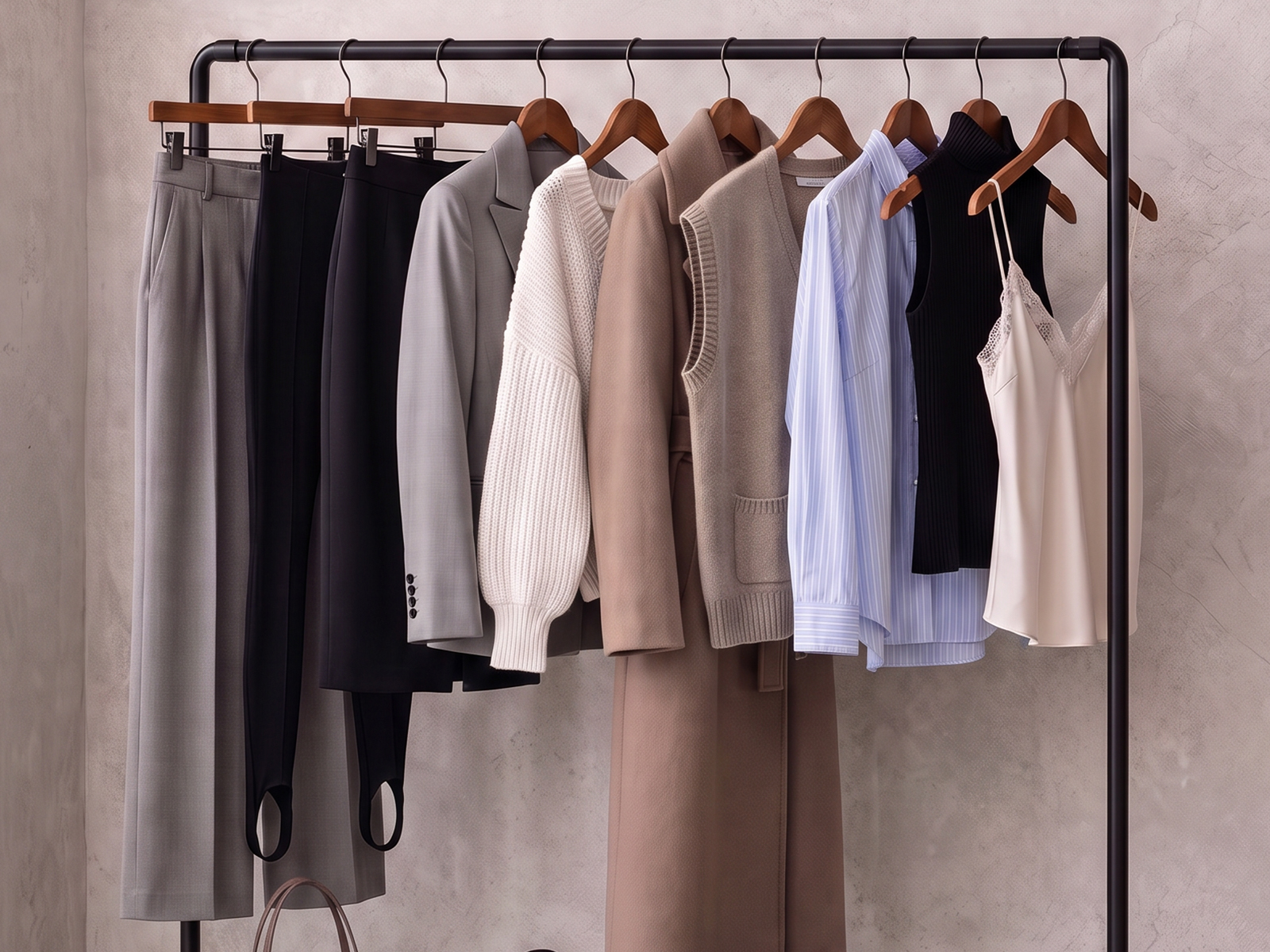
At Natali Bolgar, trousers never exist on their own. They're conceived from the start as part of a wardrobe — with a jacket, a vest, a shirt, knitwear.
Straight-leg, palazzo, cropped — each carries a different mood, but follows the same logic: they shouldn't need "finishing." They should already work.
That's exactly why the question "what do I wear this with" never comes up. And why there's never any urge to replace them with something else.
Sometimes a single pair is enough to cover half your wardrobe. And to stop asking: where has it been all this time?