A wedding is perhaps the one occasion where "dressed beautifully" and "dressed appropriately" don't always mean the same thing.
You might choose a striking dress — only to realize it reads as too evening-formal for a garden ceremony.
Or you might put together a more understated look — and suddenly feel like you wandered into someone else's celebration on your way from the office.
And that's where things get interesting.
A wedding guest look is almost always about balance: between festive elegance and appropriateness, between wanting to feel your best and respecting the mood of the day.
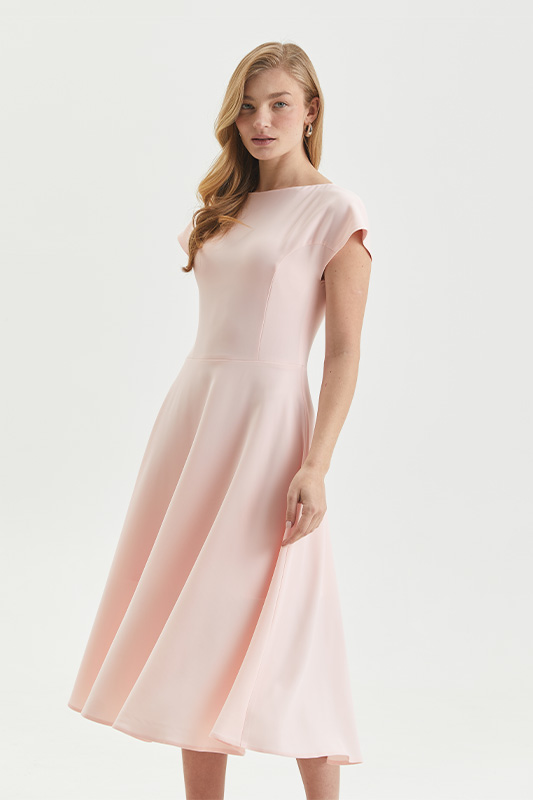
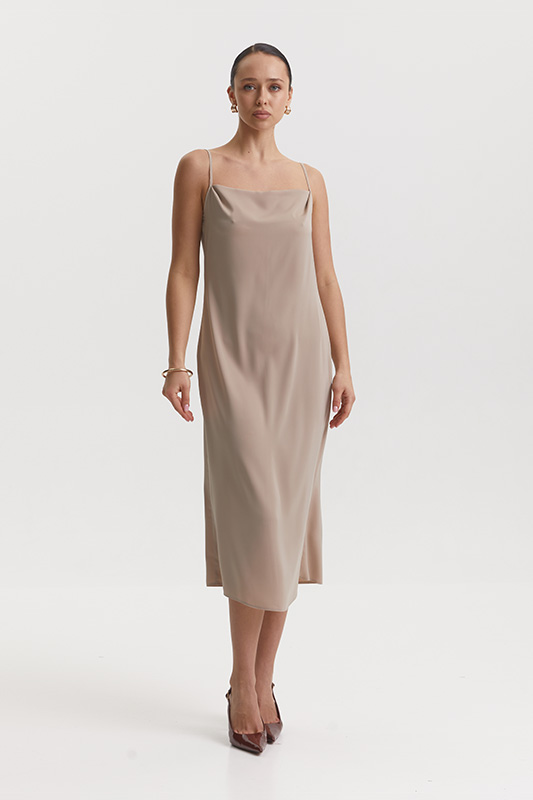
Wedding etiquette used to be far stricter
In the 19th and early 20th centuries, the rules for guests left almost no room for compromise.
In the European tradition, a guest was expected to look festive, but never so festive as to pull attention away from the bride. This is where the unwritten rules that still shape wedding etiquette today come from: white is reserved for the bride, and anything too theatrical belongs to another occasion.
Even though things are far more relaxed now, the underlying logic remains. A wedding is not the day to be the most eye-catching person in the room.
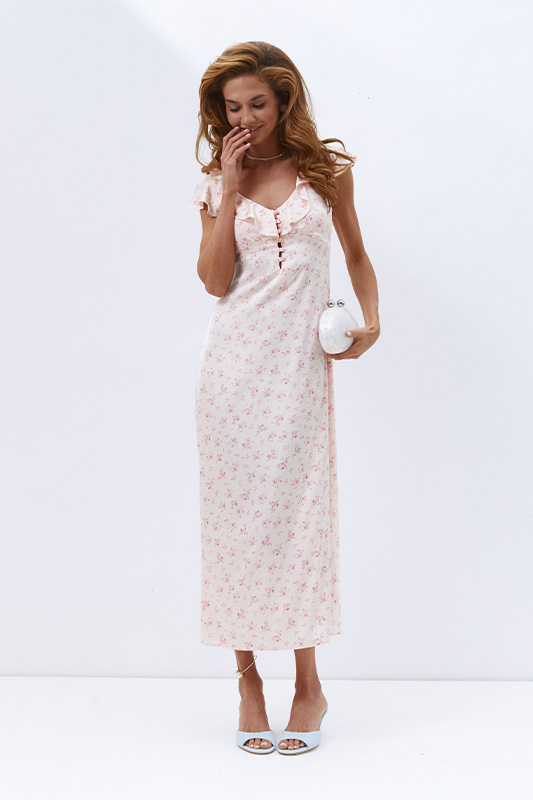
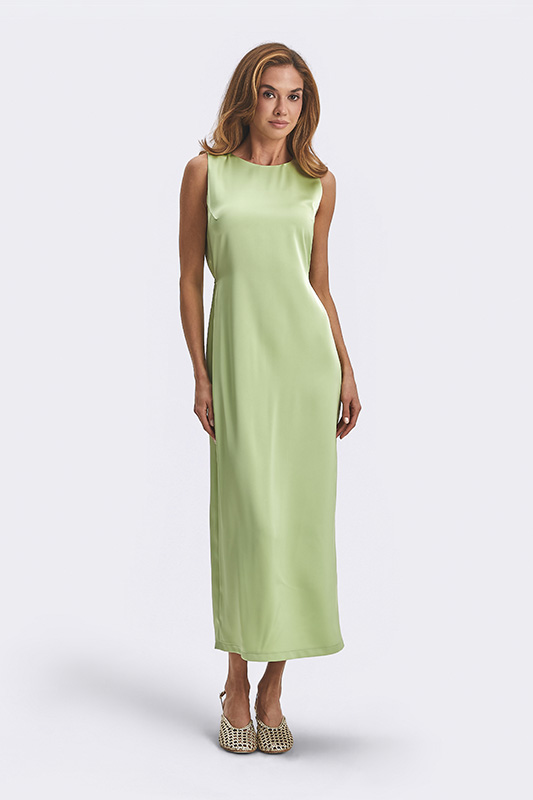
Start with the dress code — it's not a formality
Sometimes the answer is right there in the invitation. Black tie, cocktail, casual chic, garden party — these aren't just pretty words meant to set a mood, they're a real cue for how to dress.
"A wedding's dress code is always the main reference point. If the format is set, the best move is to work within that aesthetic rather than argue with it," explains Natali Bolgar stylist Anastasia.
A garden ceremony outdoors and an evening wedding at a restaurant are, frankly, two completely different wardrobe stories.
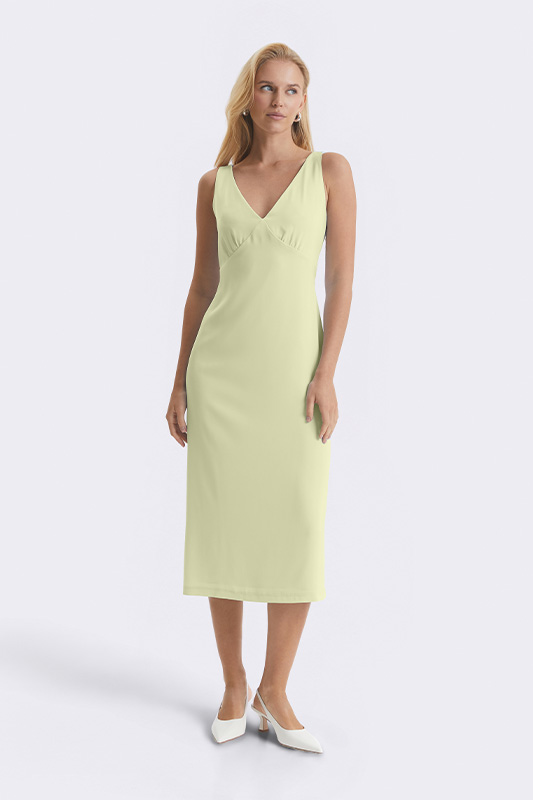
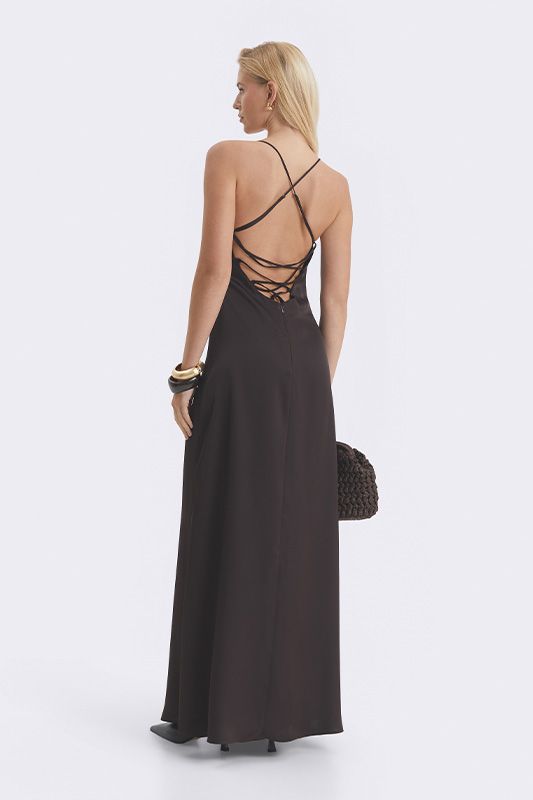
White is still off the table
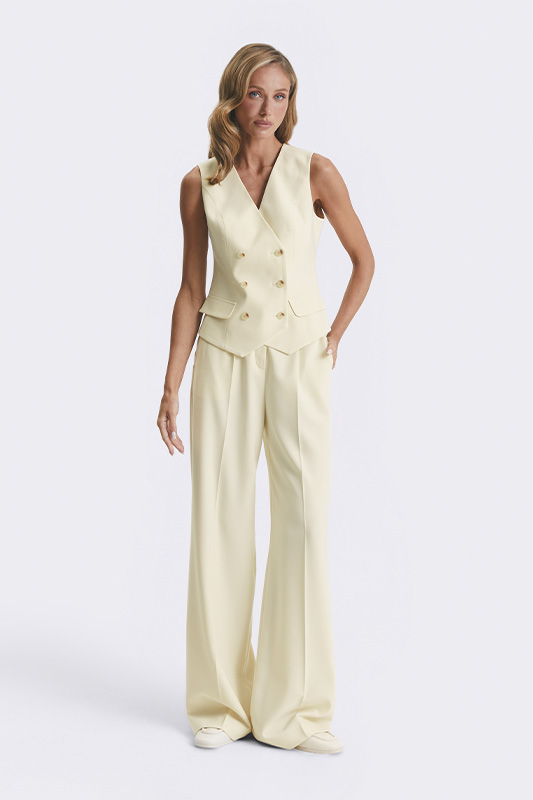
White, milk, ivory, and shades close to them remain the most delicate topic at a wedding.
And it's not even about strict rules — it's more a matter of context and consideration.
"White and its shades traditionally stay reserved for the bride. Sometimes it's simply about respecting the moment," Anastasia adds.
Even if the dress suits you perfectly. Even if "it's not really white." And even if the bride is the most modern person in the world. Sometimes respect looks very stylish.
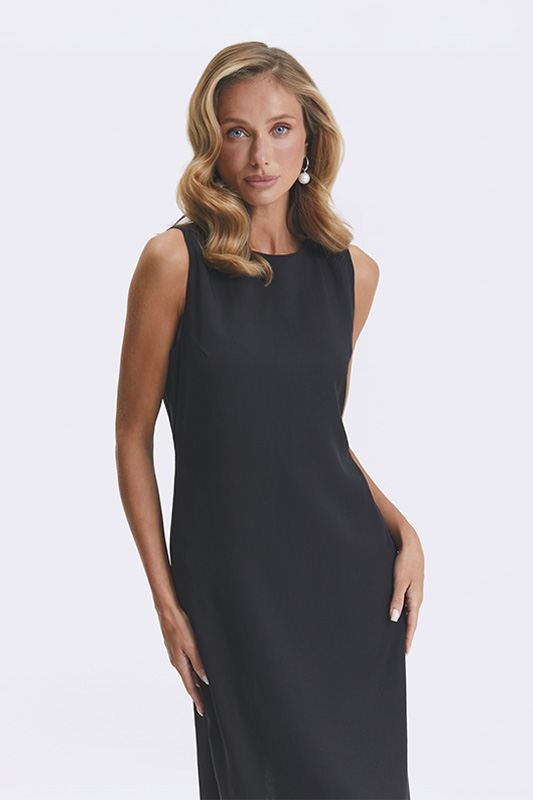
Black is fine — with one nuance
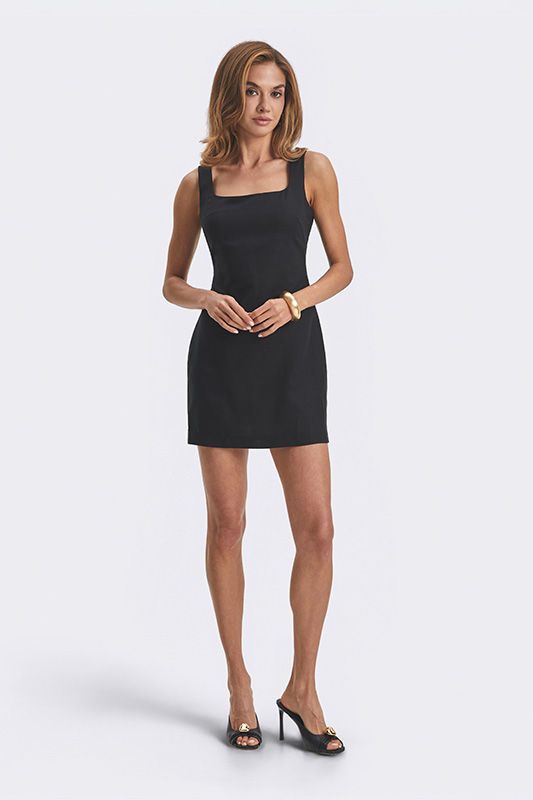
Black at a wedding used to be viewed with some hesitation, especially for daytime ceremonies.
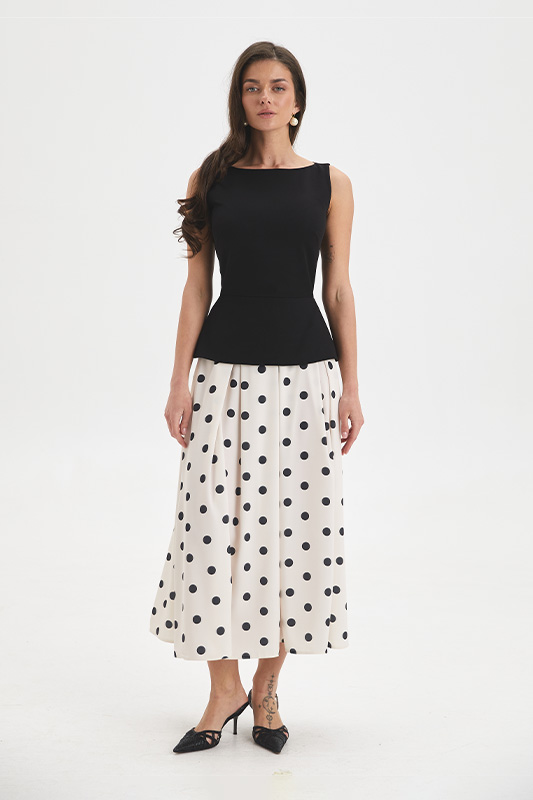
Today the rules are much softer. A little black dress, a suit, or a black-toned set are entirely appropriate, especially for an evening format.
But how the black look is styled matters.
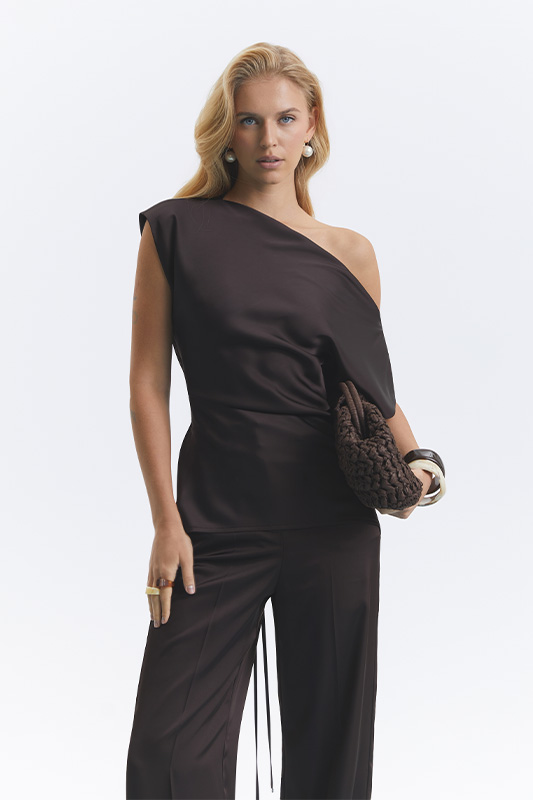
To keep it from reading as too severe or "office-like," it helps to play with texture and detail: satin, silk, a subtle sheen to the fabric, striking jewelry, or standout shoes can completely shift the mood of the outfit.
"Black at a wedding stopped being controversial a long time ago. The key is making sure the look doesn't feel too heavy or ordinary," Anastasia explains.
Because sometimes it's not the color itself, but how it's delivered.
A dress isn't the only option
This is perhaps one of the most welcome shifts of recent years.
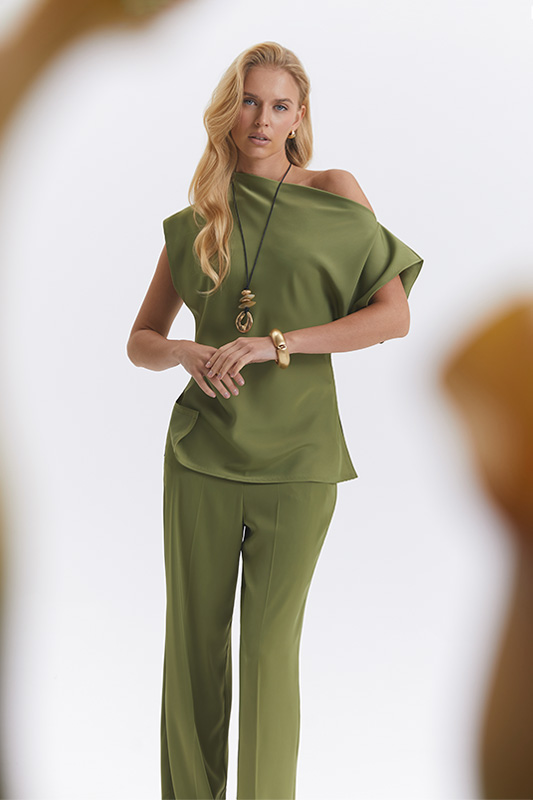
If a guest look used to almost automatically mean a dress, today there are far more possibilities. Wedding wardrobes have become more flexible — and more interesting.
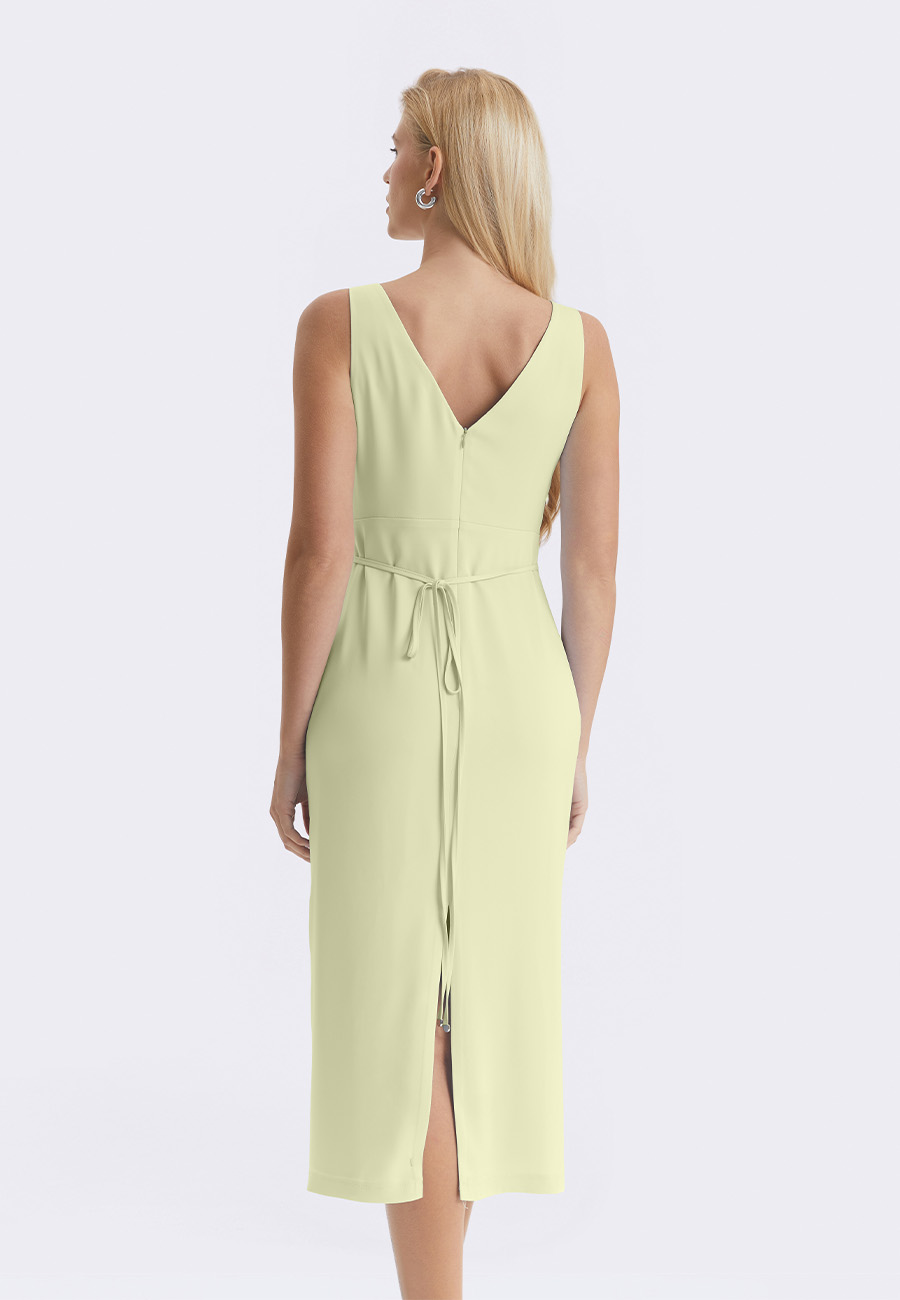
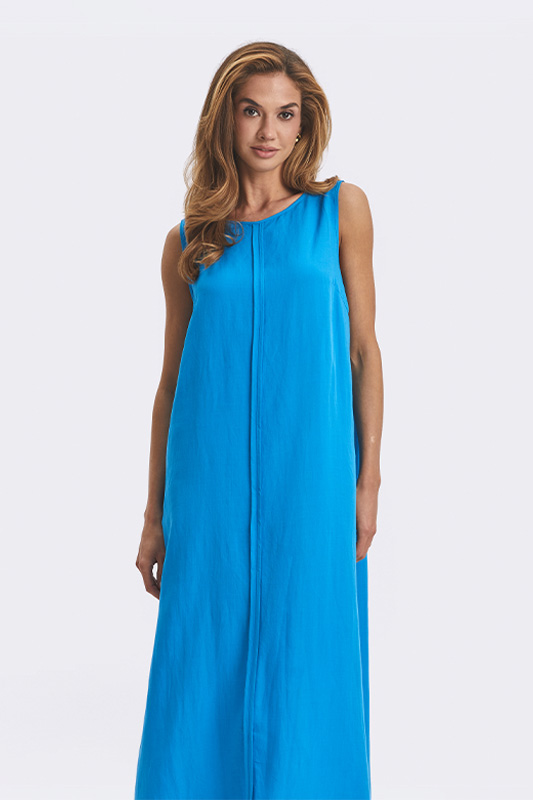
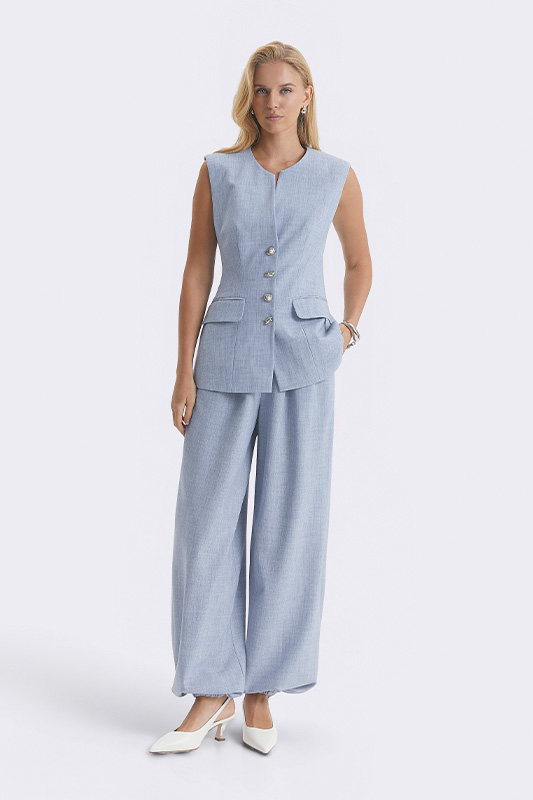
"For a modern, stylish wedding look, suits, jumpsuits, and coordinated sets all work beautifully. The main thing is that the piece feels festive without being overdone," says Anastasia.
Suiting viscose, silk, satin, linen, or fabrics with a light texture look especially good here.
And honestly, a stylish suit at a wedding sometimes reads as far more interesting than a predictable dress.
Worth thinking about "too much" as well
There's one simple guideline. If a look reads more like an afterparty outfit, or tries too hard to make an impression, it might be worth toning it down a little.
Ultra-mini hemlines, an overly deep neckline, sheer fabrics, or an openly provocative vibe rarely look as good at a wedding as they seemed to in the fitting room.
"Overly revealing looks are better saved for other occasions. A wedding still calls for a certain elegance and delicacy," Anastasia explains.
And this isn't about morality — it's about context.
The venue matters more than you'd think
Heels on a lawn are one of the quickest routes to a fashion disappointment.
And that's not a figure of speech.
"For an outdoor wedding, lighter fabrics and more comfortable shoes work best. For a restaurant or evening format, more structured, festive looks suit better," Anastasia advises.
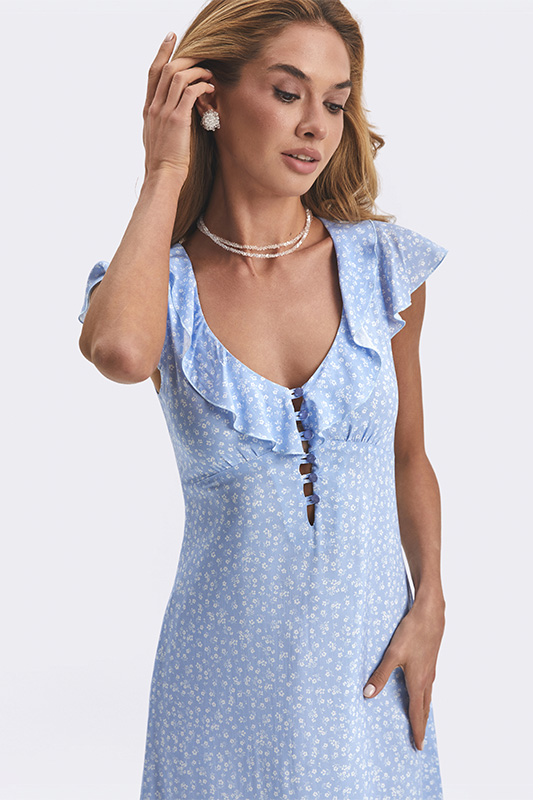
Linen, organza, silk, suiting viscose, soft textures — anything that drapes beautifully without looking too "heavy" is especially well suited to a summer wedding outdoors.
For an evening format, deeper colors, sharper silhouettes, satin, or more structured fabrics look better instead.
Sometimes the best style choice starts with a very practical question:
Where exactly will the wedding take place?
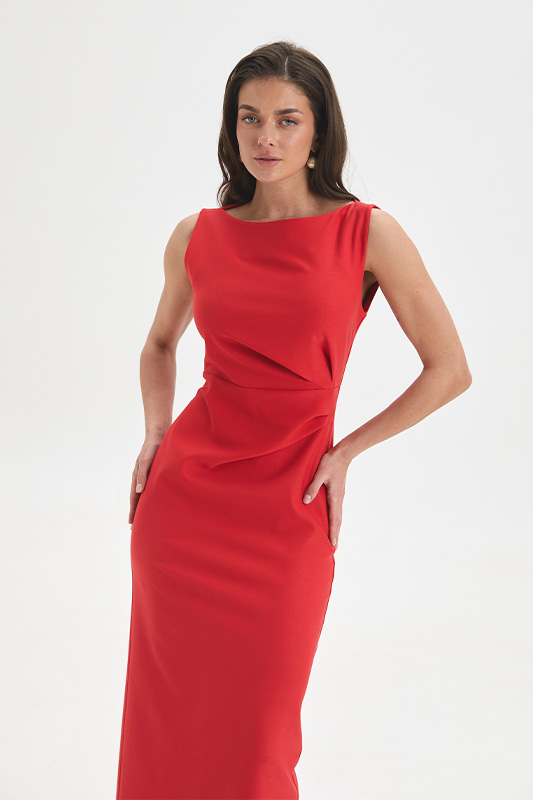
The details make all the difference
Often the look is already working — it just needs a finishing touch: a small bag, neat jewelry, well-kept shoes, or an easy hairstyle.
"It's often the details that pull a look together. There's no need to overcomplicate things — a few right choices are already enough," Anastasia says.
A wedding look rarely favors excess.
And very often it's restraint that makes it truly work.
At Natali Bolgar, wedding looks have always been approached without unnecessary drama.
Not as a "one-night-only dress."
But as pieces that will stay in your wardrobe long after the celebration — simply styled a different way.
Because the best purchases rarely live for just one day.
And perhaps that's the main thing to remember about a wedding guest look: it shouldn't be the most striking one in the room. Just the right one. Sometimes that's exactly what looks the most beautiful.