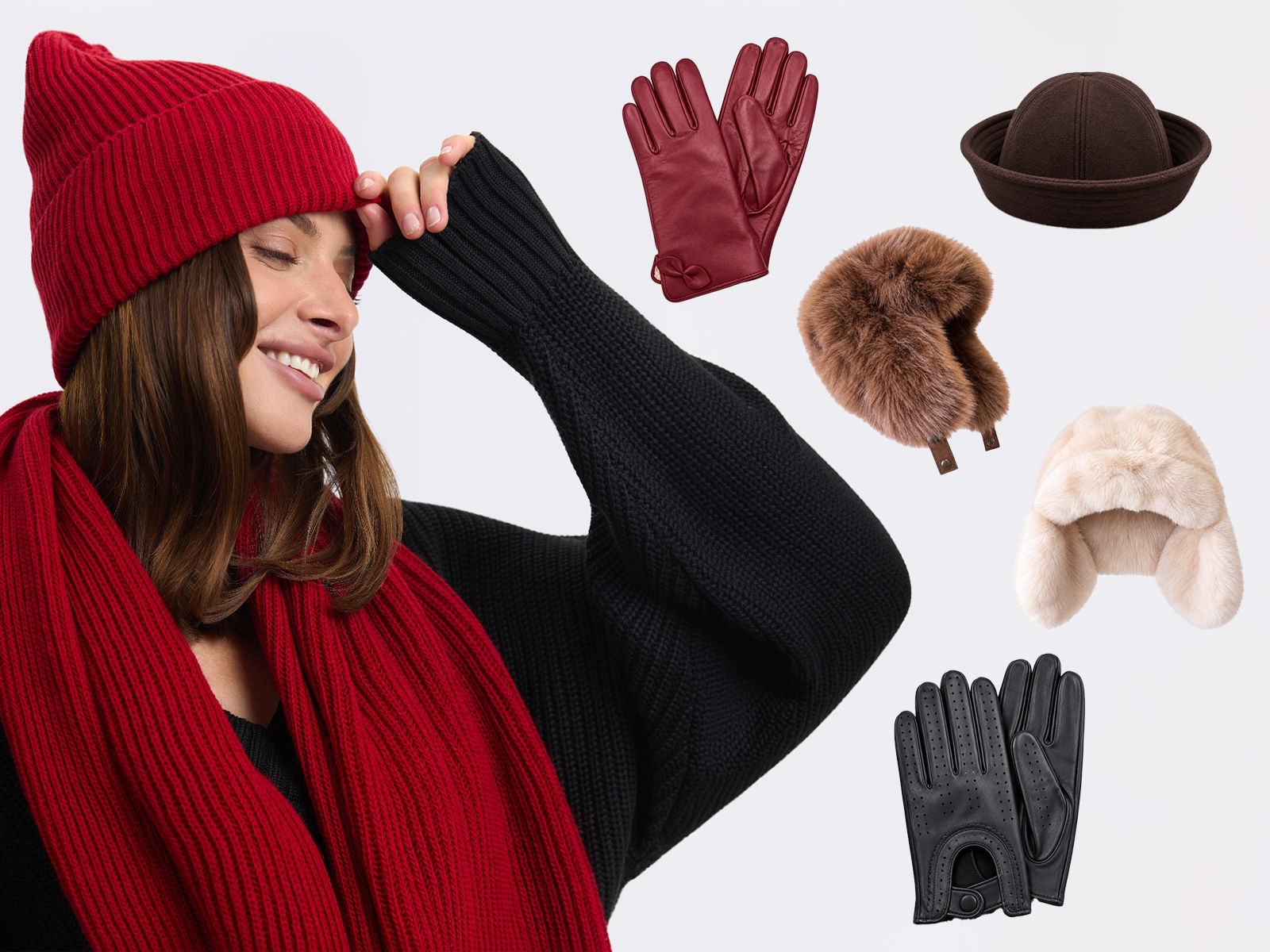
We tend to think style is made of what can be seen: silhouette, fabric, colour, accessories.
But ask someone, years later, to recall a person who left a strong impression, and they'll rarely describe the cut of a jacket or the exact shade of a bag.
What stays instead is almost always a feeling. Sometimes — even a scent.
That's why perfume has never been just the finishing touch of a look. It has always been its continuation.


The art of listening to scent
In Japan there is an ancient art called kōdō — "the way of fragrance." And one detail in it is especially beautiful.
The Japanese don't say "smell a fragrance." They say "listen to a fragrance." It sounds like a mere quirk of language. In truth, it's an entire philosophy.
A fragrance shouldn't drown out the person wearing it. It unfolds gradually, remaining part of her presence.
Perhaps that's exactly why a good perfume rarely invites words like "expensive," "sweet," or "long-lasting." It's far more natural to say just one thing: "It suits her perfectly." And, perhaps, that's enough.


Clothing works for the eyes. Perfume works for memory
Psychologists long ago described a phenomenon known as the Proust effect.
It's scent, more than anything else, that triggers the most vivid autobiographical memories — sometimes faster even than photographs or music.
You may not remember what someone was wearing ten years ago.
But catch a familiar scent by chance, and in a second you're back in a city, a conversation, an entire chapter of your life.
That's why perfume works differently from clothing. Clothing shapes the first impression. Fragrance leaves the aftertaste no one forgets.


Perfume stopped having a gender long ago
A few decades ago, most fragrances were clearly split into women's and men's.
Today that divide is gradually disappearing. Not because boundaries are blurring, but because scent is increasingly read not as a marker of gender, but as an expression of character.
That's why compositions by Tom Ford, Le Labo, Byredo and many other contemporary houses sit just as naturally on women as on men.
Perfumery is saying less and less about who you are, and more and more about the impression you leave behind.


Layering — when a fragrance becomes yours alone
Another trend in contemporary perfumery is layering, the art of combining several fragrances.
Not to make them louder, but to create a composition no one else has.
One fragrance might add clean citrus notes, another the warmth of wood, vanilla or leather. Together they read differently than either does alone.
There's a striking parallel with a wardrobe here. We pair a shirt with a jacket, add jewellery, a belt, shoes. No single piece should overpower another — each simply helps the whole look come through.
Fragrance works exactly the same way.


How to know it's really your perfume
Almost everything has already been written about notes, trail and longevity. Maybe that's why the questions that matter most are so much simpler.
-Am I comfortable living with this fragrance for an entire day?
-Will I want to reach for it again tomorrow?
-If this perfume suddenly vanished from shelves, would I truly go looking for it?
If the answer is yes, you may have found not just a beautiful fragrance, but one in which you recognise yourself. A good perfume doesn't create a new persona. It simply helps your own come through more clearly.


When a look starts speaking one language
Christian Dior is often credited with saying: "Perfume is the finishing touch of a dress." He was hardly talking only about fashion. More likely, about wholeness.
Style is born the moment silhouette, fabric, movement, accessories and fragrance stop existing separately. They begin supporting one another.
That's why a truly elegant look is almost impossible to copy in full. Because what we remember isn't the bag. It isn't the perfume. It isn't even the perfectly cut jacket.
We remember the feeling a person leaves behind. And, perhaps, that is exactly what style is.